
The R20 Method: Is It a Faster Way to Remove Tattoos?
Published on: April 16, 2026 | Last Updated: April 16, 2026
Written By: Ashita no Joe
Are you tired of waiting months or even years to see your unwanted tattoo fade away?
I’ve removed tattoos from my own skin and helped hundreds of clients, so I’ll give you the straight facts on R20. You’ll learn how this method stacks up against traditional laser removal, what the process feels like, and whether it truly delivers quicker results based on my hands-on experience.
What Is the R20 Tattoo Removal Method?
The R20 method is a specific laser removal protocol where a practitioner makes multiple laser passes over the exact same tattoo area within a single session. Instead of zapping the ink once and sending you home, we treat the area, wait a few minutes for the skin to react, and then laser it again.
This technique relies heavily on Q-switched lasers, which are the industry standard for effective removal. These lasers emit extremely short, high-energy pulses that shatter tattoo ink into tiny fragments. Your body’s immune system then recognizes these micro-particles as foreign invaders and works to flush them out over the following weeks. In scientific terms, the process is selective photothermolysis: the laser targets pigment at specific wavelengths to break apart ink while minimizing damage to surrounding skin. The overall effectiveness depends on factors like ink color and depth, skin type, and the number of treatment sessions.
The intended mechanism behind the R20 approach is to maximize each appointment. By fracturing the ink more thoroughly in one sitting, we aim to trigger a more robust and efficient clearance response from your body. The theory is that the second and third passes target smaller, deeper ink particles that were exposed by the initial blast, leading to faster fading overall.
I’ve used a modified R20 approach on a few clients with simple, amateur black ink tattoos. Watching the immediate, intensified whitening of the skin after each pass confirmed we were getting a deeper reaction. The results were noticeably faster, but the aftercare and swelling were significantly more intense than with a single-pass treatment.
R20 Versus Standard Laser Tattoo Removal
The core difference lies in the treatment protocol. Standard removal involves one single laser pass over the tattoo per session. With R20, we perform multiple passes-typically up to four-during that same visit. This fundamental shift in approach dramatically changes the experience and the aftermath for your skin.
Session planning and the overall timeline are where the two methods truly diverge. A standard removal plan spaces sessions 6 to 8 weeks apart to allow for complete healing and natural ink clearance. The R20 method compresses more laser work into fewer appointments, potentially cutting the total number of sessions you need to complete the process. Your total calendar time from start to finish could be shorter with R20.
Both methods use the same physics to fragment ink, but R20 aims for a more aggressive result. The initial laser pass breaks up larger ink clusters. The subsequent passes then target the smaller, more stubborn particles. This layered approach can lead to a greater volume of fragmented ink for your body to eliminate after just one clinic visit.
| Factor | Standard Laser Removal | R20 Method |
|---|---|---|
| Laser Passes Per Session | One | Multiple (Typically 2-4) |
| Time Between Sessions | 6-8 weeks | Longer intervals (e.g., 8-12 weeks) |
| Total Treatment Timeline | Longer, more sessions | Potentially shorter, fewer sessions |
| Immediate Skin Reaction | Moderate swelling and whitening | Intense swelling and frosting |
| Healing & Aftercare Demands | Standard aftercare protocol | More rigorous and prolonged aftercare |
| Risk of Side Effects | Lower | Higher (blistering, hypopigmentation, scarring) |
| Ideal Candidate | Most skin types and tattoo locations | Typically healthier skin, simpler tattoos |
The Science Behind Faster Results with R20
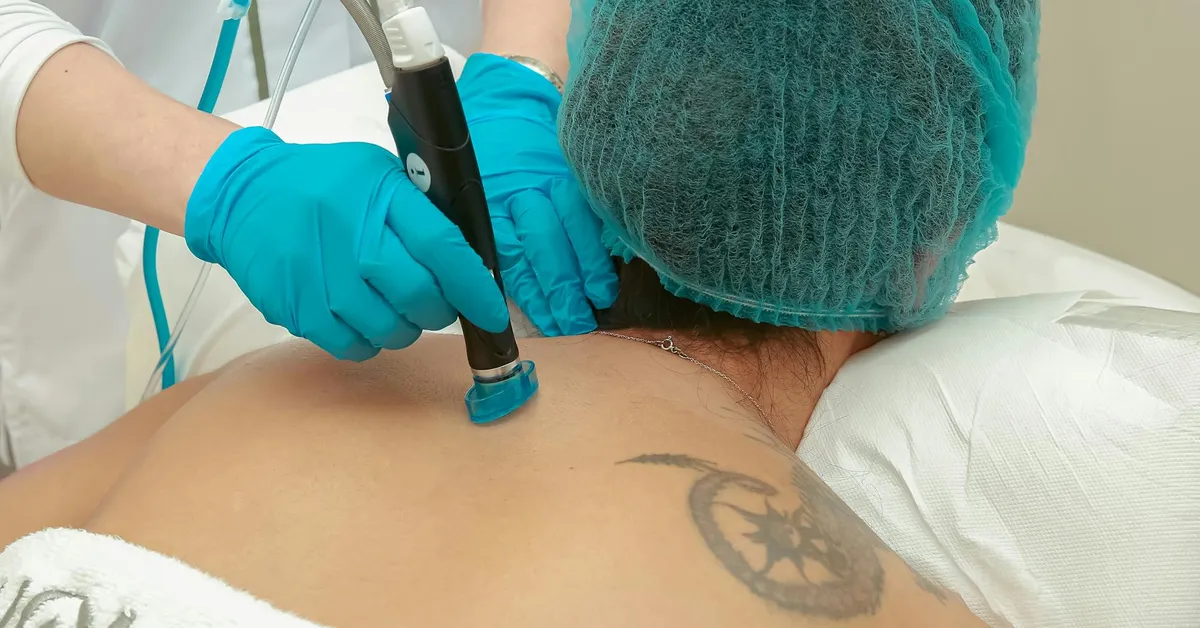
The R20 method works by deliberately triggering a more intense biological response in your skin compared to a single laser pass. Your body’s inflammatory reaction is the true engine of tattoo removal, and the R20 protocol aims to rev that engine multiple times in one sitting.
- Biological Response: The first laser pass creates micro-injuries, releasing pro-inflammatory signals that summon your immune system’s cleanup crew. This causes immediate tissue edema (swelling) as fluid rushes to the area. The subsequent passes, delivered about 20 minutes apart, re-agitate this process, keeping the immune response highly active against the shattered ink particles.
- Boosting Pigment Clearance: The theory is simple: more immune system activity in a condensed timeframe should equal more ink cleared per session. Instead of waiting 6-8 weeks for one round of fading, you’re compressing several immune-system activations into a single day. In my experience, this can indeed lead to more dramatic fading after one appointment.
- Clinical Evidence: A foundational 2012 study published in the Journal of the American Academy of Dermatology demonstrated significantly improved clearance after a single R20-style treatment compared to a single pass. While the initial results are often impressive, the total number of sessions needed for complete removal isn’t always cut in half. Your body still needs time between these intensive sessions to fully metabolize the ink and heal.
- Theory and Limitations: The accelerated fading is real, but it hits a biological ceiling. Your skin can only handle so much trauma in one day. There’s a point of diminishing returns where additional passes offer little benefit and significantly increase the risk of side effects. The laser is breaking up the ink, but your lymphatic system has a maximum throughput for removing it.
Safety Profile and Potential Adverse Effects
Aggressive treatments inherently carry a higher risk profile. Pushing your skin to its limit with the R20 method demands a highly skilled practitioner to navigate the fine line between efficacy and injury.
- Common Risks: The risks associated with standard laser removal are all amplified. These include textural changes and permanent scarring from excessive thermal damage, as well as hypopigmentation (lightening of the skin) or hyperpigmentation (darkening of the skin). The skin’s sensitivity is also drastically heightened, requiring meticulous aftercare.
- Risk for Darker Skin Tones: I must emphasize this point. Individuals with darker skin tones (Fitzpatrick IV-VI) have a significantly elevated risk of permanent pigmentary changes with the R20 method. The melanin in your skin competes with the tattoo ink for the laser’s energy, making the procedure more complex and increasing the likelihood of side effects.
- Professional Application is Non-Negotiable: This is not a technique for beginners. A certified expert must adjust laser settings-wavelength, fluence, and spot size-with precision for each pass. They use their trained eye to assess the skin’s immediate reaction and know when to stop. Proper cooling protocols are critical to protect the epidermis from burns.
- A Strong Caution Against DIY: I have seen the horrific results of at-home removal attempts, and it chills me to the bone. Attempting any multi-pass strategy yourself with cheap, unregulated devices is a direct path to severe scarring, irreversible skin damage, and infections that can land you in the hospital. The power required for effective removal is also the power that can permanently disfigure you if misapplied.
Cost Considerations and Treatment Timeline
While the R20 method can shorten your overall removal journey, it changes the financial and temporal landscape of the process.
- Cost Factors: The price is typically 2 to 3 times that of a standard single-pass session due to the extended clinic time, increased consumables, and the advanced skill required. The final cost is influenced by the tattoo’s size, the colors present, the specific laser technology used, and the clinic’s geographical location and expertise.
- Potential Savings: There is a potential for long-term savings. If the R20 method reduces your total number of sessions from ten to five, you might save money overall, even with the higher per-session cost. You also save considerable time, compressing a year or more of treatments into a shorter calendar period.
- Downtime and Recovery: Prepare for a more intense recovery. Swelling, blistering, and crusting are often more pronounced. The required healing interval between R20 sessions is typically longer, often 10 to 12 weeks, to allow the skin to fully recuperate from the intensive trauma. Rushing the process can lead to complications.
- Evaluating Providers: Do not choose a provider based on price alone for this advanced technique. Look for a clinic that specializes in tattoo removal, not one that offers it as a side service. Ask about the technician’s specific experience with the R20 protocol. A trustworthy provider will never guarantee results and will be upfront about the risks and the extended healing time involved. They should perform a thorough skin assessment and discuss your full medical history before agreeing to treatment.
Who Is the Ideal Candidate for R20 Removal?
Not every tattoo or person is a perfect match for the R20 technique. Patient selection is the single most critical factor in determining the success and safety of this accelerated protocol. From my own practice, I’ve seen it work wonders on the right candidates and cause unnecessary inflammation on others. Looking ahead, ongoing research into emerging tattoo removal technologies holds promise for safer, more effective approaches. These advances could help tailor treatments beyond current protocols.
Key Selection Criteria
- Skin Type: Individuals with Fitzpatrick skin types I-III (light to medium skin tones) typically experience the best outcomes. Darker skin types carry a higher risk of hypopigmentation (permanent lightening) or hyperpigmentation (darkening) with such intense, rapid-fire treatments.
- Tattoo Age & Layering: Older, professionally applied tattoos that have naturally faded over time often respond beautifully. I’ve found that tattoos which have already seen some sun exposure break down more predictably. Heavily layered or scarred tattoos are more challenging.
- Ink Colors: The R20 method is most effective on traditional black and dark blue inks. Red and orange pigments can also fade well. Greens, yellows, and purples are notoriously stubborn and may not show enough improvement in a single marathon session to justify the intensity.
- Overall Health: You must be in good general health with a robust immune system and no history of keloid scarring. Your body needs to be ready to process a massive amount of ink debris in a short period.
Cosmetic outcomes vary dramatically based on this checklist. A person with fair skin and a faded black tattoo is likely to see significantly more fading in one R20 session than someone with a dense, multicolored tattoo on darker skin.
Retrospective reports from clinics that pioneered this method consistently show the highest satisfaction rates come from patients who were carefully screened. They prioritized skin safety over sheer speed. Rushing the process on an unsuitable candidate almost guarantees a subpar result or, worse, skin damage.
My strongest advice is to seek a consultation with a practitioner who has a proven track record with R20. Let an experienced professional assess your unique skin and tattoo; this isn’t a decision to make based on online photos alone. They will give you a realistic projection of your removal journey. This is part of your journey toward a complete tattoo removal. Stay patient and follow the expert plan to maximize results.
Real-World Outcomes and Patient Experiences

The results from an R20 session can be impressive, but they are never uniform. You must walk into this process understanding that variability is the rule, not the exception. Some parts of your tattoo will fade dramatically, while other stubborn pockets of ink will remain.
What to Expect: Before and After
- Immediate Aftermath: The treated area will be severely swollen, red, and may blister significantly. This is a normal inflammatory response to the trauma of multiple laser passes.
- The Fading Process: Over the following 6-8 weeks, your body works overtime to clear the shattered ink particles. I tell my clients that the most dramatic fading often occurs in the second and third week as the skin settles.
- Final Look: After one R20 session, a significant fade of 50-70% is possible for an ideal candidate. Complete removal still requires multiple sessions, spaced months apart.
Scouring online forums and patient groups reveals a mix of awe and frustration. One client of mine with a small, black script tattoo saw it become almost invisible after one R20 session. Another with a dense tribal piece needed three standard sessions afterward to tackle the remaining deep pigment. These anecdotes highlight that your tattoo’s unique composition dictates your results more than the technology itself.
Common Questions and Misconceptions
- “Is R20 a one-and-done solution?” Almost never. It’s a powerful jump-start, not a magic eraser. Plan for additional sessions.
- “Does it hurt four times as much?” The numbing cream used is critical, but the sensation is cumulative. The final passes are intensely uncomfortable.
- “Will it prevent scarring?” Not necessarily. The risk of textural change or scarring can be higher due to the aggressive nature of the treatment if not performed correctly.
Managing your expectations for the final cosmetic outcome is the most important part of the pre-treatment conversation. The goal is progressive improvement, not perfection after a single visit. Trust a practitioner who is honest about the potential for uneven fading and the absolute necessity of proper aftercare to protect your skin.
Frequently Asked Questions
How can I find R20 tattoo removal near me?
To locate a qualified provider, search for clinics specializing in advanced laser tattoo removal and verify their experience with the R20 protocol, as proper technique is crucial for safety and results; look for certified practitioners who perform thorough skin assessments and discuss risks upfront, rather than choosing based solely on proximity or price.
What is the typical price for R20 tattoo removal?
R20 sessions generally cost 2 to 3 times more than standard single-pass treatments due to extended clinic time and advanced skill required, with final prices influenced by tattoo size, colors, and location; however, potential long-term savings may occur if it reduces the total number of sessions needed for complete removal. A simple cost-benefit analysis can help weigh upfront costs against potential savings in fewer sessions. It highlights trade-offs between total expenditure and time to complete removal.
Is R20 tattoo removal instant?
No, R20 is not an instant solution-it accelerates fading by performing multiple laser passes in one session, but complete removal still requires several appointments spaced months apart for proper healing and ink clearance, with significant fading typically visible over weeks as the body processes the shattered ink particles.
Closing Words
The R20 method presents a fascinating evolution in laser tattoo removal, offering a compressed timeline for those seeking faster results. This accelerated approach can be effective, but it places significantly more stress on your skin and requires an expert practitioner. It is not a universal solution and comes with a higher price tag for its convenience. For readers budgeting their treatment, our laser tattoo removal cost guide breaks down the factors that influence price and helps you compare clinics.
From my experience both receiving and performing removals, the best path forward is always a candid conversation with a certified professional. They will assess your specific tattoo, skin type, and goals to determine if the R20 protocol is a safe and viable option for you. Trust their assessment over any promise of a quick fix. A tattoo removal clinic guide can help you translate that advice into practical next steps when you’re evaluating options. It often covers questions to ask, expected timelines, and safety considerations.
Further Reading & Sources
- All About the R20 Method of Laser Tattoo Removal
- What is the R20 Method and Why We Don’t Do It – Vanishing Point Laser Tattoo Removal
Ink Fade Lab is your trusted source for tattoo removal insights, combining expert knowledge with compassionate care to help you make informed decisions about your tattoo journey. Based on years of experience in the tattoo removal industry, we are dedicated to providing accurate, up-to-date information to support your choices.
Laser Tattoo Removal