
Tattoo Removal for Healthcare & Law Enforcement Careers
Published on: April 12, 2026 | Last Updated: April 12, 2026
Written By: Ashita no Joe
Has a tattoo you love become a barrier to the professional career you want? Many strict dress codes in fields like nursing, medicine, or policing require covering body art, leaving dedicated individuals at a career crossroads.
This guide provides the clear, professional path forward you need. I will walk you through the most effective laser removal processes, realistic healing timelines, and how to navigate specific workplace policies. Drawing from my years of experience removing tattoos for clients entering these exact fields, I will give you the factual, no-nonsense information required to make a confident decision.
Why Tattoo Removal is Critical for Professional Appearance
In healthcare and law enforcement, your body is part of your uniform. Visible tattoos can undermine the authority and impartiality you need to command a room or earn a patient’s trust. Many institutions enforce strict grooming policies that explicitly prohibit visible body art, viewing it as a potential distraction or a barrier to perceived neutrality. I’ve worked with nurses who were passed over for promotions and officers reassigned to desk duty because of a forearm piece.
Your professional image must project competence and reliability above all else. A client or patient forming a first judgment should focus on your skills, not your ink. Removing a visible tattoo is a direct investment in your career trajectory, eliminating a superficial barrier that could otherwise limit your opportunities. It demonstrates a commitment to the professional standards of your chosen field. Understanding the tattoo removal process explained can help you plan and set realistic expectations. It outlines what to expect across sessions, downtime, and final results.
Understanding Tattoo Removal Methods and Processes
Not all removal techniques are created equal. The method you choose impacts everything from your final result to your safety and wallet. Based on my two decades in this industry, I can tell you that the path to clear skin is paved with patience and proven technology, not quick fixes.
Laser Tattoo Removal: How It Works
Laser removal is the gold standard for a reason. It’s the most effective and widely accepted method. Here is the straightforward process.
- A medical-grade laser emits highly concentrated pulses of light.
- This light energy passes harmlessly through your skin and is absorbed by the tattoo ink particles.
- The rapid absorption of energy shatters the ink into tiny fragments.
- Your body’s immune system then naturally flushes these microscopic pieces away over the following weeks.
Different ink colors require different laser wavelengths. Black and dark blue inks absorb the laser light most effectively, making them the easiest to remove. I always advise my clients that laser removal is a marathon, not a sprint, typically requiring 6 to 12 sessions for significant fading. The sensation is often described as a hot grease splatter, but modern lasers have built-in cooling systems to manage discomfort.
Non-Laser Removal Options and Risks
While lasers dominate the market, other methods exist. I approach these with extreme caution based on what I’ve seen.
- Surgical Excision: A surgeon literally cuts the tattooed skin out and stitches the area closed. This is only feasible for small tattoos and will always leave a scar. I consider it a last resort.
- Dermabrasion & Salabrasion: These methods involve sanding or scrubbing the skin layers away with abrasives or salt. They are outdated, intensely painful, and carry a very high risk of severe scarring and infection.
- DIY Removal Creams: I cannot stress this enough-avoid these products. These over-the-counter creams are unregulated and often contain acidic or corrosive chemicals that burn the skin, leading to permanent damage and discoloration without effectively removing the ink. I have treated clients with chemical burns far worse than their original tattoo.
Stick with professional, laser-based treatments conducted in a clinical setting. The risks and poor outcomes associated with non-laser methods simply aren’t worth the gamble with your skin and your professional future.
Key Considerations Before Starting Removal
Assessing Tattoo Visibility and Location
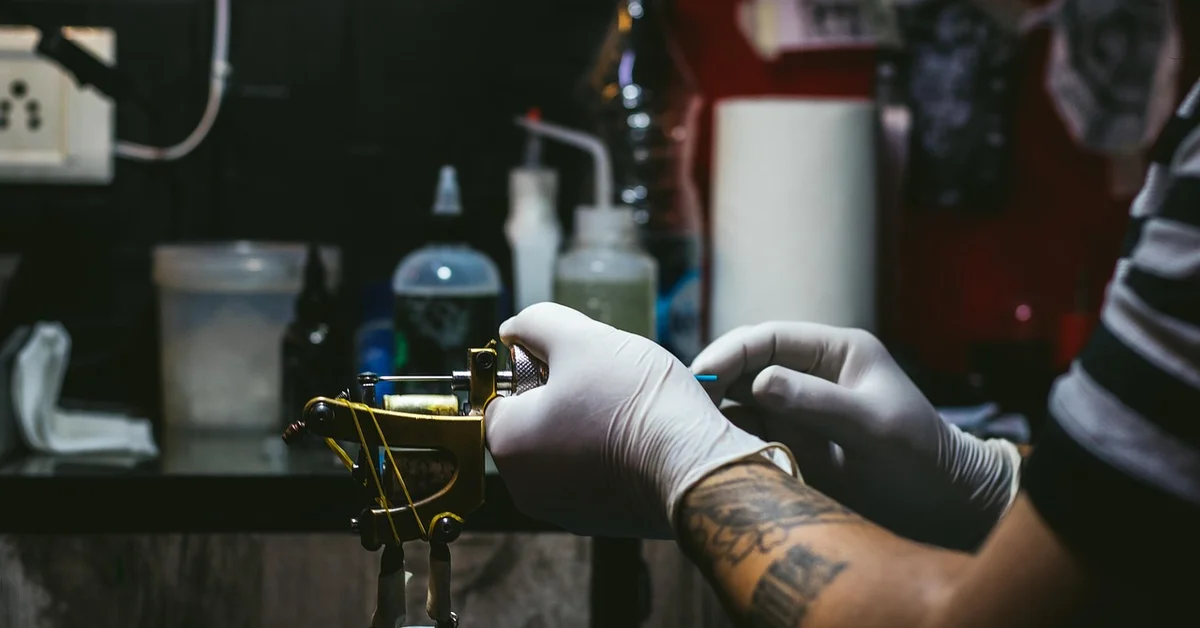
Before you book your first session, take a hard look at your tattoos through the lens of a hiring manager. I’ve seen many clients rush into removal only to realize a smaller, easily covered tattoo wasn’t the real issue. The primary goal is to eliminate any markings that cannot be concealed by a standard uniform or professional attire. For those heading into military service, this guide to tattoo removal can clarify branch-specific policies and timelines. Planning around enlistment and training windows helps ensure the removal aligns with clearance requirements.
Evaluate each tattoo’s position. Ink on the hands, neck, or face is an immediate red flag in conservative fields. A forearm piece might be hidden by a long-sleeved shirt, but consider the climate and uniform requirements of your target job. I once worked with an aspiring nurse in a hot state; her hospital’s short-sleeve scrubs made a lower arm tattoo a career blocker.
- Identify tattoos that breach standard professional dress codes.
- Prioritize removal of highly visible ink on hands, neck, face, and forearms.
- Consider if strategic clothing or makeup could be a temporary solution for some pieces.
- Remember that complete removal is a long process; plan which tattoos must go first.
Skin Health and Removal Risks
Your skin is the canvas, and its condition dictates the entire removal outcome. I always examine a client’s skin type, tone, and history before any laser fires. Fitzpatrick skin types IV-VI have a higher risk of hyperpigmentation or hypopigmentation, requiring a specialist with specific laser technology.
Be brutally honest about your skin’s health. Active tanning, sun damage, or a history of keloid scarring significantly complicates the process. I learned this the hard way with a tattoo on my own shoulder; a small patch of sun damage led to textural changes I now have to manage. A reputable clinic will perform a patch test to see how your skin reacts.
- Disclose any history of skin conditions, keloids, or poor wound healing to your technician.
- Avoid sun exposure and tanning beds for several weeks before and after each treatment.
- Understand that certain ink colors, like blues and greens, are more stubborn than black.
- Under no circumstances should you attempt DIY removal methods; they cause irreversible scarring and infection.
Navigating the Tattoo Removal Timeline and Recovery
Treatment Schedule and Session Planning
This is a marathon, not a sprint. Impatience is your worst enemy here. Laser removal works by shattering ink particles for your immune system to slowly clear away. Your body needs a minimum of 6 to 8 weeks between sessions to effectively process the fragmented ink and for your skin to heal properly.
Scheduling sessions too close together is a waste of money and increases scarring risk. I plan my clients’ sessions around their career application deadlines. For a goal that’s 18 months away, we can space sessions 10-12 weeks apart for optimal results with less skin stress. A typical professional tattoo requires 8-12 sessions, sometimes more.
- Consult with a removal specialist to map out a realistic timeline for your career goals.
- Book sessions spaced 8+ weeks apart to allow for full immune system response.
- Factor in seasonal breaks, like avoiding peak summer months if the tattoo is in a sunny area.
- Set a budget for the entire projected process, not just the first few sessions.
Healing, Aftercare, and Medical Clearance
How you care for your skin between sessions is just as critical as the laser treatment itself. The immediate aftermath looks and feels like a superficial burn. Meticulous aftercare is non-negotiable for preventing infection and promoting optimal fading.
You must keep the treated area clean, dry, and slathered in a high-SPF sunscreen. I tell my clients to treat it with the same care they would a serious wound. Blistering is common; do not pop the blisters. Let the skin heal naturally to avoid scarring. Wear loose, breathable clothing over the area.
- Gently clean the area with mild soap and water, then apply a recommended ointment.
- Use ice packs to manage swelling and discomfort for the first 48 hours.
- Avoid pools, hot tubs, and intense exercise that causes excessive sweating for at least one week.
- For medical or law enforcement roles, you may need a doctor’s note confirming the tattoo is removed or sufficiently faded for compliance. Plan for this final medical clearance.
Costs, Insurance, and Practical Logistics
Let’s talk numbers. The financial side of tattoo removal is often the biggest hurdle. You need to budget for this process like you would for any other significant career investment. I’ve seen too many people get halfway through and stall because of the cost. A tattoo removal cost estimate can be a powerful planning tool, helping you gauge how many sessions you might need and how to allocate resources. We’ll break down the main price drivers and typical ranges so you can budget confidently.
Breaking Down the Price of Professional Erasure
Laser tattoo removal is not cheap, but understanding the cost structure helps you plan. Most clinics charge per session, with the price heavily influenced by the tattoo’s size and body part.
- Small Tattoos (e.g., a ring, a small symbol): Typically range from $200 to $450 per session.
- Medium Tattoos (e.g., a hand-sized design): Can cost between $450 and $800 per session.
- Large Tattoos (e.g., a full sleeve or back piece): Often start at $800 and can go well over $1,500 per session.
Remember, you are not paying for one session. Full removal of a professional tattoo almost always requires a series of 6 to 12 sessions, sometimes more. I had a client with a dense black tribal piece on his forearm that took 14 sessions to fully clear for his police academy application. Progress is gradual and evaluated at each session, so you’ll notice incremental fading over time. Most people should expect a series of sessions, with the exact number depending on the tattoo and skin type.
What Influences Your Final Bill?
The final cost isn’t just about square inches. Several factors play a role:
- Ink Colors: Black and dark blue are the easiest and fastest to remove. Greens, yellows, and fluorescents are stubborn and may require specialized lasers, increasing cost and session count.
- Tattoo Age & Density: Older, faded tattoos can be easier to treat. Brand new, deeply packed ink is a tougher opponent.
- Your Skin Tone: Certain skin types require more careful laser settings and longer intervals between sessions to prevent pigmentation issues.
- Clinic Location and Expertise: A top-tier clinic in a major city will charge more than a basic one in a rural area. You are paying for experience and technology.
The Reality of Insurance Coverage
I need to be blunt with you here. Health insurance almost never covers cosmetic tattoo removal. They classify it as an elective procedure, much like plastic surgery. Do not bank on your provider footing the bill. If you still want to explore options, contact your insurer to confirm any exceptions or preauthorization requirements. In rare cases, coverage may be possible if the removal is deemed medically necessary, such as to address disfigurement from an accident or medical treatment.
The only potential, and I mean very slim, exception is if a tattoo is causing a documented medical issue like a severe allergic reaction or is directly impeding a medical device. Even then, getting approval is a battle.
Navigating the Practical Steps
Planning is everything. Here is your action plan.
- Consult First: Book consultations with 2-3 reputable clinics. Ask to see before-and-after photos of their work, specifically on tattoos similar to yours.
- Get a Written Estimate: Request a detailed breakdown of the total projected cost and number of sessions. A trustworthy clinic will provide this.
- Ask About Payment Plans: Many clinics offer financing options or package deals for a series of sessions. This can make the financial burden more manageable.
- Schedule Strategically: Sessions are typically spaced 6-8 weeks apart. Plan your start date so you have a clear runway before your career application deadline.
- Commit to Aftercare: Proper care between sessions dramatically affects your results and healing. Blistering and scabbing are normal. Follow your technician’s instructions to the letter to avoid infections that can derail your timeline.
Ethics, Policy Compliance, and Professional Branding
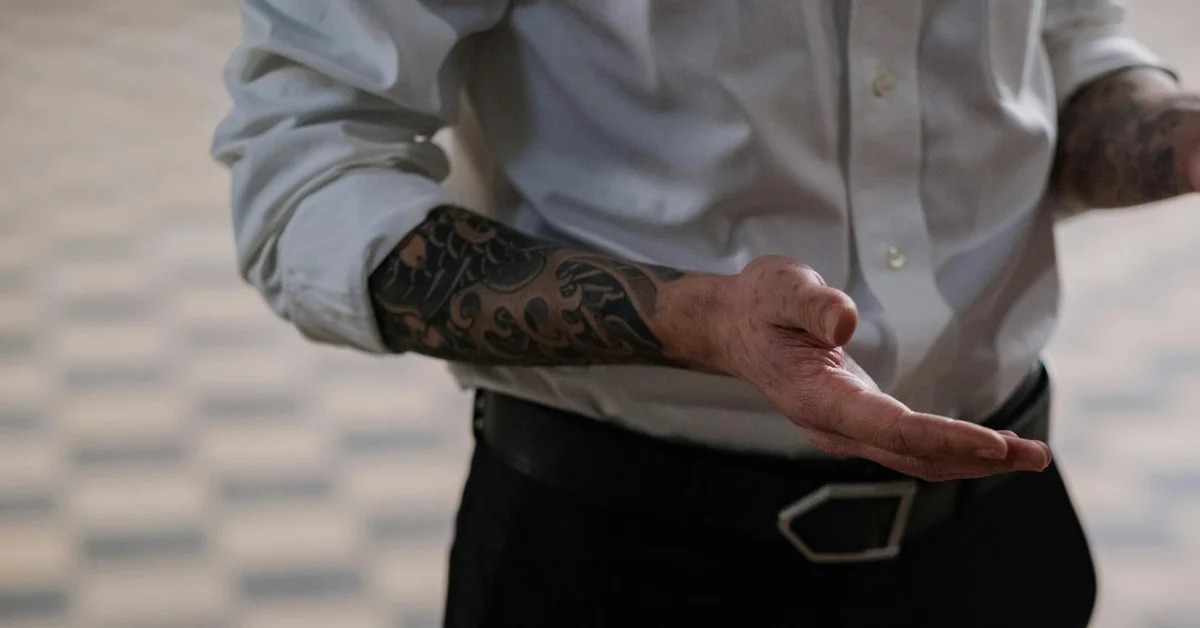
This goes deeper than just ink fading from your skin. Removing a tattoo for a career forces you to confront the space between personal expression and professional conformity. I’ve navigated this myself, removing a visible tattoo from my own hand to be taken more seriously in certain professional settings. This is part of my journey toward complete tattoo removal. It’s about aligning personal expression with the professional identity I want to present.
The Unspoken Rule of Professional Appearance
While society is more accepting, fields like healthcare and law enforcement still operate on a conservative standard. Visible tattoos can be perceived as unprofessional or can unconsciously bias a patient or superior against you. It’s not always fair, but it is a reality of these hierarchical environments.
I’ve worked with nurses who were told to cover full sleeve tattoos with long sleeves or bandages, even in sweltering hospital conditions. For them, removal was about comfort and personal autonomy, not just policy.
Deciphering Your Target Employer’s Policy
Do not assume you know the rules. You must research.
- Get the Policy in Writing: If possible, obtain the official dress code and appearance policy from the human resources department of the organization you’re targeting.
- Look for Specifics: Policies often specify “no visible tattoos” or may ban certain types of imagery (e.g., offensive, gang-related, or political content) regardless of location.
- When in Doubt, Inquire: If the policy is vague, a discreet call to HR can clarify. Frame it as a question about professional standards.
The Ethical Consideration of Erasure
Some of my clients struggle with the idea of “erasing a part of their history.” A tattoo can represent a person, a time, or a belief. Choosing removal for your career doesn’t invalidate your past; it represents a conscious choice to prioritize your future.
I view it not as deletion, but as a transformation. The experience and meaning the tattoo held for you remains. You are simply changing its physical presence to align with a new chapter. It is a powerful, personal decision.
Professional Branding and First Impressions
In high-stakes careers, your personal brand is critical. A clean, professional appearance helps you build immediate trust and credibility with patients, clients, and colleagues. It allows your skills, knowledge, and demeanor to be the focus, not your body art.
Think of it this way: you are curating your professional image to ensure there are no unnecessary barriers to your success. In an interview or a crisis situation, you want every advantage. A policy-compliant appearance removes one potential variable from the equation.
Frequently Asked Questions
What career opportunities are available in the tattoo removal industry?
The tattoo removal industry offers roles such as laser technician, clinic manager, and medical assistant, often requiring specialized training in laser operation and skin safety, with opportunities in medical spas, dermatology clinics, and dedicated removal centers. Anyone aiming to become a laser tattoo removal technician should consult this laser tattoo removal career guide for a clear roadmap: required certifications, hands-on training, and typical career progression. It also highlights salary expectations, job outlook, and practical tips for preparing for certification exams.
What are the typical job requirements for a tattoo removal specialist?
Job requirements typically include certification in laser technology, knowledge of skin anatomy, and hands-on experience, with many employers preferring backgrounds in healthcare or aesthetics to ensure proper client care and compliance with safety standards.
What is the average salary for a tattoo removal specialist?
Salaries vary by location and experience, but tattoo removal specialists can earn between $40,000 and $70,000 annually, with higher pay in urban areas or for those with advanced certifications and a strong client base.
Closing Words
Your career path in healthcare or law enforcement is worth the investment in professional tattoo removal. View this process not as an erasure of your past, but as a strategic step toward your professional future. If you’re pursuing a career in tattoo removal, a reputable guide can help. Certification can boost your job prospects in clinics and related fields. The right removal plan, executed by a skilled technician, is your most reliable tool for meeting those strict appearance standards.
Do not gamble with DIY methods or delay consultation. Start the conversation with a removal expert now; the time required for fading is your most critical resource. I have seen countless clients achieve their career goals after clearing their skin, and you can too.
Further Reading & Sources
- A model for sustainable laser tattoo removal services for adult probationers – PubMed
- Laser Tattoo Removal State Regulations | New Look Laser College
Ink Fade Lab is your trusted source for tattoo removal insights, combining expert knowledge with compassionate care to help you make informed decisions about your tattoo journey. Based on years of experience in the tattoo removal industry, we are dedicated to providing accurate, up-to-date information to support your choices.
Preparing for Removal