The Journey to Complete Tattoo Removal
Published on: January 8, 2026 | Last Updated: January 8, 2026
Written By: Ashita no Joe
Does a tattoo you once loved now feel like a permanent mistake? That feeling of regret is more common than you might think, and I know it firsthand from my own skin and the countless clients I’ve helped. You’re not stuck with it forever.
This guide walks you through the entire process, from your first consultation to your final clear-skinned session. You will learn exactly how modern removal technology works, what to realistically expect for your specific tattoo, and how to navigate the entire process with confidence.
Quick Checklist: Your Tattoo Removal Roadmap
Follow this straightforward plan to navigate your removal journey with confidence.
- Schedule a Professional Consultation: This is your first and most critical step. A reputable technician will assess your tattoo’s age, ink colors, and your skin type to set realistic expectations.
- Request a Test Spot: Before committing to a full session, ask for a small, discreet test patch. This allows you to see how your skin and the ink react to the laser, helping to prevent adverse effects.
- Space Your Sessions Appropriately: Do not rush the process. You must wait 6 to 8 weeks between appointments. This gives your body’s immune system the necessary time to flush away the shattered ink particles.
- Commit to Meticulous Aftercare: Treat the treated area like a fresh wound. Keep it clean, apply the recommended ointment, and protect it from the sun. Proper aftercare directly influences your final results.
- Practice Patience and Consistency: Complete removal takes multiple sessions over many months, sometimes years. Stick to your scheduled plan for the best outcome.
Understanding How Tattoo Removal Works
The Science Behind Breaking Down Ink
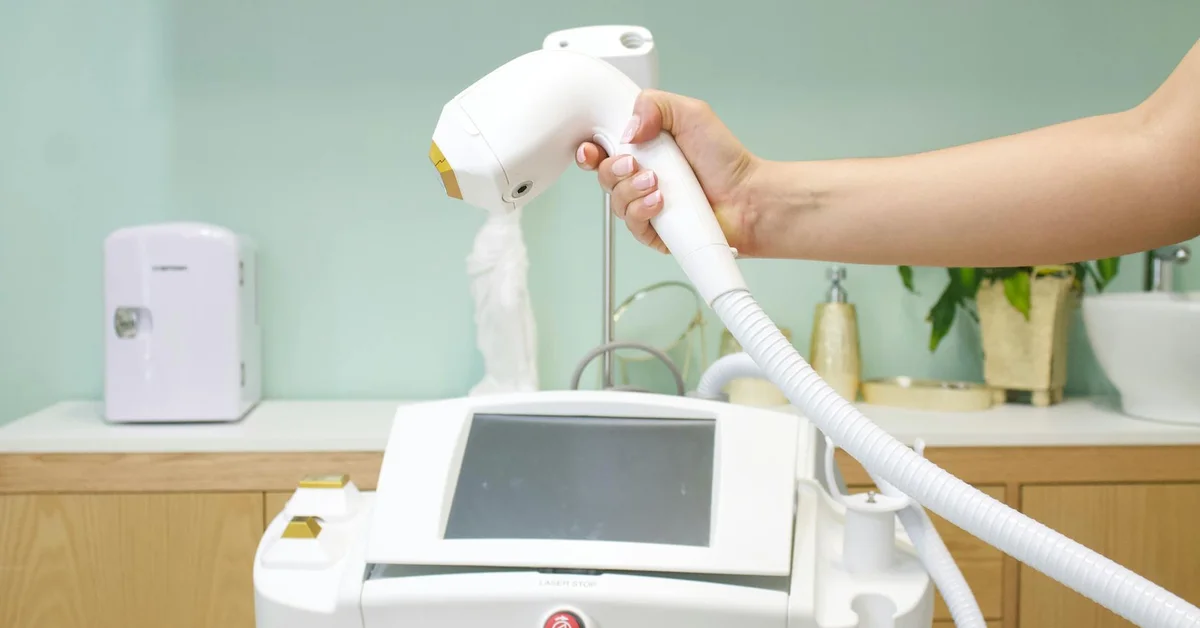
Think of a laser not as a magic eraser, but as an ultra-precise targeting system. The laser emits a specific wavelength of light that passes harmlessly through your skin. This light energy is designed to seek out and be absorbed by the tattoo pigment, which acts like a magnet for the beam.
When the ink particles rapidly absorb this intense energy, they heat up and shatter into tiny fragments. I’ve watched this process through a high-speed camera, and it’s a spectacular microscopic explosion. Your body then recognizes these tiny pieces as foreign invaders. Your immune system’s cleanup crew-white blood cells-slowly and naturally carries these fragments away over the following weeks.
Common Laser Types for Different Ink Colors
Not all lasers are created equal, and the color of your tattoo dictates the tool we use. The two main workhorses in the industry are Q-switched and picosecond lasers. Picosecond lasers are the newer technology, delivering energy in trillionths of a second, which often leads to fewer sessions. However, a high-quality Q-switched laser is still incredibly effective, especially for standard black ink. In choosing the best laser for a given tattoo, clinics often compare pico vs q-switched to see which approach will yield the fastest, clearest results. Generally, picosecond lasers excel on colorful inks, while Q-switched lasers remain a reliable option for black and dense pigments.
The key difference lies in the wavelength of light, as different colors absorb different wavelengths. Black and dark blue ink absorb all laser wavelengths, making them the easiest and fastest to remove. Lighter colors like green, red, and yellow are more challenging and require very specific lasers to target them effectively.
| Laser Type | Best For Ink Colors | How It Works |
|---|---|---|
| Q-Switched Nd:YAG | Black, Dark Blue, Purple | Emits a 1064nm wavelength that is highly absorbed by dark pigments. |
| Q-Switched Alexandrite | Green, Blue, Black | Uses a 755nm wavelength, making it superior for tackling stubborn green ink. |
| Picosecond | All Colors, Especially Stubborn Blues & Greens | Ultra-short pulse duration shatters ink more efficiently, often requiring fewer treatments. |
Are You a Good Candidate for Tattoo Removal?
Factors That Affect Your Results
Not every tattoo is created equal, and neither is every person’s skin. Your body’s unique biology plays the single biggest role in how effectively a tattoo can be removed. I’ve seen clients with nearly identical tattoos get wildly different results, and it almost always comes down to a few key factors.
- Skin Type: Lighter skin with less melanin allows the laser to target the ink pigment more directly. Darker skin tones require more specialized lasers and a highly experienced technician to avoid affecting the surrounding skin pigment.
- Tattoo Age: Older tattoos, especially those that have seen a lot of sun, are often easier to remove. The body has already started to naturally break down the ink particles over the years.
- Ink Density and Colors: Professional black ink is the easiest for lasers to shatter. Amateur tattoos can sometimes be removed faster because the ink is deposited more shallowly. Blues and greens are stubborn, while reds and yellows can be the most challenging to eliminate completely.
Certain conditions can significantly hinder clearance. If you have a history of keloid scarring, the laser process can potentially trigger a similar response. Active skin infections, autoimmune disorders affecting the skin, and a compromised immune system are all reasons to proceed with extreme caution or reconsider removal altogether.
When to Consider a Cover-Up Instead
Full removal isn’t the only path forward. I often advise clients to have an honest conversation with themselves about their ultimate goal. Is it truly blank skin, or is it simply a better tattoo? I’ve had a few pieces lasered just enough to lighten them for a spectacular cover-up, which can be a smarter, faster solution. Role fading tattoo removal is a related approach that lightens ink progressively to prepare for a cover-up or a softer finish. It’s another option when full removal isn’t the goal.
- Cover-Up Pros: Fewer sessions, often lower overall cost, and you get a new piece of art you love.
- Cover-Up Cons: You are limited by the existing tattoo’s shape and density. The new design must be larger and darker to effectively mask the old one.
This is a deeply personal decision.
If your original tattoo is a source of bad memories, complete removal might be the only thing that brings you peace.
If you just think the art is poorly done, a cover-up could be your perfect answer.
The Step-by-Step Tattoo Removal Process
Step 1: Initial Consultation and Assessment
This first meeting is the most important one. A reputable clinic will spend significant time evaluating your skin and your tattoo under a magnifying lens. We discuss your goals, your health history, and take photos. I give a frank assessment of what’s achievable and provide a cost estimate. There should be no pressure, only information.
Step 2: Test Spot and Pain Management
Before committing to a full session, we often zap a small, discreet area of the tattoo. The test spot tells us how your skin and the ink will react to the specific laser wavelength. As for pain, it’s a sharp, snapping sensation, like hot bacon grease splattering on your skin. It’s different from the dull buzz of a tattoo gun. We use powerful topical numbing creams applied an hour before your appointment, which takes the edge off significantly.
Step 3: Laser Sessions and What to Expect
A typical session is surprisingly quick, often just a few minutes for a small tattoo. You’ll wear protective goggles, and I’ll pass the laser handpiece over your skin. You’ll hear a loud snap with each pulse and likely smell the faint, acrid scent of vaporizing ink. Immediately after, the skin turns white and puffy-a normal reaction called “frosting”-which subsides within an hour.
Step 4: Healing and Between-Session Care
How you care for your skin between appointments directly impacts your final results. Neglecting aftercare is the fastest way to waste your money and risk complications. Your body needs time to flush out the fragmented ink particles.
- Apply an ice pack for 15-minute intervals to reduce swelling.
- Keep the area clean and apply a thin layer of antibiotic ointment.
- Protect the treated skin from the sun like your fading depends on it-because it does. Any tanning can make future sessions less effective and increase scarring risk.
Timeline and Realistic Expectations
How Many Sessions Until Clearance?
Patience is not just a virtue here; it’s a requirement. Complete removal is a marathon, not a sprint, typically requiring 8 to 12 sessions or more. Your body needs 6 to 8 weeks between each session to fully process the broken-down ink. Rushing this interval is counterproductive.
- Sessions 1-3: You’ll see the first noticeable lightening. Dark lines may break up.
- Sessions 4-8: Significant fading occurs. The tattoo becomes patchy and much lighter.
- Sessions 9+: The final stages target the most stubborn, deep-set pigment for full clearance.
Phases of Fading and Skin Recovery
The fading doesn’t happen all at once. You’ll watch your tattoo disappear in waves, not in a single session. Right after a treatment, the area is red and tender. Over the next few weeks, the ink will appear lighter as your immune system’s cleanup crew—the macrophages—carry it away. I’ve had tattoos on myself where I saw no change for two sessions, then suddenly, in the third week after the third session, it looked like someone had taken an eraser to it. Trusting this slow, natural process is the hardest part of the journey. Progress is typically assessed session by session, with changes often occurring between visits. Some people notice a clearer fade after a few sessions.
Managing Costs and Clinic Selection
Breaking Down Tattoo Removal Pricing
The price for getting a tattoo erased isn’t a single flat fee. Your final cost is a direct result of several key factors that clinics use to build your treatment plan. In a laser tattoo removal cost guide, you’ll find a breakdown of these factors and typical ballpark ranges. It can help you budget and compare clinics. I’ve seen bills range from a couple hundred to several thousand dollars over a full course of treatments.
- Size and Density: A small, simple line tattoo costs far less than a large, solid black tribal piece. More ink and more skin area mean more laser work and time.
- Ink Colors: Professional lasers target specific ink pigments. Black and dark blue are the easiest and fastest to remove. Stubborn colors like green, yellow, and pastels require specialized lasers and many more sessions, driving up the price.
- Clinic and Location: A high-end clinic in a major city will charge more than a smaller practice in a suburban area. You are paying for their overhead, advanced equipment, and expert staff.
- Number of Sessions: This is the biggest variable. Most tattoos need 6-12 sessions, spaced 6-8 weeks apart. A complex tattoo could require 15 or more.
Always ask the clinic about their payment structure. Many places offer package deals for a set number of sessions, which can save you money in the long run. Do not be shy about asking direct questions about financing options or payment plans. A reputable clinic will be transparent and may partner with medical credit companies to make the process more affordable for you.
Choosing a Safe and Professional Clinic
Selecting where to get your tattoo removed is as critical as choosing where to get it done. Your skin’s health is on the line. I’ve turned away clients who came to me with burns from other places, and it’s a heartbreaking situation to fix. For those with sensitive skin, the removal plan and aftercare are crucial. We tailor every treatment to skin type to minimize irritation and support safe healing.
Look for these green flags in a quality clinic:
- Board-certified professionals or highly trained technicians with specific laser removal credentials.
- A consultation that feels like a medical appointment, not a sales pitch.
- An extensive portfolio of real before-and-after photos of their own work.
- They use modern, well-maintained Q-switched or Picosecond lasers.
- They openly discuss risks, aftercare, and realistic expectations.
Be wary of these major red flags:
- Pressure to book immediately or offers that seem too good to be true.
- Vague answers about their training, laser types, or experience.
- No portfolio or one that uses generic stock photos.
- A dirty or disorganized treatment room.
- They guarantee 100% removal in a specific number of sessions.
Your skin deserves the same level of professional care for removal as it received during the tattooing process.
Risks and How to Minimize Side Effects

Common Side Effects and Scarring Risks
Laser tattoo removal is a controlled injury to your skin. Some immediate side effects are completely normal and a sign the treatment is working. You can expect temporary redness, swelling, and mild pinpoint bleeding for the first few days. The skin often feels like a mild sunburn. After the first session, the area will continue to heal over the next week or so, and you may notice the tattoo fading gradually as the skin recovers. Your clinician will guide you on aftercare to support healing and optimal results.
More intense but common reactions include:
- Blisters and Crusting: Your body pushes out shattered ink particles, which can cause blisters. Do not pop them; let them heal naturally to prevent infection and scarring.
- Hypopigmentation: The laser can temporarily stun the melanin-producing cells, causing lightened patches on the skin. This is more common in darker skin tones and usually resolves over several months.
- Hyperpigmentation: The skin can react by producing excess melanin, creating dark spots. This often fades with time and strict sun protection.
To drastically minimize these risks and prevent permanent scarring, follow your aftercare instructions religiously. Keeping the area clean, applying a recommended ointment, and avoiding sun exposure are non-negotiable steps for healthy healing. I tell my clients that their aftercare discipline is 50% of the final result.
Why DIY Methods Are Dangerous
I understand the temptation to try a cheap, at-home solution. You see videos online and think, “I can do that.” Trust me, from what I’ve seen walk into my studio, you cannot. DIY tattoo removal methods are a direct path to permanent skin damage, horrific scarring, and serious infections. That’s why I urge people to think twice about DIY attempts. Home removal methods can spiral into permanent damage far beyond what you bargained for.
Let’s be brutally honest about what these methods really do:
- Salabrasion or Salt Scrubbing: This is literally sanding your skin down to the dermis. It causes deep, uneven scarring and introduces bacteria directly into an open wound.
- Acid-Based Creams: These chemicals burn the skin. They cannot distinguish between ink and your healthy tissue, leading to chemical burns and pitted scars.
- Injection or Cutting Methods: Attempting to cut out a tattoo or inject substances to “dissolve” the ink is incredibly dangerous. It can cause nerve damage, severe bleeding, and systemic infection.
The laser works by passing light harmlessly through your top skin layers to shatter the ink beneath it. Home remedies destroy the surface to haphazardly attack what’s below. There is no safe way to perform a medical-grade procedure on yourself in your bathroom. The cost of fixing a DIY disaster is always infinitely higher than the cost of professional removal from the start.
Frequently Asked Questions
Is removing a tattoo from the face more challenging than other areas?
Yes, facial tattoo removal can be more complex due to the thinner, more sensitive skin and higher concentration of blood vessels, which may lead to increased swelling and a longer healing time. Additionally, because the face is always visible, any temporary side effects like redness or blistering are more noticeable, so it’s crucial to choose an experienced technician who can adjust laser settings and aftercare advice to minimize risks and ensure optimal results. After removal is complete, continuing a gentle skin care after tattoo removal helps support the final healing process. Use mild cleansers, keep the area moisturized as advised, and protect it from sun exposure to prevent fading or scarring.
What can I learn from tattoo removal journeys shared on Reddit?
Browsing Reddit communities can provide valuable real-world insights, such as personal timelines, pain management tips, and clinic recommendations, but remember that individual experiences vary widely. It’s important to use these stories as a supplement to professional advice rather than a guide, as misinformation about DIY methods or unrealistic expectations can spread easily, so always verify any tips with a certified removal specialist.
Are there special considerations for older adults, like in a “dad’s tattoo removal journey”?
Older adults may experience slower healing and skin that is less elastic, which can affect the tattoo removal process and require longer intervals between sessions. However, age alone doesn’t prevent successful removal; factors like overall health and tattoo age play a bigger role, so a thorough consultation can help tailor the plan to ensure safety and effectiveness, much like in any personalized journey.
Closing Words
Removing a tattoo is a journey of patience, not a quick sprint. Your skin needs time to heal between sessions, and the final result is worth the disciplined wait. Trust the process and the professional guiding you. In this tattoo removal process explained, we’ll outline what happens during treatment and why patience is essential. From consultation to aftercare, you’ll know what to expect.
Your safest path to clear skin will always be a qualified removal expert. I’ve seen the damage DIY attempts can cause, and it simply isn’t worth the risk. Invest in your skin’s future; you’ll be glad you did.
Further Reading & Sources
- The Complete Tattoo Removal Package | Removery
- Tattoo Removal: How It Works, Process, Healing & Scarring
Ink Fade Lab is your trusted source for tattoo removal insights, combining expert knowledge with compassionate care to help you make informed decisions about your tattoo journey. Based on years of experience in the tattoo removal industry, we are dedicated to providing accurate, up-to-date information to support your choices.
Laser Tattoo Removal