
Black Ink Tattoo Removal on Dark Skin: Your Complete Guide
Published on: March 14, 2026 | Last Updated: March 14, 2026
Written By: Ashita no Joe
Are you living with a black ink tattoo on your dark skin that no longer fits your life, wondering if safe removal is even an option? I have personally navigated this journey with my own tattoos and clients, and this guide delivers a clear, actionable plan to address your concerns and achieve clean results.
We will break down the science behind effective removal methods specifically for melanin-rich skin. You will learn how to minimize risks like hyperpigmentation based on real-world experience. This article provides a full roadmap from choosing a provider to mastering your aftercare routine.
Why Dark Skin Requires Special Consideration in Tattoo Removal
Your skin’s natural melanin is the central character in this story, and it directly competes with your tattoo ink for the laser’s attention. Melanin absorbs laser light, which means your skin pigment and your tattoo ink are both targets during a removal session. I’ve seen firsthand how this competition can lead to complications if not managed with extreme care.
This creates a higher risk of permanent pigment changes, either hyperpigmentation (darkening) or hypopigmentation (lightening). Your skin’s beautiful, natural color is an asset, but in removal, it demands respect. The goal is to shatter the tattoo ink without overheating and damaging the melanin in your surrounding skin. After laser treatment, ink oxidation can cause some pigments to darken, a tattoo darkening effect that can occur despite careful technique. This ink oxidation tattoo darkening risk varies with ink colors and laser settings, underscoring the value of experienced providers and tailored aftercare.
Fitzpatrick Scale Types IV-VI and Melanin Considerations
Dermatologists use the Fitzpatrick scale to classify skin types based on their response to UV light. For tattoo removal, we focus on types IV, V, and VI.
- Type IV: Olive or light brown skin. Tans easily, burns minimally.
- Type V: Dark brown skin. Rarely burns, tans very easily.
- Type VI: Deeply pigmented dark brown to black skin. Never burns.
The higher your Fitzpatrick type, the more melanin you have, and the more specialized your laser treatment needs to be. I always conduct a thorough skin assessment before any procedure. Assuming all skin is the same is the fastest path to poor results.
Why Black Ink Interacts Differently with Laser on Dark Skin
Black ink is the easiest color to remove because it absorbs all laser wavelengths. On darker skin, this becomes a double-edged sword. The laser energy is drawn to both the black tattoo pigment and the skin’s melanin. Using the wrong laser wavelength is like using a flamethrower to light a candle; you’ll destroy the surroundings along with the target. We must use a wavelength that can penetrate deep enough to reach the ink while being less attracted to the melanin in your epidermis.
Laser Treatment Options for Black Ink on Dark Skin
Not all lasers are created equal, especially for this delicate work. The technology has advanced significantly, giving us precise tools for the job.
Comparing Q-Switched and Nd:YAG Laser Wavelengths
The Q-switched laser is the industry standard for tattoo removal. It emits extremely short, powerful pulses of light that shatter ink particles. Within this category, the specific wavelength is what matters most for you.
- 1064 nm Nd:YAG Laser: This is the gold standard for darker skin tones. It has a longer wavelength that bypasses much of the melanin in the upper skin layers to target the deeper tattoo ink.
- 755 nm Alexandrite Laser: This wavelength is highly absorbed by melanin. I strictly avoid the 755 nm wavelength on my clients with darker skin because it poses a significant risk of burning and blistering.
- 532 nm KTP Laser: This shorter wavelength is excellent for red and yellow inks but is dangerously absorbed by melanin. It is not suitable for dark skin tattoo removal.
Why 1064 nm is Preferred for Pigment Reduction
The 1064 nm wavelength from an Nd:YAG laser is your best friend in this process. Its longer wavelength allows it to travel deeper into your dermis, where the tattoo ink resides, with minimal interference from the melanin-rich epidermis. This targeted approach is the key to effective ink removal while preserving your natural skin pigment. In my own practice, the 1064 nm setting is the one I use almost exclusively for clients with skin types IV and above. Black ink responds particularly well to this wavelength, enabling efficient removal with minimal epidermal damage. For this reason, a 1064 nm Nd:YAG laser is a go-to choice for black tattoo removal across skin types.
Key Laser Settings and Cooling Methods Used
Technology is only half the battle. The skill of the technician lies in adjusting the laser’s settings for your unique skin.
- Fluence (Energy): We use lower fluence settings initially to see how your skin reacts. We can gradually increase it over sessions.
- Spot Size: A larger spot size allows the laser energy to penetrate deeper with less scattering, which is more effective.
- Pulse Duration: The ultra-short pulse of a Q-switched laser is non-negotiable for breaking up ink particles efficiently.
Aggressive cooling is non-negotiable. We use cryogen sprays or chilled air systems right before, during, and after the laser pulse. This cooling protects your epidermis from thermal injury, drastically reducing the risk of blistering and pigment changes. It makes the procedure more comfortable and your results safer.
Risks and Side Effects Specific to Dark Skin
Your skin’s higher melanin content requires a specialized approach to tattoo removal. Melanin absorbs laser energy just like tattoo ink, which creates unique challenges and risks you must take seriously. I’ve seen clients rush into treatments without this knowledge and face consequences that take months to correct. This is especially critical when trying to treat pigmentation issues with laser tattoo removal.
Understanding Pigment Changes
Pigment alteration is the most common side effect on darker skin tones. Hyperpigmentation is when the skin gets darker in the treated area, while hypopigmentation is when it loses pigment and becomes lighter. Both result from the laser’s interaction with melanin.
- Hyperpigmentation often occurs as an inflammatory response
- Hypopigmentation can be temporary or permanent
- Fitzpatrick skin types IV-VI face higher risks
Several factors increase your likelihood of experiencing these side effects. Using the wrong laser wavelength, aggressive treatment settings, or inadequate cooling can trigger permanent pigment changes. From my experience, practitioners who lack specific experience with darker skin often cause these issues by using protocols designed for lighter complexions.
- Recent sun exposure or tanning
- Certain medications that increase photosensitivity
- History of keloid scarring or skin conditions
- Inappropriate laser technology for your skin type
Minimizing Scarring and Complications
Scarring risk is real but manageable with proper protocols. I always tell my clients that prevention begins with choosing an experienced practitioner who regularly works with darker skin. The technician’s skill matters more than the laser itself when it comes to avoiding scars.
Proper aftercare is non-negotiable for preventing complications. Treat your healing skin like precious fabric that needs gentle care and protection.
- Clean the area twice daily with mild soap and pat dry
- Apply a thin layer of recommended ointment
- Keep the area covered with a sterile dressing initially
- Avoid picking, scratching, or rubbing the treatment area
DIY removal methods almost always lead to disaster on dark skin. I’ve treated clients who tried salt scrubs, chemical peels, and even amateur laser devices with devastating results. The exceptions are extremely limited – only gentle fading creams containing hydroquinone or kojic acid might be considered, and even these require medical supervision.
The Tattoo Removal Process Step by Step
Understanding the complete process helps manage expectations and reduces anxiety. Removing black ink from dark skin requires patience and precision at every stage. My own tattoo removal took nearly two years, teaching me the value of realistic timelines. Tattoo removal typically progresses through clear stages—consultation, treatment sessions, and healing between sessions. Recognizing these stages helps set expectations and plan for the journey ahead.
Pre-Procedure Preparation
Your preparation directly impacts your results and safety. Proper pre-care creates optimal conditions for effective treatment with minimal side effects. I recommend starting these steps at least two weeks before your first session.
- Avoid direct sun exposure and tanning beds completely
- Stop using retinoids or hydroxy acids on the treatment area
- Discontinue blood-thinning medications after physician approval
- Hydrate well and maintain healthy skin with gentle moisturizers
- Shave the treatment area if needed, but avoid irritation
During the Laser Session
A typical session lasts between 10-30 minutes depending on tattoo size. The sensation feels like hot bacon grease splattering on your skin, followed by immediate cooling. Modern lasers incorporate cryogen cooling that sprays cold air right before the pulse to protect your skin.
The technician will test various energy settings to find what works for your skin. They use specific wavelengths like Nd:YAG that bypass melanin to target ink directly. This precision prevents surface skin damage while breaking up pigment beneath.
Realistic expectations prevent disappointment. Black ink on dark skin typically requires 8-12 sessions spaced 8-12 weeks apart. The long intervals allow your skin to heal completely and your immune system to clear ink particles gradually.
Aftercare and Healing for Dark Skin
Your behavior after treatment determines your final results. Immediate aftercare focuses on reducing inflammation and preventing infection. The first 48 hours are most critical for setting your healing trajectory.
Apply ice packs intermittently for the first day to control swelling and discomfort. Keep the area elevated when possible. You’ll notice redness, swelling, and possibly slight bruising – these are normal responses. What you want to watch for is excessive pain, pus, or spreading redness that might indicate infection.
Long-term care protects your investment in the removal process. Sun protection becomes your religion throughout the entire removal journey. I recommend physical sunblocks with zinc oxide that provide immediate protection without chemical absorption.
- Apply broad-spectrum SPF 50+ daily, even through clothing
- Use fragrance-free moisturizers to maintain skin barrier function
- Wear protective clothing when spending extended time outdoors
- Reapply sunscreen every two hours during sun exposure
Proper healing shows specific signs you should recognize. Your skin should feel slightly tender but not painfully raw after the first week. The treated area will form a slight crust that naturally exfoliates over 1-2 weeks. Normal healing includes mild itching as new skin forms – resist scratching at all costs.
Alternative Tattoo Removal Methods
While laser is the gold standard, a few other paths exist for removing unwanted ink. Each alternative carries a unique set of risks and rewards that you must weigh carefully.
Surgical Excision
This is a straightforward, one-and-done procedure where a surgeon cuts the tattoo out of your skin and stitches the area closed. Surgical excision guarantees the tattoo is gone, but it trades ink for a permanent, linear scar. I’ve only recommended this for very small tattoos where a thin scar is a preferable outcome to more laser sessions. This is one option within the broader tattoo removal process explained. Understanding each method helps you weigh the trade-offs.
Saline Tattoo Removal
Sometimes called “non-laser removal,” this technique involves tattooing a saline solution into the skin to help pull the ink to the surface. Saline removal is generally considered gentler on melanin-rich skin because it doesn’t target pigment with intense light. The process is much slower than laser, requiring many more sessions, and complete removal is rare. It often works best for lightening a tattoo in preparation for a cover-up. It’s important to understand the limitations and benefits of non-laser tattoo removal methods before committing to them.
Tattoo Removal Creams
Let me be direct: I do not recommend these. Over-the-counter tattoo removal creams are ineffective at best and can cause severe skin damage at worst. This is part of a critical review of popular tattoo removal creams on the market today. They work by attempting to fade the top layers of skin, which can lead to burns, scarring, and permanent skin discoloration, especially on darker complexions. The ink particles are too deep for a surface cream to reach.
Cover-Up Tattoos
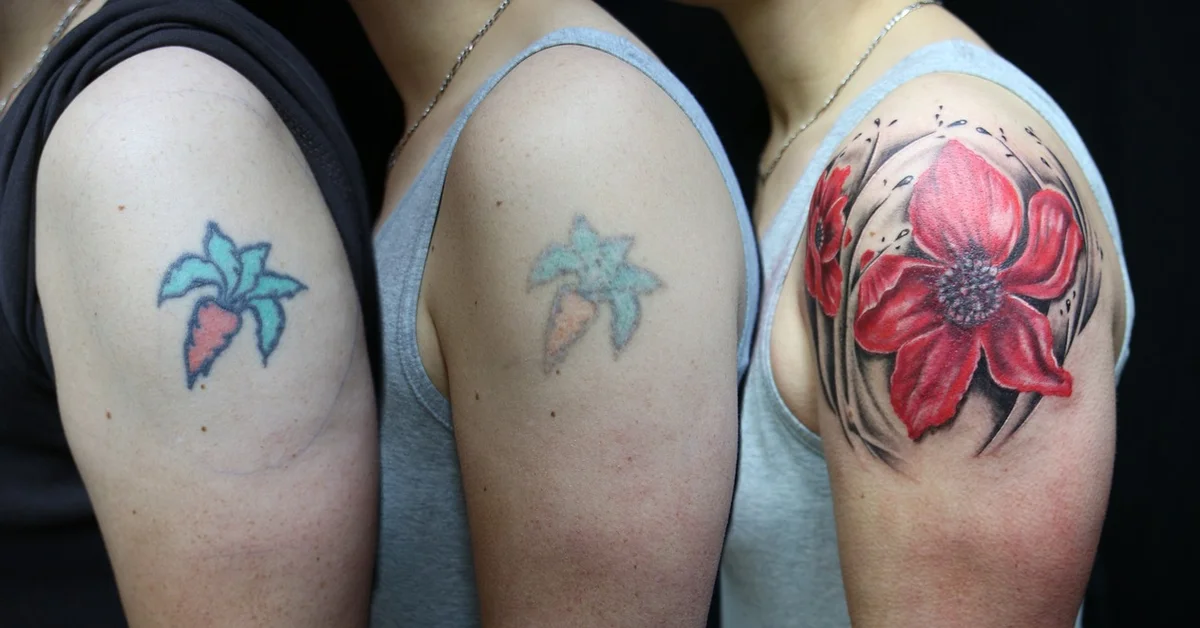
This isn’t removal, but it’s a powerful alternative. A skilled artist can design a new tattoo to mask the old one. A successful cover-up requires an artist who specializes in this work and understands how to design around existing shapes and densities. Often, a few laser sessions to lighten the original tattoo will open up your design options immensely, preventing the new tattoo from looking dark and muddy.
Finding the Right Specialist for Your Skin Type

Your results and safety depend entirely on the professional you choose. Not all clinics are created equal, and your dark skin requires a specialist, not a generalist.
Credentials Are Non-Negotiable
You must look for a licensed medical professional. This means a board-certified dermatologist or a highly trained technician working under direct medical supervision. Your skin’s health is paramount, and a medical background is your first line of defense against complications like hypopigmentation. I would never let a technician without proven experience with darker skin tones work on me or my clients.
Mastering the Search
Typing “tattoo ink removal near me” is just the start. You need to refine that search. Use specific phrases like “tattoo removal for dark skin” or “PicoSure for melanin-rich skin” to filter for clinics that advertise this expertise. Then, dig deeper. Read reviews on multiple platforms and pay close attention to comments from other people of color. A tattoo removal clinic guide can help you compare providers, costs, and technology for melanin-rich skin. It can also provide a checklist of questions to ask during consultations.
The Portfolio Tells the Truth
Any reputable clinic will have a portfolio of their work. You must insist on seeing clear, high-quality before-and-after photos of clients with a skin tone similar to yours. Look for consistent, even fading and an absence of white spots or textural changes. If a clinic cannot provide this evidence, walk away. Your skin deserves a proven track record.
Consultation is Your Final Test
Book a consultation before committing to anything. Come prepared with direct questions about their experience with your skin type, the laser technology they use, and their specific protocol for preventing side effects. Trust your gut. You should feel confident in their knowledge and comfortable with their approach. This is a partnership, and you have the right to be choosey.
Frequently Asked Questions
Can tattoo removal creams safely remove black ink from dark skin?
Tattoo removal creams are not recommended for dark skin, as they work by fading the surface layers and can cause severe hyperpigmentation, scarring, or burns due to their inability to target deep ink particles without damaging melanin-rich skin.
How can I remove tattoo ink stains from clothing?
For tattoo ink on clothes, act quickly by dabbing the stain with rubbing alcohol or a specialized ink remover, then launder as usual; always test on a hidden area first to prevent fabric damage or discoloration.
What does ‘tattoo ink removal near me’ mean for someone with dark skin?
Searching ‘tattoo ink removal near me’ should lead you to clinics with proven expertise in dark skin, using lasers like Nd:YAG and providing before-and-after photos of clients with similar tones to ensure safe, effective treatment.
Closing Words
Removing black ink from dark skin is a highly achievable process when you place your trust in a qualified professional using the right laser technology. Your skin’s safety and the final clarity of the result depend entirely on this expert pairing. The journey requires patience and a series of sessions, but a clean removal is the proven outcome.
Do not compromise on aftercare or be tempted by shortcuts. A successful fade relies on meticulous post-treatment care and managing your expectations for a gradual, healthy process. Your skin is a canvas that deserves the utmost respect and the most advanced care available.
Further Reading & Sources
- r/TattooRemoval on Reddit: Tattoo Removal possible for Dark/Black skin?
- Tattoo Removal on Dark Skin: A Comprehensive Guide
Ink Fade Lab is your trusted source for tattoo removal insights, combining expert knowledge with compassionate care to help you make informed decisions about your tattoo journey. Based on years of experience in the tattoo removal industry, we are dedicated to providing accurate, up-to-date information to support your choices.
Removing Tattoos on Dark Skin