
Is Tattoo Removal Worth It? A Cost-Benefit Analysis
Published on: December 14, 2025 | Last Updated: December 14, 2025
Written By: Ashita no Joe
Staring at a tattoo that no longer fits your life, wondering if you’re stuck with it forever? That feeling of regret is something we’ve seen countless times, and it’s more common than you think.
This guide breaks down the real price of tattoo removal-not just the financial cost, but the physical and emotional investment too. We will cover the complete financial breakdown, compare the discomfort to getting tattooed, and give you a realistic timeline for seeing results you can live with.
The True Cost of Tattoo Removal
Many people see a price per session and think that’s the full story. It’s not. You must calculate the total investment, which is the session price multiplied by the number of sessions you’ll likely need. A cheap per-session rate can be misleading if your tattoo requires double the treatments.
What You’re Actually Paying For
- Price Per Session: This can range from $200 to over $500. The base price covers the technician’s time, the facility, and basic supplies.
- Number of Sessions: Most tattoos need 6 to 12 sessions, spaced 6 to 8 weeks apart. This timeline is non-negotiable for your skin to heal.
- Total Cost: Do the math. A $300 session over 8 treatments is a $2,400 commitment. This is the number you need to budget for.
Factors That Drive the Price Up
Not all tattoos are created equal, and your bill reflects that. The size of your tattoo is the single biggest price determinant, often calculated per square inch. I’ve charged (and paid) based on whether a piece was the size of a quarter or a dinner plate.
- Size & Complexity: Larger, denser tattoos with more ink take longer to break up. Simple linework is always cheaper than a solid black tribal piece.
- Ink Colors: Black and dark blue inks absorb laser light most effectively. Stubborn colors like green, yellow, and light blue often require more advanced, expensive lasers and extra sessions.
- Body Location: Tattoos on areas with poor circulation, like ankles and feet, fade slower than those on the torso or arms. This can mean more sessions.
- Your Skin Tone: Advanced lasers are needed for darker skin tones to safely avoid pigmentation changes, which can increase cost.
How to Afford the Process
Staring at a potential multi-thousand dollar price tag is daunting. Many reputable clinics offer payment plans or work with medical financing companies, breaking the total cost into manageable monthly payments. I always recommend this over putting it on a high-interest credit card.
- Ask about package deals for a set number of sessions; this can lock in a lower per-session rate.
- Start a dedicated savings fund. Even setting aside $100 a month gets you closer to your goal.
- Prioritize your removals. If you have multiple tattoos, start with the one that bothers you most.
Effectiveness and Expected Outcomes
Laser removal is the gold standard for a reason. The laser works by emitting a specific wavelength of light that passes through your skin and shatters the ink particles beneath the surface. Your body’s immune system then slowly flushes these tiny fragments away. It’s a process of breaking and clearing, not erasing.
How Many Sessions Will You Really Need?
Managing expectations is my first job with every new client. Professional tattoos are designed to be permanent, so removing them is a marathon, not a sprint. Progress is monitored after each session, so you’ll know what to expect next. While we can estimate the total number of sessions, the pace depends on your tattoo’s profile and how your skin responds.
- Amateur Tattoos: Often placed more superficially, these can show significant fading in 3-5 sessions.
- Professional Tattoos: Dense ink placed at the correct depth typically requires 8-12 sessions for 90-95% clearance.
- Heavy Cover-Ups or Tribal Work: These are the toughest. I’ve seen cases needing 15+ sessions for full removal due to the sheer ink density.
Choosing Your Weapon: A Laser Comparison
All lasers are not created equal. The right laser for your skin and ink type is the difference between great results and wasted money. I’ve worked with all the major systems and each has its specialty.
| Laser Type | Best For | My Professional Take |
|---|---|---|
| Q-Switched Nd:YAG | Black ink on all skin types, especially darker tones. | This is the workhorse. It’s highly effective and versatile. I consider it the most reliable all-rounder for standard black and dark blue ink. |
| PicoSure | Stubborn colors like blue, green, and purple. Also effective on black. | Its ultra-short pulse shatters ink into finer particles. I’ve seen it clear tricky teal and turquoise inks that other lasers struggled with. It can sometimes require fewer sessions. |
| Q-Switched Ruby/Alexandrite | Black, blue, and green ink on lighter skin tones. | These are older technology. They work well but carry a higher risk of hypopigmentation (lightening the skin) on tanned or darker skin. I rarely use them now with better options available. |
A top-tier clinic will have multiple laser platforms and will choose the technology based on your individual needs, not a one-size-fits-all approach. Don’t be afraid to ask your technician which laser they’re using and why it’s right for you.
Risks and Potential Side Effects

Laser tattoo removal is a medical procedure, not a spa treatment, and your skin will react accordingly. You are quite literally breaking down ink particles with intense light energy, and your body needs time to process the aftermath. So, does it actually feel like that? Most people report a brief, tolerable sting—like a rubber-band snap or a warm pinch—that lasts only a moment. I’ve seen clients who expected zero downtime and were shocked by the reality.
Common Physical Reactions
- Immediate Skin Response: The treated area will look and feel like a severe sunburn. Swelling, redness, and a sensation of heat are completely normal for the first 24-48 hours.
- Blisters and Crusting: Don’t be alarmed if blisters form. This is a standard immune response as your body works to eliminate the shattered ink. Let them heal naturally; popping them invites infection and increases scarring risk.
- Hypopigmentation or Hyperpigmentation: The laser can temporarily or, in rare cases, permanently affect your skin’s melanin production. This can result in lightening (hypopigmentation) or darkening (hyperpigmentation) of the skin.
The Reality of Recovery and Aftercare
Your results are directly tied to how you care for your skin post-treatment. Neglecting aftercare is the fastest way to turn a temporary side effect into a permanent problem like a scar. From my own experience removing a tattoo on my forearm, the sessions where I was diligent with aftercare healed noticeably faster and cleaner.
- Keep the area clean and dry for the first few days. Gently wash with mild soap and water.
- Apply a thin layer of recommended ointment (like Aquaphor) and a non-stick bandage.
- Avoid sun exposure at all costs. Freshly lasered skin is hyper-vulnerable to UV rays, which can cause permanent discoloration.
- Do not pick, scratch, or soak the area. Let the scabs fall off on their own.
How Your Skin Type Dictates the Risk
Not all skin is created equal when it comes to laser treatment. Fitzpatrick skin types (a scale from I to VI) play a massive role in both the settings used and the potential for side effects. Clients with darker skin (Types IV-VI) have more melanin, which competes with the tattoo ink for the laser’s attention. This requires a highly skilled technician using specific wavelengths to avoid burning the surrounding skin and causing hypopigmentation. Lighter skin with dark ink is the ideal scenario for straightforward and effective removal.
Key Factors Influencing Your Results
Your tattoo removal journey is unique to you. I tell every single client that their results will be a product of three core elements: the tattoo’s technical makeup, their body’s biology, and their lifestyle choices. Managing expectations from the start prevents disappointment down the line. To help you understand what happens next, here’s a concise look at the tattoo removal process explained.
The Tattoo’s Inherent Characteristics
- Ink Color is King: Black and dark blue inks absorb all laser wavelengths and are the easiest to remove. Reds and oranges often respond well. The real challenges are yellows, greens, and purples, which may require a specialized laser and more sessions. I’ve had clients with fluorescent inks that simply will not budge.
- Age and Depth Matter: Older, amateur tattoos tend to fade more predictably. The ink has often settled higher in the skin and degraded over time. Modern, densely packed professional tattoos, especially those with heavy outlines, are stubborn and require a long-term commitment.
- Placement on the Body: Tattoos on areas with excellent blood circulation, like the chest or ankles, often fade faster as the lymphatic system can more efficiently clear the ink. Areas farther from the core, like fingers and feet, can be slower to respond.
Real-World Insights and Variables
Scrolling through forums like Reddit reveals a vast spectrum of experiences. One person might see their tattoo vanish in six sessions, while another with a similar tattoo is still working on it after twelve. This variability isn’t a sign of a bad clinic; it’s a reflection of individual biology. Your immune system is the engine of this entire process. Factors like smoking, poor hydration, and a weakened immune system can significantly slow your progress.
The Location and Cost Equation
Where you live directly impacts your wallet and your options. Getting a tattoo removed in a major metro area like NYC or Los Angeles will almost always carry a premium price tag compared to a suburban or rural clinic. This isn’t just about rent; it often reflects the higher caliber of equipment and expertise available. You must weigh the cost against the value of seeing a true specialist, especially for complex tattoos or darker skin tones. A cheaper session that causes scarring is infinitely more expensive in the long run. To plan ahead, check this laser tattoo removal cost guide for typical price ranges by region. It explains factors like ink density, tattoo size, skin type, and the number of sessions that influence overall cost.
Weighing the Benefits Against the Costs
Many people fixate on the price tag, but the real value of tattoo removal is often measured in emotional currency. I have seen clients walk out of their final session standing taller, the weight of a past mistake or a painful memory literally lifted from their skin. After the first session, you may notice a subtle fade and some temporary redness that clears in a few days. Progress is gradual, with more change coming in subsequent visits. The confidence boost can be profound.
Analyzing the Non-Financial Payoff
Think beyond the dollars and cents. The benefits you gain are often intangible but life-changing.
- Job Prospects and Professional Image: While tattoos are more accepted, certain conservative fields still judge visible ink. Removing a hand, neck, or face tattoo can open doors that were previously closed. I’ve helped clients in law, healthcare, and corporate roles who felt their art was holding them back.
- Emotional Relief from Tattoo Regret: This is the big one. A tattoo linked to a bad relationship, a impulsive decision, or just poorly executed art can be a constant source of shame. Eradicating that daily reminder provides a clean slate, and the psychological freedom is, for many, worth every penny and every moment of discomfort.
- Personal Empowerment: Taking control of your appearance is a powerful act. You are actively changing something you dislike, which builds self-esteem.
The True Value Proposition
You are essentially choosing between two futures: one where you live with the tattoo and one where you don’t. Compare the lifelong cost of self-consciousness and potential limitations against the temporary financial and physical cost of removal (especially understanding the process involved). I had a small tattoo on my own wrist from my youth that I grew to hate; for me, the value of not seeing it every day far exceeded the price and time I invested in removing it.
Insurance and Financial Scenarios
Let’s be brutally honest: insurance almost never covers cosmetic tattoo removal. If you’re hoping for coverage, the short answer is usually no. I have never seen a successful claim. Exceptions exist, but they require medical necessity with strong documentation and are far from guaranteed. The only potential exception is if the tattoo is causing a documented medical issue, like an allergic reaction, and even then it’s a battle. You must budget for this as an out-of-pocket expense. Some clinics offer payment plans, which can make the process more accessible than paying a large lump sum.
Alternatives and Final Considerations
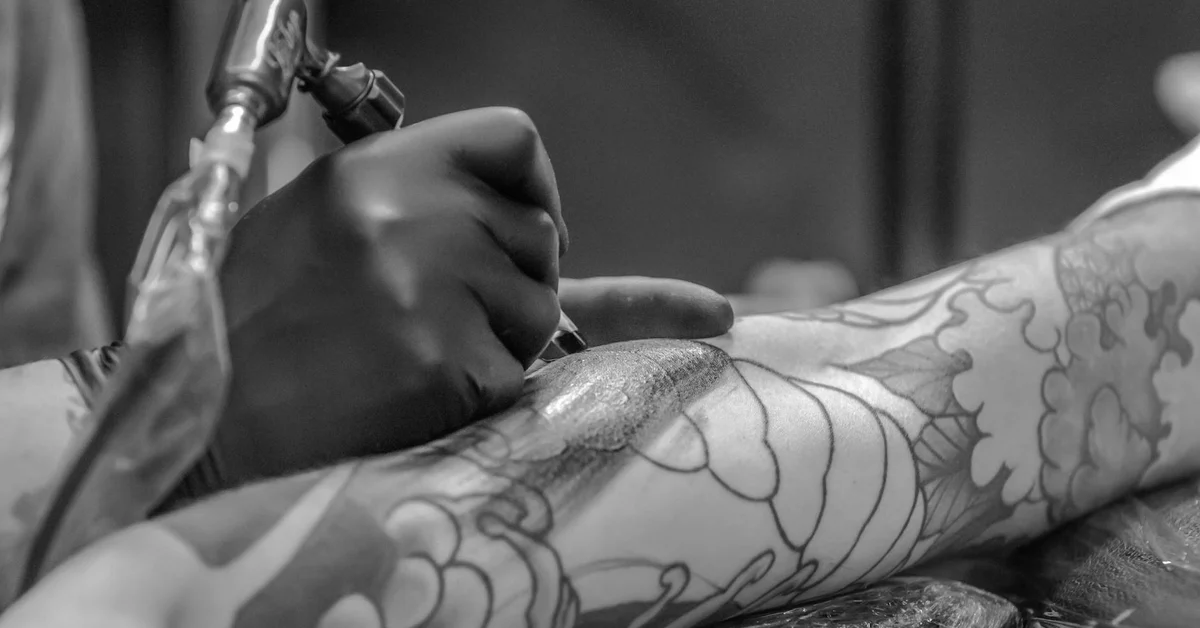
Full removal isn’t your only path. Sometimes a different approach saves you time, money, and pain.
Exploring Other Avenues
- Professional Cover-Up Tattoo: A skilled artist can transform your old tattoo into a new, beautiful piece of art. This is often faster and cheaper than removal. The key is finding an artist who specializes in cover-ups, as it requires specific techniques and design skill. I always advise clients to get a few removal sessions first to lighten the old design, giving the new artist a much cleaner canvas.
- Strategic Fading: You might not need 100% removal. A few sessions to significantly fade the tattoo can make it far less noticeable and may be all you need for emotional closure or to enable a successful cover-up.
Your Decision-Making Blueprint
Do not rush this. Making an informed choice requires a structured approach.
- Consult a Professional: Go to a reputable clinic for a consultation. Understand your skin type, your tattoo’s colors, and a realistic timeline and cost estimate.
- Consult a Cover-Up Artist: Even if you’re leaning toward removal, talk to a tattoo artist. Get their opinion on a potential cover-up. Weigh both creative solutions.
- Assess Your Pain and Time Tolerance: Be real with yourself. Removal is a multi-session commitment with real discomfort. Are you prepared for that journey?
- Visualize the Outcome: Imagine your life with the tattoo completely gone. Now imagine your life with a brilliant cover-up. Which future feels right?
The Final, Personal Equation
At the end of the day, this is your calculus to solve. No one else can place a value on your peace of mind or your skin’s appearance. I can give you all the technical data and share countless client stories, but the final cost-benefit analysis is deeply personal. Trust your gut. If the tattoo bothers you enough to research removal, the benefit of addressing it likely outweighs the cost of inaction. Consider whether tattoo removal or a cover-up is right for you.
Frequently Asked Questions
What factors make tattoo removal more expensive in New York City?
In NYC, higher costs are driven by elevated overhead like rent and utilities, access to state-of-the-art laser technology, and the expertise of specialized practitioners who often handle complex cases, ensuring safer and more effective treatments despite the premium.
What common misconceptions about tattoo removal are discussed on Reddit?
Reddit users frequently debunk myths, such as expecting complete removal in just a few sessions or assuming all lasers work equally well on every ink color, highlighting the importance of realistic expectations and consulting professionals for personalized advice.
How can Reddit communities help with evaluating tattoo removal clinics in NYC?
Platforms like Reddit offer firsthand accounts of experiences with NYC clinics, including reviews on technician skill, pricing transparency, and aftercare support, helping you make informed decisions by learning from others’ successes and pitfalls.
Closing Words
Ultimately, deciding to remove a tattoo is a personal calculation that weighs your budget against your desire for a fresh start. You are investing in your future self’s confidence and comfort in their own skin. This is the journey toward complete tattoo removal. Each step you take moves you closer to a clean slate. While the process demands patience and resources, the freedom from a tattoo you no longer love is a powerful reward.
My advice, from personal experience on both sides of the laser, is to trust the process and a qualified professional. Do your homework, get multiple consultations, and choose a path that aligns with your long-term vision for yourself. Your skin and your peace of mind are worth that careful consideration.
Further Reading & Sources
- Tattoo Laser Removal Cost: Factors, Payments & Packages
- Tattoo Removal: What It Costs and Is It Worth It? – CareCredit
Ink Fade Lab is your trusted source for tattoo removal insights, combining expert knowledge with compassionate care to help you make informed decisions about your tattoo journey. Based on years of experience in the tattoo removal industry, we are dedicated to providing accurate, up-to-date information to support your choices.
Consultation & Cost