Tattoo Removal for Sensitive Skin: A Gentle Approach
Published on: December 8, 2025 | Last Updated: December 8, 2025
Written By: Ashita no Joe
Does the thought of tattoo removal make your skin crawl with anxiety? You’re not alone, and your concerns are valid. I’ve worked on countless clients with delicate skin, and this guide provides the clear, actionable plan you need to approach the process with confidence and care.
We will cover the essential steps for a safer removal journey, including how to assess your skin’s unique sensitivity before you begin, the specific laser technologies and settings that are most suitable, and the non-negotiable aftercare routine to protect your skin and promote healing.
Understanding Your Skin’s Unique Reaction
Sensitive skin doesn’t just get a little red. It communicates loudly and clearly with intense inflammation, prolonged swelling, and a higher risk of post-inflammatory hyperpigmentation. Your skin’s overreaction is a protective mechanism, a sign that its defense systems are on high alert. I’ve seen clients with resilient skin bounce back in days, while those with sensitivity deal with visible reactions for weeks. The laser’s energy doesn’t just target ink; it creates a controlled injury, and your skin’s sensitivity dictates the volume of that response.
Think of your immune system as an overzealous security guard. For most people, it sees the laser treatment and sends a standard response team. For you, it calls in the entire squad, complete with flashing lights and sirens. This isn’t a weakness; it’s simply your body’s unique wiring. Recognizing this hyper-vigilance is the first step in managing it effectively and avoiding complications.
Common Reactions for Sensitive Skin Types
- Intense Erythema: Redness that is deeper and lasts significantly longer than the typical 24-48 hours.
- Pronounced Edema: Swelling that can be substantial, sometimes making the tattooed area feel hard and tight to the touch.
- Heightened Blistering: Fluid-filled blisters are more common and can be more fragile.
- Itchiness and Discomfort: The healing phase can involve severe itching, a major test of your willpower not to scratch.
- Hyperpigmentation/Hypopigmentation: Your skin is more prone to dark or light spots remaining after the initial healing is complete.
How Sensitive Skin Reacts Differently
| Reaction | Normal Skin | Sensitive Skin |
|---|---|---|
| Redness | Fades within 1-2 days | Can persist for 5-7 days or more |
| Swelling | Localized, mild puffiness | Widespread, significant swelling |
| Blistering | Less common, small blisters | More frequent, larger and more delicate blisters |
| Healing Time | 1-2 weeks for surface healing | 2-4 weeks for full surface calm |
Pre-Treatment Preparation for Delicate Skin
Preparation is your most powerful tool. Walking into a removal session without preparing sensitive skin is like going into a battle without armor. A proper pre-care routine builds your skin’s resilience and can dramatically improve your comfort and results. From my own experience removing a tattoo on my inner bicep, a notoriously sensitive area, the sessions where I prepped properly were night-and-day different in terms of recovery.
Essential Pre-Treatment Steps
- Consult a Dermatologist: Before you even book a laser appointment, get a professional skin assessment. They can identify underlying conditions like rosacea or eczema that need management.
- Hydrate Meticulously: For at least two weeks prior, drink plenty of water. Well-hydrated skin heals faster and handles trauma better.
- Commence a Skin-Building Regimen: Start using a gentle, fragrance-free moisturizer with ceramides or niacinamide weeks in advance to strengthen your skin’s barrier.
- Strict Sun Avoidance: You must keep the treatment area completely out of the sun for a minimum of four weeks beforehand. Tanned or sunburned skin is a recipe for adverse effects.
- Discuss Numbing Options: Talk to your technician about prescription-grade topical numbing creams. Applying these before your session can make a world of difference in your comfort level.
What to Avoid Before Your Session
- No Active Ingredients: Stop using retinoids, alpha-hydroxy acids (AHAs), and beta-hydroxy acids (BHAs) on the area at least one week prior.
- Skip Blood Thinners: Avoid aspirin, ibuprofen, fish oil, and vitamin E for several days before as they can increase bruising and swelling.
- No DIY Treatments: Do not attempt any at-home exfoliation or “priming” treatments on the tattoo. You risk causing micro-tears and inflammation that will only complicate the laser process.
- Cease All Self-Tanner: Any product that alters your skin tone must be avoided to ensure the laser can read your natural pigment correctly.
Managing Pain and Discomfort During Treatment
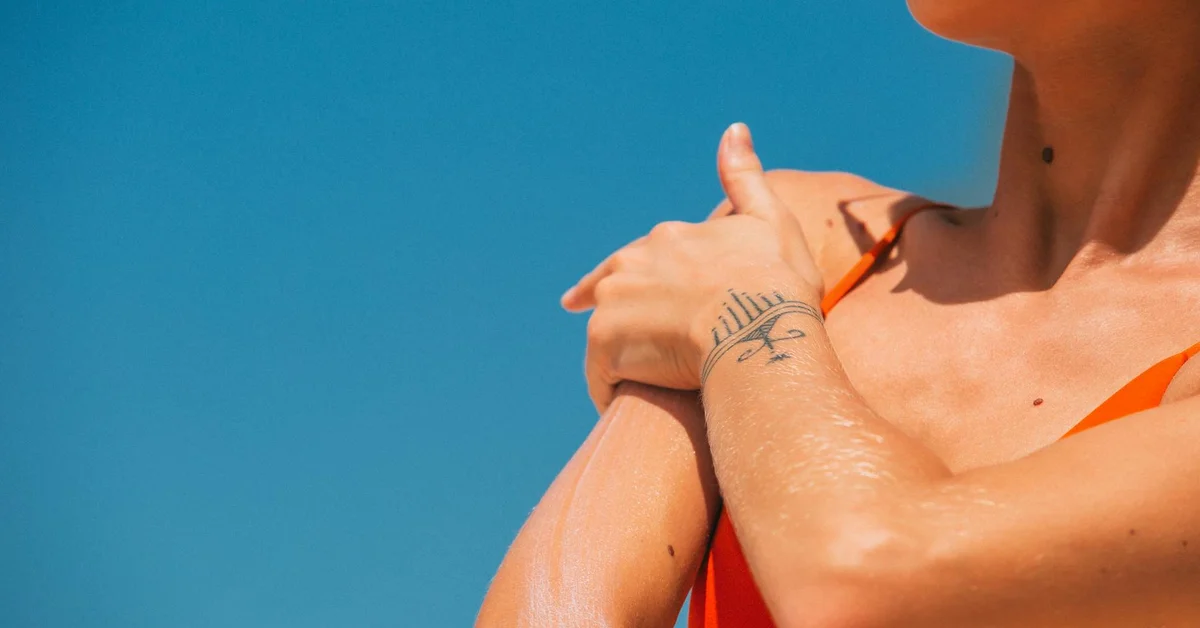
Let’s be direct: tattoo removal stings. For sensitive skin, that sensation can be more intense and lead to greater redness and swelling. Your pain management strategy needs to be proactive, not reactive, starting before you even enter the clinic. One practical option is to discuss topical numbing creams with your clinician as part of your pain management plan. These creams can help dull the sensation before the procedure and reduce overall discomfort.
Professional Pain Mitigation Options
Modern clinics offer several ways to dial down the discomfort. Don’t hesitate to ask your technician about these.
- Prescription-Strength Topical Numbing Creams: Applied an hour before your session, these are the gold standard. I insist my sensitive-skinned clients get a prescription from their doctor for a compounded lidocaine/tetracaine blend. The over-the-counter stuff often doesn’t cut it.
- Cold Air Devices: A machine blows a constant stream of freezing cold air directly onto the skin during the laser pulses. This numbs the surface and distracts your nerve endings. It’s a game-changer.
- Bridal Veil or Chilled Tips: Some lasers have a chilled tip that cools the skin on contact. Others use a “bridal veil” mist of cold water right before the zap. Both provide a sharp, cooling counter-sensation.
At-Home Preparation
What you do in the 24 hours leading up to your appointment directly impacts your comfort level.
- Hydrate Aggressively: Drink a lot of water. Well-hydrated skin is more resilient and recovers faster.
- Avoid Blood Thinners: Skip alcohol, caffeine, and painkillers like aspirin or ibuprofen for at least 24 hours beforehand. They can increase bleeding and sensitivity.
- Nourish Your Skin: Apply a simple, fragrance-free moisturizer to the area for several days prior to keep your skin barrier strong.
From my own experience removing a tattoo on my ribs, I learned that skipping the numbing cream was a monumental mistake I never repeated. The brief relief of saving a few dollars was not worth the prolonged, throbbing pain afterward. In a best numbing creams for laser tattoo removal guide, the right topical anesthetic can make the process far more tolerable. If you’re planning a session, these guide-backed tips helped me choose wisely.
Personalized Aftercare for Sensitive Skin
This is where the real work begins. Standard aftercare instructions are a starting point, but sensitive skin demands a gentler, more deliberate approach. Treat your skin post-laser like you would a serious burn, because that’s essentially what it is. Make sure to follow the proper aftercare guide for optimal healing.
The First 72 Hours: The Critical Window
Your immediate actions set the stage for the entire healing cycle.
- Ice is Your Best Friend: Apply a clean ice pack wrapped in a soft cloth to the area for 15-minute intervals. This reduces swelling, numbs the pain, and calms inflammation.
- Embrace the Hydrogel Dressing: I recommend a hydrogel sheet or a thick layer of a petroleum-free ointment like Aquaphor. These create a moist healing environment that prevents scabbing and soothes the raw skin. Change the dressing daily.
- Clean with Lukewarm Water: Gently rinse the area twice a day with lukewarm water and pat dry with a clean paper towel. Do not scrub.
Long-Term Healing and Soothing
Once the initial redness subsides, your focus shifts to supporting your skin’s recovery and preventing irritation.
- Switch to a Fragrance-Free Moisturizer: After 3-4 days, transition from the thick ointment to a gentle, fragrance-free moisturizer. Look for ingredients like ceramides and hyaluronic acid.
- Become a Sunscreen Zealot: New skin is incredibly vulnerable to UV damage. A single sunburn on a healing tattoo removal site can cause permanent hyperpigmentation, especially on fair or sensitive skin. Use a mineral-based, high-SPF sunscreen every single day, even if you’re mostly indoors.
- Avoid Common Irritants: Steer clear of hot tubs, pools, saunas, and strenuous sweat-inducing exercise for at least one week. Do not use any products with alcohol, fragrance, or acids (like glycolic or salicylic) on the area until it is fully healed.
I’ve seen clients ignore the sunscreen advice and end up with a dark shadow where their tattoo used to be, complicating the entire removal process. Protecting the area from the sun is non-negotiable. For a smoother outcome, check our tattoo removal sun exposure protection guide for practical shielding tips during healing. It explains when to apply sunscreen, reapplication, and daily precautions.
Navigating the Healing Process and Potential Complications
Your skin will feel like a severe sunburn after a removal session. This raw, inflamed feeling is completely normal and means your body’s healing process has already started. I’ve treated my own sensitive skin and watched countless clients go through this; the first 48 hours are critical for setting the stage for smooth recovery.
What to Expect in the First Week
- Immediate Aftermath: The area will be red, swollen, and tender to the touch. You might see small blisters or welts forming within hours.
- Blisters and Scabs: Do not panic if you blister. This is your skin’s natural protective response to the laser’s heat. Let blisters pop on their own; never pick or peel them.
- Itching: The itching as it heals can be intense. This is a sign of regeneration, not an invitation to scratch.
Managing Common Complications
Sensitive skin is more prone to complications, but you can manage them effectively.
- Hyperpigmentation: Darkening of the skin is a frequent concern. Using a broad-spectrum sunscreen with SPF 50+ is non-negotiable, even on cloudy days.
- Hypopigmentation: Lightening of the skin can occur, often temporarily. This happens when the laser affects melanin production.
- Infection: Any sign of pus, yellow crusting, or spreading redness demands immediate medical attention. I keep the area clean with a gentle, fragrance-free soap and apply a thin layer of antibiotic ointment as directed by my technician.
Resist the overwhelming urge to pick at scabs or scratch the area, as this is the fastest route to scarring and prolonged healing. Let your skin shed naturally, no matter how long it takes.
Minimizing Long-Term Risks and Achieving Optimal Results
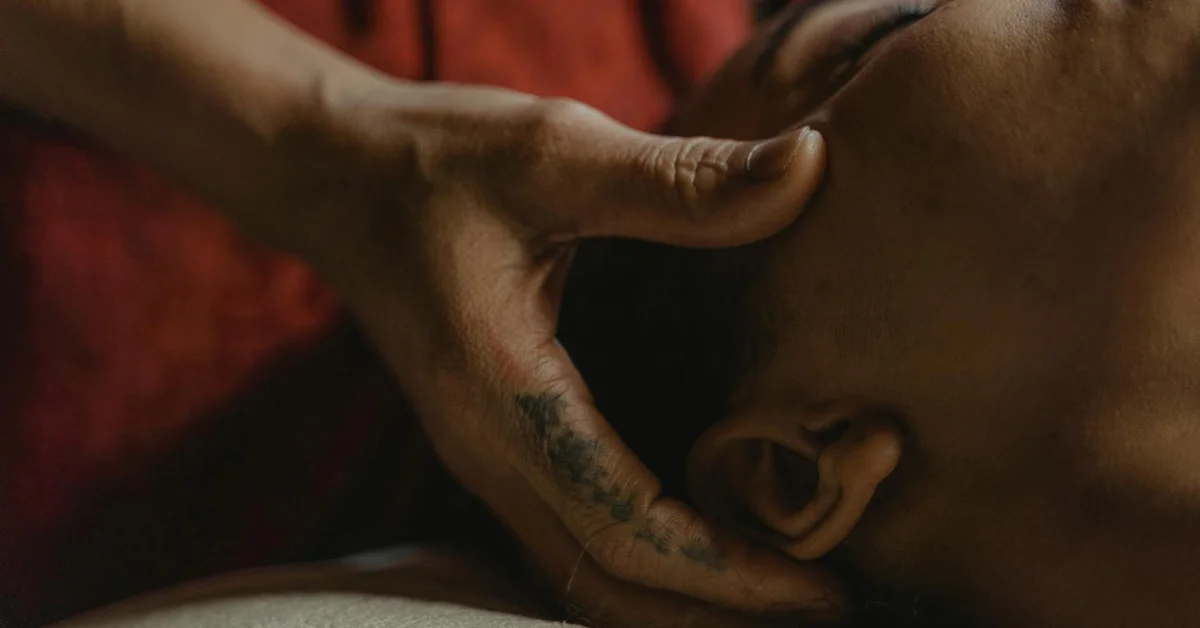
Successful removal on sensitive skin is a marathon, not a sprint. Patience and consistency in your aftercare routine are your most powerful tools for preventing permanent damage. Rushing the process or skipping steps will only lead to disappointment.
Your Long-Term Defense Strategy
- Sun Protection is Paramount: The treated skin is vulnerable to UV damage for months. I treat my removal sites like vampires, keeping them completely shielded from the sun. This single habit drastically reduces the risk of discoloration.
- Moisturize Intelligently: Use a hypoallergenic, fragrance-free moisturizer daily. Hydrated skin heals better and is more resilient between sessions.
- Communicate with Your Technician: Before every session, tell your technician about any unusual reactions from the previous healing cycle. They can adjust settings accordingly.
Realistic Expectations for Fading
Complete removal is a goal, but significant fading is a huge victory. On sensitive skin, we often aim for a “lightening” strategy rather than full eradication to preserve skin integrity. The ink may break into lighter, more muted fragments instead of disappearing entirely. This aligns with the role of fading in tattoo removal, a method that favors gradual lightening over full erasure to protect skin health. It lets practitioners tailor the treatment to each person’s skin and tattoo.
- More sessions are typically needed, spaced further apart (10-12 weeks minimum).
- Some colors, like yellows and pastels, may never fully vanish.
- A faint “ghost” of the tattoo may remain, which is often preferable to textured or discolored skin.
I advise my clients to celebrate the fading progress after each session, not just the final result. Tracking photos over time helps you see the incredible transformation your skin is undergoing, even when it feels slow.
Frequently Asked Questions
Why does tattoo removal hurt?
Tattoo removal hurts because the laser energy breaks down ink particles by creating a controlled micro-injury in the skin, which stimulates nerve endings and triggers an inflammatory response. For individuals with sensitive skin, this pain can feel more intense due to heightened nerve sensitivity and a stronger immune reaction to the trauma. Does laser tattoo removal actually feel like the descriptions you might hear? In practice, many people describe it as a hot snap or burning sting, with sensation varying by area, laser type, and individual pain tolerance.
Does tattoo removal get less painful over time?
Yes, tattoo removal typically becomes less painful with each session as the density of ink particles decreases, requiring less laser energy to target them. However, factors like individual pain tolerance and skin sensitivity can influence this, and proper pain management strategies remain important throughout the process. To address comfort, many providers offer pain-minimizing options such as topical numbing creams and cooling devices. Some clinics also use laser systems optimized for gentler sessions, aiming for painless tattoo removal when possible.
What helps with tattoo removal for sensitive skin?
Key strategies include using prescription-strength numbing creams before sessions, applying ice packs post-treatment to soothe inflammation, and adhering to a gentle aftercare routine with hypoallergenic products and strict sun protection. In tattoo removal clinics, strict laser safety protocols guide these practices, including eye protection, equipment calibration, and plume management. Working with an experienced technician who can customize laser settings for your skin type is also essential for minimizing discomfort and risks. These measures help protect both clients and staff from hazards such as accidental exposure and burns.
Closing Words
If you have sensitive skin, your tattoo removal journey requires more planning and patience than most. Your primary rule must be to choose a seasoned professional who listens to your concerns and has a proven track record with reactive skin types. A thorough consultation and a mandatory patch test are non-negotiable steps you should never skip. This is all part of your journey toward complete tattoo removal. With careful planning and the right clinician, you can move forward confidently on that path.
With the right specialist and a meticulous aftercare routine, you can successfully navigate this process. Your skin’s sensitivity isn’t a barrier to removal; it simply means your path to a clean slate demands a more deliberate and careful approach. You can achieve the results you want with the proper respect for your skin’s unique needs.
Further Reading & Sources
- Tattoo Removal for Sensitive Areas: What You Need to Know | AllWhite Laser | AW3®
- Does Tattoo Removal Hurt? Does it Hurt? | Removery
Ink Fade Lab is your trusted source for tattoo removal insights, combining expert knowledge with compassionate care to help you make informed decisions about your tattoo journey. Based on years of experience in the tattoo removal industry, we are dedicated to providing accurate, up-to-date information to support your choices.
Numbing Creams