
Pain Management for Tattoo Removal: Numbing Creams and Other Options
Published on: January 18, 2026 | Last Updated: January 18, 2026
Written By: Ashita no Joe
Are you hesitant to start tattoo removal because you fear the pain? I’ve felt that sting myself and calmed countless clients through it-managing discomfort is not just possible, it’s essential for a smooth process.
This guide gives you clear, actionable steps to ease the experience. I will explain how numbing creams work and which ones I trust, cover alternative methods like cooling devices and breathing exercises, and draw from my own tattoo removal stories to set realistic expectations.
Why Tattoo Removal Hurts and What to Expect
A laser doesn’t erase your tattoo. It shatters the ink. The laser fires intense, rapid pulses of light that your dark tattoo pigment eagerly absorbs. This energy instantly converts to heat, creating a series of microscopic explosions that break the ink particles apart. Your body then recognizes this fragmented ink as a foreign invader and works to flush it out over the following weeks. Your nerves interpret this rapid-fire, hot trauma as sharp, significant pain.
Many people say getting a tattoo feels like a cat scratch. Removal is different. It is a deeper, more concentrated sensation. Your pain level depends heavily on three factors. Does laser tattoo removal actually feel like that? Many people wonder what the experience is really like, and most describe it as a series of quick, hot pinpricks rather than a cat scratch.
- Location: Bony areas with thin skin and many nerve endings, like ankles, ribs, and spine, are notoriously intense. Fleshy spots like thighs or upper arms are generally more tolerable.
- Size and Density: A large, solid black tattoo means more laser pulses and more cumulative discomfort. Fine-line work is typically quicker and less painful.
- Your Skin: Sensitive skin types often experience more inflammation and a stronger pain response.
The Sensation of Laser on Skin
The closest description is being snapped repeatedly with a hot, thin rubber band. Some clients say it feels like hot bacon grease splattering on the skin. The sensation is sharp and fast, followed by a lingering heat. In my own experience, the zap of the laser is jarring at first, but your body does adapt to the rhythm after a dozen pulses. Higher laser settings, used for stubborn inks in fractional laser tattoo removal, feel like a more powerful, deeper thump. The sound is distinct too-a loud pop with each pulse, which can psychologically amplify the feeling.
How Your Tattoo Affects Discomfort
Not all tattoos hurt the same during removal. The ink itself dictates the laser’s strategy and your pain level.
- Black and Dark Blue Ink: These are the easiest for lasers to target. Sessions are efficient but the sensation is concentrated and direct.
- Color Inks (Reds, Greens, Yellows): Different wavelengths are needed. Some colors absorb energy less efficiently, requiring longer sessions or more passes, which extends the discomfort.
- Dense, Saturated Ink: Heavily packed ink acts like a bigger target, absorbing more energy and generating more heat with each pulse.
- Older, Faded Tattoos: Your body has already started breaking down the ink. These often require less energy and are therefore less painful.
- Scarred or Raised Tattoos: Scar tissue reacts differently to heat and can be significantly more sensitive.
Topical Numbing Creams: How Effective Are They?
Topical anesthetics are your first line of defense. They work by blocking the sodium channels in your nerve endings, preventing them from sending pain signals to your brain. I have used them on myself and countless clients. A high-quality numbing cream takes the piercing edge off the laser pulse, turning a sharp sting into a dull, manageable thud. They do not create a completely pain-free experience, but they make a world of difference for getting through a longer session—especially when working over delicate areas, such as eyebrow tattoos, which can be particularly sensitive.
Key Ingredients in Numbing Creams
The active ingredient determines the cream’s power and safety. Here are the most common ones you will encounter.
| Ingredient | Strength | Onset Time | Duration |
|---|---|---|---|
| Lidocaine (5%) | Good | 30-45 minutes | 1-2 hours |
| Lidocaine/Prilocaine Blend (EMLA) | Better | 60 minutes | 2-3 hours |
| Benzocaine (20%) | Fair (Surface Only) | 10-20 minutes | 30-60 minutes |
| Lidocaine/Tetracaine Blend | Best (Professional Grade) | 30 minutes | 3-4 hours |
Real-World Performance and Limitations
These creams only penetrate the top layers of your skin, about 2-3 millimeters deep. The laser’s energy targets ink much deeper, in the dermis. This depth mismatch is why you will still feel a deep, thudding sensation even with the best numbing cream properly applied. The cream effectively numbs the surface, making the initial impact of each laser pulse much less severe. I find they are most effective on smaller tattoos in fleshy areas. For a large back piece or a tattoo on the ribs, you will still need to brace yourself. Never become so reliant on a numbing agent that you ignore your technician’s advice or your body’s signals. Tattoo removal clinics follow strict laser safety protocols, including mandatory protective eyewear and staff training. They also calibrate energy settings and provide cooling measures to minimize risk.
Step-by-Step Guide to Using Numbing Creams
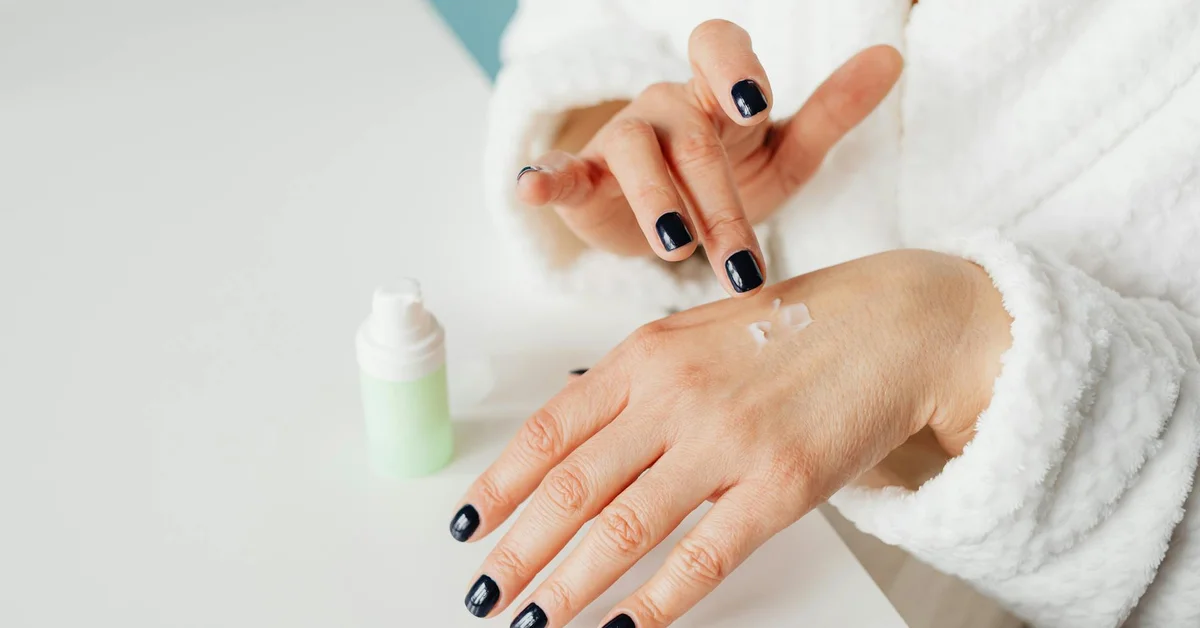
Using a topical anesthetic correctly is the difference between a manageable session and a painful one. Proper application is not a suggestion; it’s a requirement for the cream to work effectively. I have seen clients achieve near-complete numbness by following these steps meticulously.
Pre-Treatment Preparation
Your preparation begins at home, well before your appointment. Rushing this process will lead to disappointment.
- Clean the Area: Wash the tattoo site with a mild, unscented soap. Pat it completely dry with a clean paper towel. Oils or lotions will block the cream from penetrating your skin.
- Apply a Thick Layer: Do not be shy. Spread a generous, even layer of numbing cream over the entire treatment area. You should not be able to see your skin through the cream.
- Occlude the Area: This is the secret most people miss. Cover the cream with a layer of plastic wrap (cling film). This creates a barrier that traps body heat, dramatically increasing the cream’s absorption and potency.
- Wait Patiently: Leave the wrap on for the time specified by the cream’s instructions, typically 60 to 90 minutes before your session. The standard 30-minute wait is often insufficient for deep numbing.
I always advise my clients to apply the cream at home before they leave for the studio to ensure it has the full time to work. Avoid any DIY numbing concoctions; they can cause severe skin reactions and interfere with the laser. If you’re considering home laser tattoo removal kits, choose only safe and effective options. Always consult a clinician before using them.
During and After Application
Your responsibility continues once you arrive for your appointment.
- Communicate with Your Technician: Tell your technician exactly when you applied the cream. They will wipe it off just before starting. Be honest about your pain tolerance and any sensations you feel.
- Watch for Side Effects: Mild redness is normal. Intense itching, swelling, or a rash is not. Inform your technician immediately if you experience anything beyond mild irritation.
- Post-Removal Care: Your skin will be sensitive. Use a cool compress to soothe the area and apply a recommended ointment like Aquaphor. The goal is to calm the skin, not reintroduce heavy chemicals.
Beyond Creams: Alternative Pain Relief Methods
Numbing cream is a powerful tool, but it is not the only one. A multi-pronged approach to pain management often yields the best results. I have personally used a combination of these methods during my own removal sessions. Beyond numbing creams, there are other painless options to consider, such as cooling devices and optimized laser settings. These can be effective components of a painless tattoo removal plan.
- Ice Packs & Cold Air: Applying a cold pack to the area for 10-15 minutes immediately before the laser is triggered can numb the surface nerves. Some modern lasers have built-in cold air systems that blow chilled air onto the skin during treatment.
- Distraction Techniques: This is your mental armor. Listen to loud music or a compelling podcast through noise-canceling headphones. Squeeze a stress ball in your hand. Focus on anything other than the laser’s zap.
- Vibration Therapy: A small, handheld vibration device held near the treatment site can confuse your nerve pathways. This “gate control theory” of pain is real and effective.
In my experience, combining a high-quality numbing cream with cold air and a distraction technique creates the most tolerable environment.
In-Office Options: Local and Injectable Anesthesia
For very large tattoos or individuals with extreme sensitivity, stronger options exist in a clinical setting.
- Nerve Blocks: An injection of local anesthetic near a cluster of nerves can completely numb a larger area, like an entire forearm or calf.
- Injectable Local Anesthesia: Similar to what a dentist uses, this is injected directly around the tattoo site.
These methods are highly effective but come with more discomfort from the injections themselves and a longer recovery time. They are typically reserved for complex surgical procedures, not standard laser sessions.
At-Home and Mind-Based Techniques
Your mindset and preparation are free tools you should always use.
- Controlled Breathing: Do not hold your breath. Practice slow, deep breaths in through your nose and out through your mouth. This keeps you oxygenated and calm.
- Over-the-Counter Analgesics: Taking an anti-inflammatory like Ibuprofen about 30-45 minutes before your appointment can help manage the deeper, aching sensation that follows a session. Always check with your technician first.
- Stay Hydrated and Eat: Never go to a removal session on an empty stomach or dehydrated. Your body needs fuel to handle stress.
Mastering your breath is the single most underrated skill for getting through a tattoo removal session. In the tattoo removal process explained, you’ll learn what happens at each stage and how calm, controlled breathing can ease the momentary discomfort. It costs nothing and works every time.
Managing Pain During the Removal Session
Effective pain control during laser treatment is a partnership between you and your technician. The right combination of laser technology, session pacing, and expert technique can transform a potentially grueling experience into a manageable one. I’ve personally found that the sessions where I communicated openly with my technician were always the most tolerable, both for myself and my clients. Aftercare is the next essential step. Our aftercare guide for laser sessions explains what to expect and how to care for the treated area.
How Technicians Adjust for Comfort
A skilled technician has a toolkit of methods to minimize your discomfort. They are not just operating a laser; they are managing a sensory experience.
- Laser Settings: Modern lasers allow for adjustments in wavelength, spot size, and fluence (energy). A good technician will start lower and gradually increase settings based on your tolerance and skin response.
- Pulse Duration: Using shorter pulse durations can sometimes feel sharper, while longer pulses distribute the energy, creating a different sensation. It’s a balance we constantly adjust.
- Integrated Cooling: Many lasers now have built-in cooling systems that blast freezing cold air or a cryogenic spray onto the skin milliseconds before and after the laser pulse. This cooling effect is a game-changer, numbing the surface and significantly dulling the zap. I would never run a session on my own skin without it.
Your Role in Pain Control
You are not a passive participant in this process. Your actions directly influence your comfort level.
- Stay Relaxed: Tense muscles amplify pain. Focus on taking slow, deep breaths. I tell my clients to consciously relax the area being treated right before the laser fires.
- Use Your Breaks: Do not be a hero. Ask for a pause if the sensation becomes overwhelming. A 30-second break can reset your nerves.
- Combine Methods: Apply a prescribed numbing cream beforehand, and ask your technician to use a cold air device during the session. Layering these comfort measures creates a powerful cumulative effect that makes a real difference.
Safety, Side Effects, and Smart Choices
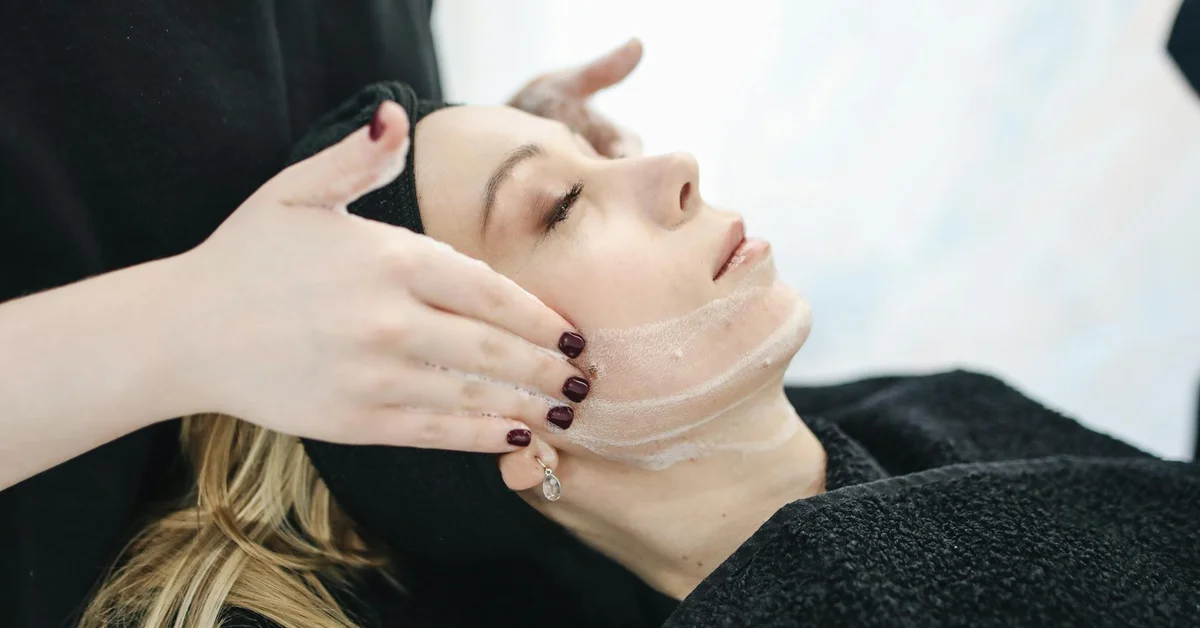
Chasing comfort should never come at the cost of your health. Even the most effective numbing creams carry risks that must be respected, not ignored. I’ve seen clients develop severe rashes from improper use, a painful lesson that could have been avoided.
Recognizing and Avoiding Complications
Being aware of potential side effects helps you stay safe. Here is what to watch for with topical anesthetics and the removal process itself.
- Common Numbing Cream Reactions: Redness, mild swelling, itching, or a burning sensation at the application site.
- Serious Systemic Reactions: Dizziness, irregular heartbeat, blurred vision, or tremors. These indicate the anesthetic has entered your bloodstream and require immediate medical attention.
- Contraindications: Avoid numbing agents if you have broken skin, heart conditions, or are pregnant without explicit doctor approval.
- Post-Treatment Normal Side Effects: Swelling, redness, and pinpoint bleeding are standard. Intense blistering, scabbing, or signs of infection are not.
Making Informed Decisions
Your choices should be guided by knowledge and professional advice, not fear or a desire for the cheapest shortcut.
- Consult Your Specialist: Have a frank conversation about your pain tolerance and medical history. They can recommend the safest, most effective numbing product for you.
- Conduct a Patch Test: Always test any numbing cream on a small, discreet patch of skin 24-48 hours before your full application. This simple step can prevent a full-body allergic reaction.
- Reject DIY Mixes: Internet recipes for homemade numbing solutions are dangerous and can cause chemical burns or toxic shock. Only use products that are manufactured, tested, and recommended by a professional.
Frequently Asked Questions
How can I find numbing creams for tattoo removal near me?
To locate numbing creams locally, consult your tattoo removal specialist or a dermatologist, as they often recommend or provide trusted brands. You can also check pharmacies or beauty supply stores, but verify that the product is safe for dermatological use to prevent skin reactions. For a quick reference, our best numbing creams for laser tattoo removal guide highlights top picks, application tips, and safety considerations to help you choose wisely.
What do Reddit users say about using numbing creams for tattoo removal?
On Reddit, many users report that lidocaine-based numbing creams effectively reduce pain, with some noting that proper application is key to avoiding side effects. However, experiences vary, and it’s wise to combine professional advice with community insights for the best results.
Does using numbing cream affect the healing process after tattoo removal?
When applied correctly, numbing creams typically don’t hinder healing, but overuse or improper use can lead to irritation. Always follow post-treatment care instructions, like gentle cleansing and moisturizing, to support recovery without interference from the numbing agent.
Closing Words
Your journey to clear skin doesn’t have to be a painful one. The single most effective step you can take is to talk with your removal technician before your session. They can recommend a prescription-strength numbing cream and discuss which techniques will work best for your specific situation. If you have sensitive skin, ask about gentle aftercare options before and after your session. This can help minimize irritation and support faster healing.
Combine a powerful topical anesthetic with mental focus techniques for the most comfortable experience. From my own experience, this one-two punch makes the process far more manageable. You have solid options to control the sensation, so you can focus on your goal of a fresh start.
Further Reading & Sources
- 5 Easy Tips To Make Laser Tattoo Removal Less Painful – Ink B Gone
- Effective Strategies for Managing Pain and Discomfort During Laser Tattoo Removal
Ink Fade Lab is your trusted source for tattoo removal insights, combining expert knowledge with compassionate care to help you make informed decisions about your tattoo journey. Based on years of experience in the tattoo removal industry, we are dedicated to providing accurate, up-to-date information to support your choices.
Numbing Creams