
What to Expect After Your First Tattoo Removal Session (and Beyond)
Published on: December 25, 2025 | Last Updated: December 25, 2025
Written By: Ashita no Joe
Did you just walk out of your first laser appointment wondering if the redness and swelling is normal, or how long this whole process will truly take? That feeling of uncertainty is completely understandable, and I remember it well from my own first removal.
This guide will walk you through the entire journey, from the first few hours to your final session. We’ll cover the immediate after-effects, the crucial healing phases, a realistic treatment timeline, and how to care for your skin to get the best possible results.
Immediate Aftermath: The First 24 Hours
Your skin will react immediately to the laser’s energy, and this is a normal, expected part of the process. Treating the area like a fresh, minor burn is the most effective mindset for the first day. I’ve had this done on myself and seen it on hundreds of clients; the initial reaction is always the most intense.
Common Sensations and Side Effects
Your body is kicking its inflammatory response into high gear. The sensations you feel are signs it’s working.
- A pronounced, warm swelling that makes the tattooed area feel tight and puffy.
- Redness and inflammation that looks similar to a bad sunburn.
- A tender, throbbing sensation that pulses in time with your heartbeat.
- A mild, pinprick-like stinging that can linger for a few hours.
- The appearance of small, delicate blisters or welts filled with clear fluid.
Initial Aftercare Steps to Follow
Proper care in these first hours sets the stage for a smooth recovery. Neglecting these steps can significantly increase your risk of scarring and infection. I cannot stress this enough from personal and professional observation. Aftercare matters: applying a proper ointment like Aquaphor can help keep the wound moist and protected as it heals. If infection is a concern, a clinician may prescribe antibiotics as part of the treatment plan.
- Gently remove the initial bandage after 2-3 hours, or as directed by your technician.
- Wash the area with a mild, fragrance-free soap and cool water, using only your clean hands.
- Pat the skin completely dry with a clean paper towel-never use a cloth towel that can harbor bacteria.
- Apply a thin layer of the recommended ointment, like a basic antibiotic or specialized post-laser cream.
- Cover the area with a fresh, non-stick bandage or a clean piece of gauze if you are wearing tight clothing.
Avoid any DIY remedies like toothpaste, vinegar, or heavy essential oils. Your skin is vulnerable and needs a sterile, clinical approach, not a kitchen-sink experiment.
The Healing Timeline: Days to Weeks Post-Treatment
Healing is not an overnight event; it’s a gradual process of demolition and repair. The visible fading you’re hoping for happens quietly beneath the surface long before you see it. Your body is working to flush out the shattered ink particles, which is an essential part of the fading process in tattoo removal.
Early Healing Phase (Days 1-7)
This first week is the most active phase of recovery. Your skin is busy rebuilding itself.
- Days 1-2: Swelling and redness peak. The area remains tender. Continue gentle washing and applying a thin layer of ointment 2-3 times daily.
- Days 3-5: Redness starts to subside. You’ll notice the formation of a slight crust or very fine scabbing. The most important rule now is to not pick or scratch, no matter how intense the itch becomes. I’ve found that gently tapping the skin around the area can distract from the itch.
- Days 6-7: The scabbing or crusting will begin to flake away naturally, often revealing pink, new skin underneath. This is when you might see the first hints of lightening.
Mid to Late Healing (Weeks 2-6)
The most dramatic external healing is over, but the magic is still happening underneath.
- Weeks 2-3: Any remaining scabs have typically fallen off. The new skin may look a bit shiny or feel slightly raised. This is also when the real fading often becomes apparent as your body’s immune system continues to clear the ink.
- Weeks 4-6: The skin texture normalizes, and the redness fully dissipates. The tattoo will look noticeably lighter and more fragmented than before your session. You can resume all normal activities, including sun exposure, but only with a high-SPF sunscreen on the treated area.
Your skin’s job is mostly done by week six, and it’s finally ready for the next laser session if needed. Patience during this entire timeline is your most powerful tool for success. If you’re wondering how many laser sessions you may need, our detailed guide explains typical ranges. It also covers the factors that influence the number of sessions.
Essential Aftercare Practices for Optimal Results
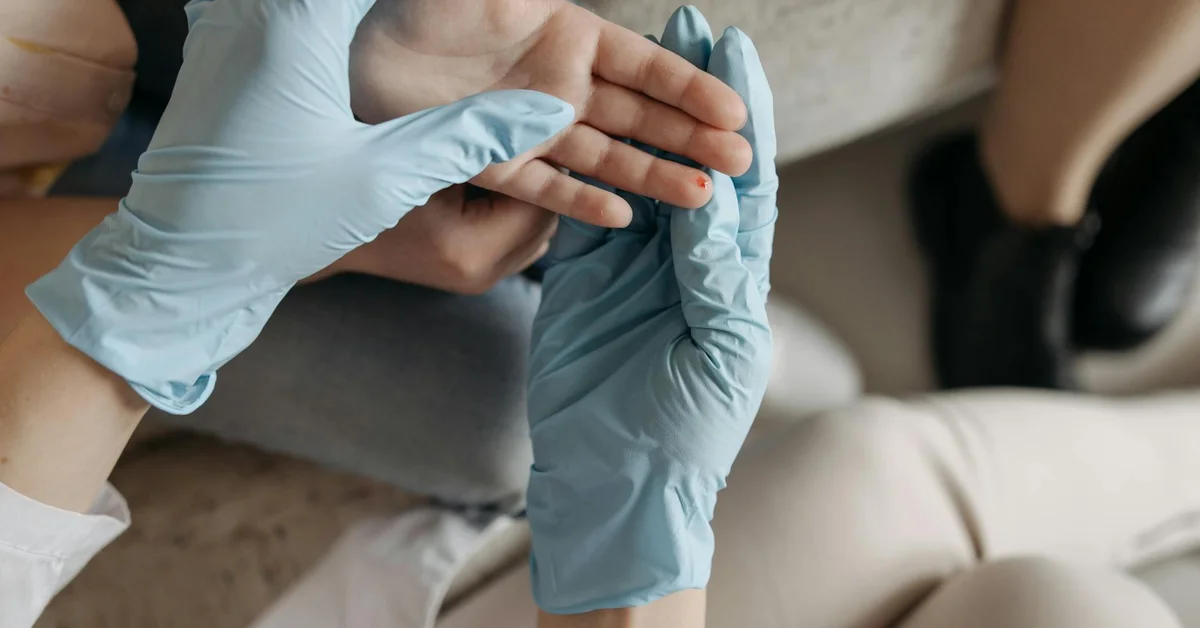
Your skin’s recovery directly dictates how well your ink fades and how quickly you can schedule your next session. Treat the treated area with extreme care for the first few weeks. After a tattoo removal session, swelling is common; use cold compresses and keep the area elevated to help manage it.
- Gently cleanse the area twice daily with a mild, fragrance-free soap and lukewarm water.
- Pat the skin dry with a clean paper towel; never rub with a cloth towel that can harbor bacteria.
- Apply a thin layer of a recommended ointment or fragrance-free moisturizer to keep the skin supple.
- Wear loose, breathable clothing over the area to prevent friction and irritation.
- Avoid submerging the area in water, such as pools, hot tubs, or baths, for at least one week.
- Protect the skin from sun exposure with a high-SPF, broad-spectrum sunscreen or by keeping it covered.
- Do not pick, scratch, or peel any scabs or blisters that form.
Cleansing and Moisturizing Routines
A consistent, gentle routine is your best defense against complications and poor fading. I have seen countless clients accelerate their progress simply by sticking to a disciplined care plan.
- Cleansing: Use a product like Cetaphil Gentle Skin Cleanser or Dial Gold Antibacterial Soy. Lather in your hands first, then apply to the area with soft, circular motions. Rinse thoroughly.
- Moisturizing: After cleansing and patting dry, apply a pea-sized amount of Aquaphor Healing Ointment or pure Aloe Vera gel. The goal is a thin, protective layer, not a thick, greasy one that clogs pores.
- Technique: Always wash your hands before touching the treatment area. Apply moisturizer with a clean cotton swab if you are concerned about introducing bacteria from your fingers.
Sun Protection and Activity Restrictions
Sun exposure is the single greatest threat to your removal results and can cause permanent hyperpigmentation. I tell my clients to treat their healing skin like vampire skin-it must avoid the sun at all costs. This approach is a core piece of our tattoo removal sun exposure protection guide. It outlines practical steps to protect healing skin and preserve your results during the recovery period.
- Apply a mineral-based sunscreen with an SPF of 30 or higher every single day, even when it’s cloudy.
- Reapply sunscreen every two hours if you are outdoors or near a window.
- Wear protective clothing like a hat or long sleeves for an extra layer of defense.
- Avoid swimming, saunas, and intense workouts that cause heavy sweating for at least 5-7 days post-treatment. Sweat can irritate the fragile skin.
- Showers are fine, but keep them brief and use cool to lukewarm water. Avoid direct, high-pressure water streams on the area.
Recognizing Normal Healing vs. Complications
Knowing the difference between standard recovery and a problem can save you from scarring and extended healing times. Your body’s initial response is a form of controlled trauma.
Signs of Proper Healing
A healthy healing process is predictable and follows a clear, gradual timeline. It should not be a painful ordeal after the first 48 hours.
- Initial redness, swelling, and a sensation similar to a mild sunburn for 1-3 days.
- The appearance of slight bruising or whitish, “frosted” skin directly after the session.
- Formation of tiny, delicate scabs or blisters that crust over and flake off naturally within a week or two.
- A gradual reduction in tenderness and itching as the skin rebuilds itself.
- The first visual sign of success: a slight, subtle lightening of the tattoo as the shattered ink particles begin to be processed by your body.
Red Flags and When to Act
Your skin will talk to you; you just need to listen for the warning signs. I once had a client ignore spreading redness, and it developed into a nasty infection that delayed their entire treatment plan.
- Increasing, throbbing pain more than two days after your session.
- Redness that expands beyond the treatment area or intensifies over time.
- Yellow or green pus oozing from the site, which indicates a bacterial infection.
- A foul odor coming from the healing skin.
- Fever, chills, or red streaks radiating from the tattoo-this requires immediate medical attention.
- Excessive, firm blistering that covers a large area.
If you experience any of these symptoms, contact your removal specialist or a doctor immediately. Do not wait.
Progress Over Multiple Sessions and Long-Term Expectations

Laser tattoo removal is a marathon, not a sprint, and each session builds upon the last. The most dramatic fading often occurs after the third or fourth session as your immune system becomes more efficient at clearing the fragmented ink. Understanding tattoo removal progression helps you set realistic expectations for future sessions. Progress can vary by ink color, skin type, and device.
What to Anticipate After Subsequent Sessions
Your body’s response evolves with each treatment, typically for the better. The first session is often the most shocking to your system.
- Healing Time: Many clients report faster healing and less swelling after the first few sessions. Your skin becomes accustomed to the process.
- Side Effects: Blistering may be less severe in later sessions, especially on older tattoos or those with certain ink colors.
- Downtime: The initial 48-hour recovery period of tenderness and redness remains, but the overall timeline for full skin normalization may shorten.
- Visual Progress: You will notice more significant clearing between sessions 3 and 6. The tattoo will begin to break up, with some areas fading faster than others.
Factors Influencing Your Removal Journey
No two tattoos fade at the same rate, and your journey is uniquely yours. Managing expectations from the start prevents frustration down the line. In the journey to complete tattoo removal, pace varies by ink, skin type, and other factors. A clear plan helps you stay focused on the finish line.
- Ink Color: Black and dark blue inks absorb the laser light best and are the easiest to remove. Greens, yellows, and fluorescents are far more stubborn.
- Tattoo Age & Density: Older, more faded tattoos often respond more quickly. Dense, deeply packed professional tattoos require the most work.
- Your Skin Tone: Lighter skin provides more contrast, making laser targeting easier and sometimes reducing the risk of pigment changes.
- Your overall health: A strong immune system, good hydration, and a healthy lifestyle contribute to more efficient ink clearance between sessions.
- Placement: Tattoos on areas with good blood circulation, like the chest, often fade faster than those on extremities like ankles and fingers.
Frequently Asked Questions
What is the best cream to use for tattoo removal aftercare?
For optimal healing, use a fragrance-free, gentle ointment like Aquaphor or a specialized post-laser cream recommended by your technician. These products help maintain moisture, protect the skin barrier, and reduce the risk of irritation without clogging pores, which is essential for efficient ink clearance and minimizing complications. If you’re considering pain control, our best numbing creams laser tattoo removal guide covers safe use, suggested products, and timing before sessions.
How long should I avoid swimming after a tattoo removal session?
It’s crucial to avoid swimming, hot tubs, and baths for at least one week post-treatment to prevent infection and irritation from chemicals or bacteria in the water. Submerging the treated area can introduce contaminants, delay healing, and increase the risk of scarring, so stick to quick, cool showers during this initial recovery phase.
What aftercare tips are commonly discussed on Reddit for tattoo removal?
On Reddit, users often share experiences like using aloe vera for soothing, emphasizing strict sun protection, and warning against picking scabs. While community advice can be helpful, always cross-reference with your specialist’s instructions to ensure safe practices, as improper aftercare can lead to infections or poor results.
Closing Words
Your first tattoo removal session sets the stage for the entire process. Patience is your most important tool, as fading happens gradually between appointments, not overnight. Trust the timeline your specialist provided and resist the urge to scrutinize the area daily. For more details on what to expect over time, visit Tattoo Removal: What to Expect Session by Session.
Proper aftercare is non-negotiable for optimal results and healthy skin. Listen to your body, follow your practitioner’s instructions to the letter, and keep that follow-up appointment. In an aftercare guide for laser sessions, you can expect details on what to anticipate, such as mild redness or swelling. It will also cover how to care for treated skin and protect it during healing. You’ve started the journey to clear skin—stay the course with professional guidance.
Further Reading & Sources
- What to Expect From Your Tattoo Removal: First Session | Removery
- Tattoo Removal: How It Works, Process, Healing & Scarring
Ink Fade Lab is your trusted source for tattoo removal insights, combining expert knowledge with compassionate care to help you make informed decisions about your tattoo journey. Based on years of experience in the tattoo removal industry, we are dedicated to providing accurate, up-to-date information to support your choices.
Healing Stages