Laser Safety in Tattoo Removal: What Every Patient Must Know
Published on: January 5, 2026 | Last Updated: January 5, 2026
Written By: Ashita no Joe
Have you ever felt a twinge of fear wondering if the laser zapping your tattoo could damage your skin beyond repair?
Drawing from my years in the tattoo removal room, this guide cuts through the confusion and gives you the clear facts on clinic safety. We will break down the different laser types and their risks, outline the non-negotiable safety steps a certified technician must follow, and show you how to spot a trustworthy clinic versus a hazardous one.
Why Laser Safety is Non-Negotiable in Tattoo Removal
I’ve seen clinics cut corners, and I’ve seen the consequences. Laser safety is the bedrock of professional tattoo removal; it’s what separates a medical procedure from a reckless gamble with your skin. Every zap of the laser carries immense energy, and without rigorous protocols, that energy can cause permanent damage.
Common Risks in Laser Tattoo Removal
Ignoring safety turns a precise tool into a weapon. These are not rare occurrences; they are the direct result of poor practice.
- Severe Burns and Blistering: Incorrect settings can cook the skin, leading to wounds that rival a severe burn. I’ve treated clients who came from other places with blisters the size of grapes.
- Hypopigmentation and Hyperpigmentation: The laser can permanently destroy or overstimulate melanin-producing cells. This leaves ghostly white patches or dark shadowy stains where your tattoo used to be.
- Textural Changes and Scarring: This is a personal one for me. An early, overly aggressive treatment on my own arm left a slight but permanent texture change. Once scar tissue forms, it’s there for life, a constant reminder of a rushed session.
- Eye Injuries: A direct or reflected laser beam can cause instant, irreversible retinal damage. This risk applies to everyone in the room.
The Role of Hazard Assessment
Safety doesn’t happen by accident. It starts with a systematic hazard assessment before the laser ever powers on.
- Skin Evaluation: I assess your Fitzpatrick skin type, any tan, and the tattoo’s location. Darker or tanned skin requires different settings to prevent burns.
- Tattoo Composition Analysis: Professional ink reacts differently than amateur ink. Knowing what I’m zapping dictates the laser wavelength and energy level.
- Medical History Review: I need to know about medications, history of keloid scarring, or herpes outbreaks. Something as simple as an antibiotic can make your skin photosensitive.
- Environmental Scan: Is the room clear of reflective surfaces? Are all flammable items like alcohol wipes stored away? Is the door closed and a warning sign active? This checklist mentality prevents 90% of potential accidents before they can happen.
Essential Laser Safety Equipment in the Clinic
Proper gear is not optional decoration; it is your primary defense. Walking into a clinic that lacks this equipment is a major red flag.
Eye Protection: More Than Just Goggles
Standard safety glasses from a hardware store are useless against a laser. The protection required is highly specific.
- Laser-Specific Wavelength Protection: Different lasers (Q-switched Nd:YAG, Alexandrite, Picosecond) operate at different light wavelengths. Your goggles must be rated for the exact wavelength of the device being used. The glasses for my Nd:YAG laser are a specific shade of orange-green and would not protect you in a clinic using a different machine.
- Optical Density (OD) Rating: This number indicates how much laser light the glasses block. We use goggles with a very high OD rating, effectively reducing the beam’s intensity to a harmless level.
- Mandatory for Everyone: Every single person in the treatment room-you, me, my assistant-must wear appropriate eyewear for the entire procedure. No exceptions.
Controlling Laser Plume with Ventilation
When the laser vaporizes tattoo ink and skin cells, it creates a plume of smoke. This isn’t just unpleasant-smelling steam; it’s a biohazard. Researchers study tattoo ink materials science and chemistry to understand pigment behavior under laser energy and the byproducts formed during removal. This knowledge helps improve the safety and effectiveness of laser tattoo removal.
- Content of the Plume: Studies have shown this smoke can contain carcinogenic chemicals, viral DNA, and carbonized skin particles. Inhaling it is like breathing in microscopic bits of your tattoo.
- Smoke Evacuator Systems: My clinic uses a high-filtration smoke evacuator. This device has a capture nozzle placed within two inches of the treatment site, sucking the plume away the instant it’s created. A standard ventilation fan or open window simply cannot capture these ultrafine particles effectively.
- High-Efficiency Particulate Air (HEPA) Filters: The evacuator must force the captured smoke through a HEPA and/or ULPA filter to trap the hazardous components before the air is recirculated. This protects both you and my staff from chronic exposure.
Operator Training and Best Practices for Safety
Understanding Laser Physics and Settings
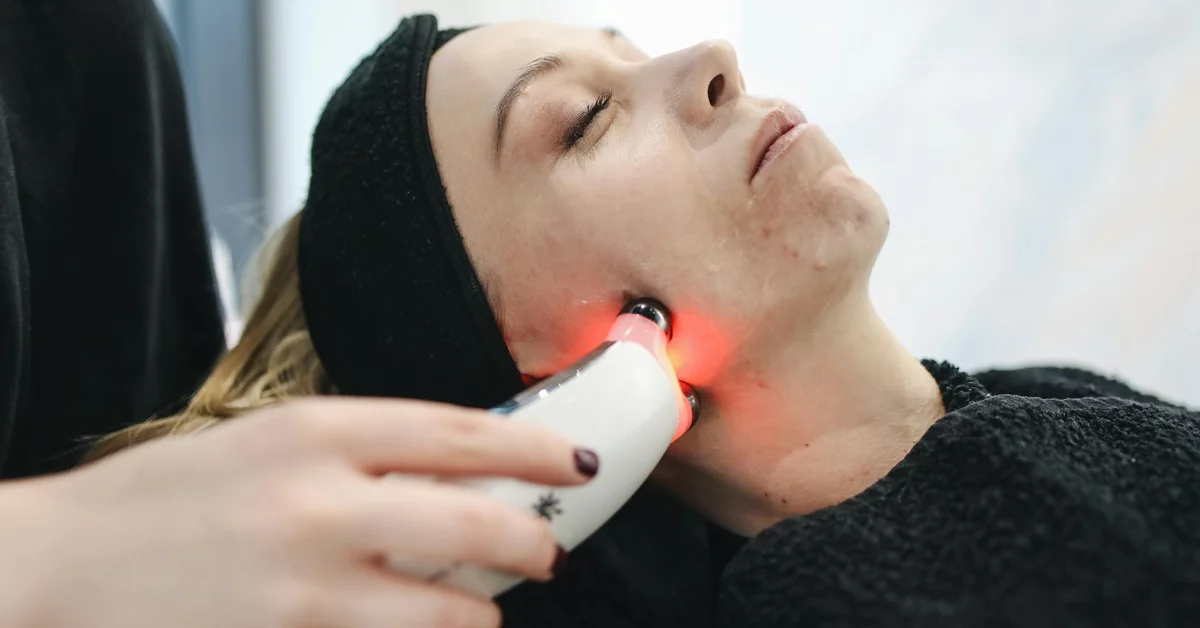
Operating a tattoo removal laser without deep knowledge of its physics is like flying a plane blindfolded. You must understand that different ink colors absorb specific light wavelengths, and selecting the wrong one is ineffective and dangerous. I’ve seen technicians simply rely on preset modes, but every tattoo and skin type demands a custom approach. The pulse duration, fluence, and spot size are not arbitrary numbers; they are the dials for precision and safety. Here’s the tattoo removal process explained in plain terms: lasers break down ink into tiny particles that the body can flush away. Each session is tailored to color and skin type.
- Wavelength Selection: Dark blues and blacks absorb a broad spectrum, while stubborn colors like green and yellow require very specific, often more intense, wavelengths to shatter the ink particles.
- Pulse Duration (Nanoseconds vs. Picoseconds): This controls how quickly the laser energy is delivered. Shorter pulses can break down ink more efficiently with less heat diffusion to the surrounding skin.
- Fluence (Energy Level): More energy isn’t always better. Using too high a fluence on fair skin can cause hypopigmentation, creating white spots that are often permanent.
- Spot Size: A larger spot size allows the laser energy to penetrate deeper into the dermis, which is crucial for reaching deeply embedded ink.
Adjusting these settings by eye, based on the immediate skin reaction, is a skill developed through rigorous training and experience. Mastering the interplay between these settings is what separates a technician from a true laser artist. It also significantly affects the sensation during laser tattoo removal.
Implementing a Laser Safety Program
A formal safety program is the backbone of any reputable clinic; it’s non-negotiable. This isn’t just a binder on a shelf; it’s a living set of protocols that every staff member breathes and executes daily. From my first day operating a laser, I was drilled on a system that prioritized consistent, documented safety above all else.
- Mandatory Protective Eyewear: Every single person in the treatment room, including the patient, must wear laser-specific safety glasses rated for the specific wavelength being used. Regular sunglasses are useless.
- Controlled Access: The laser room should have a dedicated space with warning signs illuminated during operation. I keep the key for my laser handpiece on my person to prevent unauthorized use.
- Regular Equipment Logs: We document every treatment session, including the settings used and the patient’s skin response. This creates a history for future sessions and is vital for troubleshooting.
- Emergency Protocols: Every team member is trained on the exact steps to take in case of a fire, electrical issue, or adverse patient reaction. We run drills quarterly.
A strong safety culture prevents complacency, which is the root cause of most accidents. Your vigilance is the patient’s first and last line of defense.
Managing Skin and Patient Safety During Procedures
Cooling Systems and Skin Protection
The laser’s energy is intensely hot, and managing that heat is paramount for patient comfort and skin integrity. Effective cooling is not a luxury; it is an integral part of the treatment that minimizes blistering, swelling, and long-term skin damage. I use a combination of methods to protect the epidermis, the skin’s precious top layer.
- Cryogen Cooling Sprays: These devices release a precise burst of frigid air milliseconds before the laser pulse, numbing the surface and creating a protective thermal buffer.
- Contact Cooling Tips: Many modern lasers have sapphire tips that are chilled to near-freezing temperatures. The handpiece physically cools the skin on contact throughout the procedure.
- Air Cooling Systems: A constant stream of very cold air directed at the treatment site provides continuous comfort and reduces the risk of thermal injury.
I always perform a test spot on a discreet area to gauge the patient’s skin reaction with the cooling system active. You can always add more energy in a subsequent session, but you cannot undo a third-degree burn.
Safe Use of Topical Anesthetics
While numbing creams make the process tolerable, their misuse is one of the most common and dangerous mistakes I encounter. Applying too much cream, covering too large an area, or leaving it on for too long can lead to systemic absorption and toxicity. I am extremely cautious with these potent formulations. For tattoo removal sessions, effective pain management often relies on proper topical numbing under professional guidance, balancing comfort with safety. I discuss options with each client to tailor the approach to their needs.
- Follow Application Instructions Precisely: This includes using the correct amount per square inch and adhering strictly to the recommended application time. More is not better.
- Never Apply to Broken or Irritated Skin: Damaged skin absorbs the active ingredients (like lidocaine or tetracaine) directly into the bloodstream at an alarming rate.
- Use Medical-Grade Occlusion: If the instructions call for wrapping the area with plastic wrap, use a food-safe cling film, not a cheap trash bag that can leach chemicals.
- Thoroughly Wipe Off Residue: Before the laser fires, every trace of the cream must be completely removed. The laser can interact with the white, reflective residue, altering its effect on the ink and the skin.
I have personally treated patients who experienced dizziness and heart palpitations from improper numbing cream use. Respect these topical agents as the potent medications they are, not as simple creams.
Regulatory Standards and Clinic Compliance
Every legitimate laser clinic operates under a framework of rules designed to protect you. These standards are not suggestions; they are the bedrock of professional practice and your primary shield against harm. I’ve seen clinics get inspected, and the ones that pass with flying colors are always the ones I’d trust with my own skin. They follow the book because they know the risks of cutting corners. That same discipline extends to post-care, where you’ll receive clear instructions on how to safely treat blisters after laser tattoo removal. Proper blister care reduces the risk of infection and helps your skin heal properly.
Key Compliance Checkpoints
A compliant clinic will openly adhere to these non-negotiable points. Don’t be shy about asking for verification.
- FDA-Cleared Equipment: The specific laser device used for your procedure must have FDA clearance for tattoo removal. This isn’t the same as being ‘FDA-registered’ as a facility.
- Certified Practitioners: The person operating the laser should hold a current certification from a recognized body proving they’ve been trained on that specific machine.
- Documented Safety Protocols: Look for posted procedures for medical emergencies, fire safety (lasers are a fire risk), and infection control. These should be visible and current.
- Environmental Health Department Approval: The clinic should have a recent, passing inspection from their local health department, which often focuses on sterilization and facility cleanliness.
What to Look for in a Safe Tattoo Removal Clinic

Walking into a clinic, you should feel a sense of order and professionalism, not a chaotic or rushed energy. Your gut feeling, combined with a few visual confirmations, is a powerful tool for assessing safety. From my own experiences getting work lasered off, the best clinics make you feel informed and secure from the moment you step in. When you’re choosing a tattoo removal clinic, come equipped with a short list of questions to ask about credentials, methods, and aftercare. Asking these questions upfront helps you confirm quality and transparency before you commit.
Red Flags and Green Lights in Clinic Safety
Use this simple guide to quickly assess a clinic’s commitment to your well-being.
Major Red Flags
- No Consultation: Any clinic willing to laser you without a thorough, in-person consultation is a hard avoid. They need to assess your skin type, tattoo, and medical history first.
- Dirty or Cluttered Environment: If the treatment room isn’t spotless, imagine what you can’t see. Sterilization should be obvious.
- Unwilling to Show Credentials: If they hesitate or get defensive when you ask about the practitioner’s certifications or the laser’s model, walk away.
- No Protective Eyewear: Proper, wavelength-specific goggles for you and the practitioner are mandatory. If they aren’t offered, the clinic is dangerously negligent.
Positive Green Lights
- Comprehensive Paperwork: You’ll be given detailed consent forms that clearly explain risks, aftercare, and the expected number of sessions.
- Open Communication: The practitioner answers all your questions patiently and explains each step of the process without rushing you.
- Dedicated Laser Room: The procedure is performed in a room designed for it, with a dedicated laser unit, not a multi-purpose space that feels makeshift.
- Clear Pricing and Policies: Costs are explained upfront with no hidden fees. They are transparent about their refund or rescheduling policies.
Ultimately, a safe clinic welcomes your scrutiny and treats your questions as a sign of a smart client, not a difficult one. I’ve turned clients away from my own studio when I felt their expectations weren’t aligned with reality-a reputable professional would rather lose a sale than cause a problem.
Frequently Asked Questions
Is there a cancer risk from laser tattoo removal?
While the laser itself is not known to cause cancer, the primary concern involves the plume (smoke) generated during treatment, which can contain potentially carcinogenic substances from vaporized ink and skin; however, this risk is effectively minimized in reputable clinics through the use of high-efficiency smoke evacuators and proper ventilation systems that capture and filter these particles. Additionally, lifestyle factors like smoking and diet can influence tattoo removal results; smoking can impair circulation and healing, potentially requiring more sessions, while a nutritious diet supports skin recovery between treatments.
What does scientific research say about the safety of laser tattoo removal?
Studies accessible through databases like PubMed generally support the safety of laser tattoo removal when performed by trained professionals adhering to established guidelines, highlighting that adverse effects like scarring or pigmentation changes are rare and often linked to improper technique rather than the procedure itself, contrasting with the risks of using subpar equipment in tattoo removal clinics.
What safety concerns do people commonly share on social media about laser tattoo removal?
On platforms such as Reddit, users frequently express concerns about inexperienced operators causing burns, permanent skin discoloration, or inadequate use of protective gear like safety goggles, emphasizing the importance of verifying a clinic’s credentials and safety protocols before undergoing treatment.
Closing Words
Your skin’s health is the ultimate priority in any tattoo removal journey. Proper laser safety protocols are not just a set of rules; they are the foundation of a successful and complication-free treatment. I’ve seen the difference firsthand, both on my own skin and with countless clients—rigorous safety is what separates a professional clinic from a risky gamble. To help you navigate this safely, I’ve put together a quick guide to finding reputable laser tattoo removal clinics near you. Look for clinics that publish safety protocols, transparent pricing, credentialed practitioners, and a thorough consultation process.
Trust your instincts and do your homework before letting anyone fire a laser at you. Choosing a clinic that prioritizes your safety and can clearly explain its procedures is the single most important decision you will make. Do not compromise on this for any reason, as your long-term skin integrity depends on it. After your session, follow a clear aftercare guide to protect healing skin. Knowing what to expect helps you maintain results and minimize downtime.
Further Reading & Sources
Ink Fade Lab is your trusted source for tattoo removal insights, combining expert knowledge with compassionate care to help you make informed decisions about your tattoo journey. Based on years of experience in the tattoo removal industry, we are dedicated to providing accurate, up-to-date information to support your choices.
Risks & Safety