
What Are Natural Tattoo Removal Methods?
Published on: February 24, 2026 | Last Updated: February 24, 2026
Written By: Ashita no Joe
Are you staring at a tattoo you regret, hoping for a gentle way to erase it without lasers or clinics? I’ve felt that same unease after getting ink I later wanted gone, and I’ve guided many clients through this exact dilemma.
This guide gives you straight talk on natural removal techniques, drawing from my hands-on experience in the tattoo world. We will examine which home methods show real promise, highlight the risks of unsafe DIY approaches, and outline steps to protect your skin during the process.
What “Natural” Tattoo Removal Actually Means
In our world, “natural” tattoo removal refers to any technique that attempts to fade or erase ink without using energy-based medical devices or surgical procedures. People use this term for a wide range of home remedies and topical applications they can buy or mix themselves.
These methods rely on substances you might find in a kitchen or a health store. Think lemon juice, salt scrubs, aloe vera, and specialized “fading” creams. The core idea is that these natural agents can somehow draw the ink out from the lower layers of your skin up to the surface.
You must clearly separate these approaches from professional treatments. Laser removal uses concentrated light pulses to shatter ink particles. Saline removal uses a concentrated salt solution injected into the skin to osmotically pull pigment out. Professional methods work from the inside out, while natural methods typically work, or try to work, from the outside in. That fundamental difference dictates their effectiveness.
The Real-World Effectiveness of Natural Fading Methods
The results you can expect from natural methods are almost universally minor. At their absolute best, these techniques might cause very slight lightening or fading of a tattoo, particularly if it’s new and placed superficially. They will not erase a tattoo. I’ve seen countless clients come to me after months of trying natural remedies with nothing more than slightly irritated, slightly less-vibrant skin. For those seeking more reliable results, noninvasive tattoo removal techniques—such as laser therapy—are commonly used. These methods target pigment beneath the skin without incisions.
The science behind why they struggle is simple. Tattoo ink doesn’t sit on the surface; it’s trapped permanently in the dermis, the second layer of your skin. Your body’s immune system cells, called macrophages, engulf the foreign ink particles to try and contain them. Topical applications like pastes and creams cannot penetrate deeply enough to interact with these captured ink particles in any meaningful way. They work on the epidermis, the top layer, which holds no tattoo pigment.
Scrubs or acidic solutions might exfoliate the top skin cells, creating a temporary illusion of a lighter tattoo. I once tried a lemon juice paste on a small tattoo myself years ago. All I achieved was red, sensitive skin and a faint lightening that disappeared as soon as the skin healed and regenerated. You are essentially fading the surface skin, not the tattoo underneath it. Set your expectations for a subtle change in appearance, not for the clean slate you get with laser technology.
Common Natural Tattoo Removal Ingredients and How They’re Used
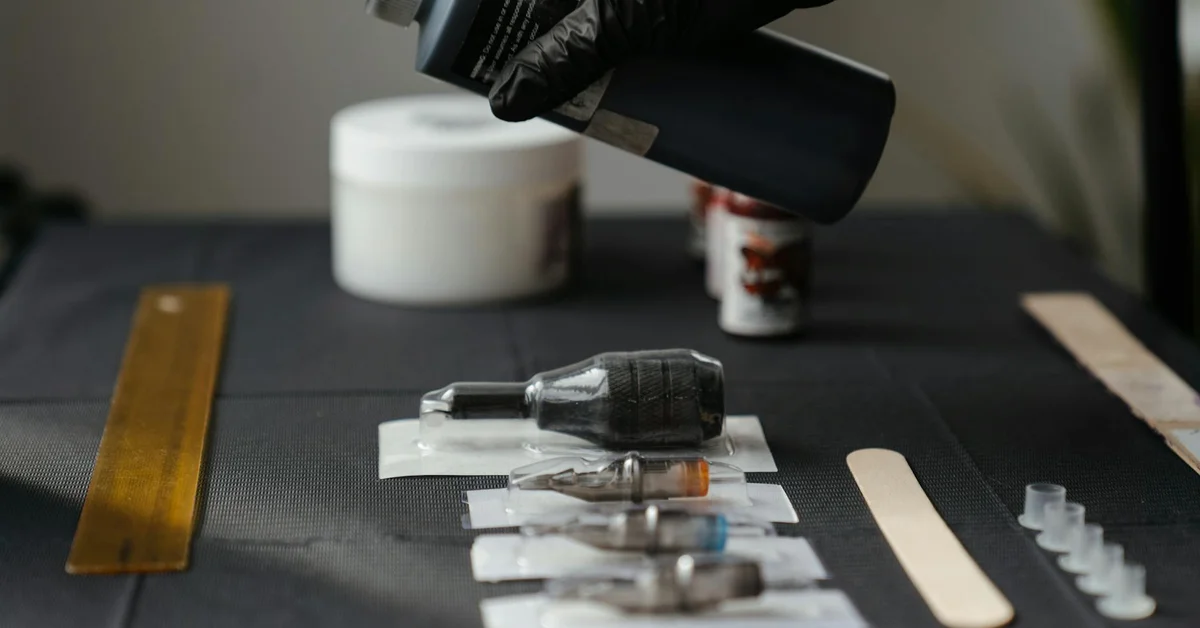
People turn to their kitchen pantries and gardens hoping to find a cheap, gentle solution. I’ve seen clients try everything, and I’ve even tested a few myself on small, hidden tattoos out of pure curiosity. The reality is these methods rely on basic, often harsh, chemical and physical actions on the skin. For tattoo removal, especially on sensitive skin, professional guidance and careful aftercare are essential. DIY methods can worsen irritation or cause lasting damage.
- Lemon Juice: Applied directly or mixed into a paste. The high citric acid content acts as a chemical exfoliant and a natural bleaching agent, attempting to break down and lighten the surface pigment.
- Salt: Typically mixed with water to form a coarse scrub. This is a pure physical exfoliation method, literally sanding away the top layers of skin where some tattoo ink resides.
- Aloe Vera: Used as a gel directly from the plant. It’s praised for its soothing and healing properties, with the claim that it can help the body’s immune system gradually absorb and disperse ink particles over a very long period.
- Honey: Applied as a sticky mask. Its natural antibacterial and moisturizing properties are supposed to prevent infection during the “removal” process while gently lightening the skin.
- Turmeric: Mixed with water or milk to create a thick, yellow paste. This spice is an anti-inflammatory and is believed to inhibit melanin production, potentially causing a general lightening of the skin that might make the tattoo appear less prominent.
- Coconut Oil: Massaged vigorously into the tattoo. The idea is that deep moisturizing and massage can help break up ink and encourage lymphatic drainage, fading the tattoo from within.
- Baking Soda: Combined with water to form an abrasive paste. This functions as a milder physical exfoliant than salt, aiming to slough off dead skin cells and, with them, some superficial ink.
A Critical Look at DIY Natural Removal Creams
The market is flooded with tubes and jars promising “all-natural,” painless tattoo vanishing acts. Having analyzed dozens of these products for clients, I can tell you the formula is usually predictable. These over-the-counter creams are often just pre-mixed versions of the kitchen concoctions, with a hefty price tag and slick packaging.
You’ll commonly find blends of the ingredients listed above, along with other “botanical” extracts like TCA (Trichloroacetic Acid), which is a chemical peel agent and not truly natural. The marketing claims are bold: “Erase your tattoo in weeks,” “No scarring,” “Clinically proven.” DIY acid peels—including glycolic acid and TCA—pose real dangers and are not safe for at-home tattoo removal. At-home peels can cause burns, scarring, or uneven pigment, especially on tattooed skin.
Let’s be brutally honest about the likely outcome. At best, these creams might cause very slight superficial lightening, similar to a mild skin brightener. They cannot penetrate deep enough to reach the dermis, where the majority of your tattoo ink permanently lives. The “proof” is often just temporary skin irritation and redness that makes the tattoo look less distinct for a few hours.
The Significant Risks and Downsides of Going the Natural Route
This is where I put my foot down as a professional. The perceived gentleness of these methods is a dangerous illusion. I’ve treated the aftermath, and it’s not pretty. You are essentially conducting an uncontrolled chemical or physical experiment on your own skin.
- Severe Skin Damage and Scarring: Acids like lemon juice can cause significant chemical burns. Abrasives like salt and baking soda create micro-tears, opening the door for infection and leading to permanent textural changes and scarring that are often more noticeable than the original tattoo.
- High Risk of Infection: Applying organic substances like honey and aloe in non-sterile conditions introduces bacteria into compromised skin. An infected tattoo is a serious medical issue.
- Inflammation and Uneven Fading: These methods irritate the skin, causing inflammation. This can actually make ink particles migrate or be absorbed unevenly by the body, resulting in a blotchy, splotchy appearance instead of a clean fade.
- Permanent Skin Discoloration: This is a major, often overlooked risk. The inflammatory response can trigger hyperpigmentation (darkening of the skin) or hypopigmentation (lightening of the skin). You might successfully fade a black tattoo only to be left with a permanent brown or white shadow of its shape.
Safety First: A Realistic Guide to Trying Home Methods
Before you rub anything on your skin, you need a plan. Your skin’s health is the absolute priority, not just the fading of some ink.
Your Non-Negotiable Safety Checklist
- Consult a dermatologist first, especially if you have sensitive skin, eczema, or a history of keloids.
- Use only clean, single-use applicators like cotton swabs to prevent bacterial infection.
- Purchase products from reputable sources; avoid unregulated online marketplaces for creams.
- Never use methods that involve breaking the skin, like salabrasion or amateur dermabrasion tools.
- Keep all products out of your eyes, nose, and mouth.
The Critical Step Everyone Skips: The Patch Test
I’ve seen clients rush this and pay for it with weeks of irritation. Apply a small amount of the product to a discreet, non-tattooed area of skin and wait 24-48 hours. Watch for redness, swelling, blistering, or intense itching. Any reaction means you stop immediately. Your body is telling you no.
Protecting Your Skin’s Future
A tattoo you’re trying to remove makes that skin more vulnerable. Sun exposure will darken the pigment and can cause hyperpigmentation, making the tattoo look more prominent, not less. I apply a high-SPF, broad-spectrum sunscreen to any area I’m treating every single day, without fail. It is non-negotiable. In the tattoo removal process, protecting treated skin from sun exposure is essential to prevent pigment shifts and uneven fading. Sunscreen helps support proper healing and final results.
How Natural Methods Compare to Professional Tattoo Removal
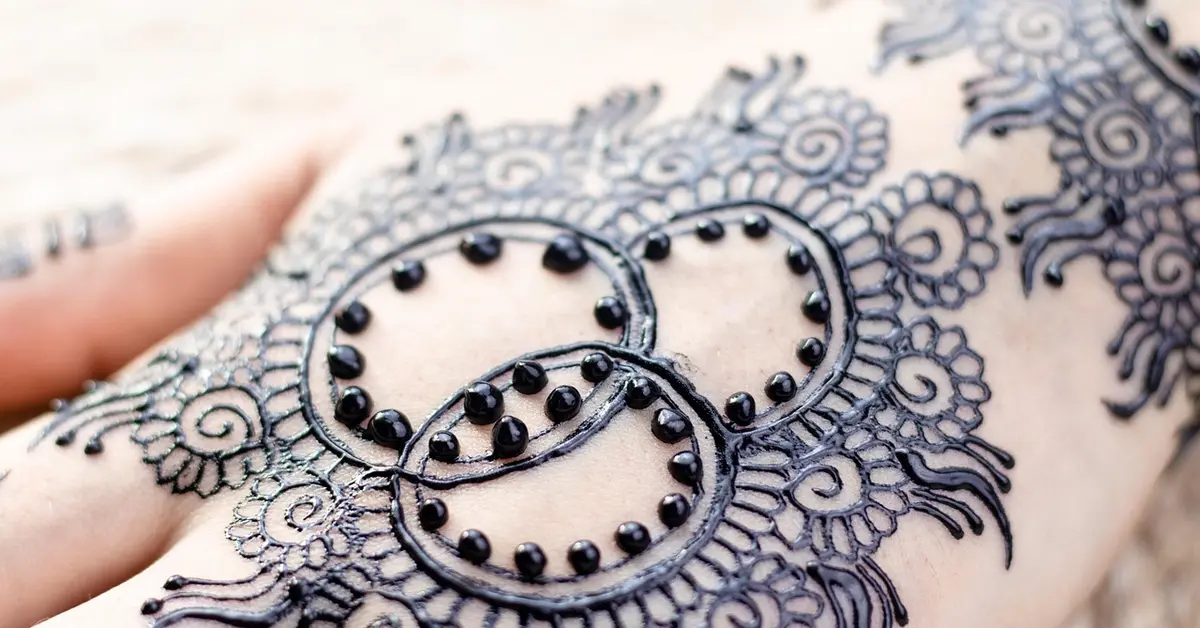
Let’s be brutally honest about how these paths differ. I’ve walked both, and the contrast is stark.
Effectiveness, Cost, and Time: A Direct Comparison
- Effectiveness: Home methods might lighten a superficial tattoo over many months. Professional laser removal shatters ink particles for your body to eliminate. There is no contest in power.
- Cost: A jar of cream is cheap upfront. Laser treatments are a significant investment, but they are an investment in a guaranteed result. You often end up spending more on endless “natural” products that yield nothing.
- Time: Natural routes demand daily effort for a year or more for minimal change. A laser session takes minutes, with results visible after a few weeks of healing.
Risks and Potential Outcomes Side-by-Side
- Home Method Risks: Skin irritation, allergic reactions, chemical burns, scarring, and infection. The outcome is almost always a faint, blurry shadow of the original tattoo.
- Professional Laser Risks: Temporary redness, swelling, blistering, and (rarely) hypopigmentation. The outcome, with a qualified technician, is complete or near-complete removal.
When a Professional Consultation is Mandatory
You need to see a professional if your tattoo is large, covers sensitive areas like the face or hands, or contains bright colors like green or blue. If you have a professional job or social obligations where visible, failed removal would be a problem, do not experiment at home. DIY tattoo removal methods carry real dangers—burns, scarring, and infections. You can read more about these risks here. They often produce unpredictable results that can complicate future professional treatments. I always recommend a consultation first; it gives you the real facts for an informed decision.
Making an Informed Choice About Your Tattoo Removal Path
Your decision hinges on three key factors: your tattoo, your tolerance, and your timeline.
Key Takeaways for Your Journey
- Natural methods require immense patience for minimal, unpredictable results.
- Laser technology is the only method proven to effectively remove tattoo ink.
- Safety and skin integrity must always come before vanity.
Practical Advice Based on Your Tattoo
- Small, Old, Amateur Tattoos: These are the only candidates where a cautious home approach might show some fading. The ink is often shallower and less dense.
- Large, Dark, or Professional Tattoos: Do not attempt home removal. You will waste time and risk scarring. Laser is your only realistic path.
- Tattoos on Bony Areas (Ankles, Ribs): These are notoriously painful to treat with laser, but home methods are equally ineffective here due to thin skin.
Manage your expectations from the start; no method will erase a tattoo without leaving some trace on the skin’s memory. Your health is the final line you should never cross. Choose the path that protects it while moving you toward your goal. In the tattoo removal process explained, we’ll break down how lasers work and what to expect in a session. You’ll learn the typical timeline and aftercare steps.
Frequently Asked Questions
What do people on Reddit say about their experiences with natural tattoo removal?
On Reddit, users often share mixed but cautionary tales, with many reporting minimal fading and frequent issues like skin irritation, scarring, or infections from DIY methods like salt scrubs or lemon juice. Most emphasize that natural approaches rarely deliver significant results and advise consulting a professional to avoid permanent damage.
Do over-the-counter natural tattoo removal creams actually work?
Over-the-counter natural tattoo removal creams are generally ineffective, as they cannot penetrate deeply enough to reach the dermis where ink is stored; at best, they might cause slight superficial lightening but often lead to skin irritation or allergic reactions without meaningful tattoo removal. Scientific investigations have shown that these creams rarely work.
Is it safe to use natural methods for eyebrow tattoo removal?
Using natural methods for eyebrow tattoo removal is particularly risky due to the delicate skin in that area, which is prone to scarring, uneven fading, or permanent discoloration; professional consultation is essential to avoid damaging hair follicles or causing long-term aesthetic issues. These concerns are even more critical when considering eyelid tattoos, where the skin is thinner and the eye is near. Trying natural removal on the eyelid can increase the risk of irritation, infection, or accidental eye injury, highlighting the dangers of eyelid tattoo removal.
Closing Words
While natural tattoo removal methods offer a compelling, low-cost narrative, their results are often a story of faded hopes rather than a faded tattoo. My own experiments and professional observations confirm that these techniques might lighten a tattoo slightly over many years, but they will not erase it. Your skin’s immune system is simply not designed to process large, stable ink particles that way.
For any meaningful ink clearance, professional laser removal remains the only method with consistent, scientifically-backed results. In reputable clinics, laser safety protocols protect clients and staff through proper eye protection, skin cooling, and calibrated equipment. Save your lemon juice and salt scrubs for the kitchen, and consult a qualified removal specialist to discuss a plan that will actually work for your skin and your tattoo.
Further Reading & Sources
Ink Fade Lab is your trusted source for tattoo removal insights, combining expert knowledge with compassionate care to help you make informed decisions about your tattoo journey. Based on years of experience in the tattoo removal industry, we are dedicated to providing accurate, up-to-date information to support your choices.
Non-Laser Methods