
Natural Tattoo Removal: What Actually Works
Published on: January 29, 2026 | Last Updated: January 29, 2026
Written By: Ashita no Joe
Have you ever looked at a tattoo you no longer love and wondered if there’s a gentle, natural way to make it disappear? I’ve been in your shoes, both as a tattoo artist and someone who has removed ink from my own skin. This guide strips away the hype and gives you clear, honest facts based on my years of experience.
We will examine the true effectiveness of home remedies and over-the-counter creams. I will share my personal stories of testing these methods and detail the stark realities you face. You will get a straightforward breakdown of which approaches show any promise and crucial safety warnings to protect your skin.
What Exactly Are Natural Tattoo Removal Methods?
Natural tattoo removal refers to any at-home technique that uses common household items or topical applications in an attempt to fade or erase tattoo ink.
These are essentially home remedies that bypass professional clinics and technology.
I’ve seen clients try everything in their pantry before finally walking into my studio.
- Lemon juice, valued for its natural acidity and lightening properties.
- Coarse salt scrubs used to abrade the skin’s surface.
- Raw honey, applied for its purported healing and drawing capabilities.
- Aloe vera gel, sought for its soothing and regenerative qualities.
- Turmeric paste, known for its anti-inflammatory and brightening effects.
- Apple cider vinegar, used as a peeling or exfoliating agent.
The basic claim behind these methods is that they slowly break down ink particles and draw them to the surface through repeated exfoliation or chemical action.
They aim to lighten the tattoo by forcing your body to push the pigment out during the skin’s natural healing cycle.
How Effective Are Natural Tattoo Removal Methods?
Let’s be brutally honest about their efficiency. These methods have severe limits and almost no scientific backing for permanent, complete removal.
I’ve tried a couple myself on a small, poorly done tattoo, and the result was minor fading at best alongside significant skin irritation. That experience makes me curious about fade tattoo cover up options. A fade tattoo cover up might salvage the design without more invasive procedures.
The fundamental problem is that tattoo ink resides deep within the dermis, far below the reach of any topical solution.
Professional laser removal works because its energy can travel to that precise depth; a lemon juice soak simply cannot.
Several critical factors dictate why these home remedies fail.
- Pigment Depth: Ink is deposited 1.5 to 2 millimeters into your skin. Topical applications only affect the very top layer, the epidermis.
- Ink Layering and Density: A solid, professional tattoo packs ink densely. A scrub might fade the faintest edges but will never touch the core.
- Dermal Tattoo Ink Location: Your immune system walls off ink particles in the dermis. Surface treatments cannot signal your body to remove these stabilized particles.
Any perceived success is often a placebo effect or temporary inflammation that makes the tattoo appear less sharp.
You might see a slight lightening after weeks of stinging applications and raw skin.
Realistically, expect only superficial fading that is often indistinguishable from natural skin aging over time.
For a clear, complete removal, these methods are not a viable path.
What Are the Real Risks of DIY Tattoo Removal?
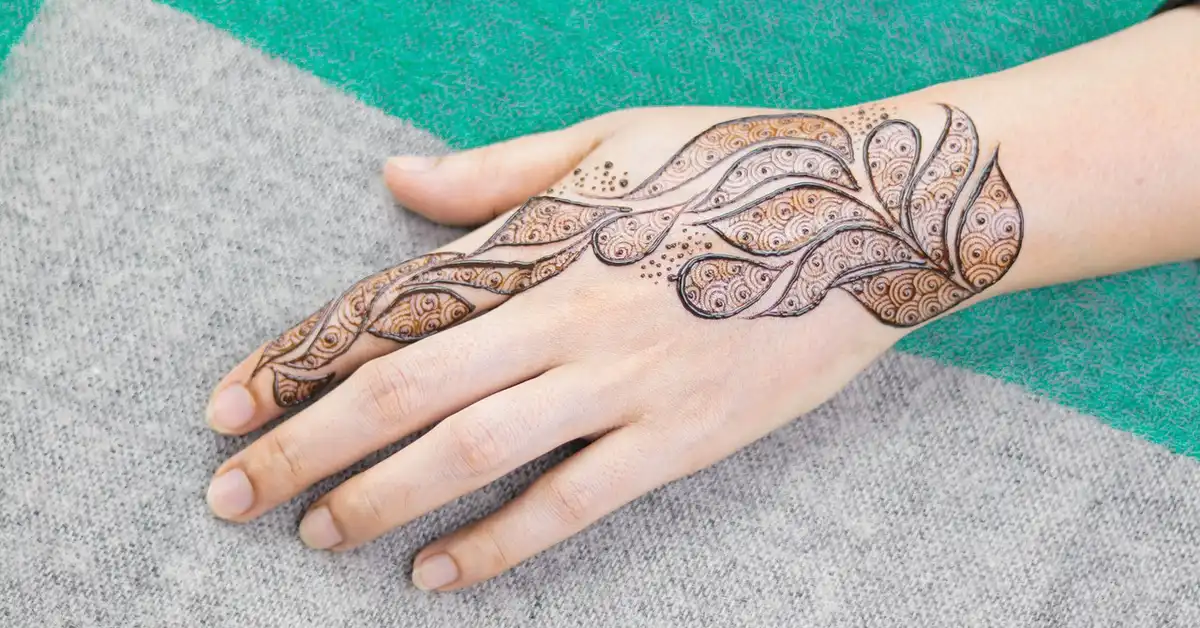
Attempting to erase a tattoo from your skin without professional oversight is a gamble with your body’s largest organ. I’ve seen the aftermath firsthand, and it’s rarely pretty. DIY home tattoo removal dramatically increases those risks, with burns, scarring, and infections being common outcomes. If you’re considering removing a tattoo, seek a licensed professional who can assess and treat complications safely.
- Skin Irritation and Chemical Burns: Many DIY methods involve abrasive salts, acidic citrus juices, or harsh chemical pastes. These substances can cause severe inflammation, blisters, and chemical burns that are far more noticeable than the original tattoo.
- Permanent Scarring Risk: Your skin isn’t a piece of wood you can sand down. Aggressive scrubbing, salt rubbing, or using a tattoo removal cream of dubious origin destroys the top layers of skin and the delicate structures beneath. This damage often heals as raised, textured scars that permanently replace your tattoo.
- Serious Infection: Breaking the skin’s barrier with unsterile tools or techniques invites bacteria. I once had a client who tried a “pumice stone and alcohol” method; they ended up with a staph infection that required antibiotics and left a cratered, discolored patch of skin.
The most dangerous aspect of DIY removal is the false belief that you have total control; skin damage can escalate from minor to irreversible in a single, overzealous session. Medical guidance exists for a reason-to navigate the complex biology of your skin safely.
How Do Natural Methods Compare to Professional Tattoo Removal?
Let’s be blunt: comparing home remedies to professional laser removal is like comparing a garden hose to a fire department. One is for light surface work, the other is engineered for the deep, stubborn job.
- Time and Patience: A natural method might promise fading over years of consistent, painful application. A professional laser session takes minutes and shows visible results after a few weeks. Laser technology works with your body’s immune system to flush out ink, a process home remedies cannot replicate.
- Cost Analysis: While a jar of salt or aloe vera seems cheap, the cumulative cost of your time, repeated purchases, and potential medical bills for complications adds up. Laser removal has a clear, upfront price for predictable, significant clearance.
- Results and Certainty: Home remedies might lighten a tattoo slightly if you’re lucky. Lasers shatter ink particles into microscopic fragments your body can naturally eliminate. I’ve watched lasers completely remove dense, black tribal work that a homemade paste wouldn’t have touched.
Professional removal outperforms natural fading because it addresses the root of the problem-ink trapped deep in the dermis-rather than just irritating the surface. It’s a targeted, scientific approach versus a hopeful, scattered one.
Common Natural Remedies and Their Harsh Reality
I’ve had clients come to me with raw, irritated skin after trying every kitchen-cabinet cure they found online. Natural removal methods often promise a gentle solution but deliver a harsh lesson in skin biology. Let’s break down the most common ones.
Lemon Juice
People dab fresh lemon juice directly onto their tattoo, believing the citric acid will lighten the ink. The reality is far less appealing. Lemon juice is highly acidic and acts as a corrosive agent, essentially giving you a chemical burn. It might slightly lighten the top layer of skin, but it does not reach the ink trapped deep in the dermis. You’re left with red, peeling, and incredibly photosensitive skin, with the tattoo virtually unchanged underneath.
Turmeric and Salt Scrubs
This involves making a thick paste of turmeric and salt, sometimes with honey, and scrubbing it vigorously into the skin. Turmeric has anti-inflammatory properties, but it stains everything it touches a bright yellow. The salt acts as a brutal physical exfoliant. You are literally sanding your skin with sharp salt crystals, causing micro-tears and significant irritation. Any perceived fading is just the top layers of skin being scraped away, not the tattoo ink being removed. The staining and potential for scarring make this a terrible choice, especially compared to other at-home tattoo removal methods.
Aloe Vera and Vitamin E Oil
These are often touted for their healing properties, and they are excellent for moisturizing and soothing skin. However, they are not removal agents; they are maintenance and healing agents. I use high-quality vitamin E oil to help my clients’ skin recover after professional laser sessions. Using them alone for removal will only result in a very well-moisturized tattoo. They do not break down ink particles.
Typical Outcomes and Limitations
- Uneven Fading: Home applications are inconsistent. You might see a slight lightening in one spot and no change right next to it, creating a blotchy, messy appearance.
- Minimal Pigment Reduction: The molecular size of tattoo ink is too large for these topical applications to break down or pull to the surface effectively.
- Surface-Level Damage: These methods primarily affect the epidermis. The real tattoo ink sits much deeper, completely untouched by the process.
Setting Realistic Expectations for Natural Fading

Hope is not a strategy when it comes to tattoo removal. You must approach any DIY method with brutally low expectations to avoid disappointment and injury. I speak from experience, having tried a salt scrub on a small, botched tattoo on my own ankle years ago before I knew better. If you’re considering home remedies like don’t remove tattoo with salt, don’t—it’s not a real solution. Salt can irritate or burn the skin and may worsen scarring.
The Timeline and Typical Results
If you commit to a natural method, you are looking at a process spanning many months, if not years, for a result that is often negligible. In tattoo removal stages, you typically see slow, incremental changes: early fading, then gradual lightening over many months. These stages rarely lead to a clean, complete disappearance with natural methods. You might achieve a very slight, overall lightening that makes the tattoo look a bit older and duller, but you will not see a clear, clean removal. The tattoo’s lines will remain blurry, and the colors will not vanish. This is the absolute best-case scenario.
When to Stop and Seek Professional Help
You need to recognize the red flags that signal it’s time to abandon the DIY approach. My advice is to stop immediately and book a consultation with a professional if you notice any of the following:
- Persistent redness, swelling, or rash that lasts more than a couple of days.
- The skin becomes raised, itchy, or develops a texture change (a sign of scarring).
- You see zero visual change in the tattoo’s darkness or clarity after 2-3 months of consistent effort.
- The tattoo starts to look more blurred and muddy instead of lighter.
The Paramount Importance of Skin Health
This is the most critical point I can stress. Damaging your skin’s integrity with corrosive or abrasive methods can create permanent problems that no laser can fix. Scar tissue does not hold ink the same way, making future professional removal more difficult and less effective. You can also permanently damage your skin’s ability to pigment, leaving you with white spots or a leathery texture. Protecting the canvas is always more important than attempting to erase the art.
Frequently Asked Questions
How does professional tattoo removal work?
Professional tattoo removal uses laser technology to target ink particles deep in the dermis. The laser emits specific light wavelengths that break the ink into tiny fragments, which are then naturally flushed out by your body’s immune system over several sessions, leading to gradual fading without damaging the surrounding skin. Here’s a brief explanation of the tattoo removal process. We’ll walk through the steps and what you can expect during treatment.
What helps improve the results of tattoo removal?
To enhance tattoo removal outcomes, focus on maintaining overall skin health by staying hydrated, avoiding sun exposure to prevent discoloration, and following a balanced diet to support your immune system. Additionally, adhering to aftercare advice from professionals, such as using recommended creams and avoiding irritants, can promote better healing and more effective ink clearance. If you have sensitive skin, choose fragrance-free, hypoallergenic aftercare products and patch-test anything new. A gentle, barrier-supporting routine can help minimize irritation during healing.
What advancements are expected in future tattoo removal technology?
Future tattoo removal is likely to see innovations like improved picosecond lasers for faster and less painful treatments, as well as research into topical solutions that safely break down ink. There’s also growing interest in developing easier-to-remove tattoo inks and non-invasive methods, making the process more efficient and accessible for everyone. The latest research and emerging technologies promise to revolutionize tattoo removal even further.
Closing Words
Natural methods offer a whisper of hope, but they rarely deliver the clear, clean skin you’re searching for. They might lighten a tattoo over many years, but complete removal is a fantasy. I’ve seen the faint results on my own skin and my clients’; it’s a lesson in patience with very little payoff. For a detailed look at those methods, you can check out my article on natural tattoo removal methods.
Your best path forward is a professional consultation. Stop wasting time and money on unproven remedies that can damage your skin. A qualified removal specialist can assess your tattoo and give you a realistic, effective plan to erase your ink for good. They can also discuss related tattoo removal and cosmetic options you might consider alongside removal, such as laser skin rejuvenation or scar-minimizing treatments. This helps you see how tattoo removal fits within your broader cosmetic care goals.
Further Reading & Sources
- Tattoo Vanish – The Best All-Natural, Non-Laser Tattoo Removal | Fast Eyebrow Tattoo Removal Near Me | Tattoo Removal Cream
- How Effective are Home Remedies to Remove a Tattoo? | Removery
Ink Fade Lab is your trusted source for tattoo removal insights, combining expert knowledge with compassionate care to help you make informed decisions about your tattoo journey. Based on years of experience in the tattoo removal industry, we are dedicated to providing accurate, up-to-date information to support your choices.
Non-Laser Methods