The Hidden Dangers of DIY Acid Peels for Tattoo Removal
Published on: February 18, 2026 | Last Updated: February 18, 2026
Written By: Ashita no Joe
Are you staring at a tattoo you no longer love, searching for a cheap and private way to make it disappear? I’ve been there myself, and I understand the powerful urge to take matters into your own hands. But using a bottle of glycolic or TCA acid you bought online is a gamble with your skin that you will almost certainly lose.
This guide will give you the unvarnished truth from my years in the tattoo and removal industry. I’ll explain exactly why these chemicals cause severe burns and permanent scars, show you what a real skin infection looks like, and reveal the only safe, effective paths to clear skin.
What Are DIY Acid Peels and How Do They Work on Tattoos?
Glycolic acid is a substance derived from sugar cane that acts as a superficial exfoliant, while Trichloroacetic Acid (TCA) is a much more potent chemical that destroys skin cells to force regeneration.
These chemicals aim to remove tattoos by creating a controlled injury, hoping the body will push the ink out as it heals the chemically damaged skin layers. The acid essentially burns through the epidermis and into the dermis where tattoo ink resides, attempting to break up the pigment. From a chemistry perspective, tattoo ink removal focuses on how the ink pigments react with removal agents. Scientists study which ingredients dissolve pigment molecules and how they influence clearance from the skin.
Common DIY application methods are frighteningly crude.
- Applying the acid solution with a cotton swab or toothpick
- Using homemade “neutralizers” like baking soda and water
- Pricking the skin with a needle before application to “help it penetrate”
- Repeating the process every few weeks based on online tutorials
I’ve seen the aftermath of these attempts walk into my studio. One client tried a TCA peel from an online kit, resulting in a raised, waxy scar that made the tattoo darker and more distorted. Their desperate attempt to save money cost them far more to correct the resulting damage. It is crucial to understand the risks involved with DIY tattoo removal before trying any such methods.
Immediate Dangers: Chemical Burns and Acute Skin Damage
The risks of applying industrial-strength acids to your skin outside a clinical setting cannot be overstated.
- Third-degree chemical burns requiring skin grafts
- Severe inflammation and permanent hyperpigmentation
- Blistering that leads to open wounds and significant scarring
- Allergic reactions to unknown chemical concentrations
These acids completely demolish your skin’s protective barrier and create a massive pH imbalance that your body struggles to correct. Your skin is left defenseless against bacterial invasion, turning a simple procedure into a medical emergency.
I treated a client who developed a staph infection after a glycolic acid peel, which they tried to neutralize with milk. The infection spread, requiring antibiotics and leaving a textured scar that will never hold ink properly again.
Do not underestimate the pain. This isn’t a mild tingling sensation-it’s a deep, burning agony that lasts for days. Without proper chemical neutralization and wound care, you are essentially giving yourself a corrosive injury with no off-switch. The damage can continue to penetrate deeper into your tissue long after you think the process is over.
Long-Term Complications: Scarring and Pigmentation Disorders

Applying a potent acid to your skin is a controlled injury, and your body’s healing response is anything but predictable. When you use an acid peel at home, you are essentially gambling with your skin’s long-term ability to heal correctly, and the house usually wins.
Hyperpigmentation and Hypopigmentation Risks
The acid triggers inflammation, and for many skin types, this inflammation signals melanocytes to go into overdrive. This results in hyperpigmentation—dark, stubborn stains on the skin that can be more noticeable than the original tattoo. On the flip side, the acid can permanently destroy these pigment-producing cells, leading to hypopigmentation. You’re left with ghostly, permanent white patches where the skin has lost all color. In the context of tattoo removal, post-inflammatory hyperpigmentation can persist after the procedure, leaving dark patches even after the tattoo is gone. Proper aftercare and sun protection can help minimize this risk.
- Hyperpigmentation: Appears as dark brown or gray splotches that frame the old tattoo lines, creating a muddy, shadowed effect.
- Hypopigmentation: Creates stark white areas that will not tan and are often permanent, leaving a bleached, scar-like appearance.
How Scarring and Keloids Form
Your skin has multiple layers. Professional lasers are designed to target only the ink in the dermis. Acid peels cannot tell the difference; they indiscriminately burn through the epidermis and into the dermis. This deep tissue damage forces your body to produce chaotic collagen to patch the wound, resulting in thick, raised scars. If you are genetically prone to keloids, an acid peel is practically an invitation for them to form-a raised, itchy, growing mass of scar tissue that is incredibly difficult to treat.
Post-Inflammatory Changes and Texture Issues
Even if you avoid a major scar, the skin’s texture is often permanently altered. I’ve seen skin take on a crinkled, cigarette-paper-like texture. Other times, it becomes pitted and uneven, like the surface of an orange. This damage occurs at a structural level and is not something moisturizer can fix.
Observations from Lasting Client Damage
A client came to me after using a TCA peel from an online kit. She wasn’t trying to remove a tattoo, just lighten it for a cover-up. The peel left a dark brown halo around every line of her tattoo. My laser could remove the black ink, but it couldn’t touch the hyperpigmentation stain the acid left behind. In the realm of noninvasive tattoo removal techniques, lasers are the standard approach. Hyperpigmentation from DIY peels can complicate results and require careful staging. She was left with a faint ghost of the tattoo made entirely of her own skin pigment—a permanent reminder of a five-minute DIY decision.
Why DIY Acid Peels Fail to Remove Tattoos Effectively
Hope is a powerful motivator, but it doesn’t change physics or human biology. The idea that you can dissolve tattoo ink with a bottle of acid is a fundamental misunderstanding of how tattoos work and how skin heals.
DIY Outcomes vs. Professional Results
- DIY Acid Peel: Often results in a blurred, discolored, and scarred version of the original tattoo. The goal was removal, but the outcome is a different, often uglier, permanent skin feature.
- Professional Laser Removal: Uses specific light wavelengths to shatter ink particles deep in the skin, which your body’s immune system then slowly flushes out over weeks. The skin surface remains largely intact, and with proper aftercare, heals without texture changes.
Ink Migration and Incomplete Removal
Acids don’t eliminate ink; they just move it around and obscure it. The chemical burn causes inflammation and swelling, which can push ink particles deeper into the dermis or scatter them sideways. This makes the tattoo look faded initially, but it’s an illusion-the ink is now dispersed in a wider, murkier pattern that is a nightmare for a laser technician to target later. You’re left with a blurry, shadowy version of your tattoo that is often harder to remove than the original crisp lines. This kind of uneven fading can actually complicate the removal process.
The Critical Lack of Precision
In my studio, I use a laser with a spot size measured in millimeters. I can avoid moles, freckles, and adjust the energy for different colors. When you apply an acid with a cotton swab, you have zero control over its depth of penetration. It will burn the healthy skin between the tattoo lines just as aggressively as the skin holding the ink. This lack of precision is why DIY removal creates such a mess; it’s like using a flamethrower to light a candle on your skin. For those curious about safer, structured approaches, a chemical peel tattoo removal guide explains how professionals apply controlled peels to fade ink with reduced risk. Always seek guidance from a licensed clinician before attempting any chemical method.
Correcting Botched DIY Jobs
I worked on a man who tried to remove a ring of text from his finger with glycolic acid. He created a deep, circular wound that healed into a tight, shiny scar. The black letters were still perfectly visible within the scar tissue. The laser treatment was intensely painful for him because the scar held the ink more tightly, and the resulting texture will never be smooth. Fixing a DIY removal often means treating two problems: the original tattoo and the new damage you’ve added on top of it. It’s similar to combining tattoo removal with other cosmetic procedures to address both the ink and the skin’s condition.
Safe and Professional Tattoo Removal Alternatives
I’ve seen too many clients arrive at my studio with scarred, discolored skin from a DIY disaster, hoping I can fix it. Professional removal methods exist for a reason-they are developed, tested, and administered under controlled conditions to prioritize your safety and the final result. Let’s break down the options that actually work.
Comparing Professional Removal Methods
Each technique has a specific purpose and works best for certain situations. Here’s a straightforward comparison from my years in the industry.
- Laser Removal: This is the gold standard for most tattoos. A medical-grade laser breaks down ink particles into tiny fragments that your body’s immune system then flushes out. I’ve used this on myself and countless clients. It requires multiple sessions, but the precision is unmatched. It works on almost all tattoo colors and locations.
- Surgical Excision: A dermatologist or surgeon literally cuts the tattooed skin out and stitches the area closed. This method is best for small, simple tattoos where a linear scar is preferable to the original design. It’s a one-and-done procedure, but you are trading a tattoo for a scar.
- Clinical-Grade Peels: Performed by a medical professional, these are a world apart from the acid bottles sold online. A doctor uses a specific concentration and applies it with expert technique, neutralizing it at the perfect moment. This is not a method for deep tattoo removal but can sometimes help with very superficial, faded ink.
The Non-Negotiable Step: A Professional Consultation
You wouldn’t let a stranger perform surgery on you, and tattoo removal is a medical procedure on your skin. Booking a consultation with a board-certified dermatologist or an experienced laser technician is the single most important action you can take. They assess your unique situation and recommend the safest, most effective path forward. In the tattoo removal process explained, we walk you through what to expect at each stage. This includes the initial assessment, treatment, and aftercare.
Key Factors That Determine Your Removal Path
Your removal plan isn’t one-size-fits-all. A good professional will evaluate these critical elements before you even think about starting.
- Your Skin Type: Different skin tones and types react differently to laser light. Fitzpatrick skin types are used to calibrate the laser settings to minimize risks like hypopigmentation (lightening) or hyperpigmentation (darkening).
- Tattoo Location: Ink on bony areas like ankles or ribs often fades slower. Sensitive areas near the eyes require extreme caution. Blood flow in the area impacts healing.
- Tattoo Age, Size, and Colors: Older tattoos can be easier to remove. Professional black ink is the most responsive to laser, while colors like green, yellow, and fluorescent inks are stubborn and may require a specific laser wavelength.
- Your Overall Health: Your immune system does the cleanup work after laser treatments. Underlying health conditions and certain medications can affect your healing process and results.
Always begin your removal journey with a professional assessment; it is the only way to get a realistic picture of your timeline, cost, and expected outcome. Guessing with acids is a gamble with your skin as the stakes.
Emergency Steps If You’ve Already Used a DIY Peel
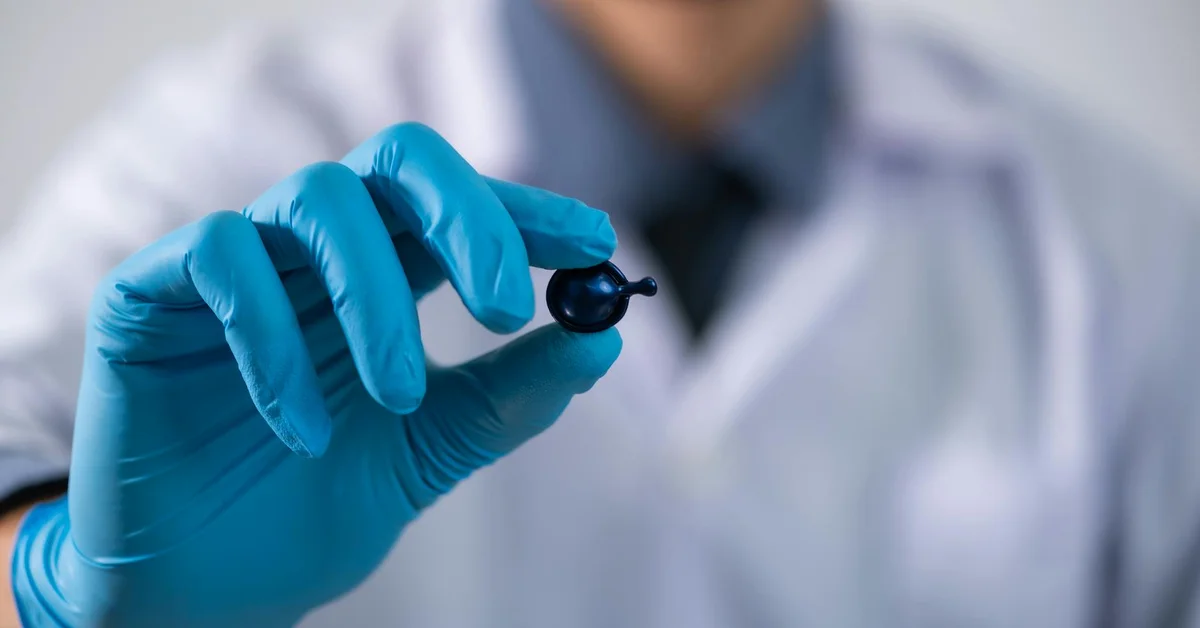
If you’re reading this with a burning, painful reaction on your skin, your first priority is damage control. I’ve helped clients through this, and prompt, correct action can make a significant difference in your recovery.
Immediate First Aid for Chemical Burns
You need to act fast. Do not panic, but do not delay.
- Remove the Source: If any peel solution is still on your skin, rinse the area immediately under a gentle, cool stream of water for at least 15-20 minutes. Do not scrub.
- Neutralize and Soothe: After rinsing, you can apply a cool, clean cloth or a compress soaked in sterile saline solution to the area. This helps soothe the burn.
- Protect the Area: Lightly cover the affected skin with a sterile, non-stick gauze pad. Do not apply adhesive bandages directly to the wounded skin. Avoid any ointments, creams, or butter, as they can trap heat and worsen the burn.
Recognizing Signs of Serious Trouble
A chemical burn is bad enough, but infection or systemic reaction is a medical emergency. Watch for these red flags.
- Increasing, throbbing pain that doesn’t subside.
- Pus, yellow or green discharge, or a foul smell from the wound.
- Swelling that spreads beyond the immediate treatment area.
- Red streaks radiating from the burn site.
- Fever, chills, or nausea.
When to Seek Urgent Medical Care
Do not hesitate to go to an urgent care clinic or emergency room if you experience any of the severe symptoms listed above, or if the burn is larger than the palm of your hand. A deep chemical burn will not heal properly on its own and requires professional medical intervention to prevent permanent scarring and tissue damage.
Recovery Tips and What to Avoid
Healing from a chemical burn is a slow process. Your goal is to support your skin without interfering.
- Follow your doctor’s wound care instructions to the letter, which may include a prescribed antibiotic ointment.
- Keep the area clean, dry, and protected from the sun. New skin is extremely vulnerable to UV damage.
- Do not pick at scabs or peeling skin. Let it shed naturally to prevent scarring.
- Avoid submerging the wound in water (e.g., baths, swimming pools) until it is fully healed.
- Once the skin has closed, begin using a medical-grade silicone gel or sheet to help manage scar formation.
Your skin has a remarkable ability to heal, but you must give it the right conditions and avoid causing further trauma. Let this be the last time you trust a bottle of acid over a medical professional.
Frequently Asked Questions
What do people on Reddit commonly report about DIY acid peel dangers?
On Reddit and similar forums, users frequently share experiences of severe chemical burns, infections, and permanent scarring from DIY glycolic or TCA peels, emphasizing how unregulated products and lack of expertise lead to disastrous outcomes that often require medical intervention.
Are there any benefits to using DIY acid peels for tattoo removal?
While DIY acid peels may appear cost-effective and private, any perceived benefits are vastly overshadowed by the high risks of chemical burns, scarring, and ineffective ink removal, making professional options like laser treatment a smarter investment for safe and reliable results.
What are the typical side effects of DIY glycolic and TCA peels?
Common side effects include immediate pain, blistering, and inflammation, often progressing to long-term issues like hyperpigmentation, hypopigmentation, and textured scars, which can permanently damage the skin and complicate future tattoo removal efforts.
In Short
Using acid peels to erase ink is a gamble with your skin’s future. The temporary sting and burn are nothing compared to the permanent scarring and skin texture changes you risk. I’ve seen the aftermath, and it’s a long, difficult road to fix, especially compared to safer methods like hydrogen peroxide tattoo removal.
Your tattoo is in your skin, not on it. Leave the removal to technologies and professionals designed to safely reach that deep layer without destroying everything in their path. Your skin will thank you for choosing a safer, smarter path to a clean slate. Future tattoo removal emerging technologies research is advancing safety and precision. This ongoing work promises gentler, more customizable options for a clean slate.
Further Reading & Sources
- Risks of Non-Laser Tattoo Removal Methods like Acid Tattoo Removal
- LETTER TO THE EDITOR The Perils of Do It Yourself Chemical Tattoo Removal – PMC
Ink Fade Lab is your trusted source for tattoo removal insights, combining expert knowledge with compassionate care to help you make informed decisions about your tattoo journey. Based on years of experience in the tattoo removal industry, we are dedicated to providing accurate, up-to-date information to support your choices.
Risks & Side Effects