Combining Tattoo Removal with Other Cosmetic Procedures
Published on: February 17, 2026 | Last Updated: February 17, 2026
Written By: Ashita no Joe
Ever looked at an old tattoo and wished it could just disappear, especially when you’re already planning other cosmetic work? You’re not alone in wanting to streamline your journey to clearer skin. This guide will walk you through the smart, safe ways to integrate laser treatments with other enhancements, saving you both time and discomfort.
I’ll break down the practical considerations from my own experience in the treatment room. We’ll cover the ideal timing for combining procedures, which treatments pair best with laser removal, and how to manage your skin’s healing process effectively.
Why Combine Tattoo Removal with Other Aesthetic Treatments?
From my own studio, I’ve watched clients grow frustrated treating their skin in isolated segments. Combining tattoo removal with other procedures creates a synergistic effect, where the total result is greater than the sum of its individual parts. A cleared tattoo means little if the surrounding skin looks aged or scarred.
Think of your skin as a single, dynamic canvas. Laser removal can leave the skin texture altered or highlight pre-existing fine lines. Addressing the entire canvas at once leads to a more harmonious and complete aesthetic transformation. This integrated approach saves you considerable time and, often, money in the long run.
Your skin’s healing process presents a golden opportunity. Strategic combination treatments leverage the body’s natural repair cycles to maximize collagen production and cellular turnover. I’ve personally found that planning my own treatments this way led to smoother, more revitalized skin overall, not just blank space where a tattoo used to be.
Popular and Safe Tattoo Removal Combinations
Laser Tattoo Removal with Skin Resurfacing
This is one of the most powerful duos I recommend to clients seeking flawless skin. Laser removal breaks up tattoo pigment, while resurfacing treatments like fractional lasers or microneedling remodel the skin’s surface. Fractional laser tattoo removal shows how this combo works in practice, addressing remaining ink and smoothing skin texture for a more even finish.
We typically perform these treatments in alternating sessions, not simultaneously, to allow the skin proper recovery time. The goal is to erase the tattoo’s story while writing a new one of renewed texture and tone. You can learn more about the process and what to expect in each removal session on our Tattoo Removal Progress: What to Expect Session by Session page.
- Fractional Laser: Creates microscopic injuries to stimulate collagen. Ideal for addressing the slight textural changes removal can cause.
- Microneedling: Uses fine needles to prompt healing. Excellent for improving overall skin quality and minimizing the appearance of old scars.
- Chemical Peels: A lighter option for surface rejuvenation, best for areas with finer tattoos and less sun damage.
Injectables and Tattoo Removal
Many don’t consider how injectables can complement the removal journey. When done correctly, they can beautifully support your final aesthetic goal.
Combining with Dermal Fillers
As we age, we lose facial volume. A tattoo on a deflated cheek or hand can appear more distorted. Strategic filler placement can restore underlying structure, which actually makes the remaining tattoo particles easier for the laser to target effectively.
I advise clients to have filler treatments after a removal session has fully healed. Never let a practitioner inject filler into freshly lasered, inflamed skin; this is a recipe for complications. The restored volume provides a tauter, more uniform surface for subsequent laser treatments.
Combining with Botox
Botox works by temporarily relaxing dynamic muscles that cause expression lines. Using Botox in areas like the forehead or crow’s feet during a removal process can prevent new wrinkles from forming as the skin heals and contracts.
Think of it as preventative maintenance for your skin. While the laser handles the pigment, Botox ensures the surrounding skin remains smooth. This is a practical combination for those removing tattoos in highly expressive areas of the face and neck. The procedures should be spaced a few weeks apart to manage the overall trauma to the skin.
Treatment Sequencing and Scheduling
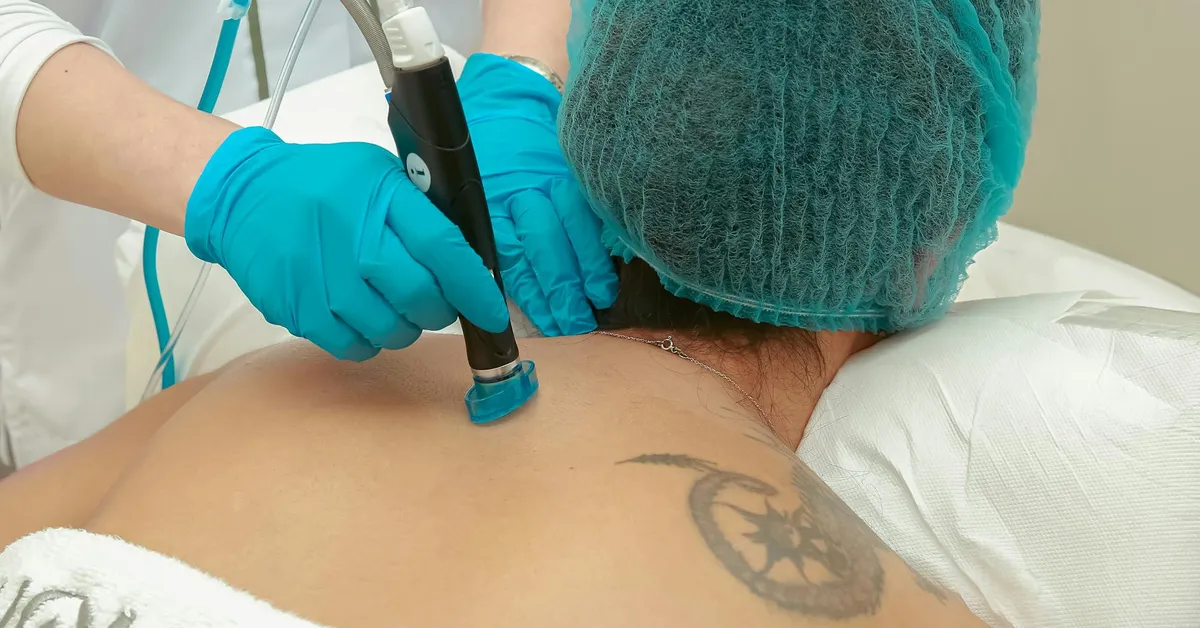
Getting the order of your procedures right is the single most important factor for a successful outcome. Your skin needs time to recover fully between different types of trauma, and rushing this process is the fastest way to complications. I always space laser tattoo removal and other significant cosmetic work by a minimum of four to six weeks. This gives your immune system a fighting chance to clear the shattered ink particles and for your skin’s integrity to be restored before introducing a new challenge. Tattoo removal is a staged process, with each session breaking down more ink and the body gradually clearing it over weeks as healing progresses. Understanding these stages helps you plan treatments and aftercare accordingly.
Pre-Treatment Assessment Checklist
Before you even book your first session, you and your provider must go through this list. A thorough pre-treatment assessment is your primary defense against poor results and adverse reactions. I use a version of this for every client walking into my studio.
- Confirm complete healing from any prior procedures. No residual redness, swelling, or scabbing should be present at the tattoo site or the area for the new treatment.
- Disclose all medications and supplements. Blood thinners, certain antibiotics, and even common supplements like St. John’s Wort can increase bleeding or photosensitivity.
- Review your complete medical history. Conditions like keloid scarring, psoriasis, or a history of herpes simplex in the treatment area require special precautionary measures.
- Discuss your ultimate aesthetic goal. Be crystal clear about what you want the final result to look like. This determines if we remove the entire tattoo or just lighten it for a specific cover-up design.
- Perform a patch test. We test the laser on a small, discreet area to gauge your skin’s reaction and adjust settings accordingly before a full session.
Safety Considerations and Risk Management
Combining treatments multiplies the variables, and with that comes increased risk. Choosing a provider who is extensively trained and experienced in both laser physics and advanced cosmetic procedures is non-negotiable. I’ve corrected too many botched jobs from clinics that treated the laser like a simple tool without understanding the complex biology of skin.
- Pigmentation changes are a real risk. Aggressive laser settings on recently treated skin can cause permanent hypopigmentation (lightening) or hyperpigmentation (darkening).
- Scarring potential increases exponentially. Layering procedures without adequate healing time between them overwhelms your skin’s repair mechanisms, leading to textural changes and scarring.
- Infection risk is heightened. Any procedure that compromises the skin barrier, from laser to microneedling, opens a pathway for bacteria.
Managing Downtime and Healing
You must plan for a compounded recovery period. Your aftercare protocol becomes your most critical responsibility for protecting your investment and your skin’s health. I learned this the hard way after trying to rush the process on one of my own tattoos years ago. After your first tattoo removal session, expect some redness and mild swelling as healing begins, with gradual fading continuing over subsequent sessions.
- Follow the “Golden Window” for aftercare. The first 48 hours post-procedure are vital. Keep the area clean, apply recommended ointments thinly, and avoid any makeup or other topical products on the treated skin.
- Become a sun avoidance zealot. Freshly lasered and treated skin is incredibly vulnerable to UV damage. Use a high-SPF, mineral-based sunscreen religiously once the skin has closed, and wear protective clothing.
- Do not pick or scratch. It might itch as it heals, but picking at scabs or blisters invites infection and can cause scarring. Let the healing process happen naturally.
- Hydrate and nourish your body. Your skin heals from the inside out. Drinking plenty of water and eating a protein-rich diet provides the building blocks for efficient tissue repair.
- Schedule a follow-up. Always return to your provider for a post-treatment check. This allows them to assess your healing progress and adjust the plan for any future sessions.
Cost Considerations for Combination Aesthetics
Combining procedures impacts your budget in ways you might not expect. Pricing is rarely as simple as adding two separate service costs together. I’ve seen clients get surprised by the final number, so let’s break it down.
What Drives the Final Price
Several factors influence what you’ll pay for a combined treatment plan.
- Laser Type and Technology: Pico-second lasers often cost more per session than older nanosecond models, but they can work faster on certain ink colors.
- Technician Expertise: A seasoned professional who can expertly navigate both removal and a secondary procedure like microneedling commands a higher fee. Their skill is your safety net.
- Geographic Location and Facility: A high-end clinic in a major city will have different pricing than a smaller practice in a suburban area. Overhead matters.
- Package Deals: Many practices offer discounted packages when you bundle services. It’s always worth asking if they have a combination therapy rate.
A Real-World Price Breakdown
Let’s talk numbers from my own practice. A standalone laser removal session for a palm-sized tattoo might run between $350 and $500, but small tattoos often cost less.
- Adding a procedure like fractional laser resurfacing to address texture could add another $600-$800 to that single visit.
- Opting for a less intensive add-on, like a medical-grade brightening serum applied immediately post-laser, might only add $50-$100.
The most significant cost is often the cumulative total across multiple sessions needed for full clearance. A package deal can save you thousands over the long haul.
Assessing Your Candidacy for Combined Procedures

Not everyone is a suitable candidate for stacking cosmetic treatments. Your body’s response to trauma is the single most important factor we evaluate. I’ve had to turn away eager clients because their skin or health history simply couldn’t handle the combined stress.
Medical History and Skin Type
We start with a deep dive into your past and present health.
- Keloid or Hypertrophic Scarring: If you have a history of raised scars, combining procedures significantly increases your risk of poor healing and permanent texture changes.
- Skin Conditions: Active eczema, psoriasis, or dermatitis in the treatment area is an automatic disqualifier until the condition is fully managed.
- Fitzpatrick Skin Type: Higher skin types (IV-VI) have a greater risk of hyperpigmentation or hypopigmentation with aggressive combination treatments. Your protocol must be adjusted accordingly.
- Immune System Issues: Conditions that compromise your immune system, like uncontrolled diabetes, can severely delay healing and increase infection risk.
Lifestyle and Healing Capacity
Your daily habits play a massive role in your eligibility.
- Sun Exposure: A recent tan or history of frequent, unprotected sun exposure makes your skin more vulnerable to adverse effects. We require a strict no-sun policy before and after.
- Smoking: Nicotine constricts blood vessels, drastically reducing blood flow and oxygen to the healing skin. This can ruin your results. I insist clients quit smoking weeks before we begin.
- Medications: Certain drugs, like Accutane or some blood thinners, can interfere with healing. Full transparency about your medications is non-negotiable.
Be brutally honest with your provider during the consultation; hiding information only sets you up for complications. A good practitioner will appreciate your honesty and work with you to create the safest possible plan.
Frequently Asked Questions
Are there clinics in Sacramento that specialize in combining tattoo removal with other cosmetic procedures?
Yes, Sacramento has several reputable clinics where experienced practitioners offer combined treatments, such as pairing laser tattoo removal with skin resurfacing or injectables; it’s essential to choose a provider with proven expertise in both areas to ensure safety and optimal results tailored to your skin’s needs. If you’re looking for a guide to finding reputable laser tattoo removal clinics near Sacramento, start by checking for board-certified practitioners and robust before-and-after galleries. A reliable guide also helps you compare safety records, experience, and treatment options across clinics.
What do people on Reddit commonly discuss about combining tattoo removal with other treatments?
On Reddit, users often share personal experiences with combining tattoo removal and procedures like microneedling or fillers, highlighting the importance of proper timing and selecting skilled professionals to avoid complications, while also exchanging tips on managing downtime and costs based on real-world outcomes. For many, this reflects their broader journey toward complete tattoo removal, which often unfolds across multiple sessions and adjustments. It underscores that patience and consistent aftercare are part of the journey to a final result.
How does combining tattoo removal with other procedures work for individuals with dark skin?
For those with darker skin tones, combining tattoo removal with other treatments requires careful planning to minimize risks like hyperpigmentation or scarring; using advanced lasers and spacing sessions appropriately can help achieve smoother, more even results while addressing overall skin texture and tone safely. In tattoo removal sensitive skin care, practitioners emphasize gentle aftercare, fragrance-free moisturizers, and sun protection to reduce irritation. These practices help support safe healing and maintain pigment balance for darker skin tones.
Closing Words
When you combine tattoo removal with other cosmetic work, you’re not just fixing a mistake-you’re executing a complete skin transformation. This process requires a cohesive strategy developed with a professional who understands the full timeline and interactions between treatments. Rushing or choosing the wrong practitioner can compromise your final results and the health of your skin.
Plan your journey with patience and precision, viewing each session as a step toward your ultimate vision. A coordinated approach gives you the best chance to erase the past and create a smooth canvas for the future you envision. Your skin deserves that level of thoughtful care.
Further Reading & Sources
Ink Fade Lab is your trusted source for tattoo removal insights, combining expert knowledge with compassionate care to help you make informed decisions about your tattoo journey. Based on years of experience in the tattoo removal industry, we are dedicated to providing accurate, up-to-date information to support your choices.
Consultation & Cost