
Tattoo Removal in Florida: Your Clear Path to Clean Skin
Published on: March 14, 2026 | Last Updated: March 14, 2026
Written By: Ashita no Joe
Are you staring at a tattoo that no longer represents who you are today? This guide cuts through the confusion with straightforward, professional advice for safely removing ink in Florida, drawn from my own journey of removing tattoos from myself and my clients.
I will walk you through the latest laser technologies available across the state, how to spot a reputable removal clinic versus a risky one, and exactly what the process feels like from your first session to your last.
Laser Tattoo Removal in Florida: Methods and Effectiveness
How Laser Technology Targets Ink in Florida Skin Types
Living and working here, I see a huge variety of skin tones, from fair beach-goers to deep, rich complexions. The laser’s job is to shatter ink particles without overheating your unique skin pigment. Modern Q-switched lasers use specific wavelengths-like 1064 nm for darker inks on darker skin and 532 nm for reds and yellows-to precisely target the tattoo.
Your skin’s melanin content is the main consideration. On darker Florida skin, technicians must use lower energy settings to avoid damaging your natural pigment. This careful calibration prevents hypopigmentation, those permanent white spots you can’t afford in our sunny state. I always test a small patch first to see how your skin reacts.
Dealing with Multi-Colored Tattoos in Florida’s Climate
Vibrant, multi-colored tattoos are common here, but they present a unique removal challenge. Each color in your tattoo absorbs laser light differently, requiring a technician to switch laser wavelengths during your session. Blacks and dark blues are the easiest to remove; stubborn colors like greens, yellows, and fluorescent inks demand specialized lasers and more sessions. This highlights the hardest vs easiest tattoo colors to remove. Understanding which colors fall on each end helps you set expectations and plan your treatment.
Florida’s intense humidity and sun exposure complicate healing. Fading a tattoo here requires militant aftercare-keeping the treated area clean, dry, and absolutely shielded from the sun is non-negotiable. I’ve seen clients set their progress back months by getting a sunburn on a healing removal site. Your aftercare routine is as critical as the laser work itself.
Cost of Tattoo Removal in Florida: Pricing and Factors
Tattoo removal pricing here isn’t a one-size-fits-all situation. The final cost is a puzzle built from the size of your tattoo, the colors used, its age, and your skin’s response. A small, black, amateur tattoo might cost $150-$300 per session, while a large, complex, multi-colored sleeve can run $800-$1,500 per session, or even more depending on where it’s located on your body.
From my practice in Florida, I break down the key factors that determine your investment:
- Tattoo Size: This is the biggest driver. Pricing is often per square inch.
- Ink Density and Colors: Professional tattoos with dense packing and multiple colors require more time and specialized lasers.
- Clinic Location and Expertise: A high-end clinic in Miami will often charge more than one in a smaller city.
- Number of Sessions: Most tattoos need 6-12 sessions, spaced 6-8 weeks apart. The total cost adds up.
I always advise clients to view this as a long-term investment in their skin. Choosing a provider based on the lowest price can lead to poor results, scarring, and ultimately, higher costs to fix the damage. Schedule consultations with a few reputable clinics to get a clear picture for your specific tattoo. They should provide a transparent, customized quote, not a vague estimate.
Florida Tattoo Removal Regulations and Safety

Understanding Florida’s Laser Use Laws for Tattoo Removal
Florida law treats laser tattoo removal as a medical procedure, not a cosmetic one. This means the person operating the laser must be a licensed medical professional, like a doctor, physician assistant, or nurse practitioner, or be directly supervised by one on-site. In addition to licensure, clinics must follow laser safety protocols to protect clients, including eye protection, proper shielding, and calibrated energy settings. I’ve seen clinics try to bend these rules, and it never ends well for the client.
Many facilities in Florida are overseen by a Medical Director. Don’t be shy about asking who this person is and verifying their credentials. A reputable clinic will have this information readily available. Your skin’s safety is not something to gamble with.
- Practitioner Credentials: Always confirm the technician or supervising physician holds an active Florida medical license.
- Clinic Licensing: The facility itself should be registered and inspected, often falling under the same regulations as medical practices.
- Consultation Mandate: A proper medical consultation must precede any treatment to assess your skin type, health history, and tattoo composition.
Attempting DIY removal with at-home lasers or acid-based kits is a recipe for disaster, especially in our humid climate which can exacerbate infections. I’ve treated clients with severe scarring from these methods, and the damage is often far worse and more expensive to fix than the original tattoo. The only semi-safe at-home method involves certain fading creams, and even those require immense patience and carry a high risk of skin irritation with minimal results. It’s crucial to understand the dangers of at-home DIY tattoo removal before attempting any.
Aftercare and Recovery for Tattoo Removal in Florida
Proper aftercare is non-negotiable for a good result and healthy skin. Your skin is in a vulnerable, trauma-healing state immediately after a laser session, making aftercare your most critical job. I treat my own skin with kid gloves for at least two weeks post-treatment.
Immediate Aftercare (First 48 Hours)
Think of this phase as infection prevention. The tiny blisters you might see are a normal part of the healing process.
- Gently apply a thin layer of antibiotic ointment and cover the area with a sterile, non-stick bandage.
- Keep the area completely dry. When you shower, protect it from direct water spray.
- Resist any urge to scratch, pick, or pop blisters. This introduces bacteria and can cause permanent scarring.
Long-Term Healing and Sun Protection
Florida’s intense sun is your biggest enemy during the removal process. UV exposure on healing skin dramatically increases the risk of hyperpigmentation (darkening) or hypopigmentation (lightening), which can sometimes be permanent.
- Once the initial bandage is off, apply a high-SPF, broad-spectrum sunscreen (SPF 50+) to the area every single day, even if you’re mostly indoors.
- Wear protective clothing or a bandage to physically block the sun when you’re outside for extended periods.
- Keep the skin moisturized with a simple, fragrance-free lotion to prevent excessive itching and flaking.
Healing times vary, but you can expect the area to look fully settled within 4-8 weeks. Your clinic will provide a detailed aftercare sheet-follow it like your skin’s life depends on it, because in many ways, it does.
Choosing the Best Tattoo Removal Clinic in Florida
Your choice of clinic is the single most important factor in your tattoo removal outcome. I’ve seen both miraculous results and devastating scars, and the difference always came down to the practitioner. In this tattoo removal clinic guide, learn how to evaluate clinics and verify credentials. It will also show you what questions to ask to protect yourself and get the best result.
What to Look for in a Florida Tattoo Removal Consultation
A proper consultation is your first and best defense against a bad experience. Treat this meeting like a job interview for the clinic, and you are the one hiring. Walk in with a clear list of questions and pay close attention to the answers and the environment.
- Credentials and Experience: Ask directly about their certifications. Look for professionals trained specifically in laser procedures, often registered nurses, physician assistants, or working directly under a board-certified dermatologist. Don’t be shy; ask how many tattoo removal procedures they perform regularly.
- Technology on Site: The best artists use the best tools, and removal is no different. A top-tier clinic will use a Q-switched or Picosecond laser. Ask to see the machine. If they hesitate or use outdated technology, see it as a major red flag.
- Before and After Portfolio: A reputable clinic will have a robust portfolio of their own work, not just stock photos. Look for clients with skin tones and tattoo colors similar to yours. This shows they have practical, hands-on experience.
- Clinic Cleanliness and Professionalism: The space should be immaculate, resembling a medical office, not a casual retail store. Staff should be knowledgeable and patient with your questions. Trust your gut feeling the moment you walk in.
- A Customized Treatment Plan: A one-size-fits-all quote is a warning sign. They should assess your tattoo’s age, ink density, colors, and your skin type to provide a realistic timeline and cost estimate. They must discuss potential risks and aftercare in detail.
From my own experience removing a dense black tribal piece, the clinic that gave me a detailed, multi-session plan with realistic expectations delivered far better results than the one that promised a “quick fix.”
Non-Laser Tattoo Removal Options in Florida
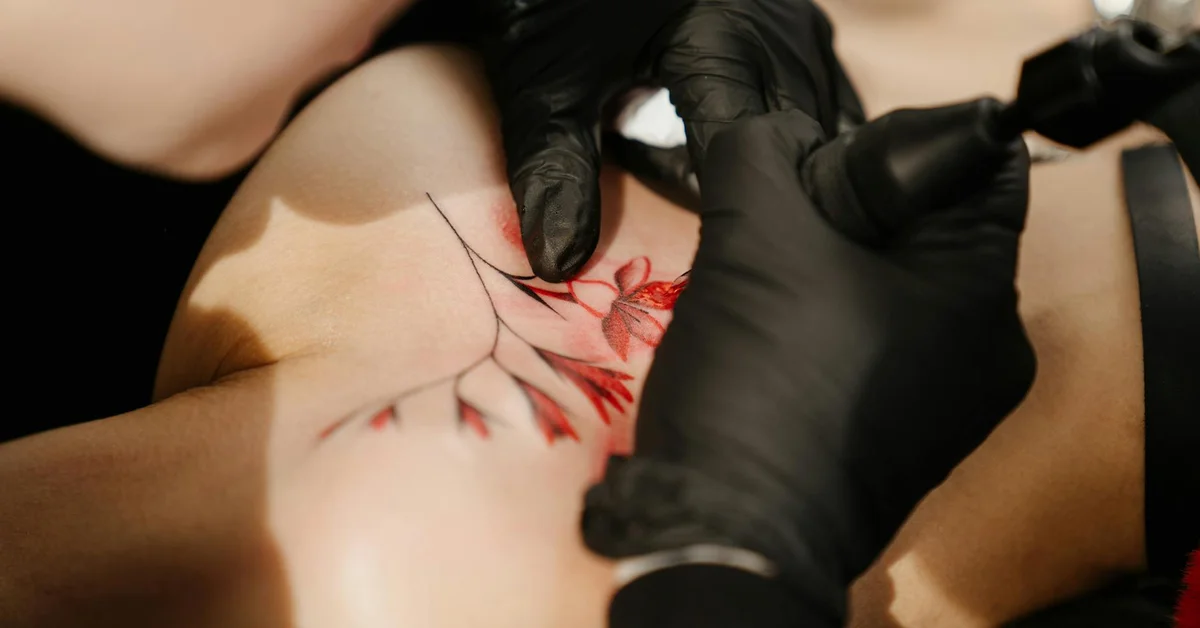
While laser is the gold standard, a few other methods exist. I’ve explored these with clients who had unique circumstances, like severe ink allergies. Understand that these alternatives often come with a significantly higher risk of scarring and are generally considered last resorts.
- Surgical Excision
This is a minor surgical procedure where a doctor cuts the tattooed skin out and stitches the area closed. It’s one-and-done, which is appealing. Excision works best for very small tattoos, as the size of the scar is directly related to the size of the removed skin. I only recommend this for tiny, simple designs where a linear scar is preferable to the existing ink. It is distinct from surgical excision with skin grafting, which is used for larger areas.
- Dermabrasion
This technique sands away the top layers of skin to reach the tattoo ink underneath. It’s an aggressive approach that I have rarely seen used effectively in modern practice. The healing process is intense, and the risk of pigment changes and significant scarring is high compared to laser treatments.
- Salabrasion
This is an outdated, do-it-yourself method that involves scrubbing the skin with salt. I’m mentioning it only to strongly caution against it. Salabrasion is essentially a controlled abrasion that almost always leads to infection and a noticeable, textured scar. It is not a safe or reliable removal method.
For the vast majority of people, advanced laser technology provides the safest, most effective path to clear skin. The other options are niche solutions for very specific, and often medical, situations.
Frequently Asked Questions
What is South Florida tattoo removal?
South Florida tattoo removal refers to the specialized process of removing ink in regions like Miami and Fort Lauderdale, where the tropical climate and diverse population require clinics to use advanced lasers adapted for higher humidity and varied skin tones, ensuring safe and effective results without compromising skin health. This tattoo removal process is explained below. You’ll learn how lasers break down pigment, what to expect during sessions, and how aftercare supports healing.
What is Jacksonville Florida tattoo removal?
Jacksonville Florida tattoo removal involves clinics in this northeastern city offering services tailored to its residents, often focusing on personalized treatment plans that account for factors like tattoo age and ink density, with many providers emphasizing thorough consultations to meet the area’s demand for reliable, professional care.
What is Tampa Florida tattoo removal?
Tampa Florida tattoo removal centers on the city’s vibrant clinic scene, where practitioners utilize state-of-the-art laser technology to address everything from small tattoos to large sleeves, with a strong emphasis on sun protection and aftercare due to the region’s sunny weather, helping clients achieve clear skin safely. If you’re looking for a guide to finding reputable laser tattoo removal clinics nearby, this overview helps you compare Tampa providers based on safety, credentials, and treatment results. Look for transparent consultations, certified technicians, and solid before-and-after portfolios.
Closing Words
Getting a tattoo removed in Florida requires navigating our unique climate and choosing a reputable professional you trust. Your skin’s health is paramount, and selecting an experienced specialist is the single most critical factor for a safe and effective outcome. The sun and humidity here add extra layers to the aftercare process, making diligence non-negotiable. After your removal is complete, ongoing skin care remains essential. Continue gentle cleansing, moisturizing, and strict sun protection to support the healing process.
This journey is as much emotional as it is physical, but the path to clear skin is well-trodden and achievable. With the right plan and realistic expectations, you can successfully put an unwanted tattoo behind you and move forward with confidence. This is a journey toward complete tattoo removal. Each milestone along the way helps you reclaim your skin and your confidence.
Further Reading & Sources
- Expert Laser Tattoo Removal Orlando, Winter Park Tattoo Removal
- Florida’s Best Tattoo Removal Clinic • ReversaTatt Tattoo Removal
Ink Fade Lab is your trusted source for tattoo removal insights, combining expert knowledge with compassionate care to help you make informed decisions about your tattoo journey. Based on years of experience in the tattoo removal industry, we are dedicated to providing accurate, up-to-date information to support your choices.
Find Tattoo Removal Near You