The Partial Tattoo Removal Guide: Refresh, Don’t Erase
Published on: March 12, 2026 | Last Updated: March 12, 2026
Written By: Ashita no Joe
Have a tattoo that you don’t hate, but just wish was a little different? Maybe a name needs to go, a line needs fixing, or you’re dreaming of a cover-up that needs a cleaner canvas.
This guide cuts through the noise to give you the straight facts on lightening and modifying ink. We will walk you through how the laser removal process works on just a portion of your tattoo, the different techniques artists and technicians use, and what realistic healing and results look like. You’ll learn about your options for making a change, all from the perspective of someone who has been on both sides of the laser.
What is Partial Tattoo Removal Exactly?
Partial tattoo removal is the strategic process of fading or eliminating specific sections of a tattoo, rather than the entire design. Think of it as a precise, controlled erasure, not a complete white-out of your skin. We use high-powered lasers that target the ink pigment, breaking it into tiny fragments for your body’s immune system to clear away over several weeks.
From my own studio, I’ve performed this on countless clients and even on a few of my own older pieces. The goal is never to achieve perfect, virgin skin in one session; it’s a gradual lightening to meet a specific objective. You might go through multiple sessions to reach the desired level of fade, with each appointment spaced about 6-8 weeks apart to allow your skin to heal.
Top Reasons People Choose Partial Tattoo Removal
Most people don’t walk into my shop wanting to erase every trace of their body art. Their goals are usually more nuanced. Partial removal is often a practical, cost-effective solution for modifying body art that no longer fits your life. It’s about transformation, not elimination.
Preparing Your Skin for a Stunning Cover-Up Tattoo
This is the number one reason clients seek me out. A dark, solid tattoo severely limits what a new artist can design over it. Laser treatment breaks up that dense, old ink, creating a much lighter and more workable canvas for your tattoo artist. I’ve seen cover-ups that were destined to be a murky, dark mess turn into vibrant, detailed masterpieces because we lightened the base first.
The process is straightforward:
- We identify the darkest or most problematic areas of the old tattoo.
- We use the laser to systematically fade those sections over a series of sessions.
- Once the old ink is sufficiently lightened, your new artist has the freedom to create something incredible.
Attempting a cover-up without prior laser lightening often forces the artist to use heavy blacks and dark colors, resulting in a bulky, obvious design. A little pre-work with the laser opens up a world of creative possibilities.
Correcting Cosmetic Tattoos and Permanent Makeup
Trends change. Techniques improve. And sometimes, the initial work just isn’t right. I perform a significant amount of partial removal on cosmetic tattoos like eyebrow microblading, eyeliner, and lip liner. People want to correct shapes that have faded unevenly, change an arch that’s too harsh, or simply lighten the color for a more natural look.
This requires an incredibly delicate touch. The skin on the face is thin and sensitive.
- For uneven brows: We can target just the tail to lift it or fade a blocky front to create a more natural ombre effect.
- For lip liner: We can soften a stark “lipliner look” by blending the edge, making the color appear more integrated.
- For color correction: We can target pigments that have turned an undesirable shade, like blue or red, to neutralize them before a new color is applied.
This is one area where I strongly caution against any form of DIY correction; the risk of scarring and further pigment distortion on your face is far too high. Trust me, I’ve had to fix the aftermath of those attempts, and it’s a much longer and more expensive road.
How Partial Tattoo Removal Actually Works: The Methods
Laser Tattoo Removal: The Gold Standard
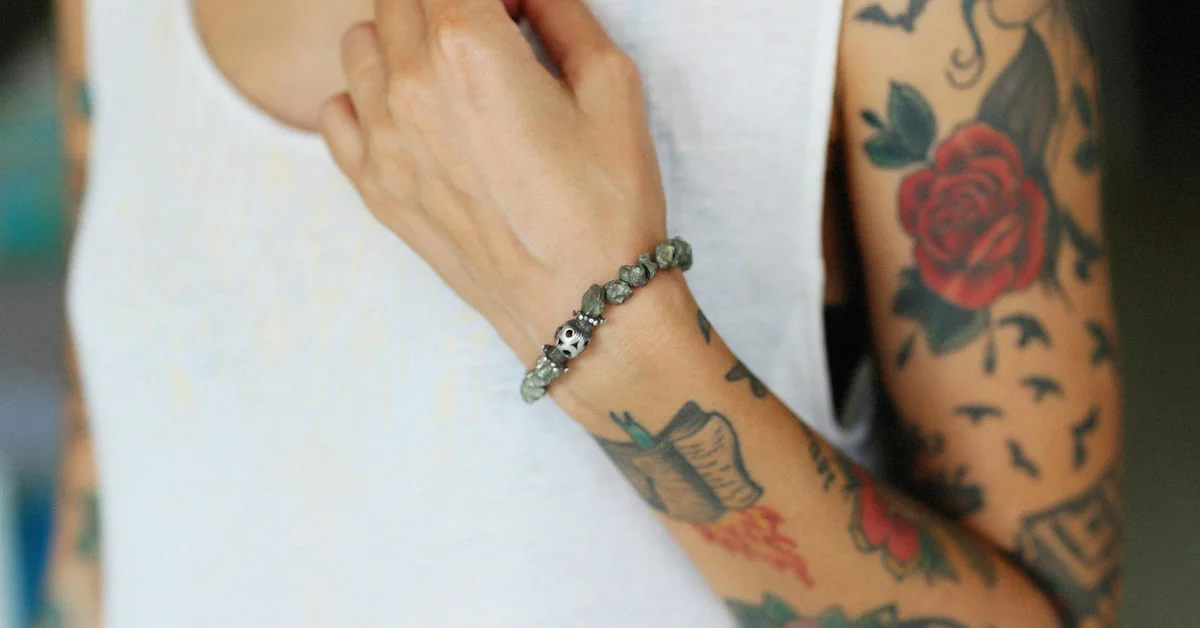
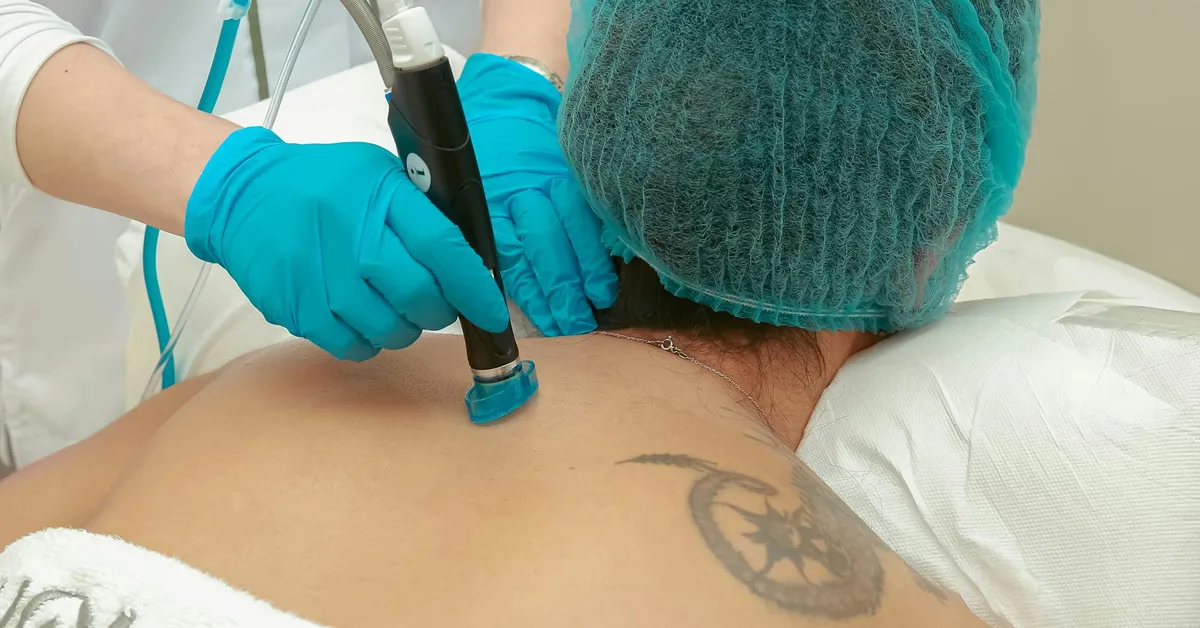
Laser removal works by shattering tattoo ink into tiny fragments that your body’s immune system can then naturally flush away. The laser emits a specific wavelength of light that passes harmlessly through your skin, targeting only the pigment. I’ve watched this process countless times on my own skin and my clients’, and the precision is what makes it so effective for partial work. From a scientific standpoint, it relies on selective photothermolysis: the laser’s wavelength is tuned to the ink so it shatters pigment while sparing surrounding tissue. Ink colors absorb light differently, so multiple sessions with the right wavelengths are often needed for full removal. Different colored inks require different laser wavelengths for optimal results.
Modern Q-switched and Picosecond lasers are the industry workhorses. Think of the laser pulse like a precise hammer hitting the ink particles. A Picosecond laser hits faster and harder, often requiring fewer sessions. For a partial removal, this technology lets us focus intensely on a single line, word, or section of a larger piece without disturbing the surrounding artwork you want to keep.
Saline Tattoo Removal: An Alternative for Some
Saline removal is a non-laser method where a concentrated salt solution is implanted into the skin where the tattoo ink resides. The process, sometimes called “salabrasion,” works by osmosis—the salt solution draws the ink out of the skin and up to the surface where it forms a scab. This technique can be useful for very light tattoos or for clients who cannot undergo laser treatment due to specific allergies or medical conditions. This article provides a concise saline tattoo removal guide outlining the method and process. It covers what to expect at each stage and basic aftercare.
From my experience, saline is most effective on amateur or surface-level tattoos. It is far less aggressive on the skin’s deeper layers compared to a laser. I generally recommend this only for very specific, minor corrections and always advise having it performed by a seasoned professional, as improper technique can lead to scarring. It is not a magic eraser for dense, professional tattoos.
What to Realistically Expect: Sessions, Cost, and Fading Pace
Partial removal is not a quick fix. You are committing to a process. Most people need between 5 to 10 sessions to achieve significant lightening, with a mandatory 6 to 8 week wait between each appointment. This waiting period is non-negotiable; it gives your body time to clear the broken-down ink and your skin time to heal properly.
The cost is typically calculated per session and depends on the size of the area being treated. A small, partial section might cost anywhere from $100 to $400 per session. Beware of clinics offering package deals upfront before they’ve even seen how your skin and ink respond; your body’s reaction is unique and cannot be predicted with 100% accuracy.
The fading is gradual and happens from the inside out. You will not leave your first session with a blank slate. After each treatment, the area will look slightly lighter, and this effect compounds over multiple sessions. Colors like black and dark blue fade the fastest, while stubborn colors like green, yellow, and fluorescent inks can be much more challenging to remove completely.
The Crucial Consultation: Choosing Your Removal Provider
Your consultation is the most important step. This is where you vet the technician and the clinic. Do not just choose the cheapest option. Walk into the clinic. Is it clean? Does it feel professional? Ask to see the laser equipment. A reputable provider will be transparent and proud of their tools.
Look for a provider with extensive experience, specifically in partial removal. Ask how they plan to shield the parts of the tattoo you wish to preserve from stray laser energy. In addition, confirm the clinic follows laser safety protocols. These include eye protection for staff and clients, shielding, and careful beam control. I cannot stress this enough: the skill of your technician is the single greatest factor in achieving a clean, precise result without collateral damage to your existing artwork.
Questions You Must Ask During Your Consultation
- What specific type of laser do you use for my skin tone and ink colors?
- How many sessions do you roughly estimate for my specific goal?
- Can I see a portfolio of your past partial removal work, particularly with tattoos similar to mine?
- What are the specific risks for my skin type, and what is your protocol if complications like blistering or hypopigmentation occur?
- Who will be performing the treatments? Can I meet them?
- What is the total cost per session, and are there any other hidden fees?
If a provider hesitates or refuses to show you before-and-after photos of their actual work, consider that a major red flag and walk away. Your skin is a canvas, and you are trusting them with a delicate, permanent alteration. Choose someone whose expertise and demeanor inspire complete confidence.
Navigating the Healing Process and Aftercare
The period immediately following a laser session is where your commitment to the final result is truly tested. Proper aftercare is not a suggestion; it is the single most critical factor in achieving a clean, scar-free removal. Your skin has just endured a controlled injury, and how you treat it now dictates everything. As part of this aftercare guide, here’s what to expect after laser sessions. We’ll outline practical steps for recovery and what normal timelines look like.
The Immediate Aftermath: What to Expect
Your skin will react, and that is a sign the process is working. I tell my clients to expect these normal, temporary responses.
- Swelling and Redness: The treated area will look and feel like a bad sunburn for 24-48 hours.
- Frosting: You might see a white, ash-like appearance on the skin right after the laser pulse. This is a normal reaction caused by the rapid release of water vapor from the shattered ink particles.
- Blisters and Crusting: Small blisters or a light scab can form within a day. This is part of the skin’s natural healing process. Do not pick at it.
Your Non-Negotiable Aftercare Protocol
I have followed this exact routine on my own skin and prescribe it to every single client. Consistency is your best friend here.
- Apply a cold compress or an ice pack (wrapped in a clean cloth) to the area for 15-minute intervals during the first day to manage swelling.
- Gently wash the area twice daily with a mild, fragrance-free soap and pat it completely dry with a clean paper towel.
- Apply a thin layer of a recommended ointment, like pure Aquaphor or a specialized post-laser cream, to keep the area moisturized and protected.
- Cover the area with a clean, non-stick bandage for the first few days, especially if clothing will rub against it.
Protecting your healing skin from the sun is not optional; it is a mandatory part of the entire removal journey. UV exposure can cause hyperpigmentation, making the faded tattoo area darker than the surrounding skin. I always use a high-SPF, zinc-based sunscreen on any treated area, even on cloudy days. After tattoo removal, sun protection remains essential as the skin heals and pigment can be particularly vulnerable. Continuing to shield treated areas with sunscreen and protective clothing helps ensure the best long-term results.
Understanding the Risks and Side Effects
Laser technology is advanced and safe in professional hands, but it is not magic. Every medical procedure carries inherent risks, and being informed is your first line of defense. I have seen the best and worst outcomes, and transparency is key.
Common and Temporary Side Effects
These are typically short-lived and resolve as your skin heals.
- Mild to moderate pinpoint bleeding.
- Itching as the skin repairs itself.
- Temporary lightening (hypopigmentation) or darkening (hyperpigmentation) of the skin.
Less Common, More Significant Risks
These are why you choose an experienced practitioner and follow aftercare to the letter.
- Infection: Any break in the skin can lead to infection if not kept clean.
- Scarring: This is the most feared complication. It is often the result of improper laser settings, poor aftercare, or picking at the healing skin.
- Textural Changes: The skin may heal with a slightly different texture than the surrounding area.
- Incomplete Removal: Some ink colors, like certain greens and yellows, are notoriously stubborn and may only fade significantly rather than disappear completely.
Why DIY Tattoo Removal is a Terrible Idea
I have been called to fix the aftermath of at-home removal attempts, and the damage is often worse than the original tattoo. Using anything other than a medical-grade laser for tattoo removal is like performing your own dentistry with a power tool. The risks are severe and often permanent. Many DIY attempts are done at home with improvised tools or chemicals, and they significantly raise the risk of burns, infections, and permanent scarring. Understanding the risks of DIY tattoo removal is crucial before attempting any procedure.
Salabrasion, where you scour the skin with salt, and using acidic creams literally burn layers of your skin away. These methods cause uncontrolled destruction. They cannot target ink specifically, so they destroy everything in their path—skin cells, melanin, collagen. The result is almost always a significant, textured scar that is more noticeable and harder to treat than the tattoo ever was. These practices are part of the broader topic of dermabrasion and salabrasion in tattoo removal, highlighting their limitations. In modern tattoo removal, safer, more controlled methods are preferred over these destructive techniques.
I strongly caution against any DIY method. The only scenario where I might consider a safe, at-home approach is using a professionally recommended silicone gel for managing a fully healed scar after the professional laser process is complete. Even then, this is for scar management, not removal. The path to clear skin is through a certified professional, not a kitchen-counter experiment.
Frequently Asked Questions
What insights can I find about partial tattoo removal on platforms like Reddit?
Online communities like Reddit often feature personal stories and recommendations about partial tattoo removal, where users share their experiences with healing, session progress, and technician choices, but it’s crucial to remember that individual results vary and professional consultation is always recommended over anecdotal advice.
What factors influence the cost of partial tattoo removal?
The cost of partial tattoo removal depends on variables such as the size and complexity of the area being treated, the colors of ink involved, the number of sessions required, and the expertise and location of the provider, with prices typically assessed per session rather than as a flat fee.
Is complete tattoo removal always achievable with partial sessions?
While partial tattoo removal can significantly lighten or eliminate ink in targeted areas, complete removal isn’t guaranteed for all tattoos, as factors like ink colors (e.g., greens and yellows), skin type, and individual healing responses can leave some residual pigment even after multiple sessions.
Closing Words
Partial tattoo removal offers a powerful, strategic path for transforming a tattoo you no longer love. This is not about erasing your past, but about consciously redesigning your present skin. When weighing tattoo removal vs cover-up, consider your goals and timeline. A skilled professional can help you weigh the options and decide which path is right for you. My own experience with fading a tattoo for a cover-up taught me that this targeted approach requires immense patience and a skilled professional you can trust.
Always choose a certified clinic for your sessions and resist any DIY temptation. Your skin’s health and the final outcome are worth the investment in proper technology and expertise. Whether your goal is a complete fade for new art or simply softening old lines, a well-executed partial removal puts you back in control of your canvas.
Further Reading & Sources
- r/TattooRemoval on Reddit: Anyone have experience with lasering off just a small part of a tattoo? Is laser precise enough
- Can you have partial laser tattoo removal on a tattoo and still have the rest not affected? (photos)
Ink Fade Lab is your trusted source for tattoo removal insights, combining expert knowledge with compassionate care to help you make informed decisions about your tattoo journey. Based on years of experience in the tattoo removal industry, we are dedicated to providing accurate, up-to-date information to support your choices.
Fading for Cover-Ups