Dermabrasion & Salabrasion: Your Guide to Abrasive Tattoo Removal
Staring at a tattoo you no longer want can feel like being stuck with a permanent mistake. As a tattoo artist who has also dealt with removal, I know that feeling intimately, and you’re right to look for answers.
This guide cuts through the noise to give you a clear-eyed look at these two older, physical removal methods. We will cover the fundamental mechanics of how dermabrasion and salabrasion work to strip ink from your skin, their distinct safety profiles and potential risks, and what the realistic healing process and final results truly look like.
How Dermabrasion Works to Remove Tattoos
Mechanical dermabrasion is a physical form of skin resurfacing that essentially sands away the tattooed skin layers. I’ve performed this procedure and it requires a steady hand and a high tolerance for the gritty sensation. The goal is to abrade the skin deep enough to reach the dermis where tattoo ink resides, forcing the body to heal and push the pigment out.
The Professional Dermabrasion Procedure
- Anesthesia: The treatment area is thoroughly numbed using a strong topical or local injectable anesthetic. This is non-negotiable; the process is intensely uncomfortable without it.
- Epidermal Removal: Using a specialized tool, the top layer of skin (the epidermis) is methodically abraded away. This exposes the deeper dermal layer.
- Dermal Remodeling: The tool continues to abrade the papillary dermis, where most tattoo ink is embedded. This controlled injury triggers a significant inflammatory healing response.
Tools of the Trade
In a professional setting, we don’t use sandpaper. The standard tool is an electric dermabrasion machine fitted with a sterile, rotating head-often a diamond fraise wheel or a wire brush. These medical-grade instruments allow for precise control over the depth of abrasion, which is critical to avoid severe scarring.
Targeting Pigment and The Challenge of Removal
The abrasion physically fractures the skin cells that are holding the tattoo pigment. As the wound heals, your body’s lymphatic system works to flush away these freed ink particles. Complete removal is challenging because ink particles can be lodged too deeply or the inflammation can cause some pigment to settle back into the tissue during healing. That’s the science behind why tattoos are permanent and why removal is challenging. Removal relies on breaking particles down and flushing them away, but depth and color can keep pigment behind. I’ve seen cases where colors like green or yellow stubbornly persist, and there’s always a risk of a faint “ghost” image or textural change remaining.
How Salabrasion Works to Fade Tattoos
Salabrasion is an older, more rudimentary technique that combines physical abrasion with a chemical reaction. I’ve been asked to fix the results of poorly executed salabrasion more times than I can count. This method uses a concentrated saline solution applied to an abraded wound, aiming to osmotically draw the ink out.
The Salabrasion Technique Explained
- The skin is first abraded, similar to the initial step of dermabrasion, to create an open wound over the tattoo.
- A paste or saturated gauze of concentrated saline solution is immediately applied and sealed onto the wound.
- The salt creates a hypertonic environment, which pulls fluid from the surrounding tissue. The theory is that this process will also draw tattoo pigment up and out of the dermis as the wound exudes plasma.
Salabrasion vs. Dermabrasion: A Stark Comparison
While dermabrasion relies purely on mechanical removal and the body’s subsequent healing response, salabrasion adds a chemical component. The cosmetic outcomes are typically very different. Dermabrasion, when done correctly, can offer significant fading, but salabrasion often results in muddy, indistinct fading and a much higher likelihood of permanent skin discoloration.
Why Salabrasion Often Fails
This method is frequently less effective because the salt can irritate the skin so severely that it causes post-inflammatory hyperpigmentation (darkening) or hypopigmentation (lightening). That’s exactly why the idea of home tattoo removal with salt is discouraged. This home-removal approach also presents unpredictable results and risks. The abrasive injury combined with the salt’s harshness makes it exceptionally difficult to control the final outcome, frequently altering your natural skin pigment alongside the tattoo ink. You’re essentially trading an unwanted tattoo for a blotchy, scarred patch of skin.
Effectiveness of Abrasive Tattoo Removal Techniques
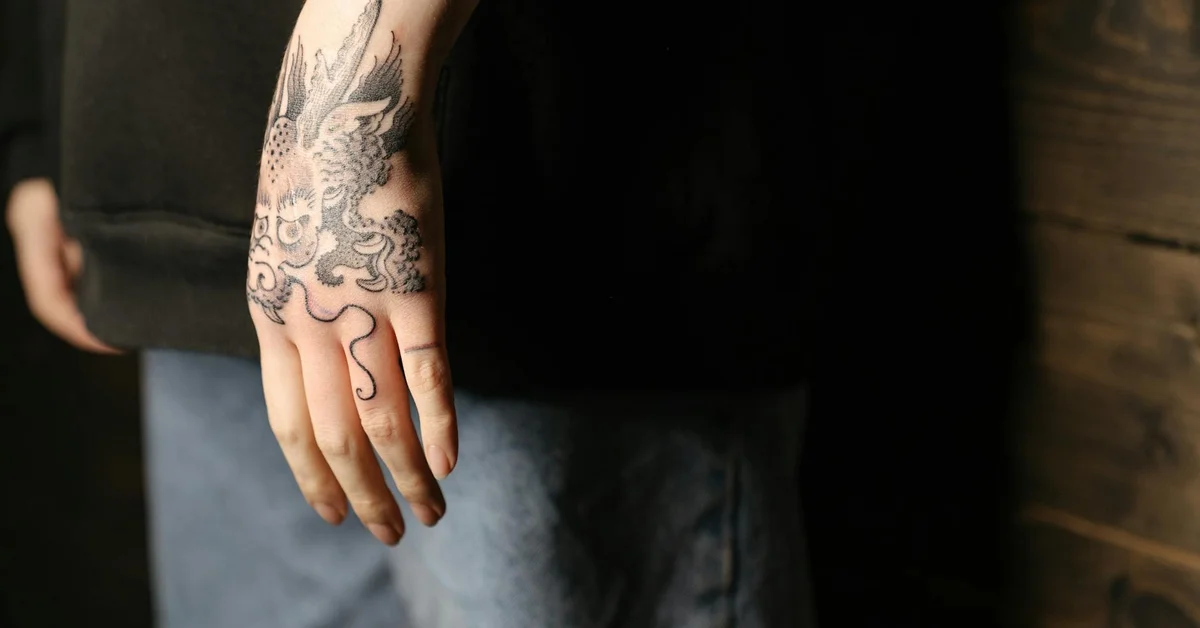
Complete tattoo eradication with dermabrasion or salabrasion is the exception, not the rule. I have found these methods are far more effective at significant lightening than achieving a true blank slate. Dermabrasion, being more aggressive, generally produces more noticeable fading than salabrasion. For clients pursuing role fading tattoo removal—reducing visibility while preserving some of the design—these approaches can offer a subtler path. In such cases, the emphasis is on gradual lightening and blending rather than total clearance.
Factors That Dictate Your Results
- Tattoo Age: Older tattoos, where the ink has naturally broken down and migrated, respond much better than fresh, densely packed ink.
- Ink Colors: Black and dark blue inks absorb the treatment best. Reds, yellows, greens, and whites are notoriously stubborn and often remain visibly stained.
- Your Skin Type: Lighter skin tones typically show clearer results with a lower risk of post-inflammatory hyperpigmentation (dark spots).
Realistic Expectations and Healing
After a session, expect a raw, weeping wound that forms a scab. The initial healing phase where the scab forms and falls off takes one to two weeks, but the skin underneath remains pink and sensitive for several more. The final, settled color and texture of the skin can take three to six months to fully reveal itself.
In my studio, I have observed that clients with Fitzpatrick skin types I-III often achieve the best lightening with minimal discoloration. On darker skin tones (types IV-VI), I am extremely cautious, as the risk of permanent hypopigmentation (light spots) or hyperpigmentation is significantly higher and often outweighs the potential benefit.
Risks and Safety of Dermabrasion and Salabrasion
These are not gentle procedures. The primary risk you accept with these abrasive methods is permanent textural change, meaning scarring. The process deliberately creates a controlled injury, and your body’s healing response dictates the final outcome.
Common Side Effects and Contraindications
- Scarring (Hypertrophic or Keloid): This is the most significant and common long-term risk.
- Infection: An open wound is a direct pathway for bacteria.
- Pigment Changes: The skin may heal lighter (hypopigmentation) or darker (hyperpigmentation) than the surrounding tissue.
- Allergic Reaction: Salabrasion can reintroduce old tattoo ink allergens into the bloodstream.
You are not a good candidate for these methods if you have a history of keloid scarring, eczema or psoriasis at the site, a compromised immune system, or are prone to cold sores (herpes simplex) which can be triggered by the trauma.
The Critical Need for a Professional
I cannot overstate this. DIY abrasive removal kits are a direct path to disastrous outcomes, including severe infection and irreversible scarring that is far more noticeable than the original tattoo. These dangers illustrate the risks of home DIY tattoo removal. Seek a licensed professional for safer, controlled removal. A professional uses sterile, medical-grade equipment, understands depth control to minimize dermal damage, and can assess your skin’s suitability beforehand.
To minimize risks, a proper pre-procedure consultation is mandatory. We discuss your medical history and skin type. During the procedure, we work in a sterile field. The single most important risk mitigation factor, however, is your commitment to the aftercare protocol.
Recovery and Aftercare for Abrasive Tattoo Removal
The recovery process is intense and demands strict discipline. Your final cosmetic result is determined not by the procedure itself, but by how meticulously you care for the wound in the weeks that follow.
The Recovery Timeline
- Days 1-3: The area is an open, weeping wound. Significant redness, swelling, and soreness are normal.
- Days 4-14: A hard, dark scab forms. Itching is intense as healing occurs underneath. The scab begins to loosen and flake off.
- Weeks 2-6: The new skin is pink, shiny, and very delicate. It remains susceptible to damage and pigment changes.
- Months 2-6+: The skin’s true color and texture settle. This is when you can properly assess the final outcome.
Essential Post-Procedure Care Steps
- Cleaning: Gently cleanse with a mild, fragrance-free soap and water 2-3 times daily, then pat dry.
- Ointment: Apply a thin layer of the prescribed topical antibiotic or healing ointment to keep the wound moist and protected.
- Bandaging: Keep the area covered with a non-stick bandage for the first few days to prevent infection.
- Sun Avoidance: The new skin is extremely UV-sensitive. You must protect it religiously with high-SPF sunscreen or clothing for at least six months.
To manage discomfort and reduce scarring, I advise clients to avoid picking or scratching the scab at all costs. Let it fall off naturally. Using a silicone-based scar gel once the wound is fully closed can help improve texture. I have seen perfect procedures ruined by poor aftercare, and mediocre sessions turn into great results through impeccable patient diligence. Your skin’s healing journey directly impacts whether you get a faint reminder or a permanent, textured scar. For ongoing scar prevention, silicone gel sheets for scar prevention can be worn on healed skin. This is especially relevant after tattoo removal, where careful scar care can influence final appearance.
Who Is a Good Candidate for Abrasive Tattoo Removal?
Not everyone walking into my studio is right for these older techniques. I’ve turned away more clients than I’ve accepted for dermabrasion and salabrasion because the potential for complications is real. The ideal candidate has a very superficial, amateur tattoo on fair, non-fibrous skin that isn’t prone to keloids. Think of a small, simple line-work piece done with India ink, not a dense, deep professional tattoo.
Skin Types and Conditions
Your skin’s characteristics are the most critical factor in determining success.
- Responds Best: Fitzpatrick Skin Types I-III (very light to light brown skin). Skin that is smooth, not overly oily, and has good elasticity.
- Should Avoid: Darker skin tones (Fitzpatrick IV-VI) due to a high risk of permanent hypopigmentation (light spots). Anyone with a history of keloids, hypertrophic scarring, eczema, psoriasis, or active infections in the area.
When to Consider Abrasive Methods Over Laser
Laser is the gold standard for a reason, but there are niche situations where I might discuss abrasion.
- You have an allergic reaction to tattoo pigments, especially reds, which can be dangerously aggravated by laser.
- Cost is a primary and immovable barrier, and you accept the high likelihood of textured skin or scarring.
- The tattoo is very old, faded, and already partially rejected by the skin.
My Personal Evaluation Process
When a client asks me about these methods, my first step is a brutally honest conversation. I press my thumb into the skin around the tattoo. If the skin feels thick or the tattoo sits deep, I immediately rule out dermabrasion-it simply won’t reach the ink. I examine the color; modern bright pigments are a hard no. I always show them photos of the varied results, especially the poor ones. From my own experience removing a small finger tattoo, the healing was finicky and the skin has never looked quite the same. To make sense of it all, I walk them through the tattoo removal process explained—what happens in sessions, how many visits it might require, and what to expect during healing. This helps set realistic expectations before any ink is removed.
Cost and Practical Considerations

Let’s talk numbers. The lower upfront cost of abrasive removal is its main draw, but you must weigh this against the final aesthetic outcome.
Breaking Down the Costs
Prices vary wildly by location and provider, but here is a general framework.
- Dermabrasion: Typically costs $150 – $400 per session. Often requires 1-3 sessions.
- Salabrasion: Can be cheaper, around $100 – $250 per session, but may need more sessions due to its less controlled nature.
The total price is heavily influenced by the tattoo’s size, complexity, and your geographic location. A two-inch simple black line will cost far less than a palm-sized piece with shading.
Abrasive vs. Laser Removal: A Cost & Session Comparison
| Method | Average Cost Per Session | Estimated Sessions Needed | Total Estimated Cost |
|---|---|---|---|
| Dermabrasion | $150 – $400 | 1 – 3 | $150 – $1,200 |
| Salabrasion | $100 – $250 | 3 – 6+ | $300 – $1,500+ |
| Laser Removal | $200 – $500 | 6 – 12+ | $1,200 – $6,000+ |
While abrasive methods appear cheaper per session, laser technology often provides a much cleaner final result, making its higher total cost a better value for your skin’s appearance.
Finding a Reputable Provider
This is not a service to shop for on a discount app. You need a seasoned professional.
- Seek out a board-certified dermatologist or a highly experienced medical aesthetician with specific training in these techniques.
- Ask to see a robust portfolio of their actual results, not just stock photos. Look specifically for fully healed pictures, not fresh procedures.
- Do not be shy about asking how many of these procedures they perform regularly. If it’s only a few per year, keep looking.
A trustworthy provider will spend more time discussing risks and aftercare than they will selling you on the procedure itself. They should set realistic expectations, not make grand promises.
Frequently Asked Questions
Can I perform dermabrasion tattoo removal at home?
Attempting dermabrasion at home is extremely risky and not advised, as it requires sterile, medical-grade tools and precise depth control to avoid severe scarring, infection, or permanent skin damage that DIY methods cannot provide.
What are common discussions about dermabrasion tattoo removal on platforms like Reddit?
On Reddit, users often share personal experiences highlighting varied results, with some reporting significant fading but many warning about issues like hyperpigmentation, scarring, and the importance of choosing a qualified professional over DIY attempts.
Is dermabrasion tattoo removal accessible in the UK?
Dermabrasion for tattoo removal is available in the UK through certified dermatologists or specialized clinics, though it is less common than laser options; patients should verify a provider’s expertise in abrasive techniques to minimize risks and achieve the best possible outcome. For those seeking tattoo removal without laser guidance, dermabrasion remains a primary non-laser option performed by experienced clinicians. Discussing expectations, downtime, and potential scarring with the provider is essential to a satisfactory result.
Closing Words
Dermabrasion and salabrasion belong to a different era of tattoo removal, offering a raw and often unforgiving path to clear skin. While they can technically work, their high risk of scarring and inconsistent results make them a poor choice in the modern landscape. I’ve seen the textured, faded reminders they leave behind on my own early clients. So, do final tattoo removal results look like anything close to clear skin? In practice, they rarely vanish completely and can leave residual texture or uneven coloring.
Your skin deserves precision and care. For a clean slate with minimal complications, professional laser removal remains the definitive, evidence-backed solution we use in our shop today. Some clients pursue the goal of 100 percent removal. Our laser protocols aim for maximum clearance, with results varying by ink and skin type. Trust the technology that has evolved to respect your canvas.
Further Reading & Sources
Ink Fade Lab is your trusted source for tattoo removal insights, combining expert knowledge with compassionate care to help you make informed decisions about your tattoo journey. Based on years of experience in the tattoo removal industry, we are dedicated to providing accurate, up-to-date information to support your choices.
Non-Laser Methods