
Eyebrow Tattoo Removal Creams: A Realistic Guide
Published on: February 3, 2026 | Last Updated: February 3, 2026
Written By: Ashita no Joe
Are you staring in the mirror, regretting the shape or color of your permanent brows? I’ve been there myself, both as a client and an artist, and that feeling of being trapped by a tattoo is incredibly frustrating. This guide cuts through the noise to give you the straight facts on what removal creams can and cannot do for you.
We will walk through the reality of these products together. You will learn exactly how these creams claim to work, the very real risks of damaging your delicate facial skin, and the professional alternatives I recommend to my own clients.
What Are Eyebrow Tattoo Removal Creams?
Eyebrow tattoo removal creams are topical solutions designed to fade or lighten permanent makeup pigment embedded in your skin. These products represent a non-laser, at-home method you apply yourself, offering a perceived convenience that appeals to many.
- They are formulated as fading agents specifically for cosmetic tattoos like microblading, powder brows, and ombre brows.
- This approach sits in direct contrast to professional procedures performed in a clinic, such as laser tattoo removal or saline tattoo lightening.
- I view these creams as a chemical approach to a problem that professionals typically address with targeted energy or physical extraction.
How Eyebrow Tattoo Fading Creams Work
The core mechanism involves using active ingredients to break down the tattoo pigment particles trapped in your dermis. These chemicals work to degrade the ink, allowing your body’s immune system to slowly flush away the smaller, broken-down fragments over time. In the context of tattoo ink chemistry, the pigments, carriers, and additives influence how removal agents interact with the ink. Different inks can respond differently to the same treatment due to their chemical makeup.
- The primary goal is a gradual lightening of the pigment, not an instant or complete disappearance. You are fading the tattoo, not magically erasing it.
- Results vary dramatically between individuals due to factors like your skin type, the original ink’s composition, and the depth of the initial tattoo application.
- From my experience, I’ve seen clients achieve modest lightening with certain creams, while others see almost no change at all. Your body’s unique chemistry plays the lead role.
Key Ingredients in Removal Creams and What to Look For
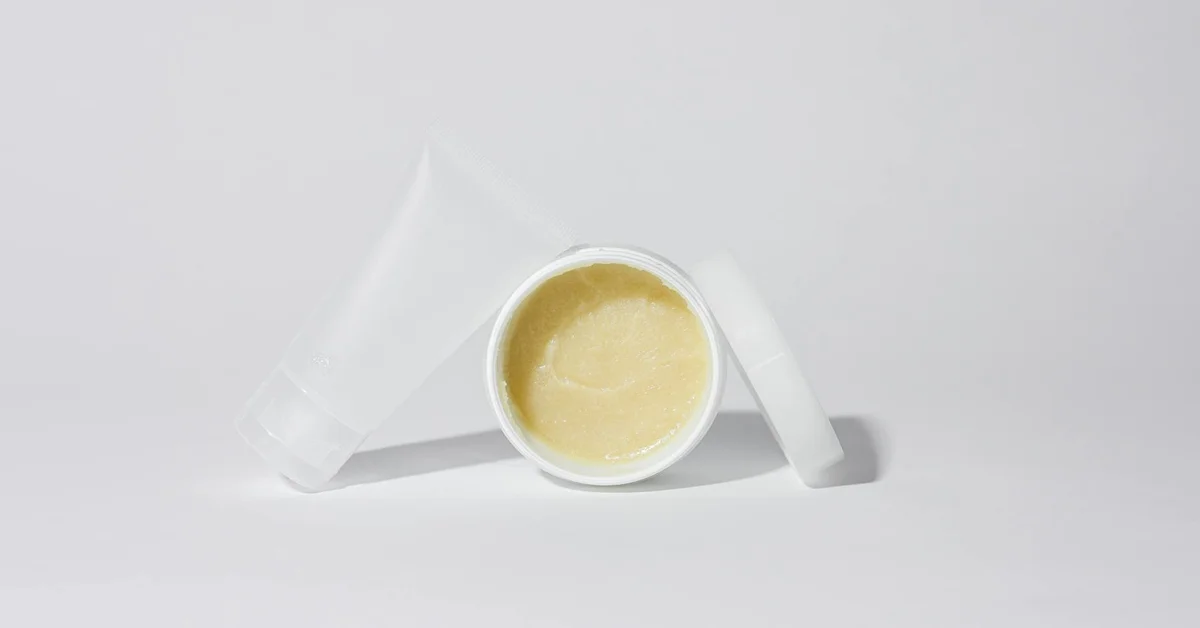
Knowing what’s inside the bottle is your first line of defense. I’ve seen too many clients come in with damaged skin from creams they didn’t understand. The active ingredients do the work, but they are not gentle.
- Trichloroacetic Acid (TCA)
This is a chemical peel agent that works by destroying skin cells in the top layers, forcing the skin to regenerate. It’s aggressive and can easily cause scarring or hypopigmentation if used incorrectly. DIY acid peels carry real risks, including glycolic or TCA formulas, when used without professional supervision. They are not a safe way to remove tattoos and can complicate future removal attempts. I would not recommend this for at-home use on delicate eyebrow skin.
- Hydroquinone
This is a skin-lightening agent that inhibits melanin production. Its goal is to fade the tattoo by lightening the skin itself. Long-term use of hydroquinone can lead to ochronosis, a blue-black permanent discoloration of the skin. Many countries have restricted its sale.
- Kojic Acid
Derived from fungi, this is a milder skin lightener. It’s less harsh than hydroquinone but can still cause contact dermatitis and redness. Kojic acid offers a slower, gentler fade but requires immense patience for minimal results on tattoo pigment.
Your Sensitive Skin Checklist: Ingredients to Sidestep
If your skin is prone to reactions, be extra vigilant. Scan the label and avoid products containing these.
- Trichloroacetic Acid (TCA) – far too corrosive for DIY use.
- High concentrations of Hydroquinone (over 2%).
- Mercury or mercury derivatives – these are toxic and banned in many places.
- High-proof alcohol or strong solvents that strip the skin barrier.
- Unknown “proprietary blends” with no clear ingredient list.
Critical Safety Steps Before You Apply Any Cream
Rushing this process is the fastest way to a worse problem than the tattoo you started with. Your skin’s health is not a guessing game; it requires a methodical approach, especially when it comes to tattoo removal.
The Non-Negotiable Patch Test
Never skip this. I do it myself with every new product, no exceptions.
- Choose a small, discreet patch of skin, like behind your ear or on your inner arm.
- Cleanse the area thoroughly with a gentle soap and pat it completely dry.
- Apply a pea-sized amount of the removal cream to the test patch.
- Leave it on for the minimum time recommended on the product label.
- Rinse the area completely and observe it for the next 24-48 hours.
Warning Signs to Heed Immediately
If you notice any of the following during your patch test or actual use, stop immediately.
- Intense burning or stinging that feels wrong.
- Rapid, spreading redness or swelling.
- The appearance of hives, blisters, or welts.
- Severe itching or a rash.
- Any difficulty breathing (seek emergency help).
Consulting a dermatologist before you start is the smartest investment you can make in your skin’s future. They can assess your skin type, the tattoo’s depth, and recommend the safest course of action, which may not be a cream at all. For people with sensitive skin, getting tailored aftercare guidance is equally important to avoid irritation during tattoo removal. Your dermatologist can advise on gentle cleansers, patch tests, and sun protection to support healing.
A Step-by-Step Guide to Using Removal Creams at Home
If you’ve passed the patch test and decided to proceed, precision is everything. Following these steps meticulously can mean the difference between slight fading and a scar.
- Proper Cleansing and Application
Wash your hands and the eyebrow area with a mild, fragrance-free cleanser. Dry the skin completely. Using a cotton swab or a precise applicator, apply the thinnest possible layer of cream strictly to the tattooed pigment. Avoid getting any cream on the surrounding skin. I use a magnifying mirror for this to ensure absolute accuracy. This step is part of a broader guide on post-treatment care for microblading, microdermabrasion, and tattoo removal. Proper aftercare supports pigment retention and promotes even healing.
- Duration and Frequency of Use
Adhere to the product’s timing instructions to the second. Do not think that leaving it on longer will work better; it will only damage your skin. Overuse is a primary cause of complications, so follow the recommended frequency, often just once a day or even less. More is not better.
- Emergency Action for Adverse Reactions
If you feel significant burning or see intense redness before the time is up, do not wait. Immediately rinse the area with a large amount of cool, running water for at least 5-10 minutes. Gently pat the area dry and apply nothing else. If the reaction is severe, contact a healthcare professional without delay.
What to Realistically Expect: Results, Timeline, and Risks
Let’s be perfectly clear from the start. Creams are designed for fading, not for complete, skin-to-skin removal of an eyebrow tattoo. The pigment is deposited too deeply for a surface-level cream to erase it entirely. I’ve seen clients achieve a significant lightening, making a bad tattoo far less noticeable, but the ghost of the old ink often remains. That’s where fading tattoo removal can play a key role, offering deeper pigment reduction beyond topical creams. It’s often a better option for more stubborn tattoos, though results vary.
The Fading Timeline: A Slow Process
Patience is your most important tool here. This isn’t an overnight fix.
- Weeks 1-4: You might notice a very slight softening of the tattoo’s edges. The color may appear a bit muted. Don’t be discouraged; this is a slow process.
- Weeks 4-8: With consistent application, this is where more visible fading typically occurs. The solid lines can start to break up and look more like soft shading.
- Months 2-4+: This is the point of diminishing returns. You’ll likely see the maximum fading the cream can provide. Further applications yield minimal change.
Potential Side Effects and Risks
Your face is sensitive, and the skin around your eyes is the most delicate of all. I’ve treated clients who learned this the hard way with DIY methods.
- Hyperpigmentation: The skin can react to the irritation by producing excess melanin, leaving a dark shadow or stain where the tattoo used to be. This is a common and frustrating outcome.
- Hypopigmentation: Conversely, the cream can damage the melanin-producing cells, creating permanent white or light spots in the skin.
- Scarring: Harsh chemicals can cause textural changes, leaving the skin raised, pitted, or rough. This texture is often more noticeable than the original faded tattoo.
- Chemical Burns and Blistering: Using a product that is too strong or leaving it on for too long can literally burn your skin.
Essential Aftercare and Sun Protection

How you treat your skin after using a removal cream is just as critical as the application itself. Proper aftercare is what separates a successful fading from a complicated skin disaster.
Post-Care Instructions for Healing
- Be Incredibly Gentle: For the first 48 hours, only rinse the area with cool water. Do not scrub.
- Moisturize with a Purpose: Once the initial sensitivity passes, apply a thin layer of a pure, fragrance-free moisturizer or healing ointment like Aquaphor several times a day to support the skin barrier.
- Hands Off: Do not pick at any flaking or peeling skin. Let it shed naturally to prevent scarring.
- Skip the Makeup: Avoid applying any makeup, including brow pencil, to the treated area for at least a few days to prevent infection and irritation.
The Non-Negotiable Role of Sun Protection
This is the single most important piece of advice I can give you. Sun exposure on a recently treated tattoo will almost certainly cause it to darken, undoing all your progress. The inflamed skin is hyper-reactive to UV light. This is the kind of guidance you’ll find in our tattoo removal sun exposure protection guide. It walks you through practical steps to shield healing skin from UV damage.
- Use a mineral-based sunscreen with Zinc Oxide (SPF 30 or higher) daily, even if you’re indoors near a window.
- Wear a wide-brimmed hat when outside for extended periods.
- Make sun protection a part of your permanent routine while the fading process is ongoing.
Recommended Gentle Skincare
- Cleanser: Vanicream™ Gentle Facial Cleanser or CeraVe™ Hydrating Facial Cleanser.
- Moisturizer: La Roche-Posay Cicaplast Baume B5 or Aveeno™ Calm + Restore Oat Gel Moisturizer.
- Sunscreen: EltaMD UV Clear Broad-Spectrum SPF 46 or a similar physical/mineral sunscreen.
Weighing Your Options: Creams vs. Professional Removal
This is the ultimate crossroads. Having been on both sides of this—using creams on a small tattoo myself and undergoing professional laser removal for a more stubborn one—I can give you the real-world breakdown. Pain management matters, and numbing creams for tattoo removal are a common option during the process. I’ll share what to know about using them and what to expect.
Effectiveness: Fading vs. Erasing
- Creams: Best for lightening old, already-faded tattoos. They struggle with dense pigment and dark inks. The results are inconsistent and unpredictable.
- Professional Laser Removal: This is the gold standard for a reason. Lasers shatter the ink particles deep in the skin, allowing your body to flush them out. Laser is the only method that can potentially achieve complete removal.
Cost Analysis: Short-Term vs. Long-Term Investment
| Method | Average Cost | What You’re Paying For |
|---|---|---|
| Removal Cream | $30 – $100 (per bottle) | A chance at gradual fading, plus the risk of side effects you’ll have to pay to fix later. |
| Professional Laser | $150 – $500 (per session; typically requires 2-5 sessions) | Medical-grade technology, a trained technician, predictable results, and significantly less risk of scarring. |
When to Search for “Eyebrow Tattoo Removal Near Me”
Stop the DIY experiment and book a professional consultation immediately if:
- Your eyebrow tattoo is very dark, dense, or new.
- You have a history of keloid scarring or sensitive skin.
- The tattoo has a lot of red or yellow pigment, which creams are notoriously ineffective on.
- You need guaranteed, significant results within a specific timeframe.
- You’ve tried a cream and are unhappy with the fading or are experiencing side effects.
A professional can assess your specific tattoo and skin type, giving you an honest roadmap to your goal. This upfront investment often saves you money, time, and heartache compared to the trial-and-error of creams.
Frequently Asked Questions
What is saline eyebrow tattoo removal and how does it work?
Saline eyebrow tattoo removal is a professional method where a specialized saline solution is gently tattooed into the skin over the existing pigment. This solution works through osmosis to gradually draw the ink to the surface, where it forms a light scab and flakes away over several days, effectively lightening the tattoo with a lower risk of hypopigmentation compared to some other methods when done correctly by an experienced technician.
What can I realistically expect from eyebrow tattoo removal in terms of before and after results?
Before removal, your eyebrow tattoo may appear dark, sharp, or uneven, but after successful treatment, you can expect a noticeable lightening and softening of the pigment, though complete erasure is rare. The “after” result often shows significantly faded brows that are much less prominent, but some faint ghosting or residual color may remain, depending on factors like ink type and your skin’s response.
How do I find a reputable professional for eyebrow tattoo removal near me?
Start by searching for licensed clinics or studios that specialize in permanent makeup removal and check their credentials, reviews, and before-and-after galleries. Schedule consultations to discuss their experience with eyebrow tattoos, the technology they use (like laser or saline), and their approach to safety to ensure you choose a provider who can deliver effective, professional results tailored to your needs.
Closing Words
Eyebrow tattoo removal creams offer a tempting promise of an easy fix, but they rarely deliver. Based on everything I’ve seen on my own skin and with clients, these products are more likely to cause irritation and scarring than they are to effectively fade your tattoo. The pigment is placed too deep for a surface cream to reach, making complete removal a near impossibility. If you’re curious about safer at-home options, my eyebrow tattoo removal home guide explains what you can safely try. It also helps you decide when professional treatment is a better choice.
Your safest path forward is to consult a professional. Laser removal, while more of an investment, is the only method I trust to target that ink selectively and safely. Protect your skin and your peace of mind by choosing a proven method over a questionable cream. Reputable clinics follow strict laser safety protocols, including proper eye protection and calibrated settings. They will assess your skin type and provide clear post-treatment care instructions to minimize risks. Your future self will thank you for making a smart, informed decision.
Further Reading & Sources
- Amazon.com: Eyebrow Tattoo Removal
- What cream can I use to help fade semi-permanent eyebrow tattoo? (Photo)
Ink Fade Lab is your trusted source for tattoo removal insights, combining expert knowledge with compassionate care to help you make informed decisions about your tattoo journey. Based on years of experience in the tattoo removal industry, we are dedicated to providing accurate, up-to-date information to support your choices.
Non-Laser Methods