
Tattoo Removal Anesthesia: Your Guide to a Painless Process
Worried about how much tattoo removal will hurt? I’ve sat in that chair myself and guided countless clients through it, so I know that fear intimately.
This article breaks down exactly how anesthesia works to keep you comfortable. We’ll cover the different types of anesthesia used, what to expect during your session, and crucial safety advice I follow in my own practice.
Why Anesthesia is Used in Tattoo Removal
Laser tattoo removal feels like hot bacon grease splattering on your skin repeatedly. Anesthesia transforms this from a test of endurance into a manageable medical procedure. It directly manages the sharp, intense pain generated when laser light shatters tattoo ink particles.


Comfort is not a luxury in this process. Effective pain control allows me to use higher, more effective laser settings and complete treatments faster. A relaxed, comfortable patient means I can work with precision on larger or more intricate tattoos in a single session.
In my studio, I’ve seen the full spectrum of pain tolerance. One client might barely flinch on a rib tattoo, while another needs numbing for a simple line on their forearm. For those wondering how badly tattoo removal hurts, here’s an honest guide. Ignoring the need for pain control often leads to unfinished sessions and incomplete tattoo removal, which is a waste of everyone’s time and money.
Common Types of Anesthesia for Tattoo Removal
Choosing the right numbing method depends entirely on the tattoo’s size, location, and your personal pain threshold. We have a graduated toolkit for pain management, from simple creams to advanced sedation. For tattoo removal, we tailor these options to the treatment area and session length. Our topical numbing creams are designed to minimize discomfort during the procedure.
Topical Anesthetics like Lidocaine and EMLA
These are numbing creams you apply to the skin’s surface before the procedure. Products like EMLA (a lidocaine-prilocaine mix) or straight lidocaine creams need about 60-90 minutes under an occlusive dressing to penetrate effectively. I often tell clients to apply it thickly, like frosting a cake, and wrap it tightly with cling film. For eyebrow tattoo removal, these numbing creams are commonly used to minimize discomfort during sessions. This guide to eyebrow tattoo removal creams will help you choose the right product and understand proper application.

Their main limitation is depth. Topicals are fantastic for the epidermis but do very little for the deeper dermal pain where the laser is actually working. They are best used for small tattoos, areas with thin skin, or for clients with general sensitivity. I find them useful for taking the initial ‘edge’ off the laser zap.
Local Infiltration and Nerve Blocks
This is where we get serious about pain elimination. Local infiltration involves injecting a numbing agent like lidocaine directly into and around the tattoo site. The relief is almost instant and far more profound than any cream can provide. Additionally, our laser tattoo removal guide covers the best numbing creams for topical relief. It compares effectiveness, safety, and usage to help you decide.

We often add epinephrine to the solution. Epinephrine causes vasoconstriction, which reduces bleeding and helps keep the anesthetic in the area longer for extended pain relief. For areas like fingers, toes, or the jawline, a nerve block can numb an entire region with a single, strategic injection.
For very large areas, like a full back piece, tumescent anesthesia is an option. This technique involves infusing a large volume of diluted anesthetic into the fatty layer, creating a swollen, firm, and completely numb area perfect for long removal sessions.
Sedation and General Anesthesia
These are reserved for extreme cases and are not part of a standard tattoo removal practice. Conscious sedation, often using oral or IV medications, puts you in a deeply relaxed ‘twilight’ state where you are still breathing on your own but unaware of the procedure. For a full understanding of how the tattoo removal process works, the standard steps are explained below. This will help you know what to expect at each laser session and during recovery.
General anesthesia, where you are completely unconscious, is almost never warranted for tattoo removal. The risks associated with general anesthesia-including respiratory and cardiac complications-far outweigh the benefits for an elective cosmetic procedure like this. Tattoo removal carries its own safety risks, including infection, scarring, and pigment changes. Discuss all potential dangers with your clinician to make an informed decision.
I strongly caution against any clinic that suggests general anesthesia as a first resort. Safe protocols always prioritize the least invasive method of pain control possible, escalating only when absolutely necessary and with proper medical supervision.
Choosing the Right Anesthesia for Your Tattoo Removal
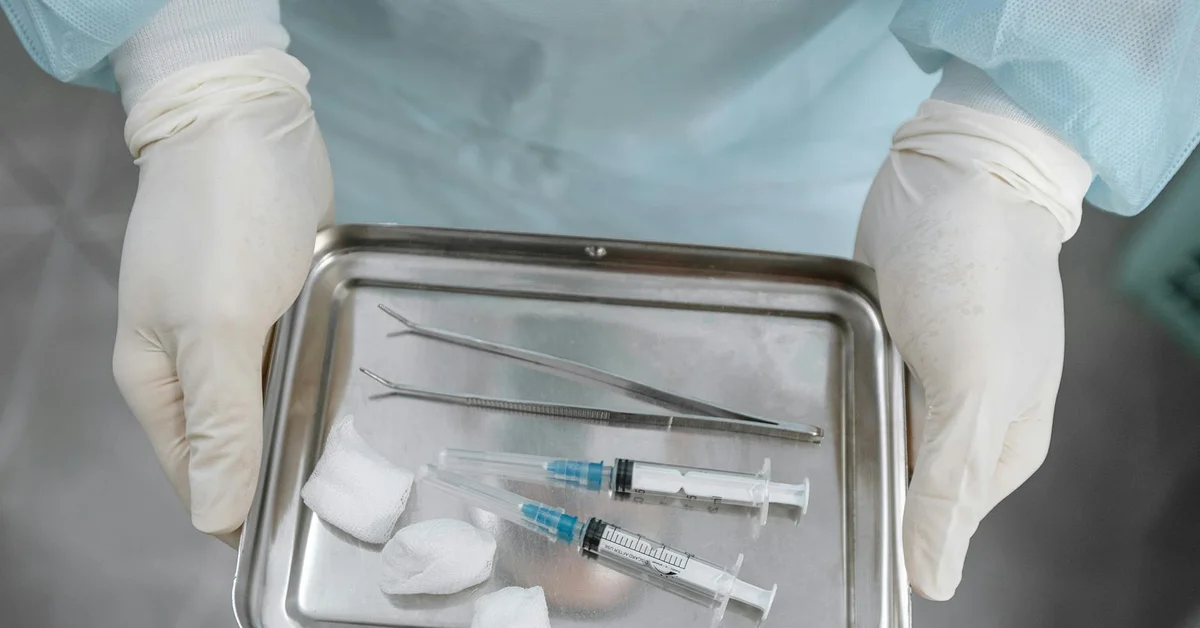
Selecting the proper pain management isn’t a one-size-fits-all decision; it’s a tailored choice based on your unique situation. Your comfort and safety are the primary drivers behind selecting the right anesthetic approach.
I base my recommendations on several key factors that I’ve assessed with hundreds of clients.
- Tattoo Size: A small, simple design might only need a strong topical numbing cream. A large, dense sleeve often requires a more powerful option like nerve blocks or injected local anesthesia to make the long session tolerable.
- Tattoo Location: Bone-heavy areas like ankles, ribs, and the spine are notoriously sensitive. For these spots, I frequently suggest injected anesthetics for deeper, more effective numbing. Fleshy areas like the thigh or calf are often more manageable with topicals.
- Your Pain Tolerance: Be honest with your provider about your sensitivity. I’ve had tough-looking clients who needed nerve blocks for a small tattoo and others who sat through a full-back piece with just cream. There’s no shame in needing more comfort.
- Underlying Health Conditions: Certain medical issues, like heart problems or specific allergies, can rule out some anesthetic types. Your complete health history is non-negotiable information for your safety.
Anesthesia Option Guide
| Anesthesia Type | Best For | Key Considerations |
|---|---|---|
| Topical Numbing Cream | Small to medium tattoos on less sensitive areas. | Easy to apply, but numbing is surface-level. Requires 60-90 minutes under occlusion to work well. |
| Local Injected Anesthetic | Medium to large tattoos, highly sensitive locations. | Provides deep, complete numbness instantly. Involves initial pinpricks from the injection itself. |
| Nerve Blocks | Extensive work on limbs (e.g., full sleeves, calf pieces). | Numbs an entire region with a single injection. Requires significant technical skill from the provider. |
Safety and Contraindications of Tattoo Removal Anesthesia
While modern anesthetics are remarkably safe when used correctly, they are powerful medications that demand respect. Ignoring safety protocols with anesthetics is a gamble with your health that you should never take.
Potential Side Effects
- Systemic Toxicity: This is the most serious risk, occurring if too much anesthetic enters the bloodstream. Symptoms can include dizziness, metallic taste, tremors, or, in extreme cases, seizures. This is why dosage and technique are critical.
- Allergic Reactions: True allergies to lidocaine are rare, but they can happen. Reactions range from a minor skin rash to anaphylaxis. We always ask about known drug allergies for this reason.
- Localized reactions like swelling, redness, or bruising at the injection site are common and typically resolve quickly.
Key Contraindications
Some conditions and medications make certain anesthetics unsafe. You must disclose everything to your provider.
- Medical Conditions: Heart conditions, liver disease, and certain neurological disorders can affect how your body processes anesthetic agents.
- Medications: Some prescription drugs, especially certain classes of antidepressants and heart medications, can interact dangerously with epinephrine, which is often mixed with local anesthetics to control bleeding.
- Pregnancy and Breastfeeding: As a rule, we avoid elective procedures involving anesthesia during pregnancy and breastfeeding due to unknown risks to the child.
In my clinic, we treat anesthetic safety with the utmost seriousness. I have a strict “no secrets” policy-I need to know your full medical history and all medications you’re on, including supplements. I’ve personally turned away clients who were not transparent, because their safety is my absolute limit.
Impact of Anesthesia on Tattoo Removal Outcomes and Healing
The method of pain control you choose doesn’t just affect your comfort during the session; it can influence the entire removal process and your recovery.
Anesthesia can subtly change how your skin reacts to the laser’s energy, which is a crucial detail many overlook. Topical creams, especially those applied thickly, can cause minor skin swelling that might slightly scatter the laser light, potentially requiring a tweak in settings. Injected anesthetics can cause temporary vasoconstriction (narrowing of blood vessels), which may reduce immediate pinpoint bleeding.
Your skin’s healing journey is also impacted. All anesthetics disrupt the skin’s barrier. Think of your skin as a brick wall; anesthesia temporarily moves some bricks, making it more vulnerable post-procedure. This is why post-care is even more critical. I advise my clients to treat their skin with extreme gentleness-no picking, no harsh products-and to keep the area meticulously clean to prevent infection while the barrier repairs itself.
Furthermore, the type of anesthesia dictates your post-procedure pain management. The profound numbness from a nerve block can last for several hours, providing a wonderful pain-free window after you leave the clinic. When it wears off, however, the sensation can be more intense than if you’d only used a topical. Planning for this “rebound” discomfort is part of a good aftercare strategy, often involving over-the-counter pain relievers (if cleared by your provider) and cool compresses.
Pre- and Post-Procedure Care with Anesthesia
Proper preparation makes a significant difference in your comfort and healing. I always instruct my clients to follow a strict pre-care routine to maximize the anesthetic’s effectiveness and minimize side effects.
Before Your Session
- Hydrate thoroughly for 24-48 hours prior to your appointment. Well-hydrated skin responds better to treatment.
- Avoid caffeine and alcohol for at least 24 hours. These substances can increase sensitivity and interfere with numbing agents.
- Do not apply any lotions, creams, or oils to the area on the day of your procedure.
- Eat a solid meal about an hour before your session to help maintain blood sugar levels and prevent lightheadedness.
- Discuss all medications and supplements with your technician, as some can thin your blood.
Immediately After Your Session
The area will be tender and inflamed. Your first line of defense is always a cold compress applied intermittently for 15-20 minutes at a time. This reduces swelling and provides immediate sensory relief.
- Gently blot the area with a clean paper towel if any fluid weeps.
- Apply a thin layer of prescribed or recommended ointment as directed.
- Keep the area elevated if possible, especially for treatments on limbs.
Post-Procedure Analgesia and Monitoring
Over-the-counter pain relievers like acetaminophen can be effective for managing lingering discomfort. I strongly advise against ibuprofen or aspirin for the first 48 hours, as they can promote bleeding and bruising.
Vigilance is key in the days following your procedure. Monitor the area for signs of complications.
- Watch for excessive redness, swelling, or heat that spreads beyond the treatment zone.
- Be alert for pus, severe pain, or fever, which are indicators of infection.
- Contact your specialist immediately if you experience any signs of an allergic reaction, such as hives or difficulty breathing.
Alternative Pain Management Methods
Not everyone wants or can use topical numbing creams. In my practice, I’ve found several powerful non-pharmacological methods that provide substantial relief, especially for smaller tattoos or sensitive areas, which is crucial when dealing with tattoo removal for sensitive skin.
Cryoanesthesia and Ice Application
This is the most common and accessible alternative. We use specialized cold spray devices or simple ice packs.
- Cryoanesthesia uses a controlled stream of cold vapor to numb the skin’s surface instantly. It’s fantastic for taking the initial edge off the laser’s zap.
- Ice Pack Application before and after the procedure is a classic for a reason. It constricts blood vessels, reducing both pain and swelling.
The cooling sensation provides a distracting counter-irritation to the laser’s heat. I often use a combination of pre-cooling with an ice pack and brief cryo-spray bursts during the session itself for a layered approach to pain management.
Comparing Effectiveness and Use Cases
Choosing a method depends on your pain tolerance and the tattoo’s characteristics.
- Topical Anesthetics are best for large, dense tattoos requiring longer sessions. They provide deeper, longer-lasting numbness.
- Cryoanesthesia & Ice are ideal for smaller tattoos, linework, or for clients who prefer to avoid chemicals. The effect is more surface-level and momentary.
For many of my clients, the psychological benefit of having an immediate, tangible cooling sensation is as valuable as the physical numbness. You must communicate with your technician to find the right balance for your specific needs and comfort level.
Frequently Asked Questions
Is anesthesia used in laser hair removal similar to tattoo removal?
While both procedures may employ topical anesthetics like lidocaine creams for surface numbing, tattoo removal often requires more intensive options such as local injections or nerve blocks due to the deeper laser penetration needed to shatter ink particles, whereas hair removal typically involves less discomfort and may not necessitate advanced anesthesia.
How can I find a clinic that offers tattoo removal with anesthesia near me?
To locate a qualified provider, search online for “tattoo removal clinics near me” and directly contact them to ask about their anesthesia options, ensuring they use safe, medically supervised methods like topical numbing or local anesthesia tailored to your needs and health history.
Did Pete Davidson use anesthesia for his tattoo removal?
While specific details of Pete Davidson’s tattoo removal aren’t publicly disclosed, it’s common for individuals with extensive or sensitive tattoos to use anesthesia such as topical creams or injected local anesthetics to ensure a comfortable and pain-managed experience during the procedure.
Closing Words
Anesthesia isn’t a luxury in tattoo removal; it’s a core component that dictates your entire experience. From my own sessions, I can tell you that effective pain management is what separates a tolerable process from a traumatic one. Your choice directly impacts your comfort and your commitment to seeing the removal through to the end. There are painless tattoo removal options worth discussing, such as topical anesthetics or cooling devices. Bringing these up at your consultation can help tailor a gentler removal plan.
Always discuss pain management with your removal specialist before your first laser pulse hits your skin. Do not attempt to self-medicate or use unapproved numbing creams, as this can interfere with the laser and jeopardize your safety. A professional will guide you to the safest, most effective option for your specific situation. In tattoo removal clinics, laser safety protocols are strictly followed to minimize risks, including proper eye protection and device settings. Always ensure staff explain their safety checklist before your session.
Further Reading & Sources
- r/TattooRemoval on Reddit: Has anyone had injected local anesthesia?
- Tattoo Removal: How It Works, Process, Healing & Scarring
Ink Fade Lab is your trusted source for tattoo removal insights, combining expert knowledge with compassionate care to help you make informed decisions about your tattoo journey. Based on years of experience in the tattoo removal industry, we are dedicated to providing accurate, up-to-date information to support your choices.
Numbing Creams