
How Many Tattoo Removal Sessions You’ll Need (And The Waiting Game Between Them)
Published on: July 25, 2026 | Last Updated: July 25, 2026
Written By: Ashita no Joe
Staring at a tattoo you no longer want and wondering just how long it will take to disappear? You’re not alone. I’ve been there myself, and I’ve guided hundreds of clients through this exact process. This guide cuts through the guesswork to give you a clear, realistic picture of your removal journey.
We will break down the key factors that determine your total number of appointments, from your skin tone and the ink’s colors to the tattoo’s age and location. You will learn why the time *between* sessions is just as critical as the sessions themselves, and I’ll provide a straightforward timeline so you can manage your expectations from start to finish.
Checklist: Your Quick Guide to Removal Sessions
- Initial professional assessment is non-negotiable. I never start a removal process without a thorough consultation. A trained eye can spot underlying skin issues and predict how your specific ink will react to the laser.
- Average treatment length spans 6-12 sessions. Most people fall within this range for significant fading. I’ve had clients clear in four, and others need fifteen. Your journey is unique.
- Standard interval between sessions is 6-8 weeks. Rushing this process damages your skin. Your immune system needs this full window to process and flush out the shattered ink particles effectively.
- Your body’s response time dictates the final count. The laser breaks the ink down, but your lymphatic system does the real work. A healthier lifestyle can sometimes speed up this natural clearance.
- Post-care directly impacts your improvement rate. I tell every client that the work they do between sessions is just as critical as the laser itself. Proper healing means better results, faster.
What Determines Your Total Session Count?
- Ink color and density. Professional black ink absorbs laser light best and is the easiest to remove. Blues and greens can be stubborn, while reds and yellows are often the most challenging. I’ve seen dense, color-packed tattoos require nearly double the sessions of a simple black outline.
- Tattoo size and location. A small tattoo on your shoulder will fade quicker than a large piece on your ankle. Areas with better blood circulation, like the torso, typically clear ink more efficiently than areas on the extremities.
- Your skin type and age. Fitzpatrick skin types I-III generally see faster progress with a lower risk of side effects. Younger skin also tends to have a more robust healing response, which can aid in the clearance process.
- Tattoo’s age and technique. Older, faded tattoos often break up more easily than fresh ones. The artist’s technique matters, too; amateur tattoos with ink deposited too shallowly or too deeply can complicate removal.
- Your body’s unique clearance ability. This is the ultimate variable. I’ve treated two people with nearly identical tattoos and watched one clear in half the time. Your overall health, immune system, and even hydration levels play a massive, often underestimated role.
The Standard Treatment Timeline and Frequency

Why the 6-8 Week Interval Between Sessions is Crucial
That six to eight week gap between appointments isn’t a suggestion-it’s a biological requirement. Your body needs this time to process the shattered ink particles. Rushing this process leads to skin damage and poor results, something I’ve seen far too many times in my clinic.
- Your immune system needs recovery time. The laser breaks the ink into tiny fragments, and your white blood cells require weeks to carry them away. Scheduling sessions too close together overwhelms this system, halting progress.
- Skin healing must complete between treatments. Your skin is traumatized by the laser. Treating inflamed, unhealed skin increases scarring risks and is intensely painful. I always wait for my own skin to return completely to normal before booking my next session.
- Allows for proper fading assessment. The most significant fading often occurs three to six weeks post-treatment. We need to see the full extent of the clearance before zapping the same area again.
Typical Therapy Duration From Start to Finish
Managing expectations from day one prevents frustration. Tattoo removal is a marathon, not a sprint. Complete removal is a process of patience, not a single event you can schedule. Realistic expectations about how many sessions and how much fading to expect are key to staying motivated. Results depend on ink color, depth, and skin type.
- Small tattoos: 6-18 months total. A simple, black-line tattoo on a limb might require 6-10 sessions, spaced months apart.
- Large or colorful tattoos: 18-36 months. Dense packing, multiple colors, and a larger surface area demand more sessions and more time for your body to clear the ink.
- Factors that can extend your timeline. Older tattoos sometimes fade faster, but stubborn ink colors like green, yellow, and fluorescent tones can double your session count. Your overall health and immune function play a massive role.
The Initial Assessment: Your Personalized Prognosis
Your first consultation is where we build the roadmap for your entire removal journey. I examine every client’s tattoo under a bright light and discuss their history. An honest assessment upfront saves you time, money, and disappointment down the line. This is the first step in your journey toward complete tattoo removal. We’ll guide you through every phase until you reach that goal.
- What happens during your first consultation. I analyze your tattoo’s ink density, colors, and depth. I assess your skin type using the Fitzpatrick scale and discuss your lifestyle and health habits that impact healing.
- How professionals estimate your session count. We look at ink saturation, color spectrum, and your skin’s response to a small test spot. There’s no magic number, but experience gives us a very accurate range.
- Setting realistic goals and expectations. We discuss the possibility of partial fading versus complete removal. For some multi-colored tattoos, full removal isn’t feasible, but significant lightening is.
Tailoring Your Care Plan: Beyond the Standard Protocol
When Your Session Frequency Might Differ
The standard eight-week interval is a starting point, not a rigid rule. Your body’s unique response dictates the final schedule. Listening to your skin is more important than blindly following a calendar. Seasonal considerations for tattoo removal, such as sun exposure and humidity, can influence when it’s best to start the process. Your clinician can help tailor the timing to your season and routine.
- Medical considerations that alter timing. Conditions that compromise your immune system or slow healing, like diabetes or an autoimmune disorder, necessitate longer breaks between appointments.
- How tattoo location affects treatment spacing. Areas with poor circulation, like ankles and feet, heal slower than areas closer to your core. These spots often need extended recovery periods.
- Adjusting for individual healing response. Some people’s bodies clear ink with remarkable efficiency, while others process it slowly. I adjust the timing based on how your fading progresses between visits.
Progress Tracking and Adjusting Your Plan
We don’t just zap and forget. Each session is an opportunity to refine your treatment strategy for optimal results. Your removal plan is a living document that we update based on tangible evidence of your progress, always considering healing times between sessions.
- How we measure fading between sessions. I use high-resolution photos from consistent angles and lighting to compare your tattoo’s appearance from one visit to the next. This objective data is invaluable.
- When to extend or shorten intervals. If your skin shows signs of slow healing or hyperpigmentation, we extend the break. If you are healing exceptionally well and fading quickly, we might marginally shorten the interval.
- Documenting your improvement rate. Keeping a visual log helps us identify plateaus. If fading stalls for two consecutive sessions, we may need to change laser settings or techniques.
The Final Phase: Tapering and Maintenance
You’ll know you’re in the home stretch when your tattoo becomes a faint, ghost-like version of itself. The pigment will appear fragmented and light gray, a shadow of its former self. I’ve seen this stage countless times on my own skin and with clients—it’s the light at the end of the tunnel and a clear sign of what final tattoo removal results look like.
- Recognizing when you’re in the home stretch: Your sessions will feel different. The laser zaps will be quieter, and the immediate skin reaction (frosting) will be significantly less pronounced. The ink is no longer a dense target but scattered remnants.
- Extended intervals for final sessions: I always push my clients to wait longer between these last few appointments. Instead of 6-8 weeks, we move to 12-16 weeks. This extended break gives your immune system the maximum time to clear those final, stubborn pigment particles without overwhelming your skin.
- Follow-up appointments for complete clearance: Plan for at least one or two “check-up” sessions after you think you’re done. We often schedule these 4-6 months out. These final appointments target the few specks that only become visible once the surrounding inflammation has fully settled. Skipping this step is why some people end up with faint leftovers.
Managing Your Treatment Journey
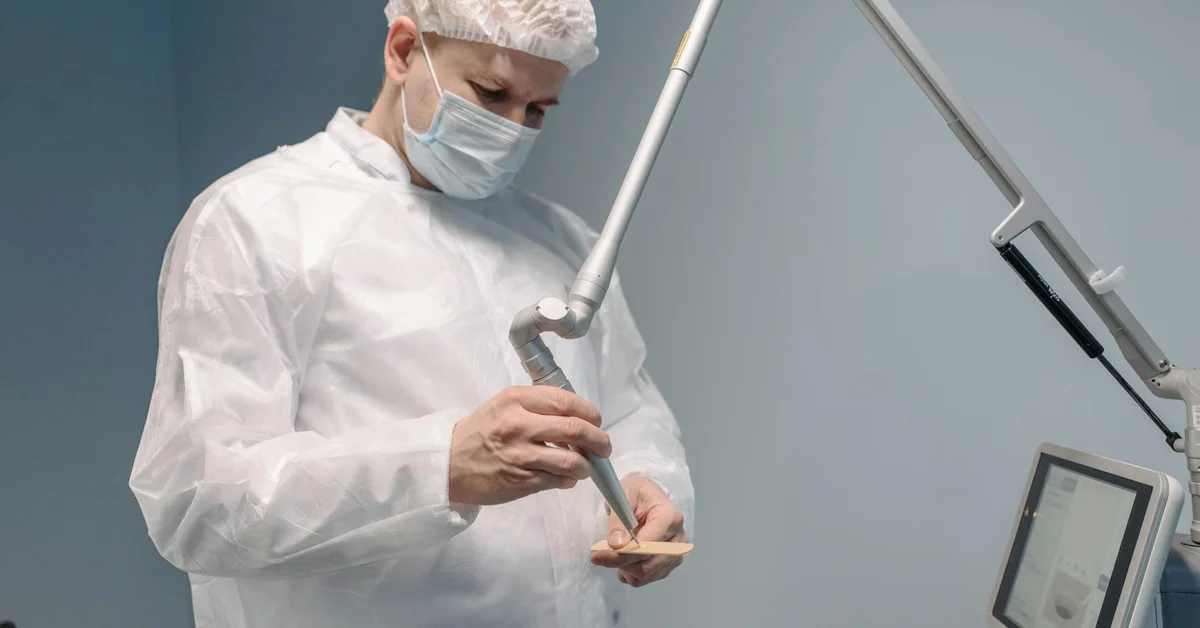
Risk Management and Safety Considerations
Rushing this process is the single biggest mistake I see people make. It never ends well.
- Why rushing between sessions causes problems: Your skin needs time to heal and do its job. If you zap inflamed skin that hasn’t fully recovered, you significantly increase the risk of scarring, hypopigmentation (white spots), and blistering. You’re essentially re-injuring an open wound before it has closed.
- Monitoring skin health throughout the process: Before every session, I do a quick check. Is the skin back to its normal texture and color? Is there any lingering redness or sensitivity? Your skin’s condition is the ultimate guide for timing your next appointment, not the calendar.
- When to pause or adjust treatment: If you develop a stubborn blister, a rash, or any sign of infection, you must stop. Listen to your body-if something feels wrong, it probably is. A good clinician will immediately pause treatment, assess the issue, and only resume when your skin is 100% ready.
Maximizing Your Outcome Measures
Your lifestyle and habits between sessions are just as critical as the laser itself. They directly influence how many sessions you’ll ultimately need.
- Lifestyle factors that affect session effectiveness: Smoking constricts blood vessels, slowing down your body’s ability to flush out ink. A poor diet deprives your immune system of the fuel it needs. Staying well-hydrated is non-negotiable; it keeps your lymphatic system flowing and actively carrying away the shattered ink.
- How proper aftercare reduces total sessions needed: I tell my clients that the laser does 50% of the work; their aftercare does the other 50%. Keeping the area clean, avoiding sun exposure, and not picking at scabs or blisters prevents complications that can derail your progress. Meticulous aftercare ensures each session achieves its maximum potential fade, shaving treatments off your total count.
- Working with your clinician for optimal results: Be an active participant. Show up to your appointments, ask questions, and report any concerns. Your clinician relies on your feedback to tailor the laser settings and treatment plan specifically for you. This partnership is what delivers the clean, clear skin you’re paying for.
Frequently Asked Questions
What does “number of sessions” mean in tattoo removal?
In tattoo removal, “number of sessions” refers to the total count of individual laser treatment appointments required to break down and eliminate the ink. Each session involves using a laser to fragment the pigment, and the cumulative effect over multiple visits allows your body to gradually clear the particles, with the exact number varying based on personal factors.
How many sessions are typically needed for laser hair removal compared to tattoo removal?
Laser hair removal generally requires fewer sessions, often around 6-8 treatments spaced weeks apart, as it targets active hair follicles for reduction. In contrast, tattoo removal typically needs more sessions-averaging 6-12 or more-due to the stubborn nature of ink embedded in the skin, which demands repeated breakdown for full clearance.
Why is the number of sessions not fixed for every tattoo?
The number of sessions isn’t fixed because it hinges on variables like ink colors, tattoo density, and your body’s unique healing response. For instance, multi-colored or older tattoos may need additional treatments, and individual differences in immune function or skin type mean no two removal journeys are identical, requiring a customized approach.
Closing Words
Ultimately, there is no universal number of sessions that fits every person or tattoo. Your removal journey is unique, dictated by your skin, your tattoo’s history, and your body’s own healing rhythm. From my experience, expect a process, not a quick fix, typically ranging from a dedicated 4 to 12 sessions over several months. Your tattoo will progressively lighten visit by visit, as your skin gradually responds to each treatment.
Respect the time between appointments—that 6 to 8 week window isn’t a suggestion, it’s a requirement for your skin to recover and clear the ink. Patience isn’t just a virtue here; it’s the most critical ingredient for a successful and safe outcome. Following the aftercare guide for laser sessions will set expectations for healing. Expect a brief recovery with instructions on cleansing, moisturising, and sun protection.
Further Reading & Sources
- Sessions Are Needed for Laser Tattoo Removal? | Laser Skin
- How Many Sessions Do You Need to Remove a Tattoo? | Red Deer
Ink Fade Lab is your trusted source for tattoo removal insights, combining expert knowledge with compassionate care to help you make informed decisions about your tattoo journey. Based on years of experience in the tattoo removal industry, we are dedicated to providing accurate, up-to-date information to support your choices.
Laser Tattoo Removal