How Long Does Tattoo Removal Take to Heal?
Published on: January 4, 2026 | Last Updated: January 4, 2026
Written By: Ashita no Joe
Are you staring at a fresh removal site, wondering how long the redness and tenderness will last? That feeling of uncertainty is completely normal, and I’ve been there myself, both as a client and a technician.
This guide walks you through the entire healing journey, from the first day to the final fade. We’ll cover the typical healing stages, factors that speed up or slow down recovery, and my proven aftercare steps to protect your skin.
Understanding Removal Site Healing
What Happens to Your Skin During Healing
Your skin goes through a remarkable transformation after a laser procedure. Think of the treated area as a controlled injury site. The laser’s energy shatters the tattoo ink particles, and your body’s immune system must then clear the debris. This cleanup and repair mission is what we call the healing process, and it demands patience and proper care.
Key Processes in Wound Healing
Your body follows a precise biological script to mend the skin. I have seen this countless times on my own skin and my clients’.
- Ink Fragmentation and Phagocytosis: The laser breaks ink into tiny pieces. White blood cells called macrophages then arrive to literally eat and carry away these ink fragments.
- Collagen Production: Your skin starts producing fresh collagen, the protein that gives skin its structure and strength. This is the foundation for new, healthy skin.
- Angiogenesis: Your body forms a new network of tiny blood vessels to supply oxygen and nutrients to the healing tissue, fueling the entire recovery.
- Epithelialization: New skin cells multiply and migrate across the wound surface to seal it. This creates that new, often pinkish, layer of skin you see.
Stages of Removal Site Healing
Healing is not a single event but a cascade of overlapping phases. Knowing what to expect at each stage prevents unnecessary panic.
Initial Inflammatory Phase
This phase starts immediately after your session and lasts about 3 to 5 days. The area will feel warm, look red and swollen, and may be tender. This inflammation is a positive sign that your immune system is actively responding to the treatment. You might see tiny blisters or a whitish frost-this is normal and indicates the ink particles were effectively targeted. Your job here is to keep the area clean, apply a recommended ointment, and avoid any picking or scratching.
Proliferation and Tissue Regeneration
From day 4 up to about week 4, the real construction work begins. The redness and swelling subside. A scab or crust will form; this is your body’s natural bandage. Underneath, new skin cells are rapidly dividing. It is absolutely critical to let any scabbing fall off naturally to prevent scarring and ensure even ink clearance during your removal sessions. The skin underneath will appear pink, shiny, and very new. It might feel tight or itchy, which is a sign of healing, not infection.
Remodeling and Scar Maturation
This final stage is the longest and most subtle, beginning around week 4 and continuing for months. The fresh pink skin will gradually blend with your natural skin tone. The real magic of fading happens during this quiet remodeling phase as your body continues to metabolize the deeper ink fragments. The skin’s texture will normalize, and any residual sensitivity will fade. Complete healing, where the skin is fully resilient and the next laser session can be performed, typically occurs around the 6 to 8-week mark.
Typical Healing Timeline by Removal Method
Laser Tattoo Removal Recovery Time
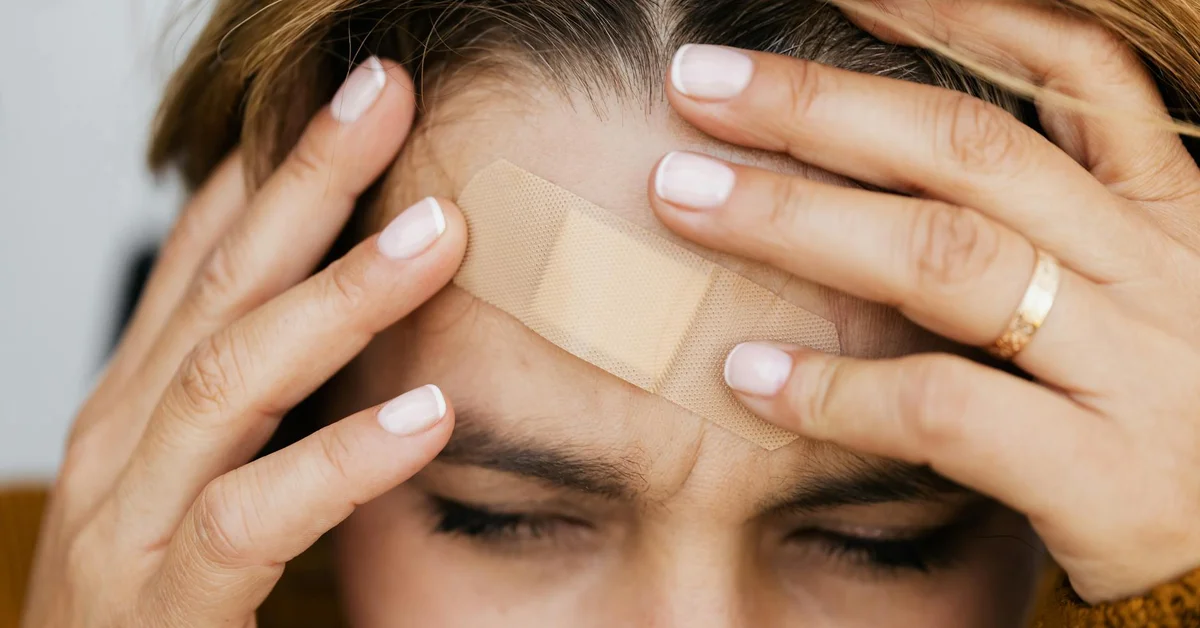
Laser removal recovery is a process, not a single event. The laser breaks up ink particles that your body then works to eliminate. Your immune system does the real work after the laser does its job, and this takes time. From my own sessions, the initial surface healing is quick, but the deeper tissue mending continues for weeks. If blisters form on the treated area, keep the area clean, avoid popping, and seek guidance from your clinician for safe blister care. This careful care helps minimize infection risk and supports proper healing.
Day-by-Day Healing Expectations
- Days 1-3: The area will be red, swollen, and sensitive, similar to a bad sunburn. Blistering is common and is a normal sign of healing.
- Days 4-7: Swelling decreases. Blisters may crust over or pop; do not pick at them. A dark, crusty scab often forms.
- Weeks 2-4: Scabs fall off naturally, revealing pink, new skin underneath. Itching can be intense during this phase.
- Weeks 4-8: The skin surface typically looks normal, but internal healing and ink fading continue for months.
Surgical Excision Healing Duration
This method involves cutting the tattoo out entirely and stitching the skin closed. Surgical excision offers immediate results but comes with a more involved and lengthy recovery period compared to laser. I’ve only recommended this for very small tattoos where a linear scar is preferable to faded ink. For readers considering excision with a skin graft, our skin graft tattoo removal guide explains graft options and what recovery looks like.
Incision Healing with Sutures
- Week 1-2: Sutures remain in place. The area will be tender, bruised, and you must keep the incision clean and dry.
- Week 2-3: Sutures are removed. The scar will be raised, red, and firm to the touch.
- Months 3-6: The scar begins to soften and flatten. Redness starts to fade.
- Up to 1 Year+: The scar continues to mature, becoming paler, softer, and flatter.
Factors Affecting Your Healing Time
Individual Health and Lifestyle Factors
Your body’s innate ability to repair itself is the single biggest variable. Smoking constricts blood vessels, dramatically slowing healing and increasing scarring risks. A poor diet, high stress levels, and underlying conditions like diabetes can also delay your recovery. I heal faster when I’m well-rested and hydrated.
Tattoo Characteristics and Location
- Ink Density & Color: Dense, professional tattoos with stubborn colors like blues and greens require more aggressive laser settings, which translates to longer healing per session.
- Body Placement: Areas with poor circulation, like ankles and feet, heal notoriously slow. Spots that flex constantly, like wrists or elbows, are prone to disrupted scabs.
- Tattoo Age & Scarring: Older tattoos often fade faster but if the tattoo was already scarred, the removal process can irritate that old scar tissue.
Essential Post-Removal Care Guidelines
Immediate Aftercare Protocol
The first 48 hours are critical for setting your healing trajectory. Proper care during this window directly reduces your risk of infection and minimizes scarring. I treat a fresh removal site with the same respect as a new tattoo. As the removal progresses through its stages, continued care remains essential. Knowing what to expect at each stage can guide your aftercare.
Wound Care and Dressing Changes
- Gently clean the area 2-3 times daily with a mild, fragrance-free soap and pat it completely dry.
- Apply a thin layer of antibiotic ointment or a specialized post-laser cream as directed by your technician.
- Cover with a fresh, non-stick bandage for the first few days to protect it from friction and bacteria.
- Never pick, scratch, or pop blisters. You will damage the new skin forming underneath and guarantee a scar.
Long-Term Healing Support
Your responsibility continues long after the scab falls off. The new skin remains incredibly vulnerable to sun damage for at least three to six months. Hyperpigmentation from sun exposure is a common and frustrating setback. For tattoo removal healing, consult our sun exposure protection guide for practical steps on sunscreen, shade, and timing to protect the healing skin. Following these guidelines can help reduce risks and improve results.
Sun Protection and Scar Management
- Once fully closed, apply a high-SPF, broad-spectrum sunscreen to the area every single day, rain or shine.
- Once healed, massage the area daily with a silicone-based scar gel to help soften and flatten any residual scarring.
- Keep the skin moisturized. Healthy, hydrated skin heals better and fades more evenly.
Recognizing Proper Healing vs Complications
Normal Healing Signs and Symptoms
Your skin is going through a controlled injury, and the response is predictable when things are on track. I tell all my clients that a well-healing tattoo removal site looks like a mild to moderate sunburn for the first few days. It’s a process I’ve watched on my own skin countless times.
Expected Redness, Swelling and Scab Formation
This is your body’s emergency response team rushing to the scene. Don’t be alarmed by these signs; they mean the process is working.
- Redness (Erythema): The area will be pink or red immediately after treatment. This should start to fade significantly within 2-4 days.
- Swelling (Edema): Mild puffiness is standard, especially for treatments on areas with thinner skin like the ankles or wrists. It usually subsides in 24-72 hours.
- Scab Formation: A thin, delicate scab or crust will form. This is a natural bandage made of dried plasma and blood cells protecting the new skin growing underneath. The single most critical rule is to never pick or scratch at these scabs. I learned this the hard way early in my career, and picking absolutely increases the risk of scarring and hampers ink clearance.
- Itching: As the scab dries and the new skin forms, intense itching is extremely common. This is a sign of healing, not a signal to scratch.
Warning Signs Requiring Medical Attention
While some discomfort is normal, your body will send clear signals when something is wrong. Trust your instincts; if something feels off, it probably is.
Infection Risk and Abnormal Drainage
An infected removal site looks and feels much worse than the standard healing process. I’ve only seen a handful in my clinic, but they are unmistakable. Early recognition and prompt treatment are crucial in tattoo removal infections. Proper management can prevent complications and speed healing.
- Pus: Thick, yellow, or greenish discharge is a primary sign of infection. Clear fluid or a little bit of blood-tinged plasma is normal; pus is not.
- Increasing Pain: The area should gradually feel better, not worse. A sudden throbbing pain that intensifies days after the treatment is a red flag.
- Excessive Heat: The skin will be warm, but if it becomes hot to the touch and the redness spreads dramatically, seek medical help.
- Fever: A systemic response like a fever means the infection is spreading beyond the local site and requires immediate attention.
- Foul Odor: A bad smell emanating from the wound is a classic indicator of a bacterial infection.
Maximizing Your Healing Results
Professional Follow-Up and Monitoring
Your relationship with your technician doesn’t end when you walk out the door. A reputable clinic will insist on follow-up, often asking you to send photos between sessions. We use these check-ins to monitor your progress, adjust aftercare instructions, and ensure the skin is ready for the next treatment. Skipping this step is like flying blind; you might get there, but the journey is riskier.
Strategies to Minimize Scar Visibility
Modern laser technology makes significant scarring rare, but some textural change can occur. Your aftercare habits directly influence the final canvas. If a tattoo blowout occurs, laser removal can fix it and restore crisper lines. A skilled clinician will tailor the treatment to your design and skin type.
- Sun Protection is Non-Negotiable: Freshly lasered skin is hyper-vulnerable to UV damage. I treat a healing removal site like vampire skin-it does not see direct sunlight without high-SPF protection. Sun exposure can cause permanent hyperpigmentation (darkening) or hypopigmentation (lightening) in the treated area.
- Embrace Moisture: Once the initial weeping phase is over (usually 24-48 hours), keeping the area moisturized with a simple, fragrance-free ointment or cream prevents the scab from becoming thick and brittle, which reduces itching and promotes smoother skin regeneration.
- Consider Silicone Sheets: For clients prone to raised scarring, I recommend using medical-grade silicone sheets once the wound is fully closed. These sheets help flatten and soften scar tissue by hydrating the surface and regulating collagen production.
- Patience Over Picking: Let the scabs fall off naturally, even if it takes a week or two. Forcing them off rips away the new, fragile skin beneath and is the fastest way to create a scar.
Frequently Asked Questions
Why does the removal site turn white immediately after laser treatment?
The white appearance, often called frosting, is a temporary reaction where the skin blanches due to the laser’s energy rapidly heating and denaturing proteins in the targeted ink and tissue. This indicates effective ink fragmentation and typically fades within hours as the body initiates the healing response.
What should I expect during the healing process on day 4?
By day 4, the initial inflammation subsides, with reduced redness and swelling, and scab formation begins as part of the proliferation phase. It’s crucial to keep the area clean, moisturized, and avoid picking at any crusts to support new skin growth underneath.
Why is it important to take pictures of the healing site?
Regular photos provide a visual record to monitor progress, identify any deviations like signs of infection early, and allow your technician to assess healing remotely. This helps in making informed adjustments to your aftercare plan for better outcomes.
Closing Words
Your skin’s journey after a laser session is a personal one, dictated by your body’s unique healing rhythm and the intensity of your treatment. As part of an aftercare guide for laser sessions, you can expect practical tips on soothing, sun protection, and keeping to gentle routines. Plan for a minimum of two to four weeks for the surface to fully settle, but know that the deeper layers continue repairing for much longer. Rushing this biological process only invites complications.
Treat your healing skin with the same respect you’d give a fresh tattoo. Stick to your aftercare plan religiously, shield the area from the sun, and never pick at scabs or blisters, especially during the healing process after saline tattoo removal. Your patience and professional care are the ultimate investments in achieving the clear canvas you desire.
Further Reading & Sources
- The Laser Tattoo Removal Healing Process | Removery
- Tattoo Removal Recovery: Timeline and Aftercare Tips
Ink Fade Lab is your trusted source for tattoo removal insights, combining expert knowledge with compassionate care to help you make informed decisions about your tattoo journey. Based on years of experience in the tattoo removal industry, we are dedicated to providing accurate, up-to-date information to support your choices.
Healing Stages