
Tattoo Removal on Eyelids, Lips & Genitals: A Professional’s Guide
Published on: January 24, 2026 | Last Updated: January 24, 2026
Written By: Ashita no Joe
Thinking about removing a tattoo from an incredibly delicate area? I’ve been there, both personally and professionally, and I know the unique anxiety that comes with it. This guide cuts through the noise to give you the real, practical advice you need for navigating this sensitive process safely.
We will walk through the specific challenges and solutions for these extreme locations. You will learn about the heightened risks, specialized pain management techniques, realistic expectations for your final results, and the critical aftercare required for these fragile zones.
Understanding the Unique Risks of Extreme Location Tattoo Removal
The skin on your eyelids, lips, and genitals is fundamentally different from the skin on your arm or back. This tissue is thinner, more elastic, and packed with a denser network of nerves and blood vessels. That biological reality creates a perfect storm of elevated risks during the tattoo removal process.
I’ve treated these areas and the immediate swelling and redness is always more pronounced.
- Extreme Skin Sensitivity: The nerve density means procedures are significantly more uncomfortable. The skin also reacts more violently to the laser’s energy, leading to intense, immediate swelling and a higher potential for blistering.
- Heightened Infection Risk: These are mucous membranes or areas close to them, with their own unique bacterial flora. Any broken skin is a prime entry point for infection, and the warm, often-moist environment can encourage bacterial growth if aftercare isn’t flawless.
- Pronounced Scarring and Texture Changes: Thin skin has less collagen to repair itself. Aggressive treatment or poor healing can easily lead to permanent textural changes, making the skin look puckered or raised. Scarring in these locations is not just a cosmetic issue; it can impair function, like affecting your eyelid’s ability to close properly.
- Pigmentation Problems: You are far more likely to see post-inflammatory hyperpigmentation (darkening of the skin) or, more dangerously, hypopigmentation (permanent lightening where the skin loses its pigment). I’ve seen hypopigmentation on a lip tattoo that left a stark, pale patch that no makeup could fully cover.
Eyelid Tattoo Removal: Protecting Delicate Skin and Vision
Removing ink from an eyelid or eyebrow is one of the most technically demanding procedures I perform. Your primary concern isn’t just clearing pigment; it’s safeguarding the eye itself and the delicate machinery of the eyelid. A single misstep can have lifelong consequences. For readers considering eyebrow tattoo removal at home, a reputable eyebrow tattoo removal home guide can help you understand safety boundaries. Always prioritize safety and seek professional care when in doubt.
We use a specific type of laser for this delicate work.
- Laser Selection is Critical: The Q-switched Nd:YAG laser is the industry standard for peri-ocular work. Its longer wavelength can safely target the ink while minimizing absorption by melanin, which is crucial for avoiding burns on this thin, often paler skin.
- Rigorous Eye Protection is Non-Negotiable: Before the laser even powers on, we place sterile, metal eye shields *inside* your eyelids. These corneal shields physically block all laser light. Anyone who suggests proceeding without internal shields is not following safety protocols, and you should leave immediately.
- Managing Swelling and Healing: Expect your eye to swell shut for a day or two. I advise my clients to sleep propped up on pillows and use cold compresses frequently. The healing skin will be tight and delicate; you must avoid rubbing it.
- Realistic Expectations for Clearance: Pigment clearance is often slower here. We use much lower energy settings to protect the tissue, which means more sessions are typically required. Complete removal may not be possible without risking textural changes.
- The Stark Risks: Beyond scarring and pigmentation issues, the gravest risks involve your vision. An accidental laser reflection or an improperly placed shield can cause permanent corneal or retinal damage. This is not a procedure for a novice technician.
Lip Tattoo Removal: Managing Sensitivity and Swelling
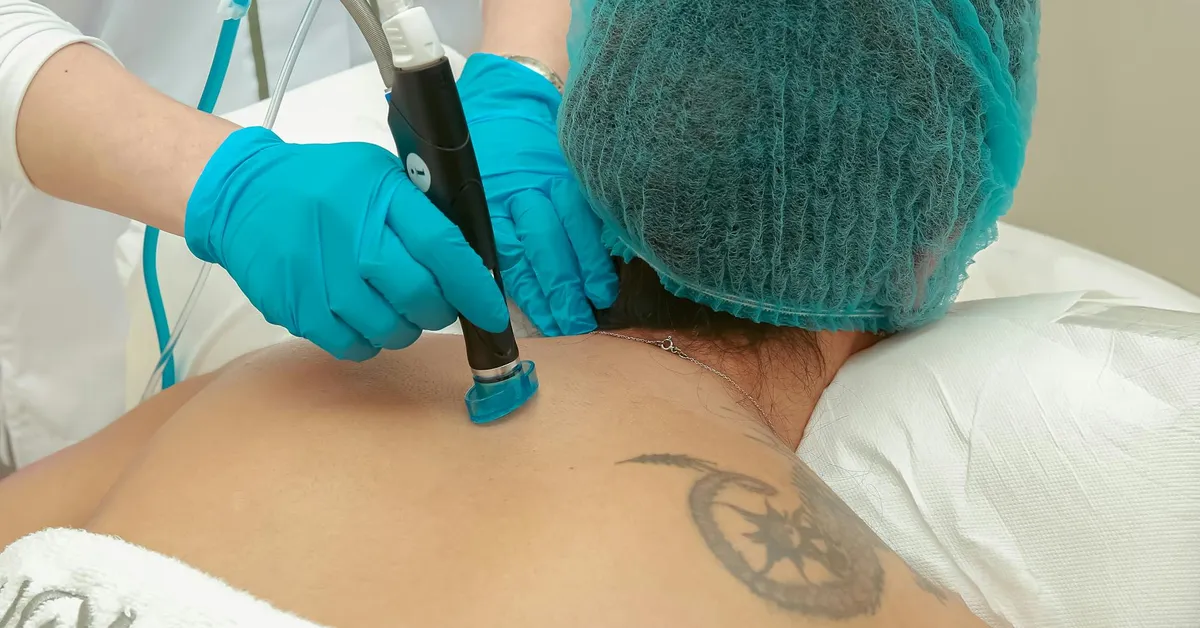
Removing ink from your lips is a uniquely intense experience. The tissue is packed with nerve endings, making pain management the absolute top priority. I always use a strong topical anesthetic for a longer period than on other body parts. Even with that, you will feel a sharp, snapping sensation.
Swelling is immediate and dramatic. Your lips can puff up to double their size for the first 24-48 hours, which is a completely normal inflammatory response. I advise my clients to have a flexible schedule for a few days. Plan on talking and eating being uncomfortable.
Aftercare and Infection Prevention
The mouth is a bacteria-rich environment, so infection risk is higher. Your aftercare protocol must be meticulous.
- Gently clean the area with a mild, fragrance-free soap and pat it dry.
- Apply a thin layer of antibiotic ointment for the first 3-5 days.
- Switch to a fragrance-free moisturizer once the initial weeping stops.
- Avoid spicy, salty, or hot foods that can irritate the fresh skin.
- Do not pick at any scabs or blisters that form.
Scabbing on the lips is delicate and can crack, so keeping the area moist is non-negotiable for clean healing. From my own observations, lip tattoos often require more sessions for full clearance, as the body metabolizes ink from mucous membranes differently. In saline tattoo removal, the healing process relies on careful aftercare to manage scabbing. Maintaining moisture helps the skin recover smoothly and reduces the risk of excessive scabbing.
Genital Tattoo Removal: Ensuring Safety and Minimal Downtime
This is arguably the most sensitive area for tattoo removal, both physically and psychologically. Your comfort and trust in the practitioner are paramount; this is not a procedure for a novice technician. I vet my clients heavily for this service to ensure we have a clear understanding of the process and realistic expectations. To help you understand what comes next, the tattoo removal process is explained step by step. We’ll cover what happens during each session, recovery expectations, and timing.
The pain level is significant, often described as a severe, electric shock. We use medical-grade topical anesthetics and may discuss other pain management options depending on the specific location and size of the tattoo. The skin in this region is thin and vascular, which leads to more pinpoint bleeding and bruising.
Healing and Scar Remodeling
Healing follows a predictable but sensitive pattern.
- Swelling and tenderness are pronounced for the first week.
- Wearing loose, breathable cotton clothing is essential to minimize friction.
- You must avoid sexual activity for at least 7-10 days to prevent tearing and introduce bacteria.
The body works hard to remodel tissue in this area, and you must allow it the time and space to do so without interference. Many clients wonder what laser tattoo removal actually feels like. Most describe a brief sting or warm sensation during treatment, which tends to fade quickly. Scarring is a genuine concern, which is why laser settings are conservative initially. We prioritize skin integrity over speed of ink removal.
Laser Technology for Sensitive Areas: What Works Best
Not all lasers are created equal, especially for these delicate zones. The wrong wavelength can cause burns, hypopigmentation, or scarring. My clinic relies almost exclusively on advanced Q-switched Nd:YAG lasers for extreme locations.
Why Nd:YAG is the Gold Standard
The Nd:YAG laser, particularly the 1064 nm wavelength, is the workhorse for sensitive area removal.
- It penetrates deeper into the dermis without being overly absorbed by melanin in the skin’s surface.
- This deeper penetration is safer for darker skin tones and reduces the risk of surface-level skin damage.
- The ultra-short, high-energy pulse shatters ink particles effectively while minimizing heat transfer to the surrounding tissue.
This targeted approach means we can break up the pigment with less collateral damage, leading to fewer blisters and a more comfortable recovery. While other lasers like Alexandrite can be useful for specific colors, their absorption profiles make them riskier for thin, sensitive skin.
Avoiding Side Effects
The goal is always maximal pigment clearance with minimal side effects. We achieve this by using lower fluence settings and slightly overlapping laser passes to ensure even treatment. I often extend the time between sessions for these areas to a minimum of 12 weeks. This gives your skin ample time to fully heal and your immune system to clear the fragmented ink, reducing the cumulative stress on the tissue.
What to Expect During and After Treatment
Removing ink from these delicate zones is a unique process. You must prepare for a different experience compared to a forearm or back tattoo. Noninvasive tattoo removal techniques aim to minimize tissue disruption while fading pigment. In sensitive areas, clinicians may favor gentler, noninvasive options to preserve skin integrity.
The Treatment Process
Your clinician will use a laser with an extremely short pulse duration.This targets the ink precisely while minimizing heat spread to surrounding tissue.
- Sessions: Expect more sessions than typical removal. Eyelids and lips often require 8-12 treatments, sometimes more. The skin is thin and ink is superficial.
- Pain Management: Topical numbing cream is standard. For eyelids, I use a protective metal eye shield. The sensation is a sharp, quick snap.
- Immediate Aftermath: Swelling is significant. Eyelids can puff shut temporarily. Lips can look dramatically full. Genital areas bruise and swell easily. This is normal.
Healing and Aftercare
Healing is fast but visually intense.The first 48 hours are critical for managing inflammation and preventing infection.
- Downtime: Plan for 2-3 days of social downtime. The swelling needs ice and elevation.
- Cleaning: Gently cleanse with mild, fragrance-free soap and pat dry. Do not scrub.
- Protection: Apply a thin layer of antibiotic ointment as directed. Keep the area clean and dry.
- Avoidance: No makeup on eyelids or lips until fully healed. Avoid tight clothing on genital areas.
Scar remodeling happens over months.Your skin will feel tight and may look slightly textured before it softens and settles. Complete fading is a slow, gradual process.
Choosing a Qualified Specialist for Extreme Location Removal

Not every laser technician is equipped for this advanced work. Choosing the wrong provider for an eyelid tattoo can lead to permanent damage. In a reputable tattoo removal clinic, you should expect medical-grade lasers, sterile materials, and clean, well-maintained treatment beds. Trained technicians ensure safe, precise sessions with proper safety protocols.
Essential Vetting Criteria
You need a clinician, not just a tech.Look for a medical professional who understands facial and intimate anatomy at a deep level.
- Specific Experience: Ask directly: “How many eyelid/lip/genital removals have you performed?” Demand to see a portfolio of before-and-after photos from these exact areas.
- Laser Expertise: They must explain why a specific laser wavelength and spot size is right for your skin tone and location. Picosecond lasers are often preferred for delicate work.
- Safety Protocols: They should detail their safety measures. For eyelids, this means metal ocular shields. For genitals, it involves specific positioning and draping.
Red Flags to Walk Away From
Your safety is non-negotiable.If a clinic hesitates or gives vague answers to your direct questions, leave immediately.
- They cannot show you relevant before-and-after photos.
- They dismiss your concerns about pain or swelling.
- They use a one-laser-fits-all approach without customizing settings.
- The consultation feels rushed and they do not examine the tattoo closely.
I have turned away clients seeking removal in these areas when I felt another specialist’s equipment was better suited.An ethical practitioner will prioritize your outcome over making a sale.
Frequently Asked Questions
Is tattoo removal on eyelids safe?
Yes, when performed by a qualified specialist using proper safety protocols, such as internal metal eye shields and a Q-switched Nd:YAG laser, eyelid tattoo removal can be safe. However, due to the thin, sensitive skin and proximity to the eye, there are heightened risks of swelling, pigmentation changes, or scarring, so it’s crucial to choose an experienced practitioner. In tattoo removal clinics, strict laser safety protocols—eye protection for all involved, controlled access to the treatment area, and properly calibrated equipment—help minimize these risks. If possible, verify the clinic’s safety standards and the staff’s training before proceeding.
What type of laser is used for eyelid tattoo removal?
The Q-switched Nd:YAG laser is typically preferred for eyelid tattoo removal because its longer wavelength targets ink effectively while minimizing damage to surrounding tissue. This laser reduces risks like burns or hypopigmentation, making it safer for delicate areas, but it requires lower energy settings and may need more sessions for full clearance. However, eyelid tattoo removal carries dangers of eyelid tattoo removal specific to the eye area. Proper eye protection and a trained operator are essential to minimize risks such as accidental ocular injury, burns, or scarring.
What should I expect after laser eyebrow tattoo removal?
After laser eyebrow tattoo removal, expect immediate swelling, redness, and possible blistering for the first 24-48 hours, with the area feeling tight and sensitive. To help manage this swelling, apply a cold compress for short intervals and keep the head elevated when resting. Proper aftercare involves gentle cleansing, applying antibiotic ointment, and avoiding makeup or rubbing to prevent infection and support healing, with full results appearing gradually over several weeks.
Closing Words
Removing ink from these delicate zones is a serious undertaking that demands a specialist’s touch. Your safest path forward is to find a removal technician with proven experience working on these specific, high-stakes areas. Trusting this process to a generalist is a gamble with your health and appearance. Some patients also explore inkless alternatives, like saline-based removal or other non-laser options. These methods vary in effectiveness and safety, so discuss them with a qualified clinician.
From my own experience, patience is your most valuable asset here. Do not entertain DIY methods or bargain-hunt for this procedure; the potential for permanent damage is simply too great. With a skilled professional and realistic expectations, you can navigate this journey safely and effectively.
Further Reading & Sources
- Tattoo Removal for Sensitive Areas: What You Need to Know | AllWhite Laser | AW3®
- Does Tattoo Removal Hurt? Does it Hurt? | Removery
Ink Fade Lab is your trusted source for tattoo removal insights, combining expert knowledge with compassionate care to help you make informed decisions about your tattoo journey. Based on years of experience in the tattoo removal industry, we are dedicated to providing accurate, up-to-date information to support your choices.
Risks & Safety