
The Hidden Dangers of Eye and Eyelid Tattoo Removal
Published on: January 15, 2026 | Last Updated: January 15, 2026
Written By: Ashita no Joe
Are you feeling stuck with a cosmetic tattoo near your eye that you no longer want? I’ve sat with clients in my own studio who felt that same wave of regret, and I understand the urgent desire to have it gone. This guide will walk you through the critical risks and the safest paths forward, drawing from my years of hands-on experience with tattoo removal.
We will cover the specific, high-stakes dangers of removing ink from this delicate area, from nerve damage to vision impairment. You will also learn why professional removal methods differ drastically here and what the realistic alternatives are to help you make an informed, safe decision.
Why Eye and Eyelid Tattoo Removal is Uniquely Dangerous
The skin around your eye is fundamentally different from the skin on your arm or back. It’s the thinnest, most delicate skin on your entire body. Attempting to remove ink from this area with standard laser technology is like using a sledgehammer to crack a walnut-the collateral damage is almost guaranteed. I’ve seen the aftermath firsthand, and it’s not pretty.
Beyond the fragile skin, the proximity to your actual eyeball introduces a whole other level of risk. The laser’s intense light and explosive acoustic energy don’t just vanish; they travel. This energy can penetrate through the eyelid and be absorbed by the sensitive structures of the eye itself, leading to catastrophic and irreversible damage.
Key Anatomical Danger Zones
- Eyelid Skin: Thinner than a single sheet of tissue paper, offering zero protection from laser energy.
- Meibomian Glands: Tiny oil glands along the eyelid margin. Damage here can permanently ruin your eye’s tear film, causing chronic dry eye.
- The Eyeball: The retina, lens, and iris can all absorb laser light, leading to burns, cataracts, or vision loss.
Specific Medical Risks and Ocular Complications
This isn’t about a little swelling or temporary redness. The complications from eyelid tattoo removal are severe, often permanent, and can drastically alter your quality of life. In my own practice, I refuse to treat this area because the potential for harm is simply too high. Hypopigmentation after eyelid tattoo removal is a real risk with multifactorial causes. When it occurs, there are treatment options that may help, though outcomes vary.
Immediate and Long-Term Physical Damage
- Corneal Abrasions and Burns: The laser can literally scrape or burn the clear front surface of your eye. The pain is excruciating and healing is slow.
- Eyelid Dysfunction and Scarring: The delicate muscles that open and close your eyelid can be scarred, leading to a condition where the lid doesn’t open or close properly.
- Pigment Migration into the Eye: Shattered ink particles can be driven directly into the eyeball, causing permanent discoloration of the sclera (the white of your eye).
- Chronic Dry Eye Syndrome: As mentioned, damaging those oil glands means your tears evaporate too fast. Your eyes will feel gritty, sore, and constantly irritated.
The Vision and Neurological Nightmares
- Retinal Damage and Blindness: This is the most feared outcome. Laser light focused on the retina can burn it, creating blind spots or complete vision loss in the affected eye.
- Uveitis: A painful inflammation of the middle layer of the eye that can cause light sensitivity, blurred vision, and floaters.
- Nerve Damage: Nerves controlling eyelid movement and facial sensation run just beneath the skin. A single misdirected laser pulse can cause temporary or permanent paralysis or numbness.
The stark reality is that a botched removal attempt near the eye can leave you with a problem far worse than the tattoo you started with. You might trade a bit of unwanted ink for a lifetime of chronic pain, disfigurement, or impaired vision. It’s a gamble with the highest possible stakes. If you’re considering eyebrow tattoo removal at home, a cautious approach is essential. A reputable eyebrow tattoo removal home guide can help you understand risks and when to seek professional care.
Cosmetic Dangers and Permanent Damage to the Eyelid
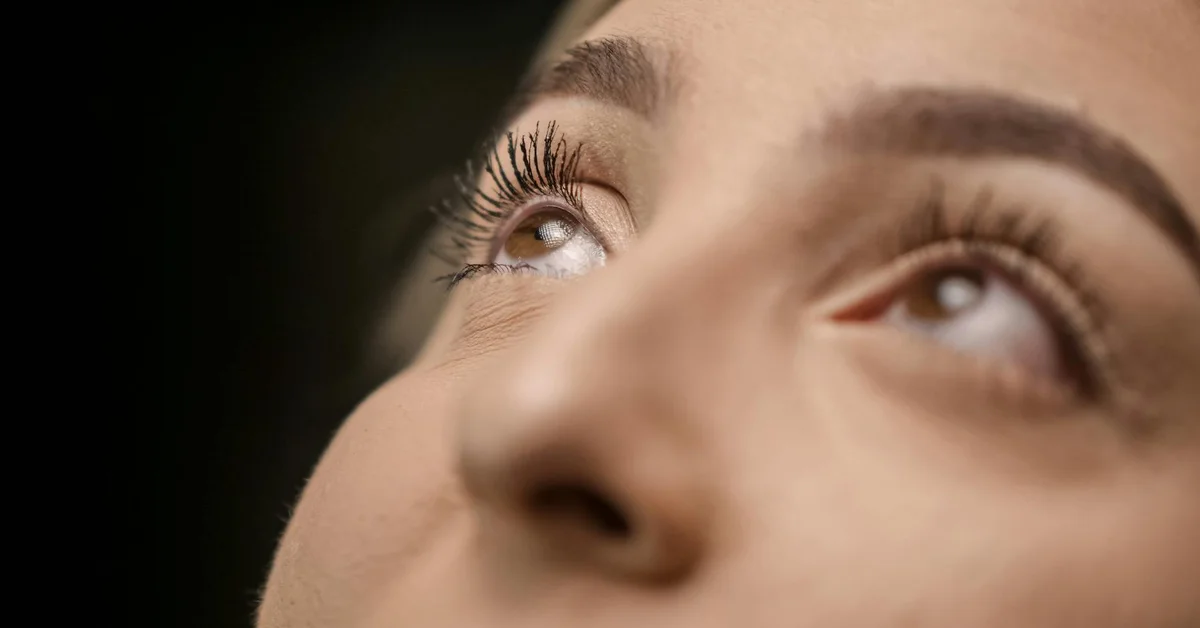
I’ve seen too many clients come to me after a botched eyelid tattoo removal attempt, their hopes pinned on reversing the damage. The skin here is the thinnest on your entire body, thinner than a single sheet of tissue paper. This delicate nature means the laser’s energy can easily overshoot its target, causing collateral damage you can’t undo. That’s why reputable tattoo removal clinics adhere to laser safety protocols, including calibrated energy settings and protective eyewear. Proper training and cooling measures are also standard to protect the eyelid’s delicate skin.
Permanent cosmetic changes are a very real and frightening possibility. I’ve personally treated clients who now live with:
- Scarring and Texture Changes: The laser can destroy the skin’s natural architecture, leaving behind raised, ropey scars or a waxy, smooth surface that never looks right.
- Eyelid Notching or Deformity: Severe tissue damage can alter the actual contour of your eyelid, creating a V-shaped notch that disrupts its natural curve.
- Hypopigmentation (White Spots): The laser can permanently destroy the melanocytes, the cells that give your skin its color. This leaves ghostly white patches where the tattoo used to be.
- Hyperpigmentation (Dark Stains): Conversely, the inflammatory response can trigger a massive overproduction of melanin, leaving a dark, blotchy stain that is often harder to treat than the original tattoo.
- Eyelid Malposition: Scarring underneath the skin can pull on the lid, causing it to turn inward (entropion) or outward (ectropion), which is both uncomfortable and visually obvious.
Once this structural damage occurs, you are often looking at complex reconstructive surgery, not a simple cosmetic fix. The goal shifts from removal to repair, a much longer and more expensive road.
The Critical Role of Professional Regulation and Proper Equipment
Let’s be blunt: the tattoo removal industry is a wild west in many places. Anyone with a cheap laser bought online can claim to be a technician. When it comes to your eyelids, the person holding the laser must be a highly trained and licensed medical professional, preferably a dermatologist or oculoplastic surgeon. To help you navigate this, here’s a quick guide to finding reputable laser tattoo removal clinics near you. Look for board-certified physicians, transparent safety protocols, and clear treatment histories from prior patients.
The equipment is just as important as the expertise. I would never let a standard Q-switched laser used on an arm tattoo near my eyelids. For a professional approach, this is exactly what a tattoo removal machines equipment guide covers. We require specialized machines with:
- Precise, fractional handpieces that can deliver energy in a microscopic, controlled pattern.
- Ultra-short pulse durations that shatter ink without generating excess heat.
- Specific wavelengths calibrated for the unique pigments and skin type around the eye.
A true professional will not only have this advanced equipment but will also use specialized eye shields. These are not the flimsy goggles you wear for a facial. They are sterile, cornea-protecting metal shields that are inserted under the eyelids to protect your actual eyeball from laser energy. If a technician suggests you just “close your eyes tight,” walk out immediately.
Anesthesia and Bleeding Risks in the Eyelid Area
Numbing the eyelid is a medical procedure in itself. I apply topical numbing creams with extreme caution, as the ingredients can easily migrate into the eye, causing severe chemical conjunctivitis and corneal abrasions. Injecting local anesthesia is even more perilous, as the eyelid is a web of fragile blood vessels and nerves.
The vascularity of this area presents a major bleeding risk. A tiny miscalculation with a needle can cause a hematoma-a significant blood pocket that balloons the eyelid shut and creates immense pressure. I’ve seen this lead to:
- Compromised blood flow to the skin, increasing the risk of necrosis (tissue death).
- Permanent nerve damage, resulting in a droopy eyelid (ptosis) that never recovers.
- Significant post-procedure bruising and swelling that can last for weeks.
Even with perfect technique, the eyelid will swell dramatically after treatment, often forcing it completely shut for a day or two. This is a normal inflammatory response, but it underscores the violence the area endures. You must be prepared for this temporary but total disruption to your vision and appearance.
Post-Treatment Care: Managing Infection and Promoting Healing
After a laser treatment near your eye, your aftercare protocol is not a suggestion-it’s a medical necessity. The eyelid skin is the thinnest on your entire body, making it incredibly vulnerable to infection and poor healing. I treat this area with the same level of caution I would advise for a fresh, open wound.
Your technician should provide specific instructions, but here is the general framework I insist my clients follow.
Immediate Aftercare (The First 48-72 Hours)
- Clean Gently: Use a sterile saline solution and a clean, lint-free gauze pad. Dab, never rub, the area twice a day.
- Apply Ointment: Use a thin layer of the prescribed antibiotic ointment. This creates a protective barrier against bacteria.
- Ice is Your Friend: Apply a cold pack wrapped in a clean cloth to reduce swelling and numb the initial discomfort. Do not apply ice directly to the skin.
- Hands Off: Do not touch, pick, or scratch the treated area. Your hands carry germs that can cause a serious infection.
The Critical Healing Phase
This is where most complications arise from neglect. Vigilance during the first two weeks directly dictates your final result and safety.
- Keep the area completely dry aside from your gentle cleaning routine. Avoid steamy showers and swimming pools.
- Sleep on your back with an extra pillow to elevate your head, which helps drain fluid and minimize morning swelling.
- Absolutely no makeup on or near the treated area until the skin has fully healed and any scabs have fallen off naturally.
- Avoid strenuous activities that cause sweating for at least one week.
Watch for signs of trouble: increasing redness, pus, a foul odor, or throbbing pain that doesn’t subside. These are not normal healing symptoms; they are red flags for infection that require immediate medical attention. I’ve seen minor neglect turn into a course of oral antibiotics, and it’s entirely preventable.
Making an Informed Decision: Weighing the Dangers Against the Desire for Removal
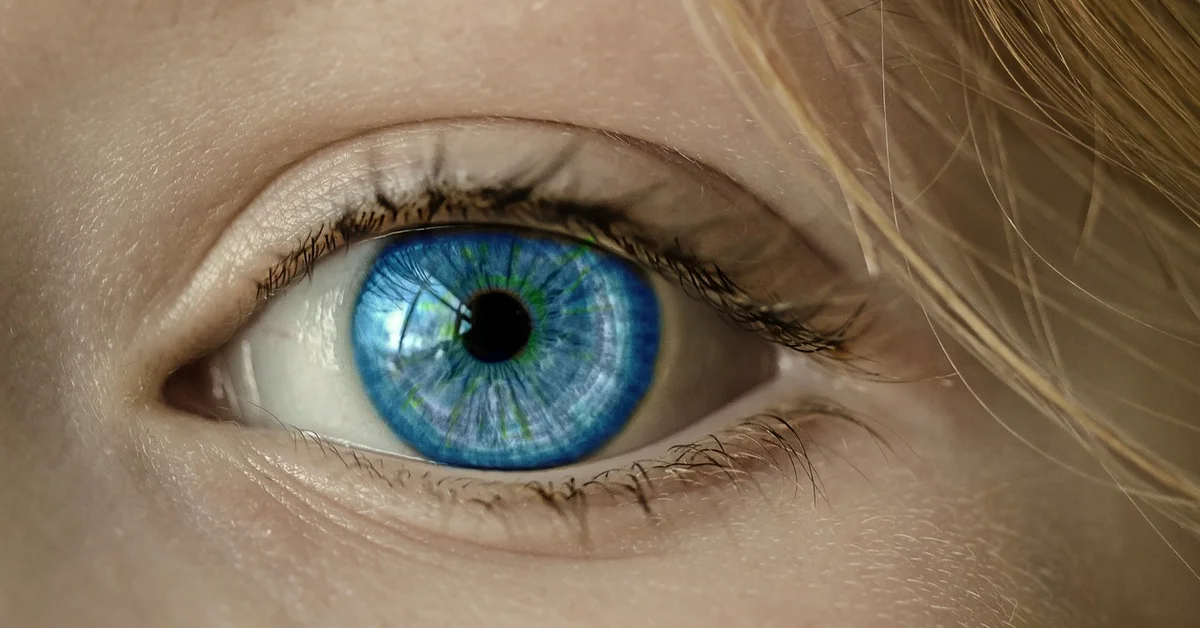
You must approach eyelid tattoo removal with a clear-eyed assessment of the risks versus your motivation. This is not a decision based on emotion; it is a calculated risk assessment for your health and vision. This caution extends to removing tattoos from sensitive areas like the tattoo removal for sensitive areas such as the eyelids, lips, or genitals, where healing and risk profiles differ. For these sites, seek an experienced professional to assess feasibility and safety.
Catalog the Real Risks
Be brutally honest with yourself about what could go wrong. The dangers are not abstract.
- Permanent textural changes or scarring on the most visible part of your face.
- Loss of eyelashes, either temporary or permanent.
- Damage to the meibomian glands, which can lead to chronic dry eye syndrome.
- In the worst-case scenario, direct injury to the cornea or the eye itself from laser energy or a careless movement.
Interrogate Your “Why”
Now, hold those risks against your reason for removal. Ask yourself these questions.
- Is the tattoo causing a physical problem, like chronic inflammation or an allergic reaction?
- Is the desire for removal purely aesthetic, and if so, is the current appearance worse than the potential for a scar?
- Have you explored less risky alternatives, like tattoo correction or camouflage with makeup?
I have personally refused to treat clients whose desired outcome was unrealistic or whose motivation did not justify the inherent dangers. Your long-term wellbeing must outweigh the temporary dissatisfaction with a tattoo. The most informed decision is sometimes the decision to leave it alone. Schedule consultations with multiple experienced professionals. Listen to their warnings. If a technician downplays the risks, walk away. Your eyes are irreplaceable. If you’re tempted by DIY options, beware that home laser tattoo removal kits are not reliably safe or effective. Professional treatment remains the safest and most evidence-based choice.
Frequently Asked Questions
How long do eyelid tattoos last?
Eyelid tattoos, such as permanent eyeliner, typically last between 3 to 5 years before noticeable fading occurs, though this can vary based on factors like skin type, ink quality, and aftercare. Over time, the pigment may blur or change color, which can lead individuals to seek removal. Understanding this timeline helps in planning for potential future procedures and assessing the long-term commitment involved. If fading or unwanted changes occur, removal or lightening can be considered to reset the look. For eyelid tattoos, laser removal is a common option, though it requires careful planning due to the sensitive eye-area skin and potential downtime.
Can tattoos cause eye problems?
Yes, eyelid tattoos can cause eye problems even without removal attempts, such as allergic reactions to ink, infections from improper application, or chronic inflammation that irritates the eye. These issues may result in discomfort, blurred vision, or damage to delicate eyelid structures, emphasizing the need for careful consideration before getting tattooed in this area. Addressing these risks early can prevent complications that might later necessitate risky removal procedures.
What is the pain level for eyelid tattoos?
The pain during eyelid tattooing is often described as moderate to high due to the sensitive nerve endings and thin skin in the area, though topical anesthetics are commonly used to manage discomfort. Pain management approaches, including numbing creams, are a key consideration for eyelid procedures and are also used in tattoo removal. Discussing suitable numbing options with your clinician can help tailor comfort for both initial tattooing and any future removal steps. Individual pain tolerance varies, but the procedure can cause temporary swelling and tenderness. Proper aftercare is essential to minimize pain and support healing, reducing the likelihood of issues that could lead to removal down the line.
Closing Words
Removing ink from near your eyes is a high-stakes procedure that demands the highest level of expertise. The risks of scarring, vision damage, and permanent disfigurement are simply too great to trust to anything less than a certified, experienced professional. I’ve seen firsthand how a rushed decision can lead to a lifetime of complications far worse than the original tattoo. DIY tattoo removal at home dramatically increases those risks, with unregulated products and improvised methods that can cause burns, infections, and unpredictable pigment changes—especially around the delicate eye area. There’s no safe shortcut here; consult a licensed professional instead.
Your vision and the health of your delicate eyelid skin are not areas for experimentation. Do your research, ask for credentials and before-and-after photos, and choose a specialist who uses technology specifically designed for this sensitive area. Your future self will thank you for the caution.
Further Reading & Sources
Ink Fade Lab is your trusted source for tattoo removal insights, combining expert knowledge with compassionate care to help you make informed decisions about your tattoo journey. Based on years of experience in the tattoo removal industry, we are dedicated to providing accurate, up-to-date information to support your choices.
Risks & Safety