Pico vs. Q-Switched: Which Laser is Best for Your Tattoo Removal?
Published on: December 5, 2025 | Last Updated: December 5, 2025
Written By: Ashita no Joe
Did you get a tattoo you now regret? You’re not alone. I’ve been in your shoes, both as a tattoo artist who has made mistakes and as a person who has sat through the removal process myself. The sheer number of laser options can feel overwhelming, but you don’t have to navigate this maze of information by yourself.
This guide cuts through the marketing hype to give you a clear, professional breakdown. We will cover the critical differences between Pico and Q-Switched lasers, analyze which ink colors and skin types they work best on, and give you the practical knowledge you need to have an informed conversation with your technician.
The Core Science: How Lasers Erase Ink
Think of a tattoo laser as a microscopic bullseye hunter. It doesn’t “burn” your tattoo off. The laser targets only the ink particles, leaving your surrounding skin cells virtually untouched. I’ve watched this process through a microscope, and it’s incredible.
The laser emits a specific wavelength of light that passes harmlessly through your skin. This light energy is absorbed by the tattoo pigment, which acts like a tiny magnet for that particular color. The rapid absorption creates an intense shockwave. That’s the core of the tattoo removal process explained: the laser wavelength targets the pigment and helps break it into smaller particles your body can gradually clear.
The Two Forces That Shatter Ink
This shockwave works in two powerful ways to break the ink down.
- Photothermal Effect: The ink particles heat up incredibly fast, causing them to expand and fracture. It’s like dropping a hot glass into cold water.
- Photoacoustic Effect: This is the real game-changer. The energy creates a powerful sound wave that literally shatters the pigment into dust. You can sometimes hear a faint “snap” or “pop” during treatment.
Your body’s immune system then recognizes these tiny fragments as foreign invaders. Your white blood cells gradually carry this ink dust away through your lymphatic system over the following weeks. This is why treatments are spaced 6-8 weeks apart-it gives your body time to do its cleanup work.
Meet the Contenders: Pico vs. Q-Switched Lasers
I’ve operated both types of lasers for years on my own skin and my clients’. This isn’t just theory for me; it’s a hands-on daily reality. Choosing the right tool is everything.
Both are excellent technologies, but they achieve results in fundamentally different ways.
The Veteran: Q-Switched Lasers
Q-switched lasers were the gold standard for decades. “Q-switching” refers to how the laser stores and releases energy in a single, massive burst.
- They operate in nanoseconds (billionths of a second).
- They primarily use the photothermal effect to heat and explode ink particles.
- They are workhorses, exceptionally effective on a wide range of tattoo colors, especially professional black ink.
In my experience, a good Q-switched laser remains a fantastic and reliable choice for many tattoo removals, especially older, simpler designs. I’ve removed countless traditional tattoos with them. In a professional tattoo removal clinic, the laser sits on an ergonomic treatment bed with cooling and safety gear close at hand. Equipment and materials are regularly maintained by trained technicians to ensure safe, effective sessions.
The Newcomer: Pico-second Lasers
Pico-second lasers are the newer technology that pushed the boundaries of speed. The name comes from their pulse duration, which is measured in picoseconds (trillionths of a second).
- They are significantly faster than Q-switched lasers.
- This speed allows them to leverage the photoacoustic effect more effectively, shattering ink with sound waves rather than just heat.
- They often require fewer treatments for complete removal.
The ultra-short pulse of a pico laser is exceptionally good at tackling stubborn colors like blues, greens, and purples that older lasers struggled with. It also transfers less heat to the skin, which can mean a lower risk of side effects.
Head-to-Head Comparison
| Feature | Q-Switched Laser | Pico-second Laser |
|---|---|---|
| Pulse Speed | Nanoseconds (slower) | Picoseconds (faster) |
| Primary Mechanism | Photothermal (Heat) | Photoacoustic (Sound) |
| Best For | Black ink, traditional tattoos | Stubborn colors, faster results |
| Skin Impact | Higher thermal transfer | Lower thermal transfer |
The most critical factor isn’t the machine’s brand, but the expertise of the person operating it. A seasoned technician with a Q-switched laser can often achieve better results than an novice with a Pico laser. The laser is just the tool; the artist is the one who wields it.
Choosing Your Weapon: Laser Wavelengths and Ink Colors
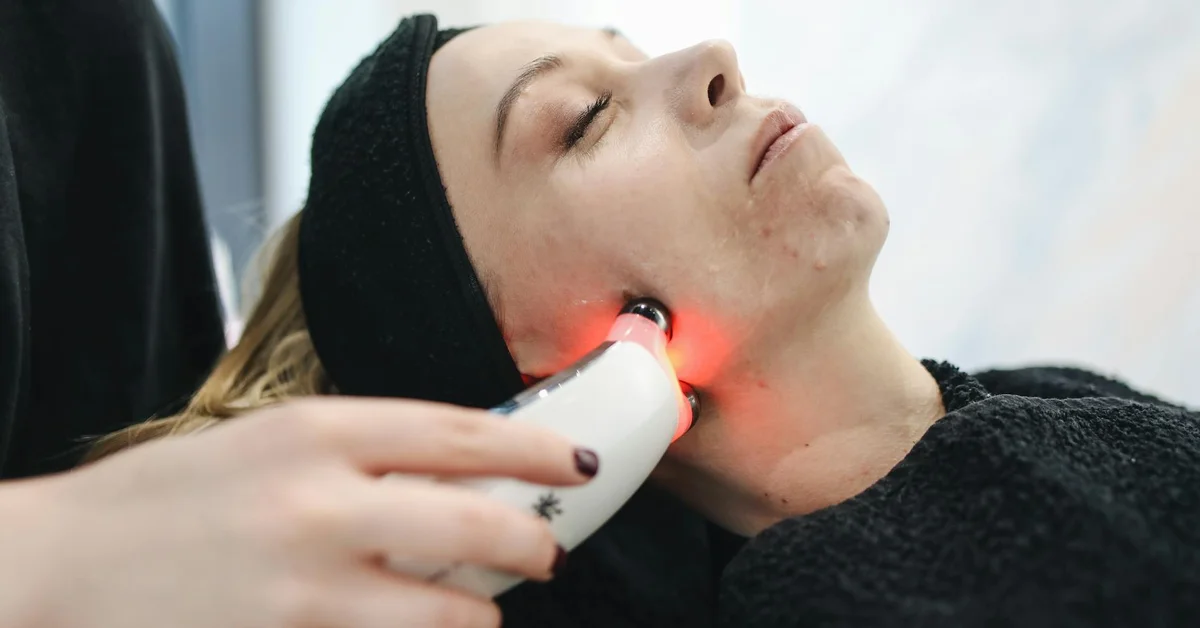
Think of tattoo ink like a collection of different colored balloons. A red laser pops the red balloons best. A green laser is perfect for green ones. Each laser wavelength is designed to target a specific color of ink pigment with maximum efficiency. I’ve seen too many clients come in after a bad removal session where the wrong laser was used, leaving faded colors and frustrated skin. That’s why understanding the materials and chemistry behind tattoo inks is crucial for effective laser removal.
Best Laser for Black Ink Tattoos
Black ink is the easiest target for removal. It absorbs all light wavelengths, making it the most responsive. The 1064 nm Nd:YAG laser is the undisputed champion for erasing black and dark blue tattoos. This wavelength penetrates deep into the skin to shatter the dark pigment without causing excessive damage to the surrounding tissue. In my own practice, I rely on this laser for 90% of the work because most tattoos contain some black outlining. This approach sits within the broader category of noninvasive tattoo removal techniques, where energy-based methods—primarily lasers—aim to fade or remove pigment without incisions.
Tackling Stubborn Blues, Greens, and Reds
This is where the real challenge begins. Vibrant colors require a more specialized approach.
- Blues and Greens: These stubborn colors respond best to the 755 nm Alexandrite laser. It’s like a sniper rifle for these specific pigments. I’ve had clients with old green tattoos that other clinics struggled with, but the Alexandrite wavelength cleared them effectively over a series of sessions.
- Reds, Oranges, and Yellows: For these warmer tones, you need the 532 nm wavelength. This laser is highly absorbed by red pigment, making it incredibly effective. You must be cautious, as this wavelength is also absorbed by melanin in your skin, increasing the risk of temporary hypopigmentation (lightening).
- Turquoise and Light Blues: These can be the most difficult. Sometimes a combination of the 755 nm Alexandrite and the 1064 nm Nd:YAG is needed to fully break them down.
| Ink Color | Best Laser Wavelength | Laser Type |
|---|---|---|
| Black, Dark Blue | 1064 nm | Q-Switched Nd:YAG, Picosecond |
| Blue, Green | 755 nm | Alexandrite |
| Red, Orange, Yellow | 532 nm | Frequency-Doubled Nd:YAG |
Your Skin Type is a Critical Factor
Your skin tone isn’t just about appearance; it’s a major player in your removal outcome. Lasers can’t always tell the difference between the pigment in your tattoo and the melanin in your skin. This is the single most important factor many people overlook. The role your skin tone plays in fading helps explain why some inks lighten differently than others. Colors can fade at different rates on different skin tones.
On my own fair skin, I can use higher energy settings with less risk. For clients with darker skin tones (Fitzpatrick IV-VI), we must proceed with extreme care. The melanin in their skin competes with the ink for the laser’s energy, significantly raising the risk of burns, blisters, and permanent skin lightening or darkening. The 1064 nm Nd:YAG laser is the safest choice for darker skin because it bypasses much of the melanin in the upper layers. I always perform a small test spot first on darker skin to see how it reacts.
Key Laser Parameters Beyond the Brand Name
Don’t get blinded by the marketing for “Pico” or “Q-Switched.” The machine’s brand is less important than how the technician uses it. A master artist can create a masterpiece with a mediocre tool, but a novice will make a mess with the best equipment. Here’s what truly matters:
- Fluence: This is the energy level, measured in Joules per square centimeter (J/cm²). Too low, and the ink won’t break up. Too high, and you risk scarring. It’s a delicate balance that requires constant adjustment.
- Spot Size: This is the diameter of the laser beam. A larger spot size allows the energy to penetrate deeper into the skin, which is more effective for breaking up ink. It’s like using a wider shovel to dig a deeper hole.
- Pulse Duration (the Pico vs. Nano-second debate): This is the speed of the laser pulse. Picosecond lasers deliver energy in trillionths of a second, while Q-switched (nanosecond) lasers work in billionths. Faster pulses can shatter ink particles more efficiently, potentially leading to fewer treatments. In my experience, picosecond lasers are superior for stubborn, multi-colored tattoos, but a skilled technician with a high-quality Q-switched laser can still achieve fantastic results.
The Real-World Removal Process: What to Expect
Walking into a laser removal session feels different than getting a tattoo. The buzz is higher-pitched, the sensation is sharper. I’ve been on both sides of the laser, and the process is methodical. Your practitioner will first test a small patch of the tattoo to gauge your skin’s reaction. This is standard practice, not a sign of inexperience. If you’re curious about what laser tattoo removal actually feels like, it’s quite different from the initial tattooing experience.
Managing Side Effects and Downtime
Immediately after treatment, the area will look and feel like a bad sunburn. This is normal. The real work begins with your aftercare, which directly impacts your results and healing time.
- Frosting: The skin will turn a chalky white for several minutes post-treatment. This is a positive sign that the laser energy was effectively absorbed by the ink particles.
- Swelling and Redness: Expect this for 24-72 hours. I apply a cold pack in 15-minute intervals to manage it. Over-the-counter anti-inflammatories can help, but always check with your provider first.
- Blisters and Crusting: These can appear within hours or a day. Do not pop or pick at blisters. They are a natural part of the healing process, protecting the new skin forming underneath. Let them dry out and flake off naturally.
- Itching: As the skin heals, intense itching is common. I recommend a thin layer of a simple, fragrance-free moisturizer or a product like Aquaphor to soothe the area. Scratching can lead to scarring.
Your aftercare routine is non-negotiable. Keep the area clean with mild soap and water, apply the recommended ointment, and protect it from the sun with a high-SPF, zinc-based sunscreen. Neglecting sun protection can cause hyperpigmentation, setting your progress back months. I’ve seen it happen, and it’s a frustrating, avoidable setback.
Finding a Skilled Practitioner Near You
The laser is just a tool; the artist wielding it is everything. A cheap price from an inexperienced operator can lead to burns, scars, and wasted money. I’ve fixed these mistakes. Your search should prioritize proven expertise over bargain hunting.
Start by looking for board-certified dermatologists or practitioners who specialize exclusively in laser procedures. Don’t be shy about asking direct questions. In this guide to finding reputable laser tattoo removal clinics near you, we’ll cover what credentials to verify and what questions to ask. This will help you choose a safe, effective clinic.
- Ask for a Portfolio: A reputable technician will have a gallery of before-and-after photos from their actual clients, not just stock images. Look for results on skin tones similar to yours.
- Inquire About Their Laser: Ask what specific laser platforms they use and why they chose them. A knowledgeable provider can explain the pros and cons of their Pico versus their Q-switched laser for your specific tattoo.
- Assess the Consultation: They should conduct a thorough consultation, examining your tattoo, discussing your skin type, and setting realistic expectations. If they promise complete removal in two sessions, walk away. That’s a red flag for inexperience.
- Check the Environment: The clinic should be clean, professional, and equipped with emergency protocols. Your safety is paramount.
Your skin is your largest organ. Trusting its care to a true professional is the single most important factor in your tattoo removal journey. This is a journey toward a complete tattoo removal—one that ends with skin you’re proud to show. I’ve worked with brilliant dermatologists who achieve miracles, and it all starts with a meticulous, informed selection process.
Frequently Asked Questions
How do I find the best tattoo laser removal near me?
To locate the best tattoo removal services in your area, prioritize clinics with board-certified dermatologists or specialized practitioners who have extensive experience and positive patient reviews. Check their before-and-after portfolios to assess results on skin tones similar to yours, and ensure they use advanced laser technology tailored to your specific needs, as expertise often outweighs proximity.
What is the best tattoo laser removal machine?
The best tattoo removal machine isn’t defined by a single brand but by the technology and how it’s applied; picosecond and Q-switched lasers from reputable manufacturers are highly effective. Key factors include the machine’s ability to adjust wavelengths for different ink colors and pulse durations, but a skilled operator is crucial for safe and efficient results, so focus on clinics with proven expertise.
Where is the best tattoo laser removal in the world?
The best tattoo removal isn’t limited to one location but is found in cities with top-tier clinics, such as London, Melbourne, or NYC, where practitioners use advanced lasers and follow strict safety protocols. Ultimately, success depends on the technician’s skill and experience, so research globally recognized providers with strong track records rather than focusing solely on geography.
Final Thoughts
Choosing the right laser is less about a single “best” machine and more about finding the perfect tool for your specific tattoo. Think of it like an artist selecting a brush; the right one makes all the difference for the final result. Your skin tone, the tattoo’s ink colors, and its age will ultimately guide the most effective choice. To go deeper, consult a professional tattoo removal machines equipment guide to compare laser wavelengths, pulse durations, and maintenance requirements. It helps you understand how these specs affect color removal, treatment time, and safety.
My final advice, forged from years in the treatment room, is to prioritize the expertise of the practitioner over the brand name of the laser. A skilled professional with deep knowledge of laser physics and skin types will deliver a safer, more effective removal journey than any machine operating on its own. Trust their assessment, be patient with the process, and you’ll be on the path to clear skin.
Further Reading & Sources
- r/TattooRemoval on Reddit: Q Switch VS Pico
- Pico Laser vs. Q-Switched YAG: A comprehensive comparison of the benefits
Ink Fade Lab is your trusted source for tattoo removal insights, combining expert knowledge with compassionate care to help you make informed decisions about your tattoo journey. Based on years of experience in the tattoo removal industry, we are dedicated to providing accurate, up-to-date information to support your choices.
Laser Tattoo Removal