
The Ultimate Tattoo Aftercare Ointment Guide
Published on: November 4, 2025 | Last Updated: November 4, 2025
Written By: Ashita no Joe
Is your fresh tattoo feeling tight and sensitive, leaving you wondering which ointment will actually help it heal without causing more problems? I’ve been in your shoes, both as an artist and a client, and I know that choosing the right aftercare product is the single most important step you’ll take for your new ink.
This guide cuts through the confusion to give you a clear, practical roadmap for using healing ointments correctly. We’ll cover the crucial differences between protectants like Aquaphor and antibiotic creams, walk you through the exact healing stages where each product is needed, and arm you with the knowledge to avoid common pitfalls that can ruin a tattoo’s appearance.
Why Proper Aftercare Ointments Are Essential for Tattoo Removal
Laser tattoo removal works by creating a controlled injury, shattering ink particles for your body to remove. Your aftercare routine directly dictates how quickly you heal and how well your skin recovers its texture. I’ve seen clients who neglect this phase develop persistent scabbing and minor infections that prolong the entire process by weeks.


- ✓
- ✓
- ✓

An ointment acts as a protective barrier. It seals the freshly treated skin from bacteria and environmental irritants. This barrier prevents contamination and locks in vital moisture. Without this shield, the microscopic wounds are vulnerable, slowing healing and increasing discomfort. Think of it as creating a clean, moist environment where your skin can focus on repair, not defense.
Understanding Aquaphor for Tattoo Removal Aftercare
Aquaphor is a staple in my studio and my personal kit. It’s not a fancy, specialized formula, and that’s its greatest strength. Aquaphor creates an ideal semi-occlusive barrier that lets the skin breathe while preventing moisture loss. Its simplicity is its power, primarily containing petroleum jelly and lanolin to soothe and protect.

From my experience, it’s exceptionally gentle on the sensitive, inflamed skin that follows a laser session. I’ve used it on my own removal sites with great results, noting less itching and tighter, smoother healing compared to going without. It’s a workhorse product that performs one job perfectly: protecting damaged skin.
How to Apply Aquaphor Correctly
More is not better. This is the most common mistake I correct.
- First, always wash your hands thoroughly with antibacterial soap.
- Gently cleanse the treated area with a mild, fragrance-free soap and pat it completely dry with a clean paper towel.
- Scoop a tiny amount of Aquaphor, about the size of a pea, onto your fingertip.
- Warm it between your fingers and apply the thinnest possible layer over the entire treatment area. The goal is a slight sheen, not a thick, greasy coat.
- Reapply this thin layer 2-3 times daily, or whenever the skin feels tight or dry, for the first 3-5 days.
Benefits and Limitations of Aquaphor
Aquaphor offers distinct advantages, but it’s not a universal solution.
- Superior Protection: Its barrier is highly effective at blocking out bacteria and preventing scab formation.
- Soothing and Gentle: It calms the immediate burning sensation and reduces inflammation.
- Widely Available and Affordable: You can find it at any drugstore, making aftercare accessible.
However, know its limits.
- Not an Antibiotic: It does not fight active infection. If you see signs of infection, you need a medicated ointment prescribed by your doctor.
- Can Be Too Occlusive: Applying too much can trap heat and block pores, potentially leading to milia (small white bumps) for some skin types.
- Allergy Potential: The lanolin can cause reactions in those with wool allergies. Always test a small patch of skin first if you have sensitive skin.
Using Antibiotic Ointments in Tattoo Removal Aftercare
When to Choose Antibiotic Ointments
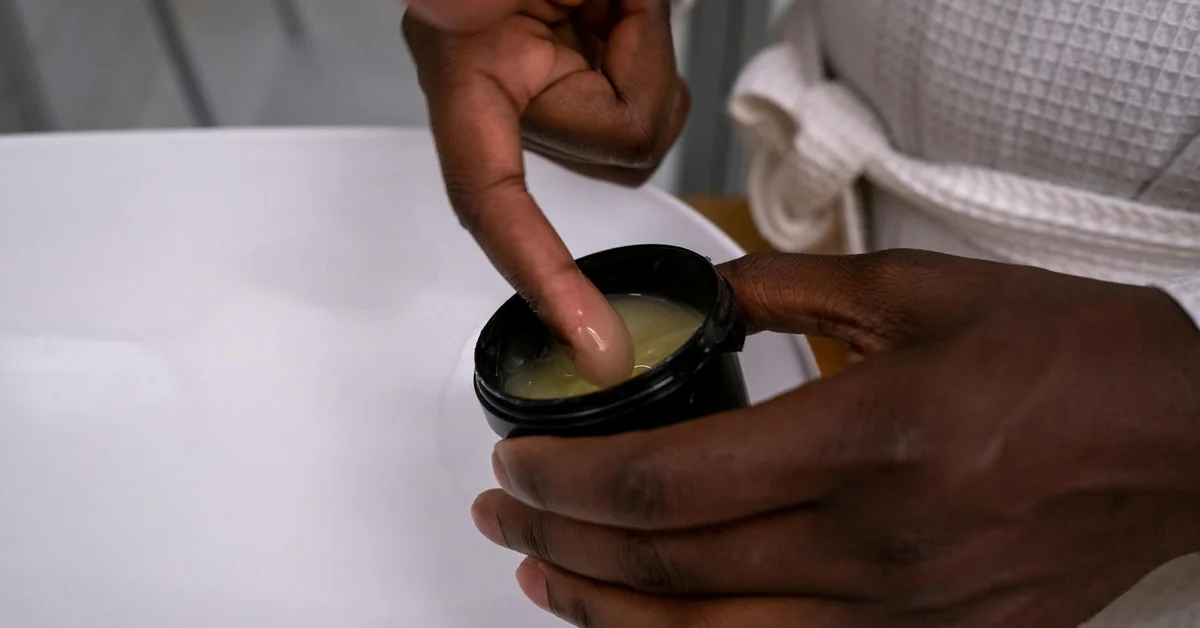
Antibiotic ointments are not your default choice. You only reach for them when you see clear signs of a bacterial infection setting in. I reserve antibiotic ointments like Bacitracin or Mupirocin for when a client’s skin shows persistent redness, warmth to the touch, yellow pus, or escalating pain beyond the normal healing discomfort. A fresh removal wound is an open door for bacteria, and sometimes your body needs a little pharmaceutical help to fight back. In my own practice, I’ve only recommended them a handful of times when a client’s aftercare was compromised and an infection was undeniable.

Risks of Overusing Antibiotic Ointments
Slathering antibiotic cream on a perfectly normal healing wound is a bad habit. You risk creating antibiotic-resistant bacteria on your skin, a problem far worse than a minor irritation. Overuse can also lead to contact dermatitis, causing a new rash of itching, redness, and swelling exactly where you’re trying to heal. These ointments can trap too much moisture, potentially macerating the delicate new skin and slowing your overall recovery time. I’ve treated clients who thought more was better and ended up with a secondary skin reaction they had to manage on top of their normal healing.
Step-by-Step Guide to Applying Aftercare Ointments
Daily Aftercare Routine
Consistency is your greatest tool for a smooth recovery. Follow this routine religiously for the first few days post-treatment.
- Wash your hands thoroughly with unscented soap before touching the area.
- Gently cleanse the treated skin with lukewarm water and a mild, fragrance-free cleanser.
- Pat the area completely dry with a clean paper towel. Do not rub.
- Squeeze a tiny amount of your chosen ointment, no larger than a pea, onto a clean fingertip.
- Apply the thinnest possible layer over the entire treated surface. The goal is a slight sheen, not a thick, glossy paste that smothers the skin.
- Allow the area to breathe uncovered for a few minutes before dressing if needed.
- Repeat this cleansing and application process 2-3 times daily.
Comparing Aquaphor and Antibiotic Ointments
Key Differences in Healing Support
Choosing the right product depends entirely on what your skin needs at that moment.
- Aquaphor acts as a protective barrier. It locks in your skin’s natural moisture and shields the fresh wound from external irritants. It supports the body’s innate healing process without active medication.
- Antibiotic ointments are medicated interventions. They contain active ingredients designed to kill specific bacteria. They do not moisturize; their sole job is to combat an active infection.
- Aquaphor is for proactive, preventative care on intact but compromised skin. Antibiotics are a reactive treatment for a confirmed bacterial problem.
- Using Aquaphor incorrectly can lead to clogged pores. Using antibiotics incorrectly can lead to resistant bacteria and allergic reactions.
My general rule is to start with a simple protectant like Aquaphor and only escalate to an antibiotic if your clinician confirms it’s medically necessary. Your skin knows how to heal itself most of the time; you just need to give it a safe environment to do so.
Managing Side Effects and Complications
Preventing Scarring and Irritation
Scarring is the enemy of clean tattoo removal. I’ve seen it happen when aftercare is rushed. Your skin is in a fragile, wounded state after a laser session. Treating it with aggressive scrubbing or the wrong products guarantees a textured, permanent reminder where your tattoo used to be. The goal is smooth, healthy skin, not a replacement scar. If you’re pursuing tattoo removal in Connecticut, choosing a reputable clinic that prioritizes aftercare can make all the difference.
Irritation often starts small and escalates. You must be vigilant.
- Recognize Normal Healing: Redness, slight swelling, and pinpoint bleeding are standard for the first 24-48 hours. A sensation similar to a bad sunburn is also common.
- Identify Warning Signs: Watch for increasing pain, yellow or green pus, red streaks radiating from the area, or a fever. These signal an infection, not simple irritation.
- Avoid Friction: Wear loose, soft clothing over the treated area. Tight waistbands or rough fabrics will chafe the sensitive skin and delay healing.
From my own experience removing a tattoo on my ankle, the most critical step is keeping the area immaculately clean. Gently wash with a fragrance-free, antibacterial soap and pat dry with a clean paper towel. Never use a communal bath towel, as it can introduce bacteria to the open skin. This simple act is your first line of defense against complications. For those considering saline tattoo removal at home, proceed with caution and seek reliable information from medical sources before attempting any method. Safety should always come first.
Additional Best Practices for Tattoo Removal Aftercare
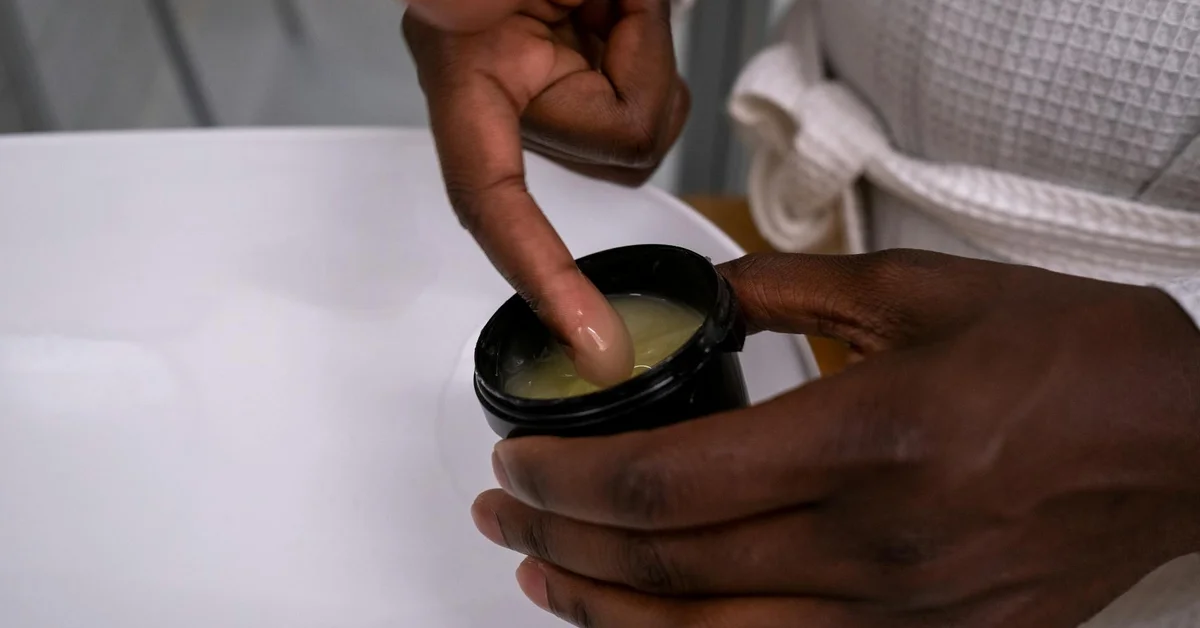
Beyond the ointment, your daily habits dictate your healing success. I counsel all my clients to adopt these practices until their skin is fully renewed.
- Hydrate Relentlessly: Drink more water than you think you need. Hydrated skin heals faster and flushes ink fragments more efficiently. Your entire body is working to eliminate the pigment.
- Become a Sun Avoider: Freshly lasered skin is hyper-vulnerable to UV damage. Direct sun exposure dramatically increases scarring and hyperpigmentation risks. Keep it covered with clothing or a strong, mineral-based sunscreen once healed.
- Resist the Itch: As the area heals, it will itch intensely. This is a sign of regeneration, but scratching will tear the fragile new skin. Instead, tap or gently slap the area around the itch. A cold compress can also provide relief.
- Elevate When Possible: If you’ve had a limb treated, try to keep it elevated above your heart, especially in the first two days. This reduces swelling and throbbing, making the process much more comfortable.
Your lifestyle choices play a massive role. Smoking constricts blood vessels, severely slowing the healing process and your body’s ability to clear ink. A diet rich in protein, vitamins C and E, and zinc gives your skin the building blocks it needs to repair itself properly. Think of your body as a construction site; you need to supply the best materials.
Finally, listen to your skin and your technician. If something feels wrong, it probably is. Don’t hesitate to send a photo to your removal specialist. A quick consultation can prevent a minor issue from becoming a major complication. We’ve seen it all and are here to guide you through to clear skin.
Frequently Asked Questions
I’ve heard on Reddit that I should use both Aquaphor and antibiotic ointment together for tattoo removal. Is this a good idea?
No, combining Aquaphor and antibiotic ointments is not recommended unless specifically advised by your clinician for a confirmed infection. Aquaphor acts as a protective barrier, while antibiotics are medicated treatments; using them together can lead to over-moisturizing, skin irritation, or reduced effectiveness. Always consult your removal specialist to tailor aftercare to your skin’s needs.
Can I use Aquaphor or antibiotic ointments made for dogs on my tattoo removal site?
No, you should avoid using any products formulated for animals, as they are not designed for human skin and may contain unapproved ingredients that could cause adverse reactions or infections. Stick to human-specific aftercare ointments recommended by your technician to ensure safe and effective healing for your tattoo removal.
Is it safe to apply cat-specific antibiotic ointments to my tattoo removal area?
No, it is unsafe to use pet-specific ointments, as they are tailored to animal physiology and could introduce harmful bacteria or cause severe skin irritation in humans. For proper tattoo removal aftercare, rely only on products approved for human use and follow your clinician’s guidance to prevent complications. If you have keloid-prone skin, discuss tattoo removal and aftercare with your clinician to minimize scarring risk. People with a tendency to keloids should avoid aggressive treatments and monitor for any abnormal scar formation.
Adios
Your aftercare discipline directly shapes your final, ink-free skin. Use a thin layer of Aquaphor to create that perfect healing environment, but switch to a fragrance-free lotion once your skin starts to feel normal again. Reserve antibiotic ointments strictly for diagnosed infections, not as a preventative measure.
This process is temporary, but your skin’s health is permanent. Listen to your body, follow your technician’s specific instructions, and never hesitate to call them if something feels wrong. Your patience and proper care now will pay off with the best possible results.
Further Reading & Sources
- Tattoo Aftercare: Tips, Daily Routine, Products, and More
- Tattoo Aftercare Ointments Guide – The Honorable Society Los Angeles
Ink Fade Lab is your trusted source for tattoo removal insights, combining expert knowledge with compassionate care to help you make informed decisions about your tattoo journey. Based on years of experience in the tattoo removal industry, we are dedicated to providing accurate, up-to-date information to support your choices.
Aftercare Products