Tattoo Removal vs. Cover-Up: Your Path to Clear Skin
Published on: September 4, 2026 | Last Updated: September 4, 2026
Written By: Ashita no Joe
Staring at a tattoo that no longer fits your life? That feeling of regret is something I know personally, both from my own skin and from countless clients in my chair. This guide cuts through the noise to give you a clear, practical comparison so you can make a decision with confidence.
We will break down the key factors you must weigh, from pain and cost to the time commitment for each process. By the end, you will have the clarity to choose the right path for your skin and your story.
Understanding Tattoo Removal Methods
Laser tattoo removal is the gold standard for a reason. A high-intensity laser beam passes through the top layer of your skin and targets the ink particles beneath. The laser’s energy shatters the ink into tiny fragments that your body’s immune system can then naturally flush away over the following weeks. It’s a process I’ve performed and personally experienced-it feels like hot bacon grease splattering on your skin, but the results are worth it.
Alternative Fading Methods
While laser is dominant, other techniques exist, though I rarely recommend them.
- Surgical Excision: A doctor literally cuts the tattooed skin out and stitches the area closed. This works best for very small tattoos and leaves a linear scar.
- Dermabrasion: This method sands away the top layers of skin to reach the ink. It’s an abrasive process with a high risk of scarring and inconsistent results.
DIY methods like salt scrubs or acidic creams are a direct path to infection and permanent scarring. I’ve seen the damage firsthand; trust me, the temporary savings are not worth a lifetime of ruined skin.
Factors That Dictate Your Removal Success
Not all tattoos fade the same. Your results hinge on a few critical elements.
- Ink Color: Black and dark blue ink absorbs all laser wavelengths, making it the easiest to remove. Colors like green, yellow, and fluorescent shades are notoriously stubborn and may require a specialized laser.
- Skin Tone: Higher contrast between ink and skin simplifies the process. With darker skin tones, there’s a greater risk of the laser targeting melanin, which can lead to hypopigmentation (light spots).
- Tattoo Size & Density: A small, amateur tattoo might clear in a handful of sessions. A large, dense, professional piece is a marathon, often requiring 10+ sessions spaced months apart.
The age of your tattoo and its location on your body also play significant roles in the removal timeline. Older tattoos on areas with good blood circulation, like your chest, often fade faster than newer ones on your ankles. For role fading tattoo removal, a gradual, controlled fade is usually the goal, so clinicians tailor plans accordingly. The same factors—age and placement—help estimate how many sessions may be needed and what kind of results to expect.
What Tattoo Cover-Ups Entail
A cover-up is an artful deception. A skilled artist designs a new tattoo that strategically masks the old one underneath. This isn’t just slapping a new design on top; it’s about using color theory, shading, and compositional elements to visually absorb and disguise the existing work. I’ve designed many cover-ups where the client can no longer see a hint of the original piece. Across cultures, tattoo removal has evolved—from ancient methods to modern laser techniques. This cultural history informs how I design cover-ups that honor the past while presenting a fresh, contemporary piece.
The Inherent Limitations of a Cover-Up
You can’t just cover anything with anything. The old tattoo sets the rules.
- Darkness: A very dark or solid black tattoo cannot be covered with a light, delicate design. The new tattoo must be darker and more saturated than the original to effectively block it out.
- Size: The cover-up design will always need to be significantly larger than the tattoo you’re hiding. You need that extra canvas to work the old lines and shadows into the new composition.
A cover-up is a design puzzle where your existing tattoo is the first, non-negotiable piece. If you’re not prepared for a larger, darker piece of art, removal is your better bet. On the journey to complete tattoo removal, you’ll start with a clean slate. From there, you can plan a new design that truly reflects you.
Design Strategy and Artist Selection
Your choice of artist is the single most important factor for a successful cover-up.
- Consultation is Key: Book a consultation with an artist who specializes in cover-ups. Bring your ideas, but be open to their professional guidance. They will see solutions you can’t.
- Strategic Design Elements: Effective cover-ups often use backgrounds, patterns, and blackwork to break up and obscure the old outlines. Textured styles like geometric, tribal, or realism are excellent for hiding what’s beneath.
- Consider Laser Fading First: Many clients now opt for a few laser sessions to lighten an old tattoo before a cover-up. This hybrid approach dramatically expands your design options, allowing for lighter, more detailed cover-up artwork. It’s a game-changer I frequently suggest.
Pros and Cons of Removal vs. Cover-Up
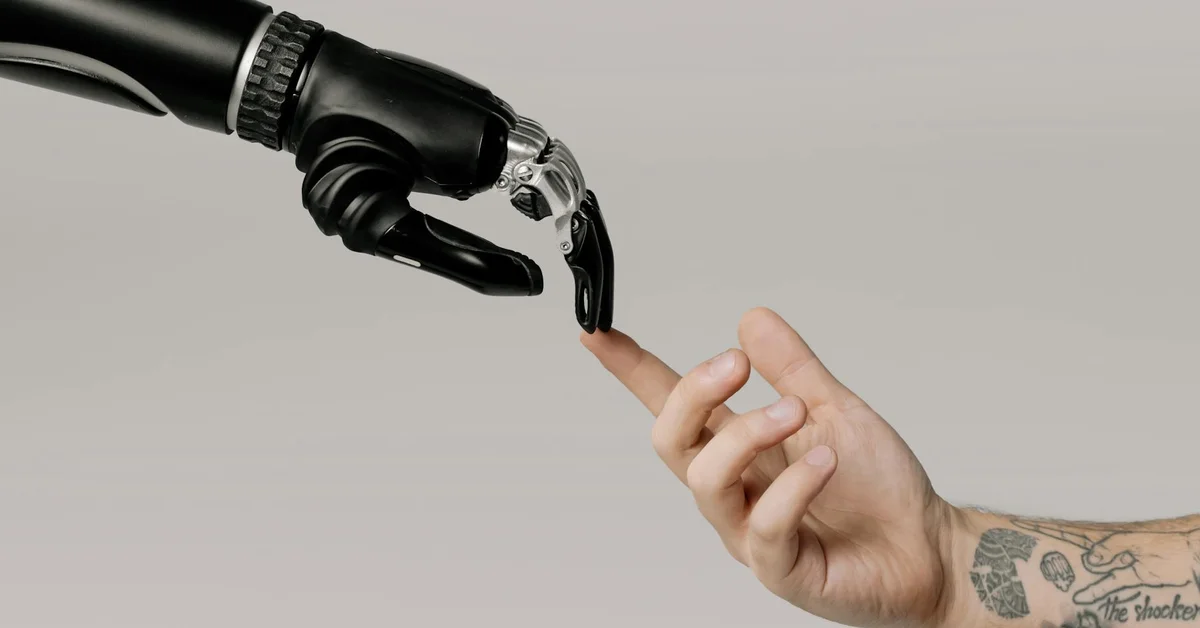
Choosing between erasing your ink and hiding it under new art is a major decision. You need to weigh the finality of a cover-up against the clean slate of removal. Each path has a distinct journey with its own set of challenges and rewards. With partial removal, leftover traces can give birth to new designs from the old. That process shows how artistry turns what remains into fresh shapes and ideas.
Effectiveness and Permanence
A successful laser removal process breaks down ink particles until your body flushes them out. Here’s a quick look at the tattoo removal process explained. Lasers target and fragment pigment so the body can eliminate it. Complete removal offers a true return to bare skin, a permanence of absence. A cover-up, on the other hand, is a permanent solution that involves layering a new, larger, and darker design over the old one. The original tattoo will always be underneath, dictating the new artwork’s constraints.
Pain, Downtime, and Healing
- Pain Level: Laser removal feels like hot bacon grease spattering on your skin. Cover-ups involve the prolonged, deep needle sensation of a new tattoo. In my experience, most clients find the intense, sharp zap of the laser more jarring than the familiar tattoo needle.
- Downtime & Healing: After a laser session, the area blisters and scabs over, requiring careful aftercare for about two weeks. A cover-up heals like any new tattoo-it’s an open wound that needs cleaning and moisturizing. The healing for a cover-up is often more visually dramatic but follows a more predictable pattern.
Risks and Unsatisfactory Results
Both procedures carry the risk of scarring if aftercare is neglected or your technician is heavy-handed. With removal, the biggest risk is hypopigmentation, where the skin loses its color and leaves a light patch. You can learn more about this risk and what to expect after your first removal session. For cover-ups, the risk is an unsatisfactory new tattoo. I’ve seen clients end up with a dark, muddy blob because the artist couldn’t effectively mask the old design. You are permanently trading one tattoo for another.
Key Factors in Your Decision
Your final choice isn’t just about what you want; it’s about what your skin, your wallet, and your schedule can handle. Be brutally honest with yourself about your priorities before committing to a path.
Cost Implications
Laser removal is a significant financial investment spread over multiple sessions. A small tattoo might cost a few hundred dollars total, while a large, colorful piece can run into the thousands. A cover-up is a single, larger upfront cost, but a quality artist capable of a flawless cover-up will command a premium price. Don’t cheap out here; a budget cover-up often looks like one. To help you budget, check out our laser tattoo removal cost guide. It breaks down common price factors, session estimates, and how to compare quotes from clinics.
Tattoo Characteristics: Size, Color, and Location
- Size & Color: Large, dark blue or black tattoos are the best candidates for cover-ups. Multicolored tattoos, especially those with greens and yellows, can be notoriously difficult to laser away completely and are a nightmare to cover effectively.
- Location: Areas with thin skin and many nerve endings, like the ribs or feet, are exceptionally painful for both procedures. Bony areas also tend to heal slower and can be more prone to scarring from laser treatments.
Personal Tolerance for Pain and Healing
Ask yourself how much discomfort you can realistically endure and for how long. Removal requires multiple short, intense bursts of pain over a year or more. A cover-up involves a single, long session of sustained pain. Your ability to commit to the lengthy aftercare and healing cycles for either option is a practical reality you cannot ignore.
Cost and Time Comparison
Let’s talk numbers. This is where the rubber meets the road for most people deciding between these two paths. You need a clear picture of the financial and time investment required, as they differ dramatically.
Breaking Down the Expenses
- Laser Tattoo Removal: You don’t pay a flat fee; you pay per session. The average cost for a single session ranges from $200 to $500. A small, simple tattoo might be on the lower end, while a large, dense, multi-colored piece will cost more each time.
- Cover-Up Tattoo: This is typically a one-time cost, but it’s often substantial. A skilled cover-up artist charges a premium for their expertise. You could be looking at $500 to $2,000 or more for a single, lengthy session to design and execute a successful cover-up.
Timeline and Number of Visits
- Laser Removal Timeline: This is a marathon, not a sprint. Most tattoos require 6 to 12 sessions for complete removal. You must wait 6 to 8 weeks between sessions for your skin to heal and your immune system to clear the fragmented ink. The entire process can easily take a year, and often much longer.
- Cover-Up Timeline: This is a sprint. The entire process-consultation, design, and tattooing-is usually completed in one to two long sessions. Your healing time is the standard 2 to 4 weeks for a new tattoo. You’re done in a month.
Key Variables That Affect Price and Time
- Ink Complexity: Professional black ink is easiest to remove. Colors like green, blue, and yellow are stubborn and may require a specialized, more expensive laser. For cover-ups, dark, saturated old ink limits the new design possibilities, often requiring a larger, darker new tattoo.
- Specialist Fees: A board-certified dermatologist or a highly experienced laser technician will charge more than a med-spa rookie. For a cover-up, you are paying for an artist’s specific skill in design strategy, not just their general tattooing ability.
- Your Body’s Response: Your immune system plays a huge role in removal. Some people’s bodies clear ink faster than others. Your skin type and overall health directly impact the number of sessions needed and the final result.
Methods and Safety Considerations
This isn’t just about aesthetics; it’s a medical and artistic procedure with real risks. Understanding the mechanics and potential complications is non-negotiable for your safety and satisfaction. I’ve treated my own skin and my clients’ with the utmost respect in both processes.
Laser Safety and Professional Oversight
Proper laser removal is a medical procedure. A reputable clinic will always have a consultation first. They assess your tattoo and skin type, discuss your medical history, and set realistic expectations. During treatment, everyone in the room must wear protective eyewear. The laser technician or dermatologist uses precise settings to target the ink without excessively damaging the surrounding skin. I will not work on a client without a thorough consultation and signed consent forms-this is standard of care, even when choosing reputable laser removal clinics near you.
Risks: Scarring, Infection, and Pigment Changes
- Scarring: Both procedures carry a risk. With laser, improper settings or aftercare can cause blistering that leads to scars. A tattoo artist going too deep can cause permanent texture changes. This is a primary reason I caution against DIY removal methods; the risk of severe, permanent scarring is far too high.
- Infection: Any break in the skin is a potential entry point for bacteria. Following aftercare instructions for both laser-treated skin and a new tattoo is critical to prevent infection.
- Pigment Changes: Laser removal can sometimes cause hypopigmentation (lightening of the skin) or hyperpigmentation (darkening of the skin). This is more common in darker skin tones but can happen to anyone. It can be temporary or, in rare cases, permanent.
Alternative Options
What if you’re not ready for the commitment of full removal or a major cover-up? You have other paths.
- Tattoo Lightening: Some clients opt for a few laser sessions not to fully remove the tattoo, but to lighten it significantly. This opens up the possibility for a much broader, more artistic, and less dark cover-up tattoo later.
- Surgical Excision: For very small tattoos, a dermatologist can surgically cut them out and stitch the skin closed. This leaves a linear scar but guarantees the tattoo is gone in one procedure.
- Doing Nothing: This is a valid choice. Sometimes, living with a tattoo you don’t love is better than risking a poor outcome from a rushed decision. Time can change your perspective.
Frequently Asked Questions
Is it better to get laser tattoo removal before a cover-up?
Yes, opting for a few laser sessions to lighten your existing tattoo before a cover-up can greatly enhance the final result. This approach breaks up the old ink, allowing for a wider range of cover-up designs that are less dark and restrictive, so you aren’t limited to a large, dense piece to mask the original.
What is the typical healing time after a laser tattoo removal session?
After each laser session, the treated area typically blisters and forms a scab, with the initial healing phase lasting about 1-2 weeks. During this time, it’s essential to follow proper aftercare, like keeping the area clean and avoiding sun exposure, to minimize risks and support your skin’s recovery before the next session.
How can I ensure I choose the right professional for my tattoo removal or cover-up?
For tattoo removal, select a board-certified dermatologist or an experienced laser technician with proven results, and for cover-ups, seek an artist who specializes in them and has a strong portfolio. Always schedule consultations to discuss your goals, review their credentials, and confirm they follow strict safety protocols to achieve the best outcome.
Wrapping Up
The choice between removal and a cover-up ultimately boils down to your skin’s history and your vision for its future. Laser removal is the definitive path to a clean slate, erasing the past to make room for new possibilities or bare skin. If you’re wondering what it actually feels like, most people report a brief, hot snap or tingling warmth that passes quickly. The sensation is usually manageable with cooling and topical numbing options.
If you have a high-contrast, dark tattoo you want gone, removal is your most direct option. A cover-up works when you can commit to a new, larger, and darker design. A fade tattoo cover up can be a viable option for blending the old ink into the new design. It can offer a compromise between removal and a fresh look. My own experience has taught me that a cover-up is a creative solution, but laser treatment is the only true eraser. Consult a professional; your skin will thank you for the expert guidance.
Further Reading & Sources
- Should You Cover Up a Tattoo or Have It Removed? | MEDermis
- r/TattooRemoval on Reddit: How did you decide between a cover up or complete removal?
Ink Fade Lab is your trusted source for tattoo removal insights, combining expert knowledge with compassionate care to help you make informed decisions about your tattoo journey. Based on years of experience in the tattoo removal industry, we are dedicated to providing accurate, up-to-date information to support your choices.
Fading for Cover-Ups