Tattoo Removal and Your Skin’s Microbiome
Published on: February 14, 2026 | Last Updated: February 14, 2026
Written By: Ashita no Joe
Have you ever wondered why some tattoo removal sites heal flawlessly while others become irritated and slow to recover? As a tattoo artist who has performed and undergone removal, I’ve seen firsthand that the secret lies beneath the surface-in the bustling world of your skin’s microbiome.
This guide will demystify the relationship between removal procedures and your skin flora, providing a clear path to better healing. We will cover the critical role your skin’s ecosystem plays in recovery, practical tips to support it during the removal process, and how to protect this invisible healing ally for optimal results.
What Is Your Skin Microbiome and Why Does It Matter for Tattoo Removal?
Think of your skin microbiome as a bustling, diverse garden. This living ecosystem of bacteria, fungi, and viruses is your body’s first line of defense, working constantly to protect you. Just like a healthy garden needs a variety of plants to thrive, your skin needs a balanced mix of microorganisms to stay resilient.
The key players in this microscopic community include:
- Staphylococcus epidermidis: A friendly bacterium that crowds out harmful pathogens.
- Propionibacterium acnes: Helps maintain your skin’s natural acidic pH.
- Malassezia fungi: Breaks down natural oils into substances that moisturize your skin.
A balanced microbiome is crucial for a calm, controlled immune response. When this community is thriving, it signals your immune system to stand down, preventing unnecessary and excessive inflammation. This directly translates to a smoother, faster healing process after tattoo removal. Your skin can focus on repair instead of fighting imaginary threats. After your first tattoo removal session, you can expect some redness and mild swelling as the skin processes the pigment. A balanced microbiome helps keep inflammation in check, potentially making the initial healing feel smoother.
I have seen clients with robust, well-cared-for skin bounce back from removal sessions with remarkable speed. Their healthy skin flora acts like an internal healing accelerator, minimizing downtime and complications. Investing in your microbiome health is one of the smartest pre-removal steps you can take.
How Tattoo Removal Disrupts Your Skin Flora and Healing Process
Tattoo removal, regardless of the method, creates a controlled wound. Laser energy shatters ink particles, while excision literally cuts the tattooed skin away. Your body immediately recognizes this as an injury and sends in its emergency response team, initiating the tattoo removal process.
This triggers a cascade of cellular activity:
- Neutrophils rush in to fight potential infection.
- Fibroblasts arrive to start building new collagen and tissue.
- The area becomes inflamed, swollen, and warm to the touch.
This necessary inflammatory process often comes with unwanted side effects for your microscopic residents. Common disruptions include:
- Severe inflammation that can wipe out beneficial bacteria.
- Dysbiosis, which is a severe imbalance in your skin’s microbial community.
- Delayed collagen remodeling, leading to poor texture and potential scarring.
I recall a client who struggled with a tattoo on her ankle that just would not heal properly between sessions. The skin was constantly angry, red, and took weeks to settle down, a classic sign of a disrupted local microbiome that couldn’t regain its footing. We had to pause treatments and focus solely on restoring her skin’s health before we could continue.
Laser Removal and Its Specific Impact on Skin Microbiota
Laser removal uses intense, focused light energy that does not discriminate between ink particles and your skin’s cellular environment. The sudden, intense heat can decimate the local population of beneficial bacteria living in and around your hair follicles and sweat glands. It also stresses the keratinocytes, your main skin cells, altering the environment these microbes call home.
Different lasers have different impacts:
- Q-switched lasers deliver energy in a nanoseconds-long pulse, creating a more localized shockwave.
- Picosecond lasers work even faster, which may cause less thermal spread and collateral damage to surrounding tissue and flora.
Neglecting proper aftercare creates an open invitation for trouble. An unbalanced, weakened microbiome leaves the door wide open for infection, as harmful bacteria can easily colonize the freshly wounded skin. This is why keeping the area clean and supporting its microbial recovery is non-negotiable.
Other Removal Methods: Excision, Creams, and Microbiome Effects
Surgical excision is the most direct assault on your skin’s ecosystem. This method physically removes the tattooed skin and stitches the wound closed, completely obliterating the microbiome in that specific patch. The healing process involves rebuilding that community from scratch, which can be slow and prone to complications if not managed perfectly. For those considering this option, a surgical excision skin graft tattoo removal guide can help outline what to expect. It covers pre-op prep, graft choices, and aftercare.
Chemical peels and so-called “removal creams” are equally devastating. I strongly warn against DIY tattoo removal creams; they are unregulated chemical burns that cause severe dysbiosis and almost always lead to significant scarring. They indiscriminately destroy the top layers of your skin and the life within them, creating a chaotic environment where healthy healing is nearly impossible. This is the danger of home DIY tattoo removal. Seek professional care instead.
Your safest path is always a professional method performed in a clinical setting. A skilled professional uses controlled, precise techniques designed to minimize collateral damage and set the stage for your skin’s microbiome to recover effectively. The goal is to remove the ink while preserving as much of your skin’s natural healing biology as possible.
Microbiome-Driven Risks: Infection, Scarring, and Poor Healing
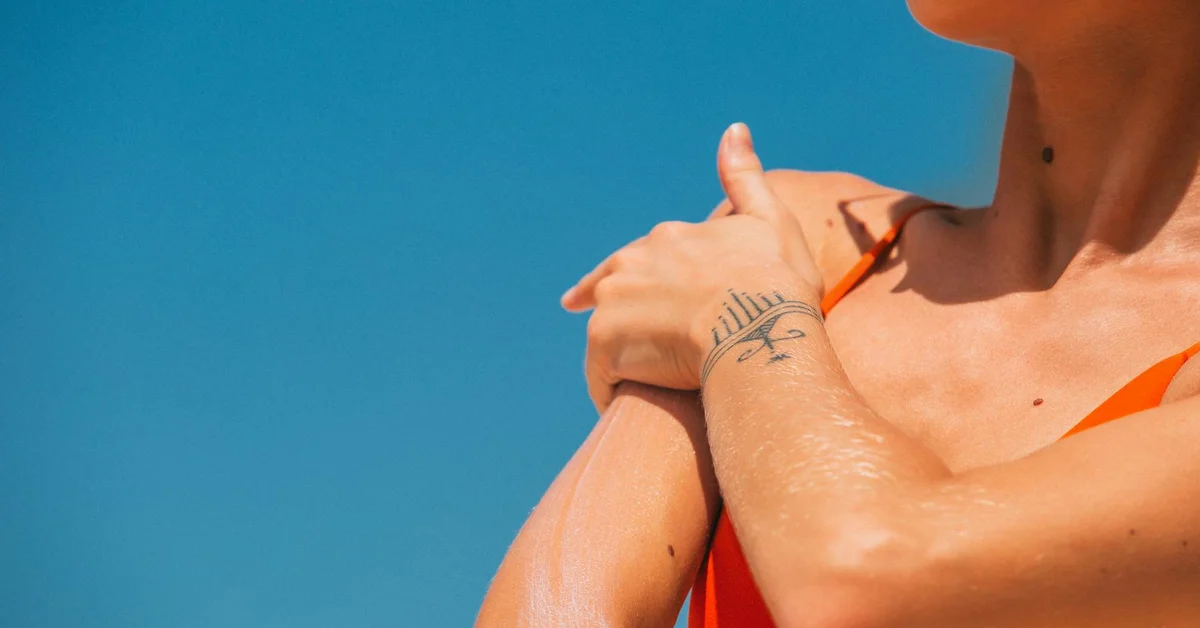
Your skin’s microscopic ecosystem plays a huge role in how you recover from laser sessions. An unbalanced microbiome is a primary driver for most post-removal complications I’ve treated.
Signs of Infection from Microbiome Imbalance
Your body sends clear signals when its bacterial balance is off. Watch for these specific signs:
- Intense, radiating redness that expands beyond the treatment area
- Thick, yellow or green pus with a distinct foul odor
- Swelling that feels hot and painful to the touch
- A persistent throbbing sensation that worsens over time
How Dysbiosis Leads to Scarring
When bad bacteria overwhelm the good, your body’s repair system goes haywire. Dysbiosis forces your immune system into a constant inflammatory state, which directly disrupts the delicate collagen remodeling process. This chaotic healing environment can trigger excessive scar tissue formation. In clients prone to keloids, I’ve seen imbalanced skin flora act like gasoline on a fire, accelerating raised, thickened scar development.
Healing Phases Where Your Microbiome Matters Most
Laser removal healing occurs in three critical phases where bacterial balance determines your outcome:
- Inflammatory Phase (Days 1-3): Your body sends immune cells to the area. A diverse microbiome helps calibrate this response, preventing excessive inflammation.
- Proliferative Phase (Days 4-14): New skin tissue forms. Good bacteria support proper collagen alignment rather than chaotic scar tissue.
- Remodeling Phase (Weeks 3-12): Skin matures and strengthens. Balanced flora maintains controlled moisture levels and prevents secondary infections.
Observations from Complicated Removal Cases
In my studio, the worst healing cases consistently shared one trait: compromised skin flora before we even started. One client used harsh antibacterial soaps for weeks pre-treatment, stripping her skin’s natural defenses; she developed a persistent infection that required medical intervention. Another arrived with existing eczema, and the laser stress triggered a severe dysbiosis reaction that took months to resolve. These experiences taught me that pre-treatment skin health is just as vital as aftercare.
Microbiome-Friendly Aftercare: Protecting Your Skin Flora Post-Removal
Modern aftercare moves beyond simple sterilization to intelligent microbial support. Your goal isn’t to create a sterile environment, but to cultivate a resilient bacterial community that defends and repairs your skin.
Step-by-Step Aftercare Routine for Flora Balance
- First 48 Hours: Gently cleanse twice daily with lukewarm water and a microbiome-friendly cleanser. Pat dry with paper towels, never cloth towels harboring unknown bacteria.
- Days 3-7: Apply a thin layer of sterile, fragrance-free ointment only if the area feels tight or cracked. Avoid smothering the skin.
- Week 2 Onward: Transition to lightweight, pH-balanced moisturizers containing ceramides or prebiotic compounds.
- Ongoing: Wear loose, breathable clothing over the treated area and avoid submerging in pools or hot tubs for at least three weeks.
Gentle Cleansers That Respect Good Bacteria
Traditional antiseptics like hydrogen peroxide and alcohol-based solutions are too aggressive for modern removal aftercare. I recommend synthetic detergent syndets with pH levels matching healthy skin (around 5.5) that clean without massacring your microbial allies. Look for formulations containing mild surfactants like sodium lauroyl sarcosinate or decyl glucoside.
Topical Products Supporting Microbiome Diversity
Your post-removal product choices either help or hinder bacterial recovery. Seek out these ingredients:
- Prebiotics like inulin or alpha-glucan oligosaccharide that feed beneficial bacteria
- Ceramide-dominant formulations that repair the skin barrier
- Niacinamide to reduce inflammation and support microbial diversity
- Zinc oxide-based barriers that protect while allowing respiration
The Antibiotic Conversation
Oral antibiotics should remain a last resort for confirmed bacterial infections, not a preventive measure. I’ve seen too many clients develop secondary fungal issues or prolonged healing times from unnecessary antibiotic use that decimated their entire skin ecosystem. Only use prescribed topical antibiotic ointments for the exact duration directed by your provider, never as long-term aftercare.
Probiotics and Diet for Boosting Skin Microbiome Health
What you ingest directly influences your skin’s microbial landscape. The gut-skin axis is real-I’ve observed faster healing and reduced inflammation in clients who optimized their nutrition before removal sessions.
Probiotic-Rich Foods and Supplements
Incorporate these microbial powerhouses into your diet starting several weeks before your first session:
- Fermented foods like kimchi, kefir, and unpasteurized sauerkraut
- High-quality probiotic supplements containing Lactobacillus and Bifidobacterium strains
- Prebiotic fibers from garlic, onions, asparagus, and oats that feed beneficial bacteria
- Bone broth rich in collagen and amino acids that support skin repair
Dietary Tips to Reduce Inflammation
Your nutritional strategy should create an internal environment conducive to healing:
- Increase omega-3 fatty acids from wild-caught fish and flaxseeds to calm inflammation
- Reduce sugar and refined carbohydrates that feed pathogenic bacteria
- Incorporate vitamin C-rich foods like bell peppers and citrus to support collagen production
- Stay adequately hydrated-water transports nutrients to healing tissues
Personal Habits That Improved Client Healing
Beyond specific products, these practices yielded measurable improvements in my clients’ recovery:
- Starting probiotic supplementation 4-6 weeks before the first laser session
- Reducing alcohol consumption during the entire removal process
- Implementing stress-reduction techniques like meditation, as stress hormones directly impact skin immunity
- Getting consistent sleep-the body does its most intensive repair work during deep sleep cycles
What Science Says: Research on Tattoo Removal and Microbiome Changes
Scientific inquiry into how laser tattoo removal directly alters your skin’s microbiome is still in its early stages. We know the process creates a controlled wound, and wound healing is a well-studied area in skin microbiology. The intense, localized trauma from the laser’s energy creates an immediate shift in the skin’s environment. Safely managing any blistering is part of aftercare following laser tattoo removal. If blisters form, keep the area clean and dry, avoid popping them, and consult your clinician for guidance.
This disruption temporarily reduces microbial diversity as the body’s inflammatory response takes over. The initial inflammatory phase creates an acidic, hostile environment that favors certain bacteria over others, fundamentally changing the local ecosystem on your skin. I’ve observed this firsthand; the treated area often looks and feels entirely different from the surrounding healthy skin during the first week of healing.
How Microbiome Testing Can Guide Personalized Aftercare
Emerging technology now allows for detailed analysis of your skin’s bacterial composition. While not yet a standard clinical tool for tattoo removal, a microbiome test can reveal if your skin leans toward being dominated by more inflammatory bacterial strains or has a robust population of beneficial, peacekeeping flora. These insights might play a role as part of future tattoo removal technologies.
This information is powerful. Knowing your skin’s baseline flora can help you and your technician tailor a pre- and post-care regimen that supports a balanced healing environment from the start. For instance, if your test shows a propensity for slower healing, you might begin using specific prebiotic skincare products weeks before your first removal session to fortify your skin’s defenses.
Gaps in Research and Your Practical Takeaways
It’s crucial to be realistic. We lack large-scale, long-term studies tracking individual microbiome recovery following multiple laser sessions. The existing research gives us a framework, not a definitive map.
- Your skin’s microbiome is resilient and designed to rebound from injury.
- The single biggest factor influencing its recovery is your aftercare protocol.
- Harsh, antibacterial soaps can do more harm than good by stripping away beneficial bacteria.
The practical takeaway is to treat your skin’s microbiome as an ally in healing, not an enemy to be nuked with strong antiseptics. Focus on creating a clean, moist, and balanced environment for it to re-establish itself. From my own experience removing a large chest piece, a gentle approach consistently led to less redness and faster recovery between sessions.
Optimizing Your Removal Journey for Microbiome and Healing Success
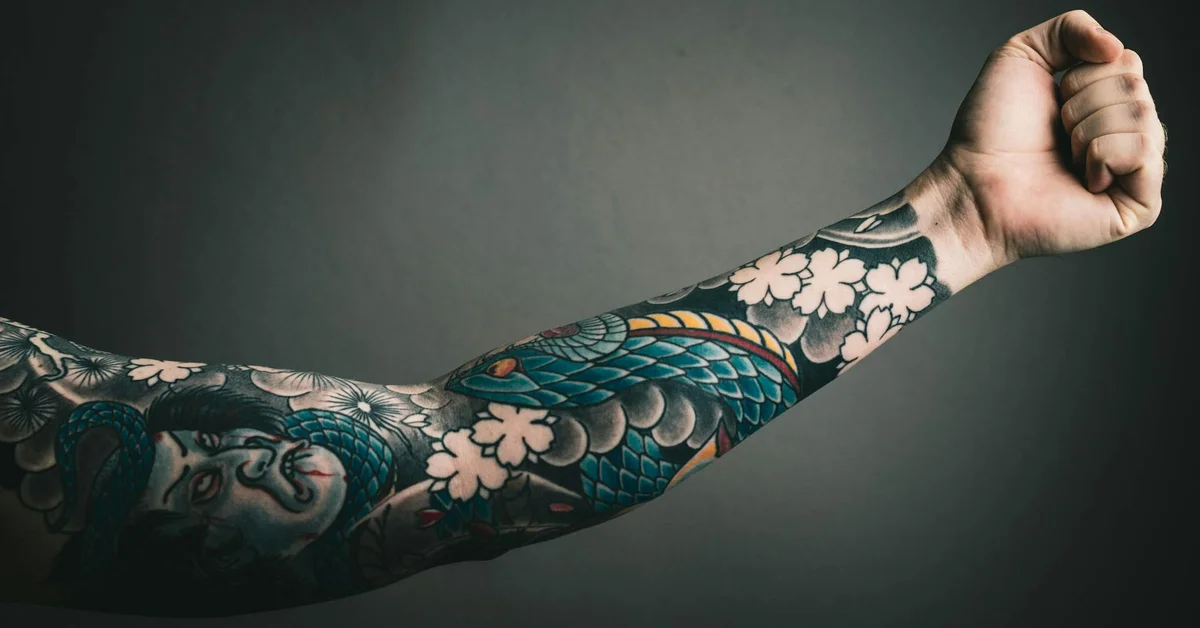
Your entire removal journey hinges on two foundational choices: your practitioner and your commitment to aftercare. Selecting a technician with a deep understanding of laser physics and skin biology is non-negotiable for a safe, effective process that minimizes unnecessary trauma. Reputable clinics also enforce strict laser safety protocols to protect clients and staff. This includes proper eye protection, calibrated equipment, and clear pre- and post-treatment guidelines. A skilled hand uses the correct settings to shatter ink particles without causing excessive collateral damage to your skin’s structure and its microscopic residents.
Your Role in Flora-Conscious Aftercare
Once you leave the clinic, the responsibility for healing shifts to you. Your daily routine directly influences how quickly and comfortably your skin and its microbiome recover.
- Clean the area with a mild, pH-balanced cleanser, not harsh antibacterial soap.
- Apply a thin layer of a recommended ointment to maintain a moist healing environment.
- Protect the treated area from the sun with clothing or high-SPF sunscreen once healed.
- Consider incorporating a fragrance-free moisturizer with prebiotics or ceramides into your long-term skincare.
Vigilantly monitor your healing progress and contact your provider immediately if you see signs of infection like spreading redness, pus, or unusual pain. A small issue addressed early prevents a major setback. I’ve guided hundreds of clients through this; those who are attentive and proactive consistently have the smoothest journeys with the best final results.
Seeing clients successfully clear tattoos they once regretted is the most rewarding part of my job. Your skin possesses an incredible ability to heal when given the right support. By respecting the complex world of bacteria on your skin and partnering with a skilled professional, you are setting the stage for a successful removal and a healthy canvas afterward. Once the removal is complete, proper aftercare supports lasting skin health. I can guide you through simple steps to care for your skin during healing and beyond.
Frequently Asked Questions
What does current research reveal about tattoo removal and the microbiome?
Current studies indicate that tattoo removal procedures, especially laser treatments, cause significant disruptions to the skin’s microbiome by creating a wound-like environment that reduces microbial diversity and triggers inflammation. While research is still emerging, evidence suggests that maintaining a balanced microbiome can lead to smoother healing and fewer complications, highlighting the importance of supporting your skin flora throughout the removal process, especially to avoid infections that can arise after procedures.
Can microbiome testing improve my tattoo removal aftercare?
Yes, microbiome testing can provide insights into your skin’s bacterial composition, allowing for a tailored aftercare plan that promotes balanced flora and faster recovery. By identifying specific microbial imbalances before treatment, you can use targeted products like prebiotics or gentle cleansers to optimize healing and reduce risks like infection or scarring.
How does diet influence the microbiome during tattoo removal?
Diet plays a crucial role through the gut-skin axis, where probiotic-rich foods and anti-inflammatory nutrients support a healthy skin microbiome, enhancing healing post-removal. Incorporating items like fermented foods, omega-3s, and reducing sugar can help maintain microbial balance, reduce inflammation, and improve overall recovery outcomes between sessions.
Closing Thoughts
The microscopic world of your skin’s microbiome is a powerful, living partner in your tattoo removal journey. Every professional laser session is a negotiation with these tiny organisms, and supporting them with gentle, microbiome-friendly aftercare isn’t just a suggestion—it’s the foundation for clean, efficient healing. For tattoo removal sensitive skin care, lean into gentle, fragrance-free aftercare that supports the skin barrier and minimizes irritation. That mindful, microbiome-aware approach helps promote calmer recovery and consistent results.
Respect your skin’s natural ecosystem by choosing a qualified professional and avoiding harsh DIY methods that disrupt this delicate balance. Your body knows how to heal; your job is to give it the best possible environment to do its work, setting the stage for clearer skin ahead.
Further Reading & Sources
- Tattoos and the Immune System: More Than Skin Deep | Amgen Biotech Experience
- Unveiling skin macrophage dynamics explains both tattoo persistence and strenuous removal – PMC
Ink Fade Lab is your trusted source for tattoo removal insights, combining expert knowledge with compassionate care to help you make informed decisions about your tattoo journey. Based on years of experience in the tattoo removal industry, we are dedicated to providing accurate, up-to-date information to support your choices.
Healing Stages