
Tattoo Removal for Mature Skin: A Realistic Guide
That tattoo on your skin has been with you for decades, but the person you are now might not connect with it anymore. You might wonder if removing older ink is even possible, or if your skin can handle the process after all these years.
This guide cuts through the confusion and gives you a straightforward look at the modern removal process. We will cover how your skin’s age impacts treatment, what to realistically expect from sessions, and how to choose the right removal method for you. You will learn about the options, the healing journey, and the potential risks specific to more mature skin.
Why Removing Ink from Aging Skin is a Different Process
Your skin at fifty is not the same canvas it was at twenty. The biological changes that come with maturity fundamentally alter how lasers interact with your tattoo. Youthful skin bounces back quickly, but mature skin requires a more measured, patient approach.
The Biology of Mature Skin and Laser Response
Collagen is the scaffolding that gives your skin its firmness and structure. As we age, our bodies produce less of it. With less collagen, your skin has a harder time repairing the microscopic damage caused by the laser’s energy. This slower healing process directly increases the risk of textural changes or scarring if treatments are too aggressive.
Your cell turnover rate-the speed at which your body sheds old skin cells and generates new ones-also slows down significantly. This natural slowdown means it takes longer for your immune system to clear the fragmented ink particles after each session. Where a younger person might wait six weeks between appointments, you may need eight, ten, or even twelve weeks for your skin to fully process the treatment and be ready for the next one.
How Your Old Tattoo’s Ink Behaves Differently
That tattoo you got decades ago has been on a long journey under your skin. Over time, ink particles naturally break down and migrate deeper into the dermis, often blurring beyond the original lines. I’ve seen ink from the 80s that has settled so deep it looks like a faint bruise under the skin.
Modern tattoo inks are more standardized, but older formulas are a mystery. Many older tattoos were done with heavy metals or industrial-grade pigments that were never meant to be inside the human body, making them notoriously stubborn to break down. I’ve personally found that the amateur tattoos from my youth, done with who-knows-what kind of ink, were far more challenging to remove than the professional work I’ve had done since. That variance reflects the ink chemistry—pigments, metals, and carriers determine how resistant a tattoo is to removal. In other words, tattoo ink materials science and chemistry underpin how lasers break down and extract colors.
Setting Realistic Expectations for Your Tattoo Removal Journey
Hope for the best, but prepare for a process. Managing your expectations from the start is the single most important step for a satisfying outcome. Complete, 100% removal is a fantastic goal, but it is not a promise.
Your final result depends on a unique combination of factors. Use this checklist to understand what you’re working with:
- Tattoo Age & Technique: Older, amateur tattoos can be unpredictable. Professional work, while dense, often has more consistent results.
- Ink Colors: Black ink absorbs laser light the best. Blues and greens can be removed. Reds, yellows, and whites are the most challenging and may only lighten.
- Your Skin Tone: The contrast between your skin pigment and the tattoo pigment matters. Higher contrast typically yields better, faster results.
- Your Overall Skin Health: Sun damage, scarring in the area, and your general health all play a role in how your skin will heal.
- Your Lifestyle: Smoking constricts blood vessels and can dramatically slow your body’s ability to flush out ink.
What Successful Fading Looks Like on Mature Skin
Progress on mature skin is often more gradual. After your first session, don’t expect a dramatic vanish; look for the tattoo to appear slightly “frosted” or ashy as the ink shatters. This is a positive sign that the process is working.
With each subsequent treatment, the tattoo will lose its density. The solid black will begin to crack apart, revealing more of your natural skin tone underneath in a speckled pattern. The texture might feel slightly rough as the microscopic ink fragments rise to the surface and are shed. You may notice a temporary change in skin texture as the skin heals. In many cases, texture returns to normal, though some differences can persist after removal. It will look faded, like an old photograph left in the sun. Successful removal on mature skin is about significant lightening and making the tattoo a ghost of its former self, not necessarily an erasure without a trace.
Choosing the Right Tattoo Removal Method for Your Skin
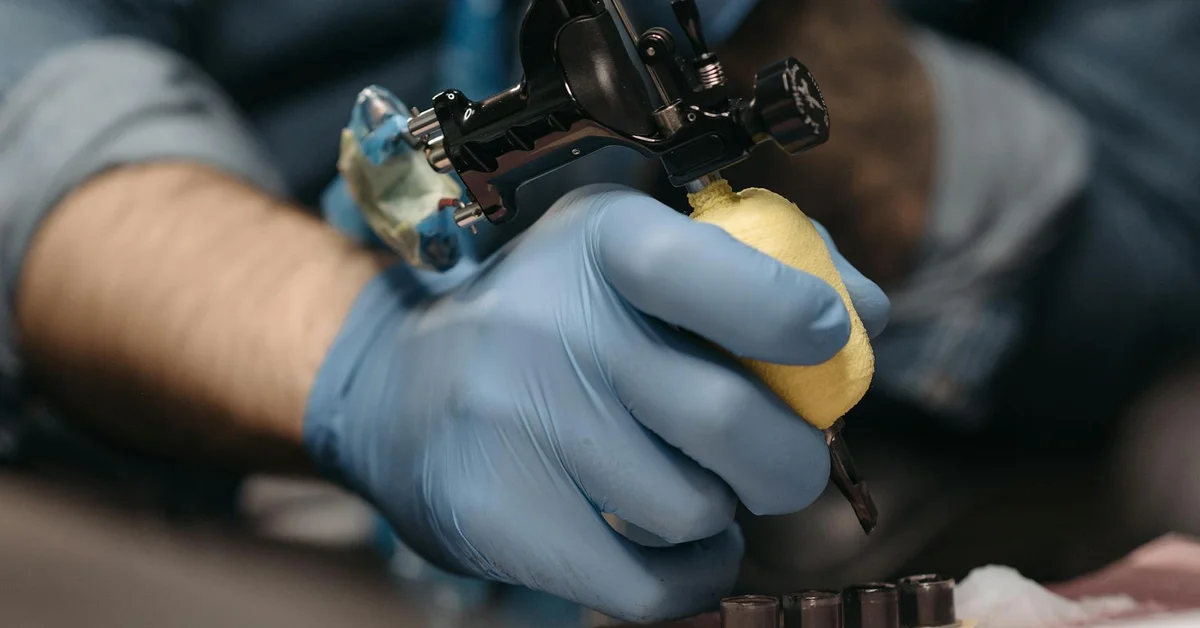
Older tattoos often seem easier to remove because the ink has faded and settled, but your skin’s age is the real factor. Mature skin is fundamentally different; it’s thinner, less elastic, and requires a more delicate approach to avoid scarring and poor healing. For older adults, aging skin can respond differently to treatment, so a careful, individualized plan is essential. This helps minimize scarring and optimize results in tattoo removal for elderly skin.
- Q-Switched Lasers: This is the traditional workhorse of tattoo removal. It delivers energy in a single, powerful nanosecond pulse. I’ve used these for years. They are highly effective, but the concentrated energy can be harsher on fragile, aging skin, sometimes leading to more swelling and a longer recovery period.
- Picosecond Lasers: This is the newer, more advanced technology. It fires laser pulses in picoseconds-that’s one trillionth of a second, much faster than a nanosecond. The speed of the picosecond laser shatters ink particles more efficiently with less thermal damage to the surrounding skin. For my clients with delicate, mature skin, I often lean towards picosecond technology because it’s gentler and promotes faster healing.
- Surgical Excision: I rarely recommend this for older skin. It involves cutting the tattoo out and stitching the skin closed. On skin that has lost its elasticity, this can lead to poor wound healing, obvious scarring, and tightness. It’s only considered for very small tattoos where the skin is still supple.
Why Laser Technology Matters for Delicate Skin
Think of tattoo ink as a large boulder stuck in your skin. A laser’s job is to break that boulder into tiny pebbles your body can carry away. Advanced lasers act like a precision jackhammer, focusing their energy almost exclusively on the ink particles while sparing the surrounding tissue. This targeted approach is non-negotiable for mature skin. When the laser is less precise, it transfers excess heat to your collagen and elastin, the very structures that keep your skin firm. Damaging these can accelerate sagging and textural changes in skin that’s already vulnerable. Here’s how laser tattoo removal works scientifically.
The Tattoo Removal Consultation: Key Questions for Your Specialist
Your consultation is your most powerful tool. You are interviewing the specialist to ensure they can handle your skin’s specific needs. Do not be shy. A reputable practitioner will welcome your questions and have clear, confident answers based on experience. Here are the questions I would ask if I were in your position:
- How many removal procedures have you performed on clients over the age of 50?
- Can you show me before-and-after photos of tattoos removed from mature skin, similar to my own?
- What is your specific risk assessment for my tattoo? What are the chances of hypopigmentation (lightening) or textural changes on my skin type?
- What type of laser do you use, and why is it the best choice for my situation?
- What is your protocol if a complication like blistering or infection occurs?
Your Pre-Treatment Skin Assessment
A thorough consultation is more than just looking at your tattoo. A good specialist will perform a complete skin assessment. This evaluation is critical for predicting how your skin will respond to treatment and heal afterward. In my practice, this always includes:
- Evaluating Skin Laxity: I gently pinch the skin around the tattoo to check its elasticity. Looser skin may react differently to the inflammatory process of removal.
- Checking for Sun Damage: I examine the area for existing sunspots, fine lines, and thinning skin. Sun-damaged skin has a higher risk of pigment changes.
- Discussing Medical History: We talk about conditions that affect healing, like diabetes or circulatory issues, and medications like blood thinners that can increase bleeding and bruising.
- Fitzpatrick Skin Typing: I determine your skin’s natural pigment level (on a scale of I to VI) to properly calibrate the laser and minimize the risk of burning or permanent lightening.
Navigating the Removal Process: Sessions, Pain, and Downtime
Knowing what to expect from the first session to the last removes a lot of the anxiety. The process for an old tattoo on mature skin is a marathon, not a sprint, requiring patience and careful aftercare. Here is the typical step-by-step breakdown of a single session:
- You arrive and the treatment area is cleaned.
- A topical numbing cream is applied and left on for 20-45 minutes to take effect.
- You and the practitioner will wear protective eyewear.
- The laser handpiece is placed against your skin. You will hear a loud snap and feel a sharp, hot sensation with each pulse.
- The practitioner will methodically cover the entire tattoo, often overlapping passes.
- Immediately after, the skin will be red and swollen. An ice pack is applied to soothe the area.
- A protective ointment and bandage are applied, and you receive detailed aftercare instructions.
For a significant fading of an old tattoo, expect a realistic timeline of 8 to 12 sessions, spaced 8 to 12 weeks apart. The long wait between sessions is not arbitrary; it gives your body’s immune system the necessary time to slowly clear the shattered ink particles and allows your more delicate skin to fully recover. This gradual process is detailed on our session-by-session progress guide.
Managing Discomfort and Pain During Treatment
Let’s be direct: laser tattoo removal hurts. The sensation is often described as hot bacon grease splattering on the skin or a rubber band being snapped very hard against it. Topical numbing creams containing lidocaine are your best friend; they take the sharp edge off the pain, making the procedure far more manageable. Numbing creams are a standard part of pain management for tattoo removal; they’re typically applied about 20-45 minutes before treatment to allow the anesthetic to work. I use them myself and insist my clients do too. For larger or more sensitive areas, some clinics offer cold air devices that blow chilled air onto the skin during treatment, which also helps. Taking an over-the-counter pain reliever like Tylenol about an hour before your appointment can also take the edge off. Avoid aspirin or ibuprofen, as they can increase bleeding.
Your Skin’s Recovery Timeline After Each Session
Healing is where mature skin truly shows its age, and you must adjust your expectations accordingly. Your skin’s recovery will be slower and the inflammatory response more pronounced than in a younger person. Here’s what you will likely experience:
- Immediately After (First 24-48 hours): Significant redness, swelling, and a feeling of warmth or sunburn are normal. Blistering is very common and is a sign the immune system is responding. Do not pop blisters.
- Days 3-7: Swelling decreases. Blisters may break and form a scab or crust. Itching is intense as the skin heals-do not scratch.
- Weeks 2-4: The scabs flake off, revealing new, pink skin underneath. This new skin is very fragile. You must protect this new skin from the sun, as it can hyperpigment (darken) very easily.
- Weeks 4-8: The pinkness fades, and the skin returns to a more normal color and texture. You will notice the tattoo looks lighter. This is the period where your body is still actively removing ink fragments.
Critical Aftercare for Protecting Mature Skin Post-Removal
Your skin’s healing ability changes with age, making aftercare the single most important factor in your results. Treating mature skin after a laser session requires a disciplined, no-excuses approach to protect its delicate structure. I’ve seen clients with fantastic potential outcomes derail their progress by getting lax with their routine.
Follow this protocol as if your final result depends on it-because it does.
- Keep the treated area meticulously clean. Gently wash with a mild, fragrance-free soap and pat dry with a clean paper towel for the first week. Do not scrub.
- Apply a thin layer of the recommended ointment (like Aquaphor) multiple times a day to create a protective barrier. Your skin needs this moisture to rebuild.
- Do not pick, scratch, or peel the flaking skin. Let it shed naturally. Forcing it off can tear the fragile new skin forming underneath and lead to scarring.
- Wear loose, breathable clothing over the area to prevent friction and irritation.
- Avoid strenuous exercise, swimming pools, and hot tubs for at least 48-72 hours. Sweat and bacteria are your enemies during initial healing.
The Non-Negotiable Role of Sunscreen
If you take only one piece of advice from this entire article, let it be this: become religious about sunscreen. Sun exposure on healing, mature skin is the fastest way to cause permanent, splotchy discoloration that can be harder to fix than the original tattoo. The laser-treated skin is incredibly vulnerable to UV rays. After tattoo removal, the treated skin remains especially sensitive during healing. Protect it with broad-spectrum sunscreen (SPF 30+), and when possible keep it shaded or covered until fully healed.
I tell my clients to treat their healing tattoo site like a vampire. Any time the area will be exposed, even through a car window, a high-SPF, broad-spectrum mineral sunscreen must be applied. Hyperpigmentation—dark spots—is a very common and stubborn response to sun on inflamed, aging skin. This isn’t a seasonal recommendation; it’s a daily commitment for the entire months-long removal process. This is the kind of guidance you’ll find in our tattoo removal sun exposure guide. Staying protected helps minimize hyperpigmentation and supports even fading as you go through treatment.
Understanding the Risks: Pigment Changes and Scarring

Mature skin simply doesn’t have the same regenerative capacity as younger skin, which makes certain side effects more likely. The two primary concerns I watch for in my older clients are hypopigmentation and textural changes.
Hypopigmentation is when the skin loses pigment and becomes lighter than the surrounding area. This can sometimes be permanent. Hyperpigmentation, the darkening of the skin, is also common and is often triggered by sun exposure during the healing phase. Your skin’s natural collagen and elastin production has slowed, making it more prone to scarring and a rougher texture post-treatment. The skin might not snap back as smoothly as it once would have.
How to Minimize Complications from the Start
You can stack the odds heavily in your favor by being proactive from your very first consultation.
- Choose your technician with extreme care. Look for extensive experience and a portfolio filled with successful removals on clients of all ages. Do not shop based on price alone.
- Be brutally honest about your health history and any medications or supplements you take. Certain things can make your skin more photosensitive or prone to bleeding.
- Space your sessions further apart. I often recommend 10-12 weeks between appointments for mature skin. This gives your skin the extended time it needs to fully process the ink and heal completely.
- Hydrate from the inside out. Drink plenty of water and maintain a healthy diet rich in vitamins and protein to support your skin’s healing machinery.
- Follow the aftercare instructions I provided earlier as if they were law. There is zero room for improvisation here.
Frequently Asked Questions
Can I watch a video of old tattoo removal to understand the process?
Yes, many clinics and reputable sources share videos online that demonstrate the laser removal process, but keep in mind that each case is unique, especially with mature skin, so use them as a general guide rather than a predictor of your own results.
How long should I keep the area covered after a tattoo removal session?
You should typically cover the treated area with a sterile, non-stick bandage for the first 24-48 hours to prevent infection and minimize irritation, but always follow your specialist’s specific aftercare instructions for optimal healing.
What is required to become a tattoo removal specialist?
Becoming a tattoo removal specialist usually involves completing certified training in laser operation, gaining knowledge of dermatology and skin types, and obtaining hands-on experience under supervision to safely and effectively perform procedures. This is part of a broader laser tattoo removal technician career guide. It outlines the steps to pursue this career, from certification to hands-on training and job readiness.
Closing Words
Removing an old tattoo from mature skin is a marathon, not a sprint. Your tattoo’s history and your skin’s current needs create a unique situation that demands a specialist’s touch and a healthy dose of patience. Sensitive skin care and a cautious post-treatment routine are essential. We’ll tailor the removal plan with gentle products and mindful downtime to protect mature skin.
Set realistic expectations, trust a qualified professional, and prioritize your skin’s health above all else. The journey may be longer, but a clean, confident result is absolutely within reach.
Further Reading & Sources
- Removing Tattoos on Older Skin – Does Age Matter? | Removery
- Tattoo Removal Aftercare by Tatt2Away® – Post Care Program
Ink Fade Lab is your trusted source for tattoo removal insights, combining expert knowledge with compassionate care to help you make informed decisions about your tattoo journey. Based on years of experience in the tattoo removal industry, we are dedicated to providing accurate, up-to-date information to support your choices.
Healing Stages