
Tattoo Removal and Age: Youth vs. Maturity
Published on: April 18, 2026 | Last Updated: April 18, 2026
Written By: Ashita no Joe
Did you get a tattoo when you were younger that no longer fits the person you are today? That feeling of looking at a design that feels disconnected from your current self is something I understand deeply, both from my own skin and from countless clients in my chair. This guide will walk you through exactly how your age influences the removal journey, transforming a complex topic into a clear, actionable plan.
We will explore the critical biological differences between young and mature skin. You will learn how your skin’s elasticity, healing speed, and even your immune response play decisive roles in your results. We will cover the unique challenges and advantages at every life stage, from your twenties to your fifties and beyond.
Why Your Skin’s Age Matters for Tattoo Removal
Your skin is not a static canvas; it is a living, changing organ that reacts differently to laser energy as the years pass. I’ve seen firsthand how a client’s biological age, not just the tattoo’s age, dramatically shapes the entire removal journey. The core differences boil down to three key physiological factors.
Skin elasticity refers to your skin’s ability to snap back after being stretched. Younger skin is rich with elastin, making it supple and resilient. Mature skin has less of this protein, leading to a looser texture. This elasticity directly impacts how your skin contracts and heals around the tiny ink particles shattered by the laser.
Collagen density is the foundation of your skin’s structure. Think of it as the mattress padding beneath the sheets. Youthful skin has a thick, dense collagen layer that supports rapid healing. As we age, collagen production slows, resulting in thinner skin that can be more susceptible to side effects and may heal more slowly post-treatment.
Your immune system is the cleanup crew, tasked with carrying away the fragmented ink particles. A younger, more robust immune system is typically more efficient at this disposal process. The efficiency of your body’s internal cleanup crew is a major determinant in how quickly you see fading between sessions. This natural process simply tends to be more vigorous when you’re younger.
Youthful Skin vs. Mature Skin: A Removal Breakdown
Let’s put these physiological concepts into a direct, practical comparison. Having worked on clients from their late teens to their seventies, I can map out the typical differences you can expect.
| Factor | Youthful Skin (e.g., 20s-30s) | Mature Skin (e.g., 50s+) |
|---|---|---|
| Healing Speed | Generally faster. The body’s regenerative capabilities are at their peak. | Often slower. Cell turnover and tissue repair take more time. |
| Pain Tolerance | Perception of pain can be more acute for some, but recovery from the sensation is quick. | Clients often report the laser sensation is more manageable, but skin can remain sensitive longer. |
| Inflammation Response | Can be pronounced and immediate (significant redness, swelling) but typically subsides rapidly. | Response may be less dramatic initially, but lingering redness or tenderness is more common. |
| Pigment Clearance Rate | Often faster due to an active immune system and better circulation flushing out ink. | Can be a more gradual process, requiring more patience between sessions for full effect. |
| Role of Melanin & Sun Exposure | Sun damage is often less accumulated, making laser settings more straightforward. | A lifetime of sun exposure can complicate matters, sometimes causing hypopigmentation (light spots). |
This table is a guide, not a prophecy; I’ve met 60-year-olds with the resilient skin of someone half their age. Your personal history with the sun is a massive variable here. Cumulative UV damage breaks down collagen and can alter melanin production in the skin, which the laser reads.
For my older clients, I always recommend a more cautious approach with longer intervals between appointments. Giving mature skin ample time to recover is non-negotiable for achieving a clean result without compromising skin integrity. Rushing the process is where problems occur.
Navigating Age Limits and Consent for Removal
Minimum Age Requirements for Tattoo Removal
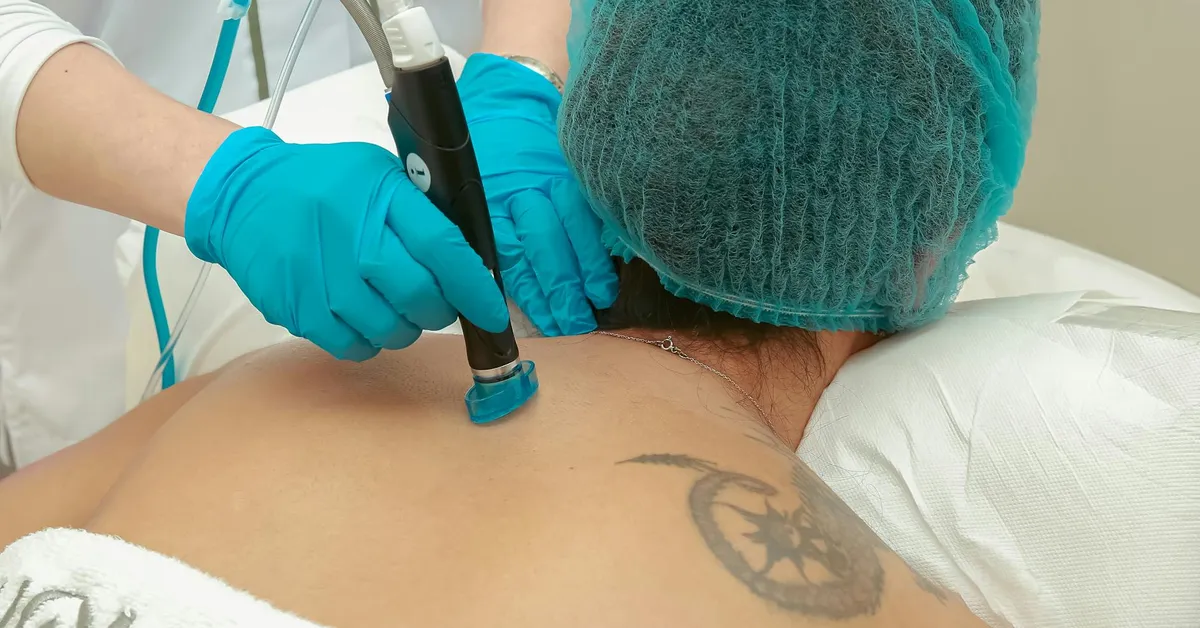
Legally, you must be 18 to consent to a tattoo removal procedure in most places, including the UK. This age limit exists to protect minors from making permanent decisions about their changing bodies without full comprehension. I’ve turned away many 16 and 17-year-olds who walked in without a parent, their frustration palpable. The law sees it the same as getting the tattoo in the first place. For those under 18, parental consent is not just a formality—it’s a mandatory requirement. We require both legal guardian presence and signed documentation. This process ensures everyone understands the commitment, cost, and potential risks involved. These rules tie into our tattoo removal guide on healthcare law and enforcement. It explains how clinics must comply with medical standards and how authorities monitor compliance.
The Professional’s Perspective on Treating Younger Clients
When a young person and their parent sit in my chair, my assessment goes far beyond the tattoo’s ink. I probe for emotional maturity and genuine reasons behind the removal request, not just a fleeting impulse. A tattoo on the hand or face of a teenager tells a different story than one hidden on the back. I ask direct questions: Why now? Did you consider this outcome when you got it? My goal is to ensure the decision is thoughtful. I’ve advised many to wait six months, a cooling-off period that often brings clarity. Rushing into removal can sometimes create a bigger regret than the tattoo itself. Memorial tattoos add a distinct emotional layer to the decision. I consider how removing a memorial might affect ongoing remembrance and the family’s grieving process.
How Laser Technology Adapts to Your Skin’s Age
Adjusting Laser Parameters for Different Skin
Laser tattoo removal is not a one-setting-fits-all science. We meticulously customize the laser’s wavelength, spot size, and fluence based on your skin’s Fitzpatrick type, your age, and the tattoo’s composition. Younger, oilier skin often tolerates higher fluences, allowing us to aggressively target stubborn blues and greens with a Q-switched laser. For more mature or delicate skin, I might use a pico-second laser with a lower setting to prevent thermal damage. The wrong setting on dark olive skin can cause hypopigmentation, a white spot that’s often permanent. Getting it right is a blend of technology and seasoned judgment. These same lasers can also help address residual pigmentation issues, improving overall skin tone after fading. We monitor pigment response closely to minimize new pigment disruption.
Special Considerations for Aging Skin
Mature skin presents a unique set of challenges that demand a gentler, more strategic approach. Slower collagen production and reduced elasticity mean your skin simply doesn’t bounce back from trauma as quickly as it used to. I space sessions further apart for clients over 50, sometimes 12-16 weeks, giving the skin ample time to heal and flush out ink fragments. The risk of post-inflammatory hyperpigmentation-dark shadows left behind-is significantly higher. I recommend a robust post-care routine focused on hydration and sun protection with zinc oxide. Protecting your skin from UV exposure between sessions is non-negotiable for a clean result.
Timing Your Removal: Young Adulthood vs. Later in Life
Deciding when to start the removal process is a deeply personal choice, and your age plays a bigger role than you might think. Your body’s response to laser treatment and your personal motivation for removal shift significantly between your twenties and your forties. I’ve guided clients through this at every stage, and the journey is never the same.
Considering Removal in Your Youth (20s – Early 30s)
Younger skin typically has more collagen and elastin, which can mean faster healing and more resilient tissue between sessions. Your immune system is also firing on all cylinders, helping to clear the shattered ink particles more efficiently. The primary advantage here is your body’s robust capacity to repair itself, potentially shortening the overall timeline.
But there’s a catch. The tattoos being removed are often newer and the motivations can be impulsive—a relationship ended, a career path changed. I’ve seen many young clients rush into removal only to regret the tattoo’s absence later. You must be certain, especially considering what to expect one year after starting tattoo removal.
Pursuing Removal with Mature Skin (40s and Beyond)
Older skin is wiser but can be less forgiving. Healing takes a bit longer, and the skin’s natural laxity can be a factor. However, the resolve I see in my mature clients is unparalleled; they’ve lived with the tattoo for decades and their decision is rarely fleeting. The motivation is often about personal evolution, not a fleeting trend. Tattoo removal for elderly or aging skin comes with its own set of challenges, which further underscores their commitment.
The laser technology itself is a great equalizer. Modern picosecond lasers are incredibly effective on older tattoos, which often have simpler, more stable inks that break up beautifully. When choosing the best laser for tattoo removal, clinics regularly compare Pico vs Q-switched lasers to weigh speed, safety, and results.
Your Personal Timing Checklist
Ask yourself these questions before booking your first session:
- Motivation Stability: Have I wanted this tattoo gone for over a year, or is this a recent reaction to an event?
- Life Stage: Am I in a stable position with my career, family, and finances to commit to the process?
- Skin Health: Is my skin in good condition, free of active sun damage or conditions like psoriasis in the treatment area?
- Realistic Expectations: Do I understand that complete removal takes multiple sessions over many months, regardless of my age?
Minimizing Risks at Any Age: A Pro’s Guide
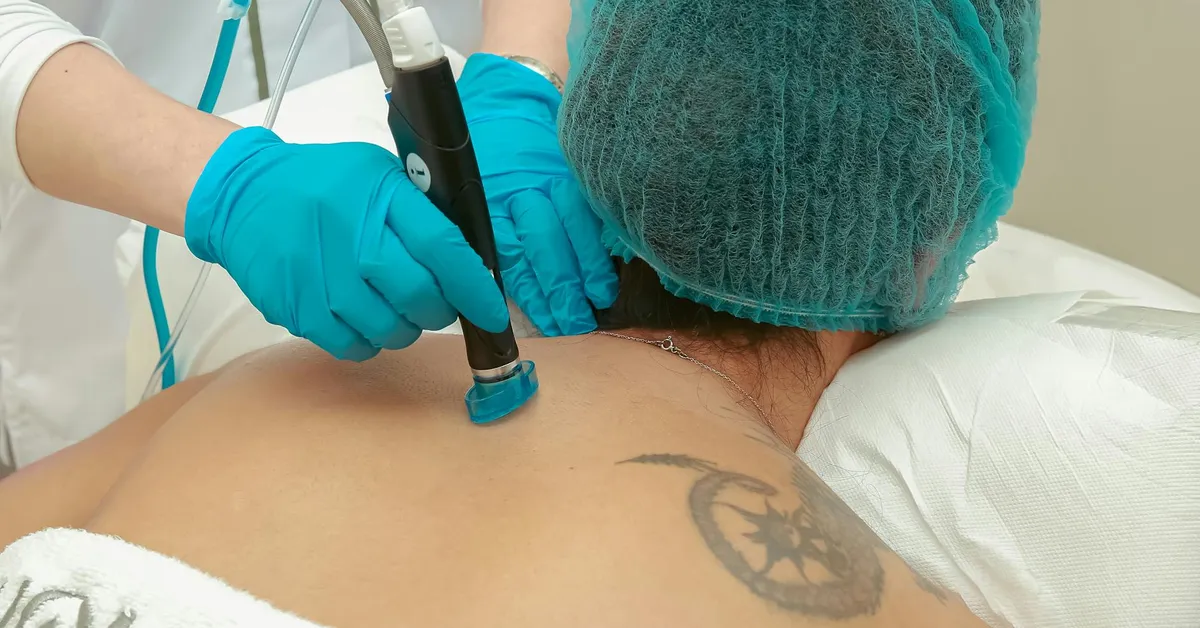
As someone who has both performed removals and undergone them, I can tell you that preparation and aftercare are what separate a good result from a great one. Your skin is the canvas, and its condition directly dictates how well the laser can work and how smoothly you will heal.
Pre-Treatment Skin Preparation
Think of this as training for a marathon. You wouldn’t run 26 miles without preparing your body. Don’t ask your skin to handle a laser without getting it ready.
- Become a Sunscreen Zealot: For at least four weeks before your session, the tattoo area must be religiously protected from the sun. Tanned skin significantly increases the risk of blistering and hypopigmentation (light spots).
- Hydrate from the Inside Out: Drink plenty of water. Well-hydrated skin heals faster. I also recommend a good, fragrance-free moisturizer daily.
- Stop Certain Skincare Actives: One week prior, halt any retinol, glycolic acid, or other exfoliating agents on the area. They can make your skin overly sensitive.
- Arrive with Clean, Product-Free Skin: On the day of your appointment, show up with the area freshly washed and free of lotions, creams, or makeup.
This pre-care ritual is non-negotiable for safe and effective treatment, and it becomes critically important as our skin matures and loses some of its natural protective capacity.
Managing Pain and the Healing Process
Let’s be direct: laser tattoo removal is uncomfortable. The sensation is often described as hot bacon grease splattering on the skin. But it is very manageable. So, does it actually feel like that? In reality, most people describe a brief, sharp sting or snapping sensation, with a cooling afterward.
Controlling Discomfort
Pain tolerance is subjective, but your age can influence it. Younger clients often have a lower threshold for the quick, sharp zaps, while older clients tend to have more patience for the process.
- Topical Numbing Creams: These are your best friend. A strong lidocaine-based cream, applied thickly and covered with cling film for 60-90 minutes before your session, can dull the sensation dramatically.
- Cold Air Devices: Many modern clinics use a cold air machine that blows numbing, cold air directly onto the skin during the procedure. It’s a game-changer.
- Mind Over Matter: Controlled breathing is a powerful tool. I instruct my clients to take a deep breath in, and exhale slowly as I fire the laser.
Do not attempt to use oral pain relievers like aspirin or ibuprofen beforehand, as they can thin your blood and increase bleeding.
Navigating the Healing Phase
Healing is where age shows its hand. A 25-year-old might have minor redness for a day, while a 50-year-old could see more pronounced swelling and bruising that lasts several days. This is normal.
- The First 48 Hours are Critical: Apply a cold pack (wrapped in a cloth) intermittently to reduce swelling. Keep the area elevated if possible.
- Keep it Clean and Moist: Gently wash with mild soap and water, then apply a thin layer of an ointment like Aquaphor. Do not pick, scratch, or submerge the area in water.
- Blisters are Normal: They are a sign your immune system is responding. Let them be. They will pop and crust over on their own.
- Protect it from the Sun: Once healed, the new skin is extremely vulnerable to UV damage. A high-SPF sunscreen is mandatory for at least three months.
Your commitment to the healing process directly impacts your final result, preventing scarring and ensuring the ink continues to fade effectively between sessions. This aftercare guide explains what to expect after each laser session and how to care for your skin to support healing. Knowing what to expect helps you stay on track with post-treatment care. I’ve seen perfect laser work ruined by poor aftercare. Don’t let that be you.
Frequently Asked Questions
What is the minimum age for laser hair removal?
In most regions, including the UK and Australia, the minimum age for laser hair removal is typically 18, as individuals must be legally able to consent to cosmetic procedures. However, some clinics may allow treatments for minors with written parental consent and a thorough consultation to assess maturity and necessity, similar to protocols for tattoo removal.
Are there specific age requirements for laser hair removal in the UK?
Yes, in the UK, laser hair removal generally requires clients to be at least 18 years old to provide informed consent without parental involvement. For those under 18, clinics often mandate parental permission and a detailed assessment to ensure the decision is well-considered and safe, aligning with ethical practices for age-restricted treatments.
What is the laser hair removal age limit in Australia?
In Australia, the standard age limit for laser hair removal is 18, as this is the legal age of consent for such procedures. Clinics may make exceptions for younger individuals with parental approval, but they prioritize evaluating the client’s understanding and skin suitability to minimize risks, much like guidelines for tattoo removal.
Closing Words
Your age doesn’t lock you out of tattoo removal, but it absolutely changes the playbook. Youthful skin often rebounds faster from laser sessions, while mature skin demands more patience and a gentler approach to protect its texture. The biggest difference I see in my studio isn’t skin biology-it’s mindset. Older clients typically have a clearer, more resolved reason for removal, which is the single greatest predictor of seeing the process through to the end. They understand what it takes when removing an old tattoo.
Ultimately, the best time to remove a tattoo is when you’re certain you no longer want it on your body. When to start removal is a personal timing decision that depends on your goals and the ink’s age. A qualified technician can help you determine the right moment to begin. Your specific journey will be unique, shaped by the ink’s age, your skin’s character, and your personal history. Have a frank conversation with a qualified removal technician who can assess your individual canvas and set realistic expectations. Your skin tells a story; make sure it’s one you’re happy to wear.
Further Reading & Sources
- Removing Tattoos on Older Skin – Does Age Matter? | Removery
- How Old Do You Have to Be to Get a Tattoo Removed? Is There an Age Requirement?
Ink Fade Lab is your trusted source for tattoo removal insights, combining expert knowledge with compassionate care to help you make informed decisions about your tattoo journey. Based on years of experience in the tattoo removal industry, we are dedicated to providing accurate, up-to-date information to support your choices.
Long-Term Skin Health