
From Blac Chyna to Christina Haack: The Rise of Post-Breakup Tattoo Removal
Published on: March 8, 2026 | Last Updated: March 8, 2026
Written By: Ashita no Joe
Have you ever looked at a tattoo you got with a past partner and felt a pang of regret, wishing you could just erase that chapter from your skin?
This guide will walk you through the real-world process of tattoo removal, demystifying the technology and setting realistic expectations. We’ll cover the removal methods available, what to expect in terms of cost and pain, the healing timeline, and how to navigate the emotional side of letting a tattoo go.
The Rise of Post-Breakup Tattoo Removal
I have personally witnessed a significant shift in my clinic. More people are choosing to erase the ink tied to past relationships. This trend moves beyond simple regret into a powerful act of self-reclamation. It’s a physical declaration that a chapter has closed, allowing the skin to reflect the person you are now, not the person you were with someone else.
Celebrity Breakup Tattoo Removal Stories
When celebrities publicly remove their relationship tattoos, it normalizes the process for everyone. Their very public transformations show millions that it’s okay to change your mind and your skin. This trend reflects a broader cultural shift where celebrities shape attitudes toward permanence and reinvention. As more stars take control of their image, tattoo removal becomes a visible act of updating rather than erasing. I’ve seen this inspire clients to finally book their own consultation, realizing they aren’t alone in wanting a fresh start.
Blac Chyna’s Tattoo Transformation
Blac Chyna’s journey is one of the most documented in the public eye. She didn’t just hide her old tattoos; she actively and visibly worked to erase them. Her commitment to the removal process demonstrates a profound level of personal determination. In my practice, I see this same resolve in clients who are ready to fully move on.
The Tattoo Blac Chyna Erased and Why
The most prominent tattoo she targeted was the name “Rob” in large, bold script on her wrist, a reference to her former partner Rob Kardashian. This wasn’t a small, hidden mark; it was a highly visible declaration that became a constant reminder. She documented the painful laser sessions on social media, showing the world that the temporary discomfort was worth the permanent freedom from that association. I tell my clients the same thing: the process demands patience, but the liberation is real.
Christina Haack’s Journey to Erase Ex-Ink
Christina Haack, formerly known as Christina El Moussa and then Christina Anstead, took a decisive step after her separations. Her choice to remove tattoos linked to her past marriages was a clean, visual break from her previous identities. It’s a physical edit of one’s life story, and it’s a service I provide for clients seeking that same clarity.
Symbolism Behind Christina Haack’s Removed Tattoo
She notably removed a tattoo of an arrow, a symbol she once shared with her ex-husband Tarek El Moussa. An arrow must be pulled back to be launched forward, and her removal perfectly captures that metaphor for personal growth. By erasing this shared symbol, she reclaimed its meaning for herself alone. This resonates deeply with me; I’ve seen how a single image can hold the weight of an entire failed relationship.
Other Notable Celebrity Tattoo Regrets
Blac Chyna and Christina Haack are far from alone in their post-breakup ink erasure.
- Johnny Depp: Famously transformed his “Winona Forever” tattoo into “Wino Forever” after his split from Winona Ryder. This is a classic example of a cover-up, which is often a viable alternative to full removal.
- Ariana Grande: She swiftly had a tattoo of Japanese characters for “7 Rings” covered up after it was incorrectly done. She then later laser-removed a charcoal drawing of a cloud that was a tribute to her ex-fiancé, Pete Davidson. This shows that the desire for a clean slate can be incredibly urgent after a relationship ends.
From my own experience, both with my skin and my clients’, I can confirm that laser removal is the only method that truly makes the ink disappear. Do not attempt to use DIY removal methods; they are dangerous and can cause permanent scarring that is far worse than the original tattoo. The professional process, while lengthy, is the safe and effective path to becoming ink-free, especially when trying to completely remove a tattoo.
Common Reasons for Removing Breakup Tattoos
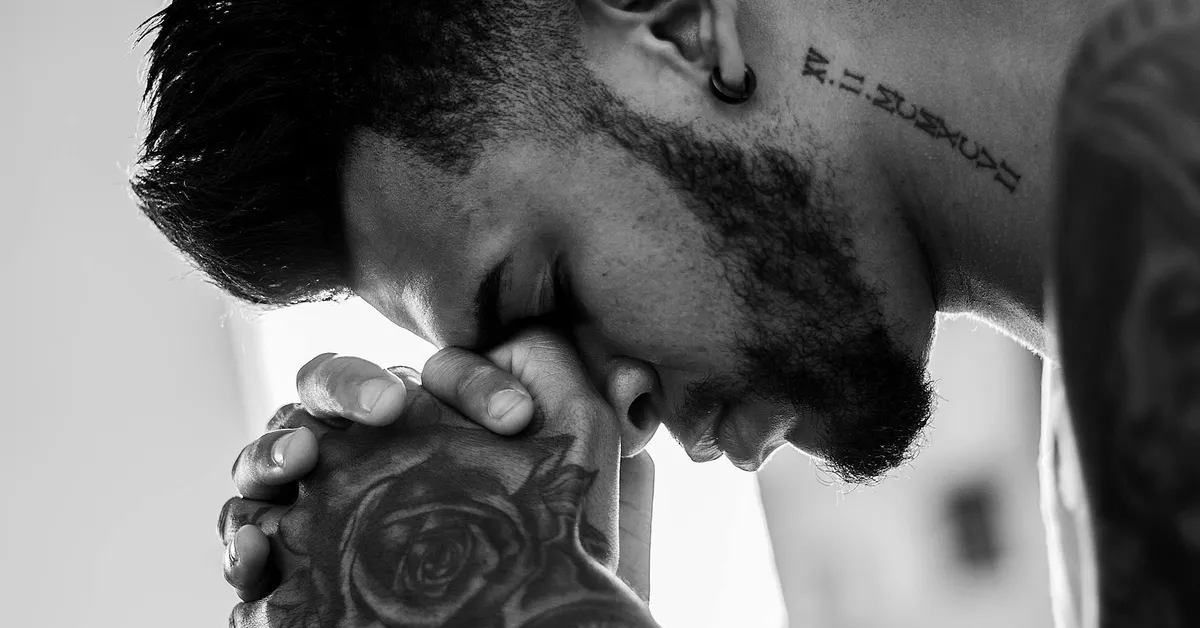
I’ve seen countless clients walk into my studio clutching photos of old flames inked into their skin. The desire to erase these marks is never just about the ink itself. The primary driver for breakup tattoo removal is the profound psychological need to sever a visual and permanent link to a painful past. It’s about reclaiming your own skin as your own story, not a shared one. This is a journey toward complete tattoo removal, a process that honors your path to a fresh start. Each step you take in this journey helps you redefine what your skin means to you.
The motivations are deeply personal, but they often fall into a few clear categories.
- Emotional Detachment: A name or symbol can act as a constant trigger. Every glance in the mirror can bring back a flood of memories, good and bad. Removing it is a powerful step toward closing that chapter for good.
- New Beginnings: Starting a new relationship with a visible tribute to an ex can create tension and insecurity. I’ve had clients tell me their new partner never explicitly asked for removal, but they felt it was necessary to move forward with a clean slate.
- Personal Evolution: The person you were in that relationship is often not the person you are now. The tattoo can feel like a relic, a marker of a version of yourself you’ve outgrown. Its removal signifies personal growth.
- Bad Art, Bad Decisions: Let’s be honest, some of these tattoos were impulsive. Rushed into during the “honeymoon phase,” the quality might be poor, or the design itself now feels cringe-worthy. The end of the relationship just removes the sentimental veil that made you tolerate it.
- Professional and Social Image: A highly visible name or couples-themed tattoo can attract unwanted questions or judgments in professional or social settings. Removing it simplifies your public presentation.
From my own experience, I removed a small, matching symbol from my wrist after a significant breakup. The day it was finally gone felt like a physical weight had been lifted, a tangible release from an emotional anchor.
How Tattoo Removal Works: Methods and Realities
Understanding the process is key to managing expectations. Tattoo removal isn’t a magic eraser. It’s a medical procedure that breaks down ink particles so your body’s immune system can carry them away. This takes time. Here’s a brief look at the tattoo removal process, explained. Knowing the steps helps you plan and set expectations.
Laser Tattoo Removal: The Gold Standard
As a practitioner, laser removal is the only method I trust and use professionally. It’s precise, effective, and when performed correctly, the safest option for complete clearance.
The laser works by emitting specific wavelengths of light that pass harmlessly through your skin but are absorbed by the tattoo pigment. The laser shatters the ink into tiny fragments, which your white blood cells then gradually flush out of your body over the following weeks.
The reality of laser removal involves a few key truths.
- It requires multiple sessions, typically spaced 6-8 weeks apart. Your body needs this time to clear the fragmented ink.
- Black ink absorbs the laser light best and is the easiest to remove. Colors like green, blue, and yellow can be more stubborn and may require a different type of laser.
- The sensation is often described as a hot rubber band snapping against the skin. It’s uncomfortable, but sessions are very quick.
- Aftercare is non-negotiable. You must keep the area clean, blisters are common, and sun exposure must be strictly avoided to prevent complications and hyperpigmentation.
I always tell my clients, “You spent years, and likely a good amount of money, putting that tattoo on. Be patient with the process of taking it off.”
Risks and Realities of Tattoo Removal Creams
I need to be blunt here. I strongly advise against using over-the-counter tattoo removal creams. In my two decades of experience, I have never seen one produce acceptable, safe results. Do tattoo removal creams work? Scientific investigations have generally found little evidence of meaningful, lasting results and have noted potential risks.
These creams typically work by attempting to abrade or chemically burn the surface layers of your skin to fade the ink. Using a removal cream is essentially giving yourself a controlled chemical burn, with unpredictable and often damaging outcomes.
The risks far outweigh any perceived convenience or cost savings.
- Skin Damage: You can cause severe scarring, permanent textural changes, and hyperpigmentation (darkening) or hypopigmentation (lightening) of the skin. This damage can make future professional laser removal more difficult or even impossible.
- Ineffectiveness: The ink sits deep in the dermis, the second layer of your skin. Surface-level creams cannot reach it. At best, you’ll get slight, blotchy fading.
- Allergic Reactions: The harsh, acidic ingredients can cause blistering, rashes, and painful skin irritation. You’re applying unknown chemicals to a wound you’ve created.
- Infection: Breaking the skin’s barrier without proper sterile technique invites infection.
Unless a cream is prescribed by a dermatologist for a specific, supervised treatment, avoid them. There is no safe, effective, at-home method for tattoo removal that I can, in good conscience, recommend. The potential for lifelong scarring is simply too high a price to pay for a shortcut that doesn’t work. This is a clear example of the home remedies tattoo removal works myth, which people chase after due to anecdotal stories rather than science. In reality, at-home methods are unreliable and can cause lasting damage.
Emotional Healing and Skin Care After Removal
Navigating Self-Image Post-Breakup
Removing a tattoo linked to a past partner is more than a cosmetic procedure. You are physically separating a piece of your history from your skin, and that act carries profound emotional weight. I’ve seen clients break down in relief after their first session, finally feeling in control of their own narrative again. Memorial tattoos—whether they honor a person, a relationship, or a turning point—also carry emotional resonance that can shape the decision to remove or alter them. Navigating these choices involves not only physical healing but emotional processing and respect for what the tattoo represented, including the emotional considerations for memorial tattoos.
Your skin is a canvas for your life’s story, and a breakup tattoo can feel like a permanent error in the manuscript. Treating the removal process as an active step in your recovery transforms it from an erasure into a reclamation. I encourage my clients to view each fading session as a chapter closing, making space for new art and new memories.
- Reframe Your Narrative: Don’t think of it as “removing his name.” Think of it as “reclaiming my arm.” This mental shift is powerful.
- Practice Patience: Healing isn’t linear, and neither is tattoo removal. Some sessions will show great progress; others will feel slow. This mirrors the emotional journey.
- Celebrate Milestones: After a successful session, do something kind for yourself. You are actively investing in your future self.
Essential Aftercare for Tattoo Removal
Proper aftercare is non-negotiable. How you care for your skin immediately after a laser session directly impacts your final results and healing time. I’ve made aftercare mistakes on my own skin and learned the hard way so you don’t have to. Think of this as your aftercare guide for laser sessions—what to expect and how to care for your skin. After a session, expect some redness and sensitivity, and follow gentle cleansing and sun protection.
The treated area will feel like a bad sunburn. It might blister or swell. This is a normal immune response as your body works to flush out the shattered ink particles. Your primary goal is to keep the area clean, hydrated, and protected from the sun at all costs.
- Ice and Elevate: For the first 24-48 hours, apply a cold pack wrapped in a clean cloth to reduce swelling and soothe the heat.
- Cleanse Gently: Wash the area twice daily with a mild, fragrance-free soap and pat it completely dry with a clean paper towel.
- Moisturize Strategically: Apply a thin layer of a simple ointment like Aquaphor for the first few days, then switch to a fragrance-free lotion to keep the skin supple.
- Become a Sunscreen Fanatic: Sun exposure on healing skin can cause blistering and permanent hyperpigmentation. Use a high-SPF sunscreen every single day.
Avoid picking at any scabs or blisters. Let them slough off naturally. Picking can lead to scarring and infection, which will permanently compromise your skin and make complete removal impossible. If you have a compulsive habit, keep the area covered with a loose, clean bandage.
Trends in Breakup Tattoos and Their Removal

As a practitioner, I see patterns. The types of tattoos people get after a breakup, and subsequently want removed, follow distinct trends. Names and initials are the classic offenders, but modern breakup ink has become more symbolic and insidious.
Matching tattoos are a huge driver of removal business. Couples get the same design, often a simple symbol, a date, or a small line-work piece. When the relationship ends, that once-cute matching symbol becomes a constant, irritating reminder of a broken bond. I’ve removed countless minimalist waves, mountains, and infinity symbols for this exact reason.
- The “Portrait Purge”: Thankfully less common now, but portrait tattoos of an ex are a top removal request. Laser technology has advanced to the point where we can often remove these with impressive results.
- Date Disasters: Wedding dates, anniversary dates, or the day they met. These numbers are deeply embedded with meaning, and their removal is a high priority.
- Cover-Up Conversions: Many clients opt to have their old breakup tattoo lasered just enough to lighten it, creating a clean slate for a magnificent new cover-up tattoo that represents their current life.
The rise of fine-line and finger tattoos has also created a new wave of removal clients. These delicate tattoos often don’t age well on their own, and when combined with a breakup, they become the first thing a person wants gone. The good news is that black ink in these small, fine designs is often some of the easiest to remove completely. For those with dark skin, this is addressed in a complete guide to removing black ink. It also covers what to expect during treatment, along with safety, timing, and aftercare tips.
Frequently Asked Questions
Is post-breakup tattoo removal common in Arizona?
Yes, post-breakup tattoo removal is a frequent request in Arizona, with many specialized clinics in cities like Phoenix and Tempe offering consultations and treatments tailored to those seeking a fresh start after a relationship ends.
What can I find on Reddit about post-breakup tattoo removal?
On Reddit, you’ll find community-driven discussions where people share personal stories, recovery tips, and emotional support for post-breakup tattoo removal, helping others feel less alone in their journey to erase symbolic ink.
How does GoFundMe help with post-breakup tattoo removal costs?
GoFundMe campaigns sometimes emerge to help cover the expenses of post-breakup tattoo removal, as individuals share their stories to garner financial support from friends, family, and sympathetic strangers for this personal transformation.
Closing Words
Removing a tattoo after a split is a powerful act of self-reclamation, a visual declaration that you are moving forward. This choice is deeply personal, and your feelings are completely valid. Seeing this trend play out in the public eye simply shows you’re not alone in wanting a fresh start.
My own experience with laser treatments taught me that professional removal is the only path to clean, safe results. I strongly advise against DIY methods; they often lead to permanent scarring and disappointment. Your skin deserves the care of a trained expert who can guide you properly through the process.
Further Reading & Sources
- Love Fades, and So Can Ink: Removing Tattoos After a Breakup – Ink Today Gone Tomorrow
- 10 Celebrities Who Covered Up Ex-Inspired Tattoos After Breakups | Allure
Ink Fade Lab is your trusted source for tattoo removal insights, combining expert knowledge with compassionate care to help you make informed decisions about your tattoo journey. Based on years of experience in the tattoo removal industry, we are dedicated to providing accurate, up-to-date information to support your choices.
Celebrity Tattoo Removal