
Removing Minimalist Tattoos: Small but Complex Removals
Published on: March 20, 2026 | Last Updated: March 20, 2026
Written By: Ashita no Joe
Have you ever assumed your tiny, minimalist tattoo would fade away easily, only to find it clinging stubbornly to your skin?
I’ve handled countless removals in my career, and I’ll give you the honest, clear guidance you need. This article will break down why small designs are deceptively tough, compare professional removal techniques, and share my personal insights on achieving clean, healthy skin again.
What Defines a Minimalist Tattoo and Why Remove It?
A minimalist tattoo is defined by its simplicity. Think fine lines, single-needle work, geometric shapes, and subtle shading. These designs often rely on negative space and precision rather than bold, solid fills. They are the quiet whispers in a room of shouts.
From my own studio, I’ve seen clients seek removal for tattoos that are technically perfect. The reasons are deeply personal and often surprising. Permanence is science: ink resides in the dermis, where it can endure for years. Removal relies on breaking down pigment with precise techniques and the body’s immune system gradually clearing the fragments.
- Professional Shifts: A small symbol on a wrist or finger becomes a concern in a conservative corporate environment.
- Relationship Changes: I’ve removed many tiny initials and dates that held a weight far greater than their physical size.
- Personal Evolution: Your taste changes. A design that felt profound at 20 might feel trivial a decade later.
- Poor Placement: A delicate design can get lost or look awkward if not placed with expert consideration for anatomy.
- Botched Execution: A “simple” design is deceptively difficult to execute. Blowouts and shaky lines on a fine-line tattoo are glaringly obvious.
The desire to remove a small tattoo is rarely about the ink itself, but about the story it no longer tells. I’ve been there myself, looking at a small, faded piece that just didn’t fit my skin’s narrative anymore.
Why Small Tattoos Present Unique Removal Challenges
Many people assume a smaller tattoo means an easier, faster removal. This is one of the most persistent and dangerous myths in our industry. Their compact nature creates a distinct set of hurdles. Yet small tattoo removal costs can still carry notable expenses, especially if multiple sessions are required. Total price is usually driven by the number of sessions and ink complexity rather than size alone.
- Precision Targeting: The laser’s beam has a specific spot size. On a large tattoo, slight movement is negligible. On a tiny, fine line, any tremor can mean the laser misses the ink entirely and hits pure, healthy skin. This increases the risk of hypopigmentation (white spots) and scarring.
- Concentrated Ink Density: In a small area, the ink particles are packed tightly together. Your immune system has a harder time clearing such a dense, localized cluster of shattered pigment after each session. This can sometimes make the clearance process feel slower per square inch than a larger piece.
- Increased Thermal Risk: The laser energy is concentrated in a very small zone. This creates intense, focused heat. Without careful cooling and an expert hand, this can easily lead to blistering and textural changes in the skin.
- The “Ghosting” Phenomenon: With minimalist tattoos, you are often dealing with very shallow ink placement. The laser can break down this ink, but sometimes a faint shadow or “ghost” of the original design remains permanently. This is the original trauma to the collagen, and it’s often more visible on a bare patch of skin than it was when filled with ink.
- No Room for Error: There is no margin for a bad laser session. A mistake on a large tattoo might be blended into the overall design. A mistake on a one-inch symbol is the entire tattoo. The technician’s skill is paramount.
Removing a minimalist tattoo is like a watchmaker performing micro-surgery, not a construction worker with a sledgehammer. It demands a higher level of finesse, better technology, and immense patience from both the artist and the client.
Laser Tattoo Removal: The Gold Standard for Minimalist Ink
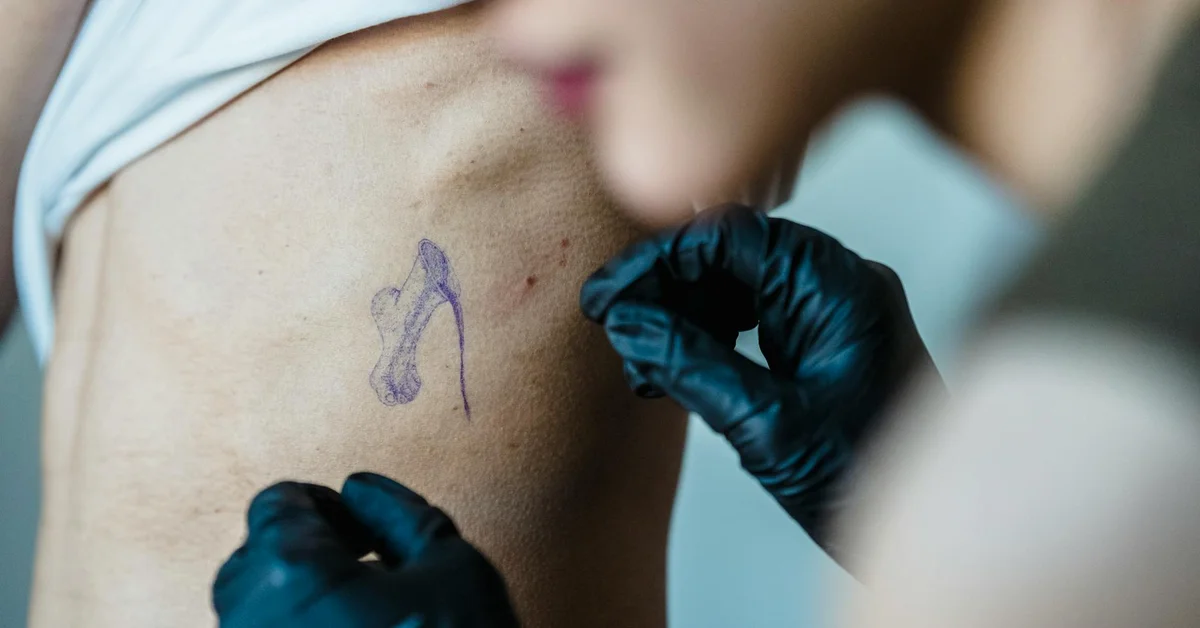
Effectiveness Based on Ink Colors and Tattoo Design
Not all minimalist tattoos fade at the same rate. The removal process is a direct battle between laser light and ink pigments, and the color of your tattoo dictates the weapons we use. Black and dark grey ink absorbs all laser wavelengths, making it the easiest and fastest to eliminate. I’ve seen fine-line black tattoos disappear in just a few sessions.
Colored ink is a different story. Green and blue require a specific laser wavelength to target them, which often means more sessions. Reds and yellows can be the most stubborn, sometimes turning a murky brown before fully clearing. Simple designs with plenty of skin-break are your best-case scenario. Solid blocks of color or tattoos packed too densely require the laser to shatter a larger mass of ink, which can prolong the process.
Managing Pain and Skin Healing with Topical Numbing
Let’s be direct: laser removal stings. People often say it feels like hot bacon grease splattering on the skin. For small tattoos, the discomfort is brief but intense, and using a strong topical numbing cream is non-negotiable for a tolerable experience. For those checking the best numbing creams for laser tattoo removal, it’s worth comparing onset, duration, and safety across options. In this guide, I share the go-to choices and how I apply them for consistent results. I apply it myself before any removal procedure on my clients.
Apply a thick layer of a prescribed or high-potency lidocaine cream to the area about 60-90 minutes before your appointment, covering it with cling film. This allows the numbing agent to deeply penetrate the skin. Proper numbing doesn’t just manage pain; it keeps you still, which allows for more precise laser targeting and better results. The immediate after-sensation is a warm, sunburned feeling that typically fades within hours.
Exploring Non-Laser Removal for Simple Tattoos
When Surgical Removal Makes Sense for Tiny Tattoos
Laser is fantastic, but it’s not the only tool. For very small, isolated tattoos-think a single tiny star or a pair of initials-surgical excision can be a one-and-done solution. Surgical removal physically cuts the tattoo out of the skin, guaranteeing complete ink removal in a single visit. This is my go-to recommendation for tattoos smaller than a pencil eraser. If you’re looking at a tiny tattoo removal guide, this option is often highlighted for the smallest designs. We’ll compare it with laser in such guides to help you decide what fits best.
The procedure involves numbing the area and cutting out the tattooed skin, then stitching the wound closed. You trade a series of laser sessions for a single procedure and a linear scar, which many find preferable to a prolonged removal journey. It’s especially worth considering when partial tattoo removal isn’t sufficient. The key is that the tattoo must be small enough for the surgeon to close the resulting wound without tension. I’ve chosen this method for a small tattoo on my own finger with perfect results.
Saline Tattoo Removal: A Conservative Approach
Saline tattoo removal is a lesser-known but effective alternative, especially for those with sensitive skin or allergies to laser. This method uses a hypertonic saline solution that is tattooed into the skin, which works by drawing the ink out through osmosis. It’s a much gentler process on the surrounding tissue. This saline removal guide walks you through the method and process, from preparation to aftercare. It also outlines what to expect during each step.
Think of it like using salt to draw moisture out of a slug. The saline solution pulls the ink particles up to the skin’s surface, where they form a slight scab and flake away over days. Saline removal is significantly slower than laser and requires more repeated sessions, but it poses almost zero risk of hypopigmentation (skin lightening). I use it for clients who want to avoid lasers near delicate areas like the face or for tattoos that have already been over-worked.
Critical Aftercare to Minimize Scarring and Speed Healing
Your behavior after a removal session is just as critical as the procedure itself. Immediately after treatment, your goal is to manage inflammation and prevent infection. I instruct all my clients to apply a cold compress for 15-minute intervals and keep the area slathered in a thin layer of antibiotic ointment for the first 3-5 days.
Blistering is a normal part of the healing process-it’s a sign your immune system is responding. Do not pop the blisters; you are creating an open doorway for bacteria and increasing your risk of scarring. Let the blisters subside and the skin peel naturally.
- Gently wash the area twice daily with fragrance-free soap and pat it dry.
- Apply a recommended healing ointment consistently to keep the wound moist.
- Wear loose, breathable clothing over the treated area to avoid friction.
- Avoid submerging the area in pools, hot tubs, or baths until fully healed.
The most important long-term rule is sun protection. Freshly lasered skin is hyper-vulnerable to UV damage, and sun exposure can cause permanent discoloration that is harder to fix than the original tattoo. Use a high-SPF, zinc-based sunscreen on the area every single day, even when it’s cloudy. I’ve seen perfect removal results ruined by a single sunburn, so do not skip this step. After a removal session, the skin is especially UV-sensitive during healing. Keep up daily sun protection for weeks to preserve the fading and prevent new discoloration.
Cost Factors and Choosing the Right Professional Clinic
Many assume a tiny tattoo means a tiny price tag for removal. That is not always the case. The cost is dictated more by the clinic’s technology and the artist’s original technique than the tattoo’s footprint. A small, dense black tattoo can demand more sessions than a larger, shaded piece.
What Drives the Price of Removal
- Laser Technology: Pico-second lasers are the modern standard, often commanding a higher price per session than older nano-second models due to superior results and reduced skin trauma.
- Color Palette: Black and dark blue inks absorb laser light most effectively. Stubborn colors like green, yellow, and fluorescent hues require specialized wavelengths and more sessions, increasing the total cost.
- Ink Density and Scarring: A minimalist design packed with heavy ink or placed over existing scar tissue will resist treatment. I have seen fine-line tattoos that were deeply embedded take longer to clear than expected.
- Clinic Expertise and Location: A board-certified professional in a major metropolitan area will cost more than a med-spa technician. This is one area where you truly get what you pay for.
How to Vet a Removal Clinic
Do not just pick the cheapest option. Your skin’s health is on the line.
- Schedule a consultation. A reputable clinic will insist on one. They should examine your tattoo, discuss your skin type, and set realistic expectations.
- Ask to see before-and-after photos of their work, specifically with tattoos similar in size and color to yours.
- Verify the technician’s certifications and inquire about the specific laser models they use. Modern pico-second lasers are a good sign.
- Trust your gut. If the staff seems dismissive or makes unrealistic promises, walk away.
Investing in a skilled professional from the start prevents costly corrections for scarring or incomplete removal later. I learned this the hard way with an early tattoo; a budget removal left a shadow that a more expensive clinic later had to fix.
Weighing Cover-Up Options Against Complete Removal

When a tattoo no longer suits you, you face a crossroads: erase it completely or transform it into something new. This decision is deeply personal and hinges on your ultimate vision for your skin.
The Case for a Cover-Up Tattoo
- Faster Resolution: A cover-up can often be completed in one or two sessions, whereas full removal is a multi-session process spanning a year or more.
- Creative Transformation: This is an opportunity to work with a talented artist to create a piece you will love, using the old tattoo as a foundation.
- Potential Cost Savings: A single, well-executed cover-up can be less expensive than the full series of laser treatments needed for complete removal.
The main drawback is that a cover-up will always be larger and darker than your original tattoo to effectively mask what is underneath. Your design options become more limited.
The Path to Complete Removal
- A Clean Slate: Removal gives you a true blank canvas. Your skin can return very close to its original state, freeing you from any design constraints.
- No Compromises: You are not forced into a larger or darker design. If you want another small, delicate piece in that spot, removal is your only option.
- The Commitment: This route demands patience. You must wait 6-8 weeks between sessions for your body to flush the ink, and the entire process requires strict sun avoidance and aftercare.
A Hybrid Approach: Strategic Laser Lightening
This is a powerful middle ground that many overlook. We often use a few laser sessions not for full removal, but to sufficiently fade a tattoo, making it a manageable base for a cover-up. This tactic dramatically expands your cover-up design possibilities, allowing for lighter colors and more intricate detail work that would be impossible over a dark, un-faded tattoo. I frequently recommend this strategy to clients who want a specific cover-up design that their current tattoo would not otherwise permit.
Frequently Asked Questions
Can I remove a minimalist tattoo using natural methods?
Natural methods like topical creams or home remedies are often sought after but are generally ineffective for tattoo removal, as they cannot penetrate deeply enough to break down ink particles and may risk skin irritation or scarring without providing significant results.
How long does the healing process take after minimalist tattoo removal?
Healing time typically involves initial blistering and peeling within the first week, with surface recovery in 2-4 weeks, but full internal healing and ink clearance can extend over several months, depending on aftercare and individual skin response.
What are the limitations of non-laser removal for small tattoos?
Non-laser options like surgical excision or saline removal are not universally suitable; excision works only for very small tattoos and leaves a linear scar, while saline is slower and may not fully remove deeply embedded ink, making them best for specific cases rather than all minimalist designs. For more detailed information about alternatives to laser removal, you can check out our guide to tattoo removal without laser.
Closing Words
Minimalist tattoos demand a maximalist approach to removal. Their small size and precise lines require a technician with a steady hand and an expert understanding of laser physics to avoid collateral damage to your surrounding skin. I’ve seen firsthand how a rushed job on a tiny script can leave a blurry shadow, a permanent reminder of a removal gone wrong.
Your best path forward is a consultation with a seasoned removal specialist. This is an important step on your journey to complete tattoo removal. Think of it as progress toward your goal. They will assess your specific ink, skin type, and the tattoo’s placement to craft a realistic removal roadmap. Trust the process, have patience, and you can successfully clear the slate.
Further Reading & Sources
- Small Tattoo Removal – Everything You Need to Know | Removery
- Minimalist Tattoo – Monolith Studio Brooklyn, NYC
Ink Fade Lab is your trusted source for tattoo removal insights, combining expert knowledge with compassionate care to help you make informed decisions about your tattoo journey. Based on years of experience in the tattoo removal industry, we are dedicated to providing accurate, up-to-date information to support your choices.
Laser Tattoo Removal