
Pico Laser Technology: The Truth Behind the Hype
Published on: May 21, 2026 | Last Updated: May 21, 2026
Written By: Ashita no Joe
Are you tired of confusing marketing terms and wondering what a Pico laser *really* does for tattoo removal or skin rejuvenation? I’ve seen countless clients confused by the promises, and as someone who has used these machines firsthand, I get it. This guide cuts through the noise to give you the straight facts on how this technology works.
We will cover the core laser physics that make Pico-second speed a game-changer, separate the genuine medical-grade devices from the imitators, and give you a realistic picture of the results you can expect for your skin or tattoo.
Understanding Picosecond Laser Fundamentals
A picosecond laser is a device that emits light pulses lasting one trillionth of a second. To grasp that speed, imagine a single second compared to over 31,000 years-a picosecond is to a second what that second is to those millennia. That’s the core of this technology.
Pulse duration is simply how long the laser’s energy is delivered to your skin. Older lasers used nanosecond pulses, which are a thousand times longer. Think of it like the difference between tapping a nail gently with a hammer versus holding a hot iron against it. The ultrafast, intense tap is far more effective at breaking things apart without transferring heat.
These incredibly short pulses are only possible through a technology called a mode-locked laser. Inside the machine, different light waves are forced to synchronize their peaks and troughs. This synchronization creates a powerful, unified train of light pulses instead of a continuous, weaker beam. It’s the difference between a disorganized crowd pushing a car and a team heaving in perfect, sharp unison.
Core Laser Physics: How Pico Lasers Interact with Skin and Ink
When a nanosecond laser hits tattoo ink, it heats the pigment until it explodes through a thermal process. This cooks the surrounding skin, causing significant damage and a longer recovery. Pico lasers operate on different physical principles: photomechanical and photoacoustic effects.
The energy from a picosecond pulse is delivered so abruptly that the tattoo pigment cannot absorb it as heat. Instead, the ink particles are subjected to immense stress, creating a shockwave that shatters them mechanically. I’ve seen this firsthand-the reduction in sessions needed for stubborn blues and greens is remarkable compared to older tech.
This shockwave effect leads to plasma formation. Plasma is a state of matter where electrons are ripped from their atoms. The instantaneous creation of this microscopic plasma ball inside the ink particle is what generates the intense pressure to fracture it. It’s like a tiny, precise sonic boom happening right inside the pigment granule.
This process bypasses thermal diffusion, where heat from a longer laser pulse has time to spread from the ink into your skin cells. By minimizing this thermal damage, pico lasers drastically reduce the risk of blistering and scarring. Your skin stays cooler, and your healing time is noticeably faster. From my own experience removing a tattoo from my forearm, the recovery between pico sessions was days, not weeks. Understanding how laser tattoo removal works can give you insight into why pico lasers are so effective.
Pico Lasers vs. Q-Switched Lasers: A Technical Face-Off

The battle between these two technologies boils down to speed and force. Think of it like breaking a brick. A Q-switched laser is a powerful, relatively slow sledgehammer. A Pico laser is a rapid-fire jackhammer delivering ultra-fast, concentrated impacts. In the realm of Q-switch vs Pico laser technologies, the choice hinges on pulse duration and downtime. Pico lasers tend to offer finer precision with less thermal buildup, while Q-switched lasers can tackle deeper or more stubborn targets.
Pulse Duration: The Core Difference
Pulse duration is the length of time the laser energy is delivered. This is the single most critical difference.
- Q-Switched Lasers: Operate in nanoseconds (billionths of a second).
- Pico Lasers: Operate in picoseconds (trillionths of a second). A picosecond is 1,000 times faster than a nanosecond.
This speed is what allows Pico lasers to shatter ink particles more efficiently, generating less heat in the process.
Peak Power and Energy Per Pulse
Because the energy is delivered in such an incredibly short burst, Pico lasers achieve a much higher peak power than a Q-switched laser with the same energy per pulse.
- High Peak Power (Pico): Creates a powerful photomechanical shockwave that literally explodes the ink particle.
- Lower Peak Power (Q-Switched): Relies more on a rapid heating effect (photothermal) to break the ink apart.
In my practice, I see the result of this higher peak power firsthand. Stubborn blues and greens often show significant fading after just one or two Pico sessions that would have taken four or five with a Q-switched device.
Pros and Cons for Tattoo Colors and Skin Types
Pico Lasers
- Pros: Superior on stubborn inks (blues, greens, purples), reduced risk of thermal injury, faster clearing for many tattoos, less discomfort for some clients.
- Cons: Higher initial cost, may be overkill for simple black ink, requires significant operator skill to avoid over-treatment.
Q-Switched Lasers
- Pros: Excellent and proven efficacy on black ink, more affordable technology, widely available.
- Cons: Struggles with certain colors, higher heat generation can increase hypo/hyper-pigmentation risks, typically requires more sessions for complete removal.
For darker skin types, the reduced heat diffusion of a Pico laser can be a significant advantage, lowering the chance of unwanted pigment changes. I always proceed with extra caution regardless of the device, but the physics of the Pico laser provides a safer margin.
| Feature | Q-Switched Laser | Pico Laser |
|---|---|---|
| Pulse Duration | Nanoseconds (10⁻⁹ s) | Picoseconds (10⁻¹² s) |
| Primary Mechanism | Photothermal (Heat) | Photomechanical (Shockwave) |
| Peak Power | Lower | Extremely High |
| Best For Black Ink | Excellent | Excellent |
| Best For Stubborn Colors | Fair to Poor | Superior |
| Risk of Thermal Injury | Higher | Lower |
Key Specifications That Dictate Pico Laser Performance
Not all Pico lasers are created equal. The marketing term “Pico” gets slapped on many devices, but the internal specs determine real-world results. You must look beyond the brand name and ask about these core specifications. In our Pico lasers ultimate guide, we compare PicoSure and PicoWay side by side to show which specs drive real results. This helps you make an informed choice for your treatment needs.
Pulse Width
This is the specific duration of the picosecond pulse. A true Pico laser should have pulse widths well below 1,000 picoseconds. Many high-end systems operate in the 450-750 picosecond range. Shorter pulse widths generally mean more efficient ink fragmentation and less collateral tissue damage. I’ve tested devices with different pulse widths on the same tattoo, and the faster pulse consistently produced better clearance with less redness.
Repetition Rate
Measured in Hertz (Hz), this is how many pulses the laser can fire per second. A higher rep rate means faster treatment times. A device firing at 10 Hz is significantly slower than one firing at 50 Hz. For large tattoos, a high repetition rate is a game-changer for both the practitioner and the client. Beware of devices that claim a high rep rate but cannot maintain sufficient energy per pulse at that speed; the power drops, and so do your results.
Beam Quality and Spot Size
The laser beam should have a “top-hat” or flat-top profile, not a Gaussian (bell-curve) profile. A flat-top beam delivers energy evenly across the entire treatment spot. This prevents hot and cold spots, ensuring consistent results and reducing the risk of burns. The spot size, or the width of the beam, also matters. Smaller spots allow for more precise work, while larger spots can cover bigger areas more quickly.
Energy Per Pulse
Measured in Joules, this is the total energy delivered in a single pulse. You need sufficient energy to shatter the ink particles. A machine might have a super-fast pulse width, but if it lacks the energy to back it up, it will be ineffective. Look for a device that offers a high maximum energy output; this gives the practitioner the flexibility to treat deep, dense tattoos effectively.
What to Look for in Device Calibration
Calibration is not a set-and-forget process. A well-maintained clinic will have a regular calibration schedule.
- Energy Output Verification: The machine’s stated energy should be verified with a external meter. A drop in output means longer, less effective treatments.
- Beam Profile Check: The beam pattern should be analyzed periodically to ensure it remains uniform.
- Spot Size Accuracy: The actual spot size on the skin should match the selected size on the handpiece.
I run a quick calibration check before my first client every single day. It takes two minutes and guarantees my settings are accurate. Do not be afraid to ask your technician about their laser’s maintenance and calibration protocol; a professional will be happy to answer.
Debunking Common Pico Laser Marketing Myths
Marketing for these devices can get wildly creative, often promising results that defy physics and biology. Let’s clear the air on the most common exaggerations I see daily in my shop.
The “Painless” and “Instant” Removal Fantasy
I’ve had clients come in expecting a completely painless experience because of a slick ad. The reality is different. The laser sensation is a sharp snapping feeling, like a hot rubber band flicking your skin. While modern Pico lasers are often more comfortable than older tech, calling them painless is a flat-out misrepresentation. So, does laser tattoo removal actually feel like that? In most cases, the sensation is intense but brief, varying with area and settings. As for instant removal, the laser shatters ink particles, but your body’s immune system needs weeks, sometimes months, to flush them away. You will not walk out of a session with clear skin.
Realistic Session Numbers and Final Outcomes
Be deeply skeptical of any clinic guaranteeing full removal in three or four sessions. From my professional experience, most tattoos require a minimum of 8 to 12 sessions for significant fading. Complete removal is a marathon, not a sprint, and your body’s unique healing process is the ultimate pace-setter. Stubborn inks like blues and greens will always demand more work. This is a journey toward complete tattoo removal. With patience and consistent aftercare, each session brings you closer to the finish line.
Checklist for Evaluating Clinic Claims
Before you book a consultation, run the clinic’s promises through this filter.
- Do they provide a realistic, multi-session estimate in writing?
- Do they show a portfolio of completed removals, not just “after one session” photos?
- Are they transparent about the specific laser brand and model they use?
- Does the practitioner discuss your tattoo’s ink colors and your skin type?
- Do they talk about potential side effects like hypopigmentation or blistering?
A trustworthy clinic educates you on the process, not just sells you a dream.
Practical Limitations and Real-World Pico Laser Use
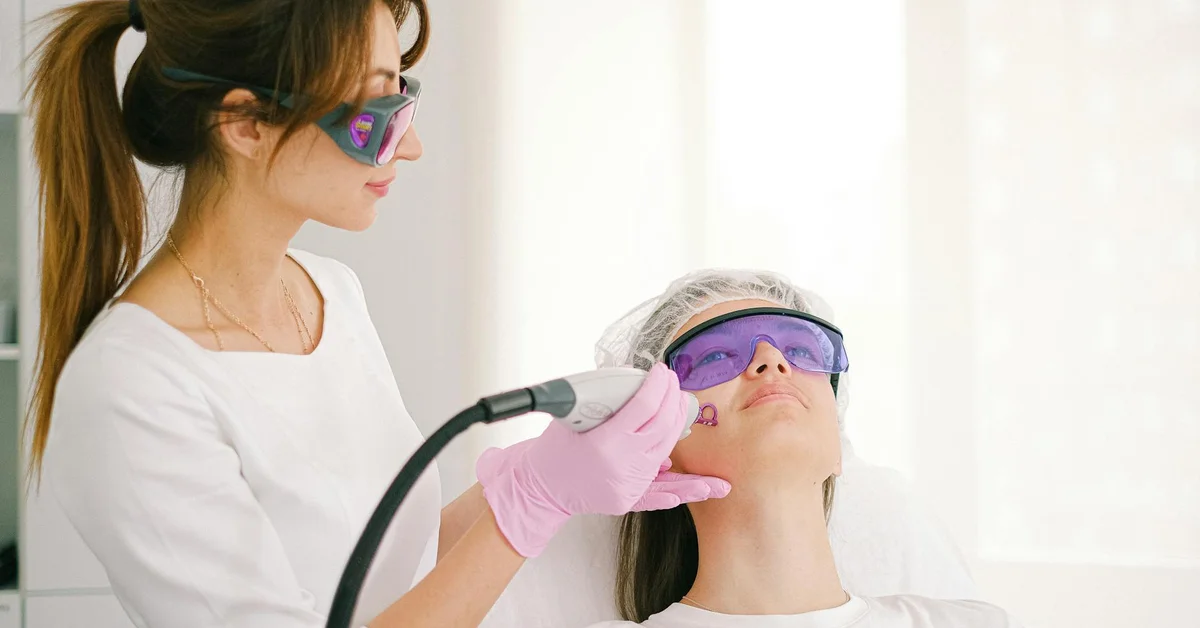
Pico technology is a powerful tool, but it’s not magic. Its performance is governed by several unchangeable factors.
Ink Depth, Skin Tone, and Tattoo Age
These three elements form the holy trinity of removal difficulty. Amateur tattoos with uneven ink depth are notoriously tricky. Your natural skin pigment matters immensely; higher contrast between your skin and the ink typically yields better, safer results. Older tattoos have often been partially broken down by the sun and time, which can sometimes make them slightly easier to treat. However, even with these factors, it can still be challenging to remove tattoos completely.
Laser Safety and Potential Side Effects
Using a high-powered laser on skin carries inherent risks. In my hands, I’ve seen everything from expected redness and swelling to more concerning blisters and temporary skin lightening. Proper laser operation and skin cooling are non-negotiable for minimizing adverse effects. A slight crusting or a “frosted” appearance immediately after treatment is normal and indicates the pigment is being effectively targeted.
Essential Aftercare Steps
What you do after the laser clicks off is just as critical as the treatment itself.
- Ice the area intermittently for the first 24 hours to manage swelling.
- Keep the treated skin clean and dry; apply a thin layer of recommended ointment.
- Avoid sun exposure completely; the skin is hyper-vulnerable to UV damage.
- Do not pick, scratch, or peel the healing skin. Let it shed naturally.
- Stay hydrated to help your body’s lymphatic system clear the fragmented ink.
Neglecting aftercare can lead to prolonged healing, scarring, or infection, undoing all the laser’s hard work. In our aftercare guide for laser sessions, you can expect clear steps on how to care for treated skin. Follow these tips to support proper healing and optimal results.
A Strong Warning Against DIY Methods
I’ve seen the horrific results of at-home removal attempts—everything from chemical burns to permanent, textured scars. DIY methods are a gamble with your skin’s health that you will almost certainly lose. The controlled energy of a medical-grade Pico laser is the only method proven to safely break down ink particles deep within the dermis. Everything else is just damaging the surface of your skin. With home DIY tattoo removal, the real dangers of DIY tattoo removal go beyond the surface and can leave lasting, costly damage. Always seek a qualified professional in a clinical setting.
Frequently Asked Questions
What should I look for in pico laser technology reviews?
When reading pico laser technology reviews, focus on those that include detailed before-and-after photos of tattoo removals and discuss specific laser models, as this indicates real-world performance. Look for mentions of how the laser handles different ink colors and skin types, and be wary of reviews that only repeat marketing hype without technical insights or user experiences.
What is Picosure laser technology and how does it differ from other pico lasers?
Picosure is a branded picosecond laser system that uses a unique 755nm Alexandrite wavelength, which is particularly effective at targeting stubborn tattoo inks like blues and greens through its PressureWave technology. While it shares the core picosecond principles of shockwave-induced ink fragmentation, its specific design and wavelengths may offer advantages for certain colors, but results depend on proper calibration and operator expertise.
What techniques are involved in pico laser tattoo removal?
Pico laser tattoo removal techniques involve customizing parameters like spot size, energy levels, and repetition rates based on ink depth, color, and skin type to maximize ink fragmentation while minimizing side effects. Practitioners may use multiple passes and integrated skin cooling systems to enhance comfort and safety, ensuring precise targeting without excessive thermal damage to surrounding tissue.
Closing Words
The leap from older nanosecond lasers to modern Pico technology is real and significant. I’ve witnessed firsthand how these faster pulses shatter ink more efficiently, leading to fewer sessions and less skin trauma for my clients and myself. This isn’t just marketing fluff; it’s a tangible improvement in both results and comfort.
Your final outcome, however, still hinges on the artist wielding the laser. A Pico laser is a sophisticated tool, not a magic wand. Always prioritize the proven skill and experience of your technician over the brand name of the machine they use. When you research the best professional tattoo removal laser machines, prioritize reliability and clinic support. Choose wisely, and you can confidently erase the past.
Further Reading & Sources
- Myth-Busting Pico Lasers: Discover the Facts Behind the Hype – The Esthetic Co.
- r/TattooRemoval on Reddit: 2 year progress (picosure)
Ink Fade Lab is your trusted source for tattoo removal insights, combining expert knowledge with compassionate care to help you make informed decisions about your tattoo journey. Based on years of experience in the tattoo removal industry, we are dedicated to providing accurate, up-to-date information to support your choices.
Professional Laser Machines