
Chemical Peels for At-Home Tattoo Removal: A Realistic Guide
Published on: March 17, 2026 | Last Updated: March 17, 2026
Written By: Ashita no Joe
Have a tattoo you wish you could just wipe away? That feeling of looking at an old design and wondering what you were thinking is incredibly common, and I’ve been there myself.
This guide gives you the unvarnished truth about using chemical peels for tattoo removal in your own home. We will cover how chemical peels work on tattoo ink, the step-by-step process for application, the very real risks involved, and the safer alternatives you should consider first. I’ll share my own professional and personal experiences so you can make a truly informed decision.
Understanding Chemical Peels and Tattoo Ink
A chemical peel is a skin-resurfacing procedure that uses a chemical solution to remove the top layers of skin. In professional skincare, their primary role is to improve texture and appearance by forcing the skin to regenerate. I’ve used them myself for sun damage, but applying them to a tattoo is a different ballgame entirely.
Tattoo ink isn’t sitting on the surface. When a needle deposits ink, it pushes past the epidermis-the outer skin layer that constantly sheds-and embeds the pigment into the dermis beneath. The dermis is a stable, structural layer, which is precisely why tattoos are permanent; your body can’t easily shed those trapped ink particles.
The basic mechanism for tattoo fading involves chemical exfoliation. The acid in the peel works to aggressively shed the epidermis. This process can disrupt and scatter some of the more superficial ink particles, leading to a gradual, slight lightening of the tattoo’s appearance over many applications. It’s a slow sanding-down of the surface, hoping to reach the art below. This lightening can also serve as preparation for a fade tattoo cover up, giving the artist a lighter canvas to work with. A well-executed fade can improve the contrast and longevity of the new design.
How Chemical Peels Work to Fade Tattoos
Fading a tattoo with a chemical peel is a war of attrition. The chemical solution creates a controlled injury, causing the treated skin to blister and eventually peel away. This exfoliation cycle can take some pigment with it as the damaged skin cells slough off. In the broader realm of role fading tattoo removal, clients often weigh gradual lightening against the goal of full erasure. This nuance informs how we set expectations and plan follow-up sessions. I’ve watched clients go through this, and the fading is minimal at best-it’s a subtle lightening, not a clean erasure.
Penetration depth is the ultimate limiting factor. Most at-home peels are simply not formulated to reach the dermis safely. You are essentially clearing the top floor of a building, while the tattoo itself is firmly established in the basement. You might scuff the surface of the artwork, but you won’t remove its foundation. Deeper, professional-grade peels can cause significant scarring and pigment changes in an attempt to reach that depth.
Several key factors drastically affect the outcome. Darker inks, like black and navy, respond better to this kind of disruption than stubborn yellows or bright greens. An older, already-faded tattoo will always show more progress than a brand-new, densely packed one. Your skin type is also critical; darker skin tones carry a much higher risk of permanent hypopigmentation, leaving you with light spots where the tattoo used to be.
Risks and Safety Precautions for DIY Chemical Peel Use
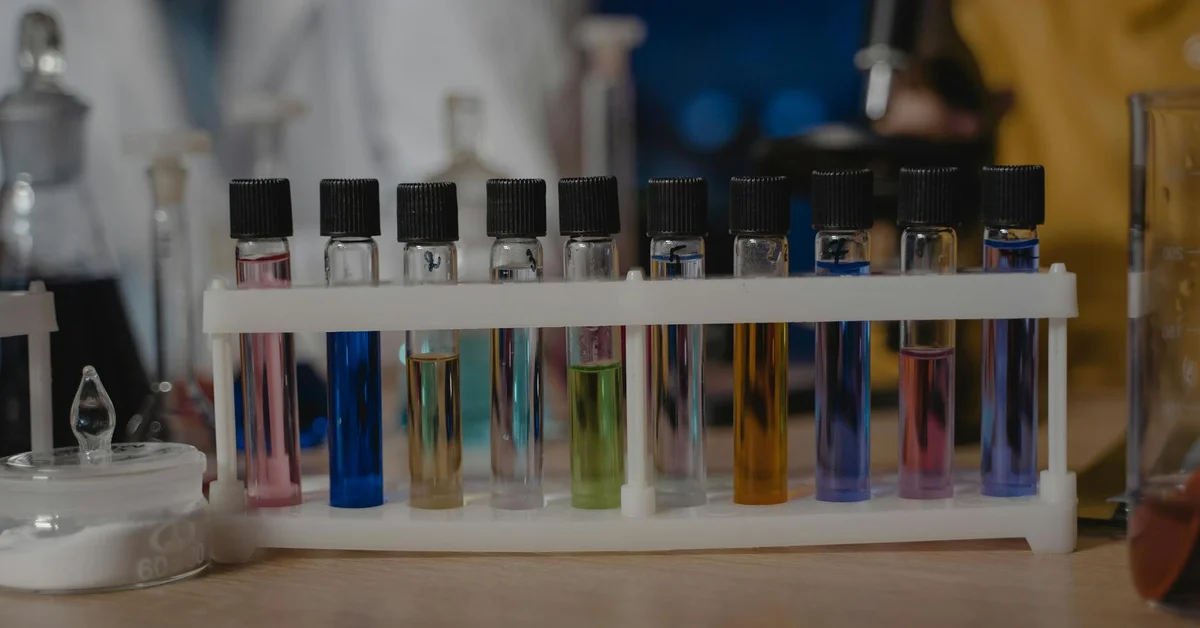
Attempting tattoo removal with a chemical peel at home carries significant risks that you must respect. Scarring is a permanent and very real possibility, especially if you use a formula that is too strong for your skin type. I have seen clients come in with textured, discolored skin from improper DIY attempts that are far more difficult to correct than the original tattoo. DIY home tattoo removal amplifies these dangers, as without professional assessment you can’t predict how your skin will react. Seek professional treatment to minimize lasting damage.
- Scarring: Aggressive acids can destroy healthy skin tissue along with the ink, leading to permanent textural changes.
- Severe Irritation: Expect redness, burning, and peeling; uncontrolled inflammation can worsen hyperpigmentation.
- Infection: Breaking the skin’s barrier opens a pathway for bacteria, which can lead to serious complications without sterile technique.
- Uneven Results: You will likely end up with a patchy, faded tattoo instead of a clean removal, which often looks worse than the original piece.
Never skip a patch test and allergy test. Your skin’s reaction to a small, hidden area is the most critical data point you will get before committing to a full application. I test every new product on myself first, a habit born from a nasty allergic reaction I had years ago.
Consulting a dermatologist or a professional removal technician before you start is non-negotiable. They can assess your skin and tattoo, providing guidance that could save you from a lifetime of regrettable skin damage. A tattoo removal clinic guide can help you understand what to expect, including how to choose a clinic and what questions to ask during a consultation.
Performing a Safe Patch Test
This simple procedure can prevent weeks of pain and permanent damage. Follow these steps meticulously.
- Select a small, discreet patch of skin without tattoos, like behind your ear or on your inner arm.
- Cleanse the area thoroughly with a gentle soap and pat it completely dry.
- Apply a tiny dab of the chemical peel solution using a clean cotton swab.
- Let the solution sit for the minimum time recommended on the product label, usually just a minute or two for a test.
- Rinse the area thoroughly with cool water and pat dry.
Watch the test area closely for the next 24 to 48 hours for any adverse reactions. Intense itching, hives, blistering, or extreme redness signal an allergy or high sensitivity. Mild redness and tingling are normal, but anything more severe means this product is not safe for you to use.
Choosing the Right Chemical Peel for At-Home Tattoo Removal
Not all acids are created equal, and selecting the wrong one will waste your time and risk your skin. Your choice must balance effectiveness with your skin’s tolerance and the tattoo’s characteristics.
- Glycolic Acid: A lighter, surface-level peel. It exfoliates the very top layers of skin. Good for a very faint tattoo but often not powerful enough to make a significant dent in pigmentation.
- Salicylic Acid: This beta-hydroxy acid is oil-soluble, allowing it to penetrate deeper into pores. It can help break up ink clusters but works best on smaller, simpler tattoos.
- Trichloroacetic Acid (TCA): This is a much stronger peel that penetrates into the middle layers of the skin. TCA is the most commonly discussed acid for at-home tattoo removal due to its potency, but it also carries the highest risk of scarring. I only use low concentrations (under 15%) and even then, with extreme caution.
Concentration is everything. Start with the lowest possible concentration, regardless of the acid type. Your skin’s health is more important than the speed of ink removal. If you have darker skin, you are more prone to post-inflammatory hyperpigmentation, making gentle glycolic or salicylic acid a safer starting point.
Types of Chemical Peels and Their Effects on Ink
Chemical peels are categorized by their depth of penetration, which directly correlates to their potential effect-and risk-on tattooed skin.
- Light Peels (Superficial): Use acids like glycolic or low-percentage salicylic. They only remove the epidermis (outer skin layer). These are best for attempting to fade very new, poorly saturated tattoos or as a preparatory step before a professional removal session. They have little effect on stubborn black or colored inks.
- Medium Peels: Typically use TCA in concentrations from 10% to 35%. They reach the papillary dermis, where most tattoo ink resides. This is the category that can actually break up ink particles, but it simultaneously poses a serious risk of scarring and hypopigmentation.
- Deep Peels: These use phenol or very high-concentration TCA and penetrate to the reticular dermis. Deep peels are absolutely not suitable for at-home use and should only be performed by a medical professional in a controlled setting. The risks far outweigh any potential benefit for tattoo removal.
Black ink generally responds best to medium-depth peels like TCA. Lighter colors like reds and yellows are notoriously difficult to budge with any at-home chemical method and often require targeted laser wavelengths.
Step-by-Step Guide to At-Home Chemical Peel Application
If you proceed after understanding the risks, this disciplined process is your blueprint for minimizing harm. Rushing or improvising will lead to failure.
- Preparation: Wash the tattooed area with a gentle, non-oily cleanser. Do not exfoliate or scrub. Shave the area if necessary, doing so at least 24 hours prior to avoid micro-cuts. The skin must be perfectly clean, dry, and free of any lotions or oils.
- Application: Put on disposable gloves. Using a new, clean cotton swab for each dip, apply a thin, even layer of the chemical solution directly over the tattoo. Do not saturate the skin or go outside the tattoo’s lines; you are not painting a canvas.
- Timing: Start with the shortest time listed on the product, often 1-3 minutes for a first session. You will feel a warm, tingling sensation. A strong burning feeling means you should stop immediately and neutralize.
- Neutralization: Have a neutralizing solution ready (often provided with the kit, or baking soda and water). The moment your time is up, liberally apply the neutralizer to stop the chemical reaction. Rinse thoroughly with cool water.
- Immediate Aftercare: Gently pat the area dry with a clean paper towel. Apply a thin layer of a plain, fragrance-free healing ointment like petroleum jelly. Do not cover it with a bandage unless specifically instructed.
Resist the urge to apply the peel more frequently than recommended, typically no more than once every 4-6 weeks. Your skin needs this full cycle to heal and regenerate. Over-application is the fastest route to scarring and will not speed up ink removal.
Aftercare and Healing for Chemical Peel Tattoo Removal
Your skin is in a vulnerable state after a chemical peel treatment. Proper aftercare is not optional-it is the single most important factor in how your skin recovers and how effective the removal process will be. I have seen fantastic results derailed by simple aftercare mistakes.
Crucial Aftercare Steps
- Sun Protection: Your new skin is extremely photosensitive. Apply a high-SPF, broad-spectrum sunscreen every single day, even if you are indoors. A sunburn on healing tattooed skin can cause permanent hyperpigmentation, trapping the ink under a dark shadow.
- Gentle Moisturizing: Use a fragrance-free, hypoallergenic moisturizer like pure aloe vera gel or a basic ointment recommended by your dermatologist. This keeps the healing skin supple and prevents scabbing, which can pull ink out unevenly.
- Avoid All Irritation: Do not pick, scratch, or exfoliate the treated area. Let the skin peel naturally. Avoid strenuous exercise that causes excessive sweating for at least 48 hours. Do not use harsh soaps or skincare products on the area.
The Skin Healing Timeline
Your skin will go through distinct phases. Expect the area to feel tight, look red, and potentially swell for the first two to three days, much like a superficial burn. Around day four or five, the skin will begin to dry out and peel. This peeling can last for up to a week.
Underneath, you will reveal fresh, pink skin that is very tender. This new skin will slowly return to its normal tone over the next four to eight weeks. The complete healing of the deeper skin layers takes time, which is why you must wait a minimum of 4-6 weeks between sessions.
Signs of Complications
While some redness is normal, you need to watch for signs of a serious problem. If you experience severe, spreading redness, intense pain, pus, yellow crusting, or a fever, stop everything and contact a doctor immediately. These are signs of a severe infection or a chemical burn that has gone too deep. Do not try to treat a significant infection at home.
Comparing At-Home Chemical Peels to Professional Tattoo Removal

Let’s be brutally honest about how DIY methods stack up against the pros. I have tattoos I’ve lasered off and others where I’ve tried less invasive methods; the difference in process and result is like night and day.
| Factor | At-Home Chemical Peel | Professional Laser Removal |
|---|---|---|
| Effectiveness | Superficial ink fading. Best for very old, already-faded tattoos. Seldom achieves complete removal. | Targets deep dermal ink. The gold standard for significant lightening and complete removal. |
| Cost | Lower initial cost per kit, but can add up over many sessions with minimal results. | Higher per-session cost, but fewer sessions are needed for dramatic, guaranteed results. |
| Time | Lengthy process with 4-6 week waits between sessions. May require 10+ sessions for minor fading. | Sessions are 6-8 weeks apart. Most tattoos show major improvement within 3-5 sessions. |
| Safety | High risk of user error, chemical burns, scarring, and infection. You are the technician. | Performed by trained professionals with medical-grade equipment. Risk is managed and minimized. |
Position at-home chemical peels as a non-laser alternative for those who understand and accept the significant limitations. It is a slow, meticulous process for minor cosmetic adjustments, not a substitute for professional removal.
Realistic Outcomes and Managing Expectations
Hope is not a strategy when it comes to tattoo removal. You must go into this process with a clear-eyed view of what is actually possible, which is almost always fading, not erasure. The tattoo will likely become lighter and blurrier, but a ghost image will often remain. Realistic expectations for tattoo removal vary by ink, skin type, and technique. Understanding that fading, not complete erasure, is the typical outcome helps you plan for multiple sessions.
The number of sessions needed is highly variable. I’ve worked with clients who saw noticeable fading after two at-home sessions on an already-weakened tattoo, and others who did six sessions with virtually no change on a dense, professional piece. Factors like your skin tone, the tattoo’s age, ink colors, and your body’s healing response all play a role.
The final appearance is rarely a clean slate. Expect a muted, patchy version of the original tattoo, not a blank canvas. The ink fragments and disperses, which can sometimes make the design look smudged or unclear. This is a common result that many DIY users report. Manage your expectations from the start to avoid disappointment.
Frequently Asked Questions
Do chemical peels affect tattoos?
Yes, chemical peels can affect tattoos by exfoliating the top layers of skin, which may lead to slight fading or lightening of the ink over multiple applications. However, since tattoo ink is embedded deep in the dermis, the effect is usually superficial and can result in patchy or uneven fading rather than complete removal. Like other tattoo removal methods, chemical peels can carry side effects, including temporary redness, irritation, or changes in pigmentation. In some cases, scarring or patchy results may occur, underscoring the importance of consulting a professional before treatment.
Can chemical peels remove tattoos completely?
No, chemical peels are unlikely to remove tattoos completely, especially when used at home. They may fade some ink by causing controlled skin injury and exfoliation, but the risks of scarring, infection, and uneven results are high, and professional methods like laser removal are far more effective for significant or full removal. If you’re curious about chemical peels for tattoo removal, our chemical peel tattoo removal guide explains what to expect and safety considerations. It also helps you compare home vs. professional options and why full removal usually requires expert treatment.
What can I expect from chemical peel tattoo removal before and after?
Before starting, expect minimal changes and a lengthy process; after multiple sessions, you might see slight lightening and blurring of the tattoo, but it often appears patchy or smudged. Complete erasure is rare, and the healing skin may show temporary redness or peeling, with permanent results varying based on ink depth and skin type. So, what do final tattoo removal results look like? In many cases, the end result is near-total clearance or faint residual shading, with outcomes shaped by ink color and skin type.
Closing Words
At-home chemical peels are a gamble with your skin’s health, not a reliable method for tattoo removal. The risk of scarring, infection, and uneven pigmentation far outweighs any potential, and often minimal, benefit. I’ve seen the aftermath of these attempts, and the damage is almost always more permanent than the tattoo itself. DIY acid peels, including glycolic and TCA, are not safe for tattoo fading and can cause burns or lasting pigment changes. Professional options, overseen by a clinician, are the safer path.
Your safest path forward is a consultation with a professional who uses proven laser technology. Reputable tattoo removal clinics adhere to strict laser safety protocols, including proper eye protection and skin cooling, to keep you safe during treatment. Protect your skin and invest in a method that removes the ink, not your confidence. Leave the chemical solutions to the experts and focus on finding a qualified removal specialist for your journey.
Further Reading & Sources
- Chemical Peels – Effective Tattoo Removal Method? | Removery
- Tattoo Removal | American Society of Plastic Surgeons
Ink Fade Lab is your trusted source for tattoo removal insights, combining expert knowledge with compassionate care to help you make informed decisions about your tattoo journey. Based on years of experience in the tattoo removal industry, we are dedicated to providing accurate, up-to-date information to support your choices.
Non-Laser Methods