The Mike Tyson Face Tattoo: The Untold Story Behind the Ink
Published on: February 10, 2026 | Last Updated: February 10, 2026
Written By: Ashita no Joe
Have you ever looked at a tattoo and wondered not just what it means, but how it changes the person wearing it? Mike Tyson’s facial tattoo is more than just ink; it’s a landmark in pop culture that sparked conversations about identity, rebellion, and the art itself.
This guide pulls back the curtain on one of the most famous tattoos in history. We will explore the tattoo’s deep cultural meaning, its explosive impact on society’s perception of body art, and the personal story of the man who wears it.
The Story and Symbolism of Mike Tyson’s Facial Tattoo
Origin and Personal Narrative
Mike Tyson did not get his iconic facial tattoo on a whim. He has shared that the tattoo, inked by the renowned artist Victor Whitmill, represents a turning point in his life. This tattoo marked his rebirth after a period of immense personal turmoil and incarceration. I have spoken with many clients over the years who see their tattoos as armor or a new identity, and Tyson’s story is a powerful example of that. He was not just getting a design; he was etching a new chapter onto his skin.
The process itself was intense. Whitmill reportedly worked on Tyson for a solid ten hours to complete the dense, black tribal pattern. Such a lengthy, painful session on the face speaks to a profound level of commitment to the symbol’s meaning. In my own experience, tattoos acquired during pivotal life moments carry the heaviest emotional weight, making the idea of removing them far more complex than simply erasing ink.
Key Symbolic Elements
While often described as a “tribal” design, the tattoo’s symbolism is deeply personal to Tyson.
- Warrior Ethos: The pattern evokes the ferocity and resilience of a warrior, a persona Tyson embodied in the boxing ring.
- Maori Influence: The design draws clear inspiration from Maori “Ta Moko,” traditional tattoos that signify identity, heritage, and status.
- Personal Totem: For Tyson, it became a totem of survival and strength, a permanent reminder of overcoming his darkest days.
Understanding this deep symbolism is crucial because it highlights why removing such a piece is rarely just a cosmetic decision. You are confronting a piece of someone’s personal history etched into their most visible canvas.
Why Facial Tattoos Pose Unique Removal Challenges
Skin Sensitivity and Visibility Factors
Removing any tattoo requires patience, but facial work is a different ballgame. The skin on your face is in constant motion when you talk, eat, and express emotions. This constant movement and stretching can make the laser removal process more uncomfortable and affect how the ink fragments and fades. I’ve had clients describe the sensation on the cheekbone or near the eye as a sharp, snapping feeling, far more intense than on a forearm or calf. This is just one aspect of the varied sensations you might experience during laser tattoo removal.
Visibility is the other massive factor. Every session, every bit of redness, swelling, or blistering is on public display. You cannot hide the process of removing a face tattoo, which adds a significant psychological layer to the physical challenge. Social and professional perceptions are real concerns that I discuss extensively with anyone considering this path. That brings us to the central question: tattoo removal versus cover-up—which is right for you? I help people weigh visibility, cost, and long-term impact to guide the decision.
Anatomy of Facial Skin
The structure of facial skin is what makes it so tricky. It’s fundamentally different from the skin on the rest of your body.
- Thinner Dermis: The facial dermis layer, where the tattoo ink sits, is remarkably thin. This means the laser energy is closer to delicate structures underneath.
- Dense Vascular Network: Your face has a rich supply of blood vessels. This can lead to more pronounced bruising and prolonged healing times after each laser session.
- Concentration of Nerves: The high density of nerve endings is why facial tattoos hurt more to get and, in my experience, often hurt more to remove.
- Sebaceous Glands: The face has more oil-producing glands, which can influence healing and sometimes lead to textural changes if not cared for perfectly.
Laser technicians must adjust their settings with extreme precision to avoid scarring or hypopigmentation on this delicate canvas. It’s a slow, meticulous process that cannot be rushed. Attempting any form of DIY removal on facial skin is an exceptionally bad idea due to these inherent risks. In licensed tattoo removal clinics, laser safety protocols—such as strict calibration, protective eyewear, and routine equipment maintenance—are mandatory. These measures protect clients and staff and help ensure safe, effective treatments.
How Tattoo Removal Works on the Face
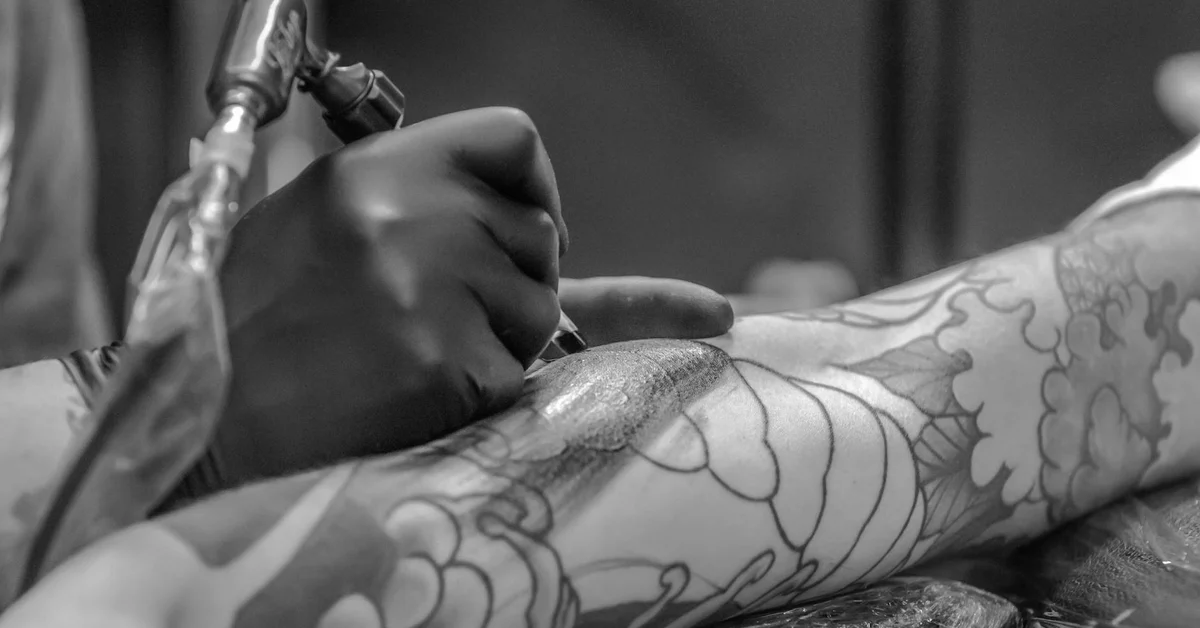
Laser Technology for Facial Ink
Removing a tattoo from the face is a completely different beast than treating one on an arm or a leg. The skin on your face is thinner, more vascular, and packed with nerve endings, which changes the entire removal game. I’ve worked on facial tattoos and the feedback from clients is always more intense. The lasers used must be incredibly precise. Because facial skin is so sensitive, proper skin-care before and after treatment is essential. Gentle post-treatment care—hydration, sun protection, and avoiding irritants—helps preserve skin health and minimize downtime.
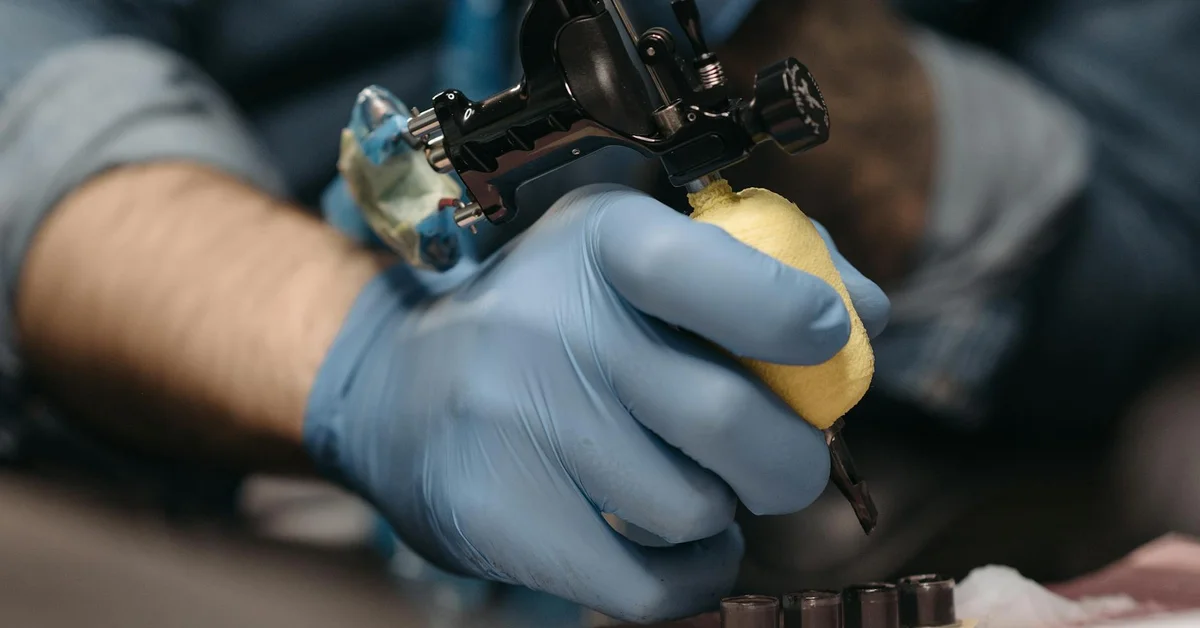
We primarily use Q-switched lasers, which fire extremely short, powerful pulses of light. The most common types are Nd:YAG and Picosecond lasers. The Nd:YAG is a workhorse, particularly effective on darker skin tones as it’s less likely to cause hypopigmentation. The Picosecond laser operates at a faster pulse, shattering ink particles into even finer fragments. Choosing the right laser is a clinical decision based on your skin tone, the ink’s colors, and the tattoo’s depth. In discussions about the best laser tattoo removal, clinicians often compare pico-second lasers to traditional Q-switched systems. Pico lasers can offer faster ink breakup and may require fewer sessions for some colors, while Q-switched lasers remain a reliable option across a broad range of inks and skin tones.
Step-by-Step Removal Process
From my chair, here’s what you can realistically expect when removing a facial tattoo. It’s a marathon, not a sprint. Progress is measured in sessions, with gradual fading after each visit. We’ll walk you through what to expect between sessions as well.
- Consultation and Patch Test: We first analyze your skin and the tattoo. A small, discreet patch is lasered to see how your skin and the ink react. This is non-negotiable for facial work.
- The Treatment Session: You’ll wear protective eyewear. I apply a cooling device to the skin. The laser handpiece is placed against your skin. Each pulse feels like a hot snap of a rubber band. A facial tattoo is more sensitive, so sessions are often shorter.
- The Immediate Aftermath: The area will look red and swollen, like a bad sunburn. Sometimes we see immediate whitening of the skin, called frosting, which subsides in minutes. Pinpoint bleeding is also common.
- The Healing Phase: This is the most critical part. You must keep the area impeccably clean. A blister or scab will likely form. Your number one job is to not pick at it, as this can lead to scarring on your most visible canvas.
- The Fading: Your immune system gets to work, slowly clearing the shattered ink particles. This fading happens over the 6-8 weeks between sessions. Full removal of a dense facial tattoo can take 10-15 sessions or more.
Let me be blunt about DIY methods. I’ve seen the damage. Using acids, salts, or at-home laser gadgets on your face is a direct path to permanent scarring and skin texture you can never fix. The face is not the place for experiments.
Mike Tyson’s Own Encounters with Tattoo Alteration
Public Statements and Perceived Changes
Mike Tyson’s relationship with his iconic facial tattoo has evolved publicly. He has never undergone full removal, but he has openly discussed altering it. In various interviews, he has referred to the tattoo as a “mistake” from his youth, a permanent mark from a time of personal turmoil.
Over the years, sharp-eyed observers have noted what appears to be lightening or softening of the tattoo’s edges. This isn’t your eyes playing tricks on you. It’s highly probable that Tyson has had laser tattoo removal sessions to fade specific parts of the design. This is a common strategy for making a tattoo less bold or for prepping it for a cover-up.
He has never publicly confirmed a specific removal procedure, which is his right. The process is personal. In tattoo removal terms, this usually involves laser sessions that gradually break down ink particles. A concise explanation of the removal process helps frame what we’re seeing. Based on the visual evidence, the work done appears to be targeted fading rather than a pursuit of complete eradication. This aligns with the practical reality of removing such a large, dark tattoo from the face-it’s a monumental undertaking. The goal is often management and refinement, not total disappearance.
Realistic Outcomes and Risks in Facial Tattoo Removal
Removing ink from the face is a different beast than from other body parts. The skin on your face is thinner, more vascular, and packed with nerve endings, which changes the entire removal equation. In practice, we rely on noninvasive tattoo removal techniques tailored for the face, such as targeted laser treatments. These approaches minimize downtime and protect the delicate facial skin. I’ve worked on clients who thought the process would be the same as their arm tattoo, and managing those expectations is my first job.
Common Side Effects and Healing
After a laser session on the face, you will experience side effects. There is no way around it. Knowing what to expect is half the battle for a successful recovery.
- Immediate Swelling and Redness: The treated area will puff up, looking like a mild bee sting reaction. This usually calms down within 48 hours.
- Blisters and Crusting: Small blisters are a normal sign that the laser energy was absorbed. Do not pop these blisters; let them heal naturally to prevent infection and scarring.
- Pinpoint Bleeding: You might see tiny dots of blood. This is superficial and part of the process.
- Hyperpigmentation: Darker skin tones are more prone to this, where the skin temporarily darkens. It often fades over several months.
- Hypopigmentation: The skin can also lighten, losing some of its natural pigment. This is a more stubborn side effect and can sometimes be permanent.
Healing is faster on the face due to better blood flow, but the initial visual impact is more intense. I always advise clients to plan for at least three days of social downtime after a session.
Minimizing Scarring and Discoloration
Scarring is the ghost you are trying to avoid. I have a small patch on my wrist from an early removal that taught me this lesson personally. On the face, the stakes are even higher.
- Choose Your Technician, Not Just the Laser: The skill of the person holding the laser is more important than the brand of the machine. An experienced professional knows how to adjust settings for delicate facial skin.
- Follow the Aftercare to the Letter: This is non-negotiable. Keep the area clean, apply the recommended ointment, and religious sun protection is your single most powerful tool against discoloration.
- Increase Treatment Intervals: Rushing the process is a recipe for disaster. Giving your skin more time to heal between sessions-often 10-12 weeks for the face-significantly reduces the risk of textural changes.
- Do Not Pick: It is tempting to scratch or pick at the flaking skin. Resist this urge with every fiber of your being. You are literally picking at a fresh wound.
Complete removal without any trace is often not realistic, especially with dense, dark ink. The goal is to fade it to a point where it is no longer a primary focal point.
The Cultural Impact of Tyson’s Tattoo on Removal Decisions
Mike Tyson’s facial tattoo did more than just decorate his skin; it became a cultural artifact. That single design shifted the entire conversation around facial ink, making it both more visible and more loaded with meaning. For many, it’s not just a tattoo; it’s “the Tyson tattoo,” and that carries weight.
Influence on Pop Culture and Self-Image
When a symbol becomes that iconic, the desire to remove it becomes complicated. It’s not just about erasing ink; it’s about shedding an identity that may no longer fit.
- The Association Factor: People who got similar tattoos were often making a statement about strength, rebellion, or a specific tribal affiliation. Removing it can feel like renouncing that part of their past.
- Shifting Personal Narratives: I’ve had clients who got a Tyson-inspired piece in their youth. Twenty years later, as professionals and parents, the tattoo no longer aligns with their self-image. The removal process is as much about internal change as external.
- Pop Culture’s Double-Edged Sword: The tattoo’s fame makes it a constant reference point. This can accelerate the decision to remove it, as the individual seeks to reclaim their face from a public symbol.
The decision to laser off a culturally significant tattoo is deeply personal. Across cultures, tattoo removal has recurred through time—from ancient rites to modern laser science. It requires confronting why you got it and why you now want it gone. Seeing removal as part of cultural history ties personal choices to a broader arc of memory and identity in both ancient and modern contexts. The laser handles the pigment, but you have to handle the meaning.
Frequently Asked Questions
Can Mike Tyson’s face tattoo be completely removed?
While complete removal of such a dense, dark facial tattoo is challenging, advancements in laser technology allow for significant fading. However, due to the ink’s depth and the sensitivity of facial skin, it often requires numerous sessions and may leave some residual ghosting or texture changes, rather than fully disappearing.
How does the symbolic meaning of Mike Tyson’s tattoo affect the decision to remove it?
The deep personal and cultural symbolism of Tyson’s tattoo, representing rebirth and warrior strength, can make removal a psychologically complex choice. Individuals may hesitate to erase such a meaningful piece, as it often feels like discarding a part of their identity, even if the tattoo no longer aligns with their current self-image or lifestyle.
Was there a lawsuit related to Mike Tyson’s tattoo that impacts tattoo removal?
Yes, tattoo artist Victor Whitmill sued Warner Bros. over the unauthorized use of a replica in “The Hangover,” highlighting copyright issues in tattoo art. Although this lawsuit didn’t directly involve removal, it emphasizes the legal and artistic value of tattoos, which can influence removal decisions by reminding individuals of the permanence and ownership tied to their ink.
Closing Words
Mike Tyson’s face tattoo is a cultural landmark, a piece of art permanently fused with his identity. His story powerfully illustrates that a tattoo’s true meaning is deeply personal, regardless of public perception. While his iconic look is here to stay, it serves as a permanent reminder to think carefully before you ink, especially on highly visible areas like the face.
If you’re considering tattoo removal, let Tyson’s commitment be your inspiration. Modern laser removal is a sophisticated, gradual process that demands patience and professional expertise. Do your research, consult a qualified specialist, and embark on your removal journey with realistic expectations and a clear plan. This is a journey toward complete tattoo removal, and with consistent care you can reach the final result. Stay patient and committed along the way.
Further Reading & Sources
Ink Fade Lab is your trusted source for tattoo removal insights, combining expert knowledge with compassionate care to help you make informed decisions about your tattoo journey. Based on years of experience in the tattoo removal industry, we are dedicated to providing accurate, up-to-date information to support your choices.
Celebrity Tattoo Removal