
Surgical Excision and Skin Graft Tattoo Removal: Your Definitive Guide
Published on: February 4, 2026 | Last Updated: February 4, 2026
Written By: Ashita no Joe
Is that tattoo you once loved now a source of regret, a constant reminder you wish you could erase? I understand that feeling intimately, having both worn and removed tattoos myself, and guided countless clients through the emotional journey of saying goodbye to unwanted ink.
This guide cuts through the confusion to give you a straightforward, expert breakdown of surgical tattoo removal. You will learn exactly how excision and skin grafts work, who is an ideal candidate, the detailed recovery process, and how to weigh the pros and cons against other removal methods. My firsthand experience ensures you get practical, no-nonsense advice you can trust.
What Exactly is Surgical Excision Tattoo Removal?
Surgical excision for tattoo removal is a procedure where a surgeon physically cuts the tattooed skin out of your body. This is a definitive, one-and-done removal method that completely extracts the ink-filled tissue. After removal, the resulting wound is typically closed with stitches, leaving a linear scar.
In cases where the tattoo is too large for a simple closure, a skin graft is necessary. This involves taking a thin layer of healthy skin from another part of your body, like your thigh, and using it to cover the area where the tattoo was removed. Tattoo removal may also involve other cosmetic procedures to refine texture and tone after healing. Your clinician can recommend additional options such as laser treatments or resurfacing to optimize results.
This process is fundamentally different from laser or dermabrasion techniques. Lasers use concentrated light beams to shatter ink particles deep within your skin, relying on your immune system to slowly clear the fragments. Dermabrasion sands away the top layers of skin. Surgical excision bypasses this gradual process entirely by removing the problem at its source-the skin itself.
I’ve performed this procedure on clients and, more personally, have had a small tattoo on my own wrist excised. The laser was struggling with a specific stubborn pigment. The excision was quick, and while the linear scar remains, it’s a clean, skin-toned line I prefer over a faded, blotchy tattoo. The sensation is not of zapping heat, but of a precise, physical absence—quite different from laser tattoo removal.
- Surgical Excision: Physical removal of tattooed skin, resulting in a scar.
- Skin Graft: Transplantation of healthy skin to cover the excision site.
- Key Difference: It’s a physical extraction, not a gradual breakdown of ink.
| Method | Mechanism | Outcome |
|---|---|---|
| Laser Removal | Breaks ink into particles for immune system to remove | Gradual fading over multiple sessions |
| Surgical Excision | Directly cuts out skin containing tattoo ink | Immediate removal, replaces tattoo with a scar |
When is Surgical Removal the Best Option?
This method isn’t a first resort for every tattoo. Surgical excision shines in specific, well-defined scenarios where other methods fall short. It’s a strategic choice, not a default one. In the tattoo removal process explained, we’ll outline how surgical excision is performed and when it’s best. This helps you compare it with other methods and set realistic expectations.
You should seriously consider surgical removal if your situation fits one of these categories:
- Small Tattoos: Ideal for tattoos under 2-3 inches in diameter that can be removed in a single elliptical cut.
- Allergic Reactions: The only way to instantly eliminate ink causing chronic itching, swelling, or granulomas.
- Failed Laser Treatments: When certain inks (especially blues, greens, or reds) prove resistant to multiple laser sessions.
- Raised Scars or Keloids: If the tattoo itself has become a raised scar, excision allows a surgeon to revise the scar tissue.
Before any procedure, a thorough preoperative assessment is non-negotiable. A qualified surgeon will evaluate three critical factors with you:
- Tattoo Size and Location: The size dictates if a simple closure or a skin graft is needed. Location affects skin mobility; tight skin on ankles or fingers makes closure harder.
- Your Skin Type and Elasticity: Surgeons assess how well your skin will stretch to close the wound and its natural healing tendency for scarring.
- Your Overall Health: Conditions that impair healing, like diabetes or circulatory issues, are major considerations.
Despite its effectiveness, surgical excision is not for everyone, and you must heed the contraindications. Avoid this path if you are prone to keloids, have a history of poor wound healing, or have an active skin infection at the site. If you are keloid-prone, tattoo removal for keloid-prone skin can carry a higher risk of scar formation. Discuss your keloid history with your clinician to choose the safest method. You should also reconsider if your tattoo is very large, as the resulting scar or graft may be more visually disruptive than the original tattoo. I always caution clients that trading a tattoo for a scar is a permanent decision that requires realistic expectations.
Step-by-Step Surgical Excision Process

This isn’t a quick zap; it’s a precise surgical procedure performed by a plastic or dermatological surgeon. You will be fully numbed with local anesthesia, ensuring you feel no pain during the operation itself.
The Core Procedure
- Anesthesia: The surgeon injects a local anesthetic directly around the tattoo. The area goes completely numb.
- Incision: Using a scalpel, the surgeon cuts around the perimeter of the tattoo, tracing its outline. They then carefully excise, or cut out, the entire piece of skin containing the tattoo ink, going down to the subcutaneous fat layer.
- Wound Closure: For smaller excisions, the surgeon can often pull the surrounding healthy skin together and close the wound with sutures. This is called primary closure.
Grafting Techniques for Larger Removals
When the tattoo is too large for a simple closure, a skin graft is necessary. I’ve seen grafts used on large chest pieces and sleeves where too much skin is removed to simply stitch together.
- Full-Thickness Skin Graft (FTSG): The surgeon removes a full layer of skin, including the epidermis and the entire dermis, from a donor site. This graft is thicker, more durable, and often provides a better color and texture match, but the donor site requires stitching closed.
- Split-Thickness Skin Graft (STSG): This technique shaves off the top layers of skin (epidermis and part of the dermis) from the donor area. It’s like taking a precise peel. This graft is thinner, more fragile, and the donor site, often the thigh or buttock, can heal on its own like a severe abrasion.
Managing the Surgical Sites
Post-op care begins the moment the surgery ends. The recipient site (where the tattoo was) is covered with a protective dressing to prevent infection and absorb any fluid. The donor site, if a graft was taken, is also dressed appropriately. For a split-thickness graft, this area can be quite painful and requires careful cleaning as it re-epithelializes.
Recovery and Aftercare: What to Expect Post-Surgery
Healing from surgical excision is a marathon, not a sprint. Your body needs significant time to rebuild the tissue and integrate a graft if you have one.
Healing Timeline and Stages
- First 48 Hours: Expect swelling, tenderness, and some oozing. This is the inflammatory phase.
- Week 1-2: Sutures may be removed. The wound begins the proliferative phase, building new tissue. A graft will start to “take” and establish a blood supply.
- Weeks 3-6: The remodeling phase begins. The scar tissue, which starts out red and raised, will gradually soften and fade. Full strength takes months.
Postoperative Care Checklist
- Keep the initial surgical dressing clean, dry, and completely intact for the time specified by your surgeon.
- Once cleared, clean the area gently with mild soap and water, patting it dry.
- Apply prescribed antibiotic ointments or moisturizers as directed.
- Absolutely avoid strenuous activity, heavy lifting, or anything that pulls on the incision for at least 2-4 weeks.
- Protect the area from sun exposure indefinitely; new scar tissue burns easily and can darken permanently.
Long-Term Scar Management
You will have a scar. The goal is to make it as minimal as possible. Consistent scar management is non-negotiable for a good cosmetic result. I advise my clients to start using medical-grade silicone sheets or gels once the wound is fully closed. Gentle massage can help break down hard scar tissue. For raised or discolored scars, consult your surgeon about options like steroid injections or laser treatments months down the line.
Pros and Cons of Surgical Excision
This method is powerful but comes with significant trade-offs. Choosing excision is a deliberate decision to trade one mark for another, hopefully a more acceptable one.
Advantages
- Complete Removal in One Session: The tattoo is physically gone immediately after the procedure. No waiting for multiple laser sessions over years.
- Effective on All Ink Types: It doesn’t matter if the ink is professional, amateur, or even resistant to laser light (like certain blues and greens). The skin containing it is removed.
- Definitive Pathology: The excised skin can be sent to a lab for analysis, which is crucial if there’s any concern about skin cancer or a reaction within the tattoo.
Disadvantages
- Guaranteed Scarring: You are replacing a tattoo with a linear or grafted scar. The cosmetic outcome is entirely dependent on surgical skill and your body’s healing.
- Longer and More Intensive Recovery: The downtime is substantially longer than a laser session. You’re dealing with a surgical wound.
- Higher Cost: Because it’s a surgery performed by a specialist, the upfront cost is typically much higher than a single laser treatment.
- Size Limitations: There’s a physical limit to how much skin can be removed and closed neatly. Very large tattoos may require massive grafts with their own complex results.
Comparing Cosmetic Outcomes
Laser removal breaks down ink, but your skin’s texture often remains unchanged; excision changes the very landscape of your skin. With lasers, you might see some hypopigmentation (lightening) or hyperpigmentation (darkening). With excision, you are dealing with a distinct scar. A well-healed linear scar from a small excision is often less noticeable than a large, blotchy area left by an incomplete laser removal. A graft, however, will always have a different texture and color than the surrounding skin, creating a patchwork effect.
Understanding Skin Grafts in Tattoo Removal
A skin graft becomes necessary when the tattoo is simply too large for the surrounding skin to be pulled together after excision. Think of it like patching a large hole in a pair of jeans; you can’t just sew the edges together, you need a new piece of fabric. This is common with very large, dense tattoos where significant skin must be removed, or in areas with little natural skin laxity. In some cases, the resulting wound requires a tattoo removal skin graft to restore coverage. Such grafts help the area heal with adequate skin function and a smoother appearance where possible.
The process involves two surgical sites. This describes a surgical approach for removing a fresh tattoo in selected cases. First, the tattooed skin is completely cut out. Then, a healthy patch of skin—the graft—is taken from a donor area, typically the upper thigh or behind the ear. This donor skin is carefully thinned and placed over the wound, where it’s stitched or stapled into position. A pressure dressing is applied to help the graft “take” and establish a new blood supply.
Many people worry the donor site will look as bad as the original tattoo. In my experience, a well-healed donor scar from a skilled surgeon is almost always less noticeable than the tattoo it replaced. The donor scar is a uniform color and texture, unlike a mismatched or poorly aged tattoo. While both sites will scar, the goal is a significant cosmetic improvement.
Cost and Practical Considerations
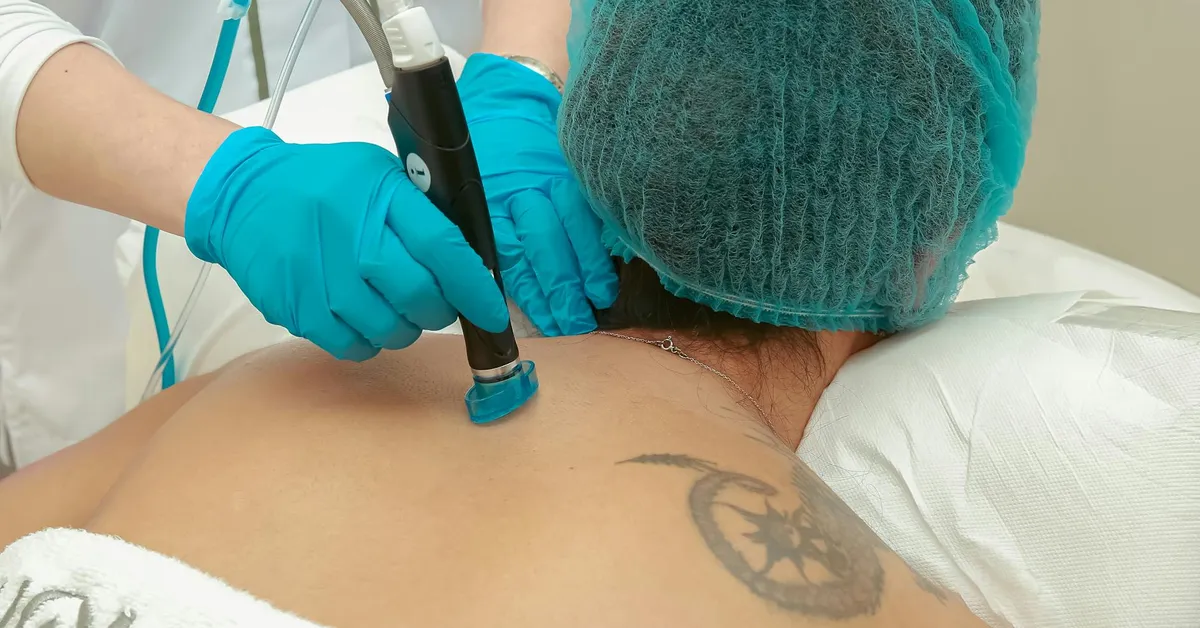
The final bill for surgical excision is not a single number. The cost is directly influenced by the tattoo’s size, its location on the body, and most critically, the surgeon’s level of expertise. A small tattoo on a flexible area removed by a dermatologist will cost significantly less than a large back piece requiring a plastic surgeon and an operating room. Smaller removals typically cost less, especially when done in-office by a dermatologist. Exact figures for small tattoo removal cost depend on ink depth and the number of sessions required.
Your search should focus on board-certified dermatologic or plastic surgeons. Look for professionals who specialize in complex skin procedures, not general practitioners. I always tell clients to review before-and-after galleries of a surgeon’s actual excision work, not just their cosmetic before-and-aftos. This proves they have specific, relevant experience.
I cannot state this strongly enough: do not let cost drive you to an unverified provider or, worse, a DIY method. Attempting to cut out your own tattoo is incredibly dangerous and will absolutely result in a severe, disfiguring infection and a scar far worse than any professional outcome. This is a medical procedure that belongs in a sterile clinical setting, period. Be wary of home DIY tattoo removal methods advertised online, which often lack medical oversight and can leave permanent damage. If you’re considering removing a tattoo, seek a licensed professional and thoroughly discuss options and risks.
How Surgical Removal Stacks Up Against Laser Alternatives
Laser removal and surgical excision are two different tools for two different jobs. Lasers use concentrated light to shatter ink particles over multiple sessions, while excision physically removes the ink-laden skin in one procedure.
- Effectiveness: Surgery is 100% effective in one session. The ink is gone because the skin is gone. Lasers require numerous sessions and cannot always guarantee complete removal, especially with certain stubborn ink colors.
- Scarring Risk: Both methods create a scar. A surgical scar is a single, predictable line. Laser scarring can be textural and unpredictable, sometimes leaving a ghosted outline of the tattoo.
- Healing Time: Surgical healing is more intense upfront but is over in weeks. Laser removal is a marathon, with healing required after each session spread over many months or years.
In my practice, the choice is often clear. I recommended excision for a client with a small, dark, raised tattoo on his wrist; one quick procedure left a thin, hairline scar instead of the puffy, amateur design. Conversely, I steer people toward lasers for large, shaded tattoos where a surgical scar would be more extensive than the original art.
Your decision hinges on your tattoo and your goals. If your priority is absolute, immediate removal and you accept a linear scar as the trade-off, surgery is your best bet. If preserving the underlying skin texture and committing to a longer process is more important, then laser is the appropriate path. If you’re torn between removal and a cover-up, ask yourself whether you want the ink erased or transformed into a new design. A cover-up can be a practical alternative to preserve texture and create a fresh look without the downtime of removal. A qualified professional can help you weigh these factors accurately.
Frequently Asked Questions
How can I find a qualified surgeon for surgical tattoo removal near me?
To locate a reputable provider, search for board-certified dermatologic or plastic surgeons who specialize in complex skin procedures, as they have the expertise for excision and grafting. Use online directories from professional medical associations or read verified patient reviews to assess their experience with tattoo removal specifically. Always schedule consultations to discuss their before-and-after galleries and ensure they operate in a sterile, clinical setting for your safety.
What is the typical cost of surgical tattoo removal?
The cost varies widely based on factors like the tattoo’s size, location, and whether a skin graft is needed, with smaller excisions starting around $500 and larger procedures potentially exceeding $3,000. Surgeon expertise and geographic location also influence pricing, so it’s best to obtain detailed quotes during consultations. Keep in mind that while the upfront cost is higher than laser, it’s a one-time expense for complete removal.
What do before and after results look like for surgical tattoo removal?
Before the procedure, the tattoo is fully visible, and after excision, it’s immediately replaced by a linear scar or a skin graft that may have a different texture and color than the surrounding skin. Over months, the scar typically fades and softens with proper care, but it remains a permanent feature, so realistic expectations are key for satisfaction. Reviewing a surgeon’s before-and-after portfolio can give you a clear idea of potential outcomes based on similar cases.
Closing Words
Surgical excision and grafting represent the definitive, nuclear option for tattoo removal. This path is not for the faint of heart and should only be considered when lasers have failed or the situation demands immediate, complete ink eradication. My own experience with complex removals has taught me that this procedure’s success hinges entirely on a skilled surgeon and your commitment to a demanding recovery. In the broader framework of tattoo removal stages, surgical excision is usually a last-resort option after laser therapies have been tried. Knowing where it fits in the stages helps set expectations for healing and downtime.
You are ultimately choosing between living with ink or living with a scar. Weigh that choice carefully with a qualified medical professional who can assess your unique skin and tattoo. Make an informed decision, not a desperate one. Your skin deserves that level of respect.
Further Reading & Sources
Ink Fade Lab is your trusted source for tattoo removal insights, combining expert knowledge with compassionate care to help you make informed decisions about your tattoo journey. Based on years of experience in the tattoo removal industry, we are dedicated to providing accurate, up-to-date information to support your choices.
Non-Laser Methods