
How to Become a Certified Tattoo Removal Technician in Texas
Published on: January 8, 2026 | Last Updated: January 8, 2026
Written By: Ashita no Joe
Thinking about turning your passion for skincare into a certified career in tattoo removal? The path to certification can feel confusing, but you’ve come to the right place for clear, step-by-step guidance.
This guide cuts through the confusion and lays out exactly what you need to do. We will cover the specific Texas state regulations you must follow, how to find approved training programs, and the entire certification process from start to finish.
Understanding Tattoo Removal Certification in Texas
Certification is your formal proof of specialized training and competency in laser tattoo removal. This credential demonstrates you’ve mastered the necessary skills, but it does not grant you a license to operate independently under Texas law. The state views tattoo removal as a medical procedure, placing it under strict oversight.
You’ll encounter different certification levels, primarily for Laser Technicians and Laser Practitioners. A technician certification focuses on operating the laser device safely and effectively under supervision, while a practitioner level often involves deeper knowledge of skin physiology and managing complications. In my own practice, I pursued a practitioner certification to better understand how different skin types react to laser energy, which has been invaluable.
Navigating the Texas-specific landscape was a learning curve. I quickly realized that a certificate from a weekend course in another state meant very little here without the proper delegation from a licensed physician. The rules are not suggestions; they are enforced.
Is Tattoo Removal Certification the Same as Licensing?
No, they are fundamentally different. Certification validates your training, while a license is a legal permit granted by the state to practice. In Texas, you cannot get a standalone “tattoo removal license”; you must work under the delegation of a licensed physician, physician assistant, or advanced practice registered nurse. It’s essential to understand who is authorized to perform tattoo removal in such settings.
This system of delegation is the core of the legal framework. The physician delegates the authority to perform the procedure to you, the certified technician, and maintains supervisory responsibility. Always verify the current rules directly with the Texas Department of Licensing and Regulation (TDLR) and the Texas Medical Board, as interpretations can change.
Key Benefits of Getting Certified
- Enhanced Client Safety: Proper training prevents burns, scarring, and pigment changes.
- Legal Compliance: Operating without proper certification and delegation puts your career and clients at serious risk.
- Career Growth: Certification makes you a more credible and hireable professional.
- Insurance Advantages: Many malpractice insurers require proof of certification.
After I became certified, the quality of my consultations improved dramatically. I could confidently explain the science behind the process and set realistic expectations, which built immense trust with my clients and reduced their anxiety. It transformed my role from just a technician to a trusted advisor. These insights now shape our guide to conducting perfect consultations for technicians. By following a clear, client-centered framework, technicians can replicate that success.
Essential Steps to Texas Tattoo Removal Certification
- Meet Basic Eligibility Requirements
- Complete Approved Training Programs
- Fulfill Laser Safety and Education Hours
- Pass the Certification Exam
- Submit Application and Fees
You must secure a supervising physician for delegation before you can legally perform any procedures, even after completing these steps. Some training providers may also require a background check and a clean bill of health.
Step 1: Meet Basic Eligibility Requirements
- Be at least 18 years of age.
- Hold a high school diploma or GED.
- Pass a criminal background check; certain offenses may be disqualifying.
- Some programs require you to be a current medical professional, such as an RN, LPN, or military medic.
The medical prerequisite is a major hurdle for many; your chosen career path may depend on your existing medical credentials. If you are not already a medical professional, your options will be limited to working strictly under a technician-level delegation.
Step 2: Complete Approved Training Programs
Look for programs that offer a mix of in-person, hybrid, or intensive hands-on formats. Online-only courses are insufficient for developing the hands-on skills and judgment needed for this work. You need to feel the laser in your hand and see tissue reaction in real time.
Accreditation is key. Choose providers accredited by recognized bodies like the American Society for Laser Medicine and Surgery (ASLMS) or those with direct approval from the Texas Medical Board. This isn’t an area where you shop for the cheapest option.
Finding Reputable Tattoo Removal Training in Texas
Start your search with the Texas Medical Board and TDLR websites for a list of approved or recognized trainers. I’ve seen too many artists get burned by unaccredited programs that provide a worthless certificate and zero practical knowledge. Call established dermatology clinics or medical spas and ask where they send their staff for training. A program’s reputation within the Texas medical community is your best indicator of quality.
Step 3: Fulfill Laser Safety and Education Hours
A comprehensive program will include a minimum number of hours. Expect at least 20-40 hours of combined theoretical instruction and supervised hands-on practice. Theory covers laser physics, skin typology (Fitzpatrick scale), and chromophore interaction. In practice, the total number of laser sessions you’ll need depends on your goals and skin type, and a detailed guide can help you estimate the required sessions.
The Texas-mandated laser safety component is non-negotiable and covers emergency protocols, eye protection, and operational hazards. This is where you learn to respect the device as a powerful medical tool, not just a fancy machine.
Step 4: Pass the Certification Exam
The exam tests your grasp of core concepts. You will be questioned on laser-tissue interaction, appropriate wavelength selection for different ink colors, and managing adverse reactions like hypopigmentation or blistering. Safety protocols and infection control will be a significant portion of the test.
My best preparation tip is hands-down practical. Create flashcards for laser settings for different skin types and ink colors; this rote memorization is critical for the exam and for your daily practice. Take every practice exam your training program offers.
Step 5: Submit Application and Fees
Gather all required documents before starting your application. You will typically need your official training course certificate and transcripts, exam score report, government-issued ID, and the application fee, which can range from $200 to $500.
Processing can take several weeks. The most common pitfall is an incomplete application, so double-check that every document is filled out perfectly and attached. A single missing signature can set you back a month or more.
Texas Tattoo Removal Training and Education

Your training curriculum is the bedrock of your entire career. A comprehensive program will immerse you in the physics of different laser types, the critical importance of the Fitzpatrick skin scale, and the non-negotiable protocols for client aftercare. You learn which lasers decimate blues and greens and why treating a Type VI skin tone requires a completely different approach than a Type II.
- Laser Types: Nd:YAG, Picosecond, Q-switched; their specific targets and limitations.
- Fitzpatrick Scale: Assessing skin phototypes to prevent burns and hypopigmentation.
- Client Aftercare: Managing blistering, preventing infection, and setting realistic healing expectations.
Apprenticeship options offer a priceless, real-world education you cannot get from a book. Working directly under a seasoned professional lets you see complications as they happen and learn how to navigate them calmly. I learned more about managing client anxiety and unexpected skin reactions in my first month of apprenticeship than in any classroom.
Core Subjects in Tattoo Removal Training
Mastering the science is what separates a technician from a true artist. Understanding laser-tissue interaction-how light energy shatters ink particles-is the fundamental principle that guides every single treatment. You must know what you are doing to the skin at a cellular level.
- Laser-Tissue Interaction: Photothermal and photomechanical effects on ink pigments.
- Contraindications: Identifying clients with a history of keloids, herpes simplex, or photosensitive medications.
- Emergency Procedures: Step-by-step protocols for anaphylaxis, syncope, or accidental fire.
This knowledge is not just academic. My own thorough training on contraindications prevented a severe reaction when a client failed to disclose she was on Accutane. Recognizing the risk and refusing treatment saved her from potential catastrophic scarring.
Hands-On Practice Requirements
Supervised clinical hours are where theory meets the skin. You need to perform dozens of treatments under a watchful eye before you ever touch a client solo. These sessions build the muscle memory and confidence required for clean, effective treatments.
- Supervised Clinical Hours: Typically 40-100 hours of direct, mentored practice.
- Skill Assessments: Practical exams on machine operation, spot size selection, and fluence calculation.
Do not settle for practicing on one skin type. Insist on working with a diverse range of skin tones and tattoo types during your training. A faded amateur tattoo reacts differently than a dense, professional piece. Experience is your only true teacher here. This is especially important for a fade tattoo cover up, where the faded base must blend with new ink.
Certification Costs and Application Process
Becoming certified requires a financial investment that reflects the seriousness of the profession. You are paying for expert knowledge, hands-on training with expensive equipment, and a credential that proves your competence. Budget for this; cutting corners is not an option.
- Training Courses: Ranging from $2,500 to $6,000 for a reputable program.
- Certification Exams: National exams like the CLT cost between $300 and $500.
- State Application Fees: Texas Department of State Health Services fees are approximately $300.
A realistic total cost for full Texas certification, from training to licensure, typically falls between $3,500 and $7,500. This range accounts for variations in program depth and prestige.
Average Costs for Tattoo Removal Certification
Let’s break down the numbers so there are no surprises. Seeing the costs itemized helps you plan and avoid predatory programs that promise the moon for too little.
- Comprehensive Training Course: $3,000 – $5,500
- CLT (Certified Laser Technician) Exam Fee: $450
- Texas DSHS Tattoo/Eyeliner License Application: $300
An apprenticeship path can sometimes reduce course fees but often extends your timeline to certification. A fast-track course gets you working sooner but requires a larger upfront payment. Weigh your personal financial and career goals carefully.
Completing the Certification Application
The application process is a test of your attention to detail. Incomplete paperwork is the number one reason for application delays with the Texas DSHS. They will not chase you down for missing documents; they will simply pause your application.
- Required Documentation: Proof of training hours, exam scores, government-issued ID, and completed application forms.
- Supporting Paperwork: Business entity documents if applicable, proof of medical supervision agreement.
Submit every form and fee together in a single, organized packet. Double-check that all copies are clear and all signatures are present. I have seen applications sit in limbo for months over a single missing notarized signature.
State Regulations and Medical Supervision
Texas law is very specific about who can fire a laser at human skin. The DSHS mandates that laser tattoo removal can only be performed by a licensed physician or by an individual under the direct delegation and supervision of one. This is not a gray area. Clinics must also follow strict laser safety protocols—protective eyewear, calibrated equipment, and trained operators. These measures help ensure safe, compliant treatments.
The scope of practice is sharply defined; an esthetician cannot perform these procedures without physician oversight, while a nurse or PA may operate under a different set of delegation rules. Knowing your legal standing based on your existing license is the first step to compliance.
Medical Supervision Requirements in Texas
Physician delegation is the legal backbone of most tattoo removal practices in Texas. The supervising physician must be licensed in Texas and must provide a formal delegation protocol that outlines your specific duties and their oversight responsibilities. This is not a casual handshake agreement. For a concise overview, see our tattoo removal guide Texas. It explains licensing, delegation, and safety considerations for patients.
- Delegation is necessary for all non-physician practitioners, including certified laser technicians and nurses.
- The physician must be available for consultation and emergency intervention, though they do not need to be physically on-site for every procedure.
Maintaining a compliant partnership requires clear, ongoing communication and meticulous record-keeping. I provide my supervising physician with monthly treatment logs and immediately report any adverse reactions. This transparency builds trust and keeps your practice legally safe.
Laser Safety Protocols and Compliance
Safety is a non-negotiable daily practice. Your clinic must operate with a mindset of preventing every possible accident before it can even occur. Complacency is your biggest enemy.
- Essential Safety Measures: Daily equipment calibration checks, verified client consent forms, and posted emergency response plans.
- Client Safety: Mandatory use of appropriate wavelength-specific eyewear for everyone in the treatment room.
I have witnessed clinics temporarily shut down and face massive fines for failing a simple DSHS inspection on laser eyewear compliance. The consequences are severe, expensive, and can permanently damage your professional reputation. Do not become a cautionary tale.
Renewal and Continuing Education
Your Texas certification is not a one-time achievement; it requires active maintenance to remain valid. You must renew your license every two years, a process managed directly through the Texas Department of State Health Services (TDSHS) online portal. This cycle ensures you stay current with evolving standards.
The state mandates a specific number of Continuing Education (CEU) hours for each renewal period.
- You are required to complete 24 hours of approved continuing education.
- At least 2 of those hours must focus directly on medical ethics.
- Keep meticulous records of your certificates of completion for at least four years.
Choosing the right CEU topics is critical for your professional development and the safety of your clients.
- New Laser Technologies and Wavelength Applications
- Advanced Skin Typing and Fitzpatrick Scale Nuances
- Complication Management and Advanced First Aid
- Laser Physics and Safety Protocol Refreshers
- Client Psychology and Managing Removal Expectations
Staying Current with Texas Regulations
The regulatory landscape can shift, and ignorance is never a valid defense. I bookmark the TDSHS Laser Hair Removal and Tattoo Removal program page and check it quarterly for any rule revisions or advisory notices. This simple habit has saved my practice from potential compliance headaches more than once.
I also recommend subscribing to industry bulletins from professional bodies like the American Society for Laser Medicine & Surgery (ASLMS). By making a habit of reviewing these resources, I’ve seamlessly integrated new safety protocols into my clinic, keeping my treatments both effective and legally sound. The peace of mind this brings is invaluable. Staying current on tattoo removal clinic materials—beds and lasers—helps ensure every session uses safe, effective equipment. The right tools—from properly maintained treatment beds to calibrated lasers—support consistent outcomes and patient safety.
Job Opportunities and Scope of Practice
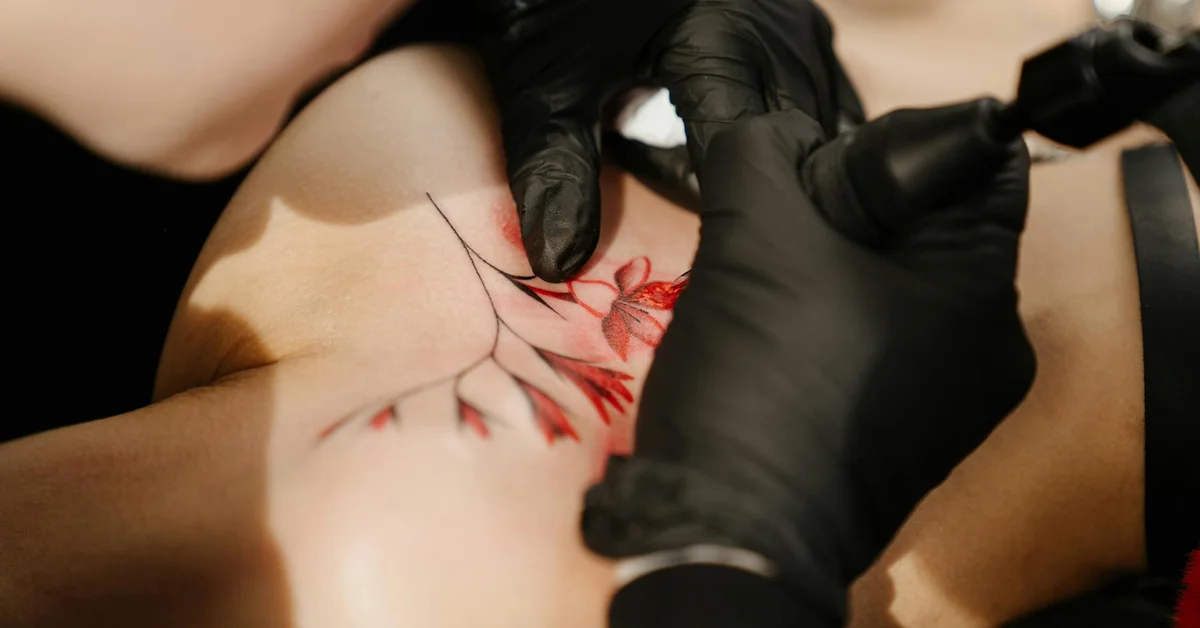
Your certification opens doors to several professional environments, each with its own culture and clientele.
- Medical Dermatology or Plastic Surgery Clinics
- Aesthetic MedSpas and Cosmetic Centers
- Independent Tattoo & Removal Studios
- Multi-disciplinary Wellness Practices
Understanding your legal scope of practice in Texas is non-negotiable. As a certified technician, your primary responsibility is operating class 4 lasers and related devices for the purpose of tattoo removal. You work under the delegation of a supervising physician, but the hands-on operation falls to you. For practical guidance on the equipment itself, consult a professional tattoo removal machines equipment guide that outlines approved laser models and essential safety features. It also covers maintenance practices to help keep devices compliant and safe in clinic use.
Your limitations are clearly defined by law. You cannot diagnose medical conditions, prescribe medication, or perform procedures that intentionally break the skin beyond the laser’s effect. Sticking strictly to your defined role protects your license, your supervising physician, and most importantly, your clients.
Building a Career as a Certified Technician
Certification gets your foot in the door, but building a thriving career requires strategy. Networking with local dermatologists and plastic surgeons is the single most effective way to find high-quality opportunities. Attend local medical aesthetics conferences, even as a guest, to make these vital connections.
Do not overlook the business fundamentals.
- Secure robust professional liability insurance before you treat your first client.
- Implement a foolproof client management system for consents and history.
- Develop a clear pricing structure and a portfolio showcasing your removal work.
After I became certified, I started in a busy medspa, building a clientele and perfecting my technique. Within two years, the confidence and reputation I built allowed me to open my own dedicated removal studio, a goal that felt distant before certification. The credential provided the credibility I needed to take that leap.
Frequently Asked Questions
Is a specific license required for tattoo removal in Texas?
In Texas, there is no standalone “tattoo removal license.” Instead, certified individuals must operate under the delegation and supervision of a licensed physician, as the state regulates tattoo removal as a medical procedure, not as an independent practice.
How much does tattoo removal certification cost in Texas?
The total cost for certification typically ranges from $3,500 to $7,500, covering expenses like approved training programs, certification exam fees, and state application fees, though prices can vary based on the program’s depth and prestige.
What are the steps to get certified for tattoo removal in Texas?
To get certified, you must meet eligibility requirements (e.g., age and education), complete an accredited training program with hands-on practice, fulfill laser safety hours, pass a certification exam, and submit your application with fees, all while securing a supervising physician for legal delegation.
Closing Words
Getting certified for tattoo removal in Texas boils down to a straightforward process: complete your state-mandated training, pass the required exams, and gain hands-on experience under supervision. This formal path ensures you are legally compliant and, more importantly, ethically prepared to handle clients’ skin safely. After certification, you’ll also need to obtain the appropriate tattoo removal license in Texas to practice professionally. Licensing confirms you meet state standards and helps ensure client safety.
From my own journey, I can tell you that investing in proper education pays off tenfold in client trust and clinical results. Treat this certification not as a bureaucratic hurdle, but as the foundation for a responsible and successful practice.
Further Reading & Sources
- Austin Tattoo Removal Certification Course – Texas Laser and Aesthetics Training Academy – Austin, TX
- Tattoo Removal – Online with Hands-on Practicum
Ink Fade Lab is your trusted source for tattoo removal insights, combining expert knowledge with compassionate care to help you make informed decisions about your tattoo journey. Based on years of experience in the tattoo removal industry, we are dedicated to providing accurate, up-to-date information to support your choices.
Training & Certification