Tattoo Removal and Sun Exposure: Comprehensive Protection Guide
Published on: December 7, 2025 | Last Updated: December 7, 2025
Written By: Ashita no Joe
Are you worried that sun exposure might ruin your tattoo removal results or cause permanent skin damage? I’ve faced that same anxiety while removing my own tattoos and guiding countless clients through the process.
This guide draws from my hands-on experience to give you a straightforward plan for safe, effective healing. You’ll learn exactly how UV rays interfere with removal, the best sun protection habits for before and after sessions, and why cutting corners with DIY methods often leads to scars or discoloration.
Why Sun Exposure Poses Serious Risks During Tattoo Removal
Think of your skin after a laser session as an open wound. It’s raw, sensitive, and working hard to flush out shattered ink particles. Exposing this vulnerable area to UV rays is like pouring gasoline on a fire, dramatically increasing your chances of permanent skin damage. I’ve seen too many clients learn this lesson the hard way, and the results are often irreversible.
Your primary concerns should be hyperpigmentation and hypopigmentation. UV radiation can trigger an overproduction of melanin in the healing tissue, causing dark spots (hyperpigmentation) to form where the tattoo used to be. Conversely, the laser and sun can team up to destroy melanocytes, the cells that give your skin its color, leaving you with permanent white patches (hypopigmentation). These pigment changes can be far more noticeable and difficult to fix than the original tattoo you’re trying to erase, especially when dealing with hyperpigmentation after tattoo removal.
Beyond discoloration, sun exposure severely hampers the healing process. Your immune system is already busy carrying away ink debris. Forcing it to also repair sun damage slows everything down and increases inflammation. This can lead to a longer, more painful recovery and may even reduce the effectiveness of your removal treatments. In terms of tattoo removal progress, expect multiple sessions to achieve meaningful fading, with results accumulating across visits. Sun exposure between sessions can slow that pace, making progress seem slower from session to session. In my own experience, a session on slightly sun-kissed skin took nearly twice as long to heal and was significantly more uncomfortable.
Direct Consequences of Sun Exposure
- Severe Blistering and Scarring: The combination of laser trauma and UV burn can cause intense blistering, which greatly raises your risk of permanent scarring.
- Delayed Healing: Your body’s resources are divided, prolonging redness, swelling, and sensitivity.
- Ineffective Treatments: A tan acts as a competing target for the laser’s light, which can divert energy away from the ink, making your sessions less productive and more expensive over time.
The Science of UV Damage on Healing Skin Post-Removal
To understand why protection is non-negotiable, you need to know what’s happening under the surface. A laser removal treatment works by using a specific wavelength of light to shatter tattoo ink into tiny fragments. This process creates a controlled injury, and your body immediately initiates a complex inflammatory response to clean up the mess.
When UV radiation from the sun hits this newly injured skin, it penetrates deeply and causes cellular chaos. UVB rays are primarily responsible for damaging the DNA in your skin cells, while UVA rays dive deeper, generating free radicals that break down collagen and elastin. This one-two punch disrupts the delicate signaling between cells that coordinates proper healing and pigment production. The result is often a flawed repair job that manifests as discoloration or texture changes.
I think of melanocytes-the pigment-producing cells-as being in a state of shock after a laser session. They are highly vulnerable. UV exposure during this time can permanently alter or destroy them. Once these cells are gone, they do not come back, which is why hypopigmentation is considered one of the most challenging complications to correct.
How UV Rays Sabotage Your Results
| UV Type | Primary Action | Effect on Healing Tattooed Skin |
|---|---|---|
| UVA (Aging Rays) | Penetrates deep into the dermis | Generates free radicals that degrade collagen, leading to textural changes and weakened skin structure during a critical repair phase. |
| UVB (Burning Rays) | Absorbed by the epidermis (outer layer) | Causes direct DNA damage to keratinocytes and melanocytes, increasing the risk of hyperpigmentation and disrupting the skin’s barrier function. |
The bottom line is simple. Your skin is in a fragile, regenerative state after every laser session. Protecting it from the sun isn’t just a suggestion; it is a fundamental part of the tattoo removal process itself. Daily sunscreen use during the tattoo removal process protects new, healing skin and helps ensure even fading. Without sun protection, UV exposure can dull results and prolong healing. Skipping this step undermines the entire investment you’re making in your skin.
Essential Sun Protection Steps Immediately After Removal Sessions

Your skin enters a state of extreme vulnerability right after a removal session. Treating it like an open wound is not an exaggeration—it is a medical necessity. I’ve seen clients set their progress back months by neglecting this critical phase, and I’ve personally felt the sting of a sun exposure mistake on a freshly lasered tattoo. For tattoo removal sensitive skin care is essential—gentle cleansers, fragrance-free moisturizers, and strict sun protection during healing. A tailored aftercare routine can prevent irritation and keep your results on track.
Selecting and Applying the Right Sunscreen
Not all sunscreens are created equal for this delicate job. You need a physical blocker, not a chemical one.
- Look for Zinc Oxide or Titanium Dioxide as the active ingredients. These minerals sit on top of your skin, creating a physical barrier that reflects UV rays away without causing chemical irritation.
- Choose a high SPF. I recommend nothing less than SPF 50 for the treated area. This is not the time to compromise.
- Apply it thickly and evenly. A thin, barely-there layer offers minimal protection. You should see a slight white cast on the skin.
- Reapply every two hours without fail. If you sweat or get the area wet, reapply immediately. Consistency is your best defense.
Using Protective Clothing and Accessories
Sunscreen is your first line of defense, but physical barriers are your fortress wall. I always tell my clients that the goal is to make the sun forget the tattooed spot even exists—especially when dealing with UV or blacklight tattoos that can be even more sensitive to sun exposure.
Types of Protective Gear for Different Body Areas
- Arms and Legs: UPF (Ultraviolet Protection Factor) rated clothing is ideal. A simple long-sleeved shirt or pants made from a tight-weave fabric works well. I lived in lightweight, breathable UPF hoodies during the removal of my own forearm piece.
- Chest and Back: Again, UPF tops are fantastic. For women, a high-neck swimsuit or rash guard provides excellent coverage without sacrificing style.
- Hands and Feet: These are tricky. For hands, UPF gloves or fingerless gloves can work. For feet, socks and closed-toe shoes are mandatory. Avoid sandals entirely on treated feet.
- Face and Neck: This is where wide-brimmed hats become non-negotiable. A hat with a 3-inch brim or larger will shield your entire face and the back of your neck. Pair it with a UPF neck gaiter for ultimate protection.
Managing Your Recovery Timeline and Sun Avoidance
Healing is not a one-week affair. The skin remains photosensitive for a significant period after the visible redness and blistering subside. Underestimating this timeline is the most common error people make. Your aftercare discipline directly influences your final results.
Adjusting Protection Based on Removal Method
Different removal technologies interact with your skin in unique ways, demanding tailored protection strategies.
- Q-Switched Lasers (Nd:YAG, Ruby): These lasers shatter ink particles, creating a significant inflammatory response. The treated area is hyper-sensitive for at least 4-6 weeks. Strict sun avoidance is critical during this entire period. Any tanning or burning can lead to permanent hypopigmentation (light spots) or hyperpigmentation (dark spots).
- Picosecond Lasers (PicoSure, PicoWay): While often promoting faster healing, the skin is still compromised. The risk of pigment changes remains high. I advise my clients to maintain rigorous sun protection for a minimum of 3-4 weeks post-treatment.
- Non-Laser Methods (e.g., Salabrasion, Tattoo Removal Creams): I must caution heavily against most DIY methods as they can cause severe scarring and infection. If you proceed with a clinical-grade non-laser method, expect extended healing times and an even greater need for sun shielding, as these methods often involve significant skin abrasion.
Recognizing and Addressing Sun-Related Complications
I’ve seen too many clients rush the healing process, only to face consequences that last for months. Sun damage on a healing removal site isn’t a simple sunburn; it’s a direct assault on your skin’s ability to repair itself properly. Your body is working hard to flush out ink particles, and UV radiation throws a massive wrench into that delicate operation. Even after the removal is complete, ongoing care matters. Shielding the area from sun and following a gentle skincare routine helps support lasting healing.
Identifying Common Sun-Induced Issues
After a laser session, your skin is in a hyper-vulnerable state. Sun exposure can trigger several specific problems you need to watch for.
- Hyperpigmentation: This is the most frequent issue I encounter. The inflammation from the laser, combined with UV exposure, causes your skin to overproduce melanin. The result is a dark, stubborn stain that can be more noticeable than the original tattoo was.
- Hypopigmentation: On the flip side, sometimes the melanin-producing cells are damaged or destroyed. This leaves behind permanent white or light patches where the skin has lost its color. This is often irreversible.
- Textural Changes: The sun can disrupt the formation of new collagen. You might end up with skin that feels rough, looks uneven, or develops fine scars. I’ve run my fingers over skin that felt like fine-grit sandpaper due to sun damage during healing.
- Blistering and Severe Burns: A treated area will burn much faster and more severely than normal skin. What might be a mild pinkness on your arm could become a painful, fluid-filled blister on your removal site.
What to Do If You Get Sunburned
If you accidentally get burned, immediate and correct action is critical. Do not panic, but do not ignore it.
- Get Out of the Sun Immediately. Further exposure will only compound the damage.
- Gently Cool the Skin. Use a clean cloth soaked in cool water. Do not apply ice directly. I advise clients to do this for 15-minute intervals several times a day.
- Hydrate and Soothe. Use a pure, fragrance-free aloe vera gel or a recommended post-procedure ointment. Avoid heavy, petroleum-based products that trap heat.
- Do Not Pop Blisters. The blister roof is a natural bandage. Popping it invites infection and slows healing.
- Call Your Technician or Dermatologist. This is non-negotiable. We need to assess the damage and likely postpone your next session. Healing must be complete before we fire the laser again.
Long-Term Skin Health and Ongoing Photoprotection
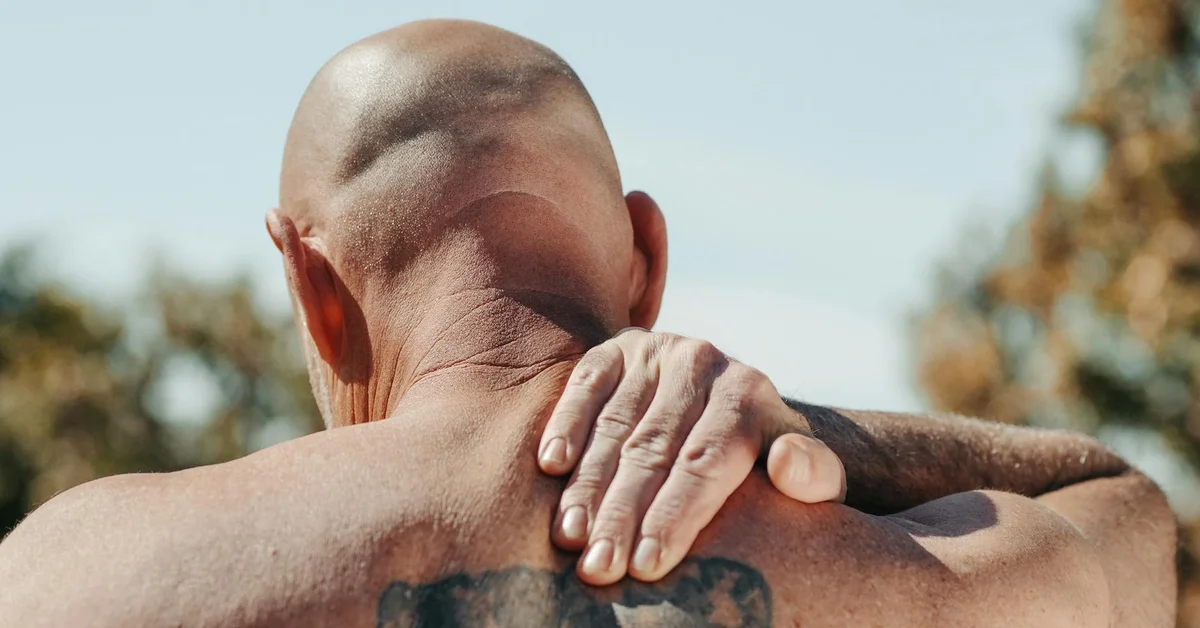
Your commitment to sun protection doesn’t end when the redness fades. Think of your skin post-removal as a brand-new canvas; it requires consistent care to stay pristine and healthy for years to come. The goal is to end this journey with skin that looks as natural and untouched as possible.
Why Protection is a Forever Practice
Even after the final laser session, the treated area remains more susceptible to UV damage. The skin’s structure has been remodeled. New collagen is more vulnerable. Melanocytes in that area can be unstable. A single bad sunburn years later can sometimes reactivate old inflammation or cause discoloration. I treat my own fully-removed spots with the same vigilance as a fresh one.
Building Your Daily Defense Strategy
Sun protection needs to become as habitual as brushing your teeth. It’s not just for beach days.
- Choose a High-Quality Mineral Sunscreen: I personally prefer zinc oxide-based sunscreens with an SPF of 30 to 50. They sit on top of the skin, creating a physical barrier that reflects UV rays away. They are less likely to irritate sensitive skin.
- Apply Generously and Reapply Often: A thin smear is not enough. Use a shot glass-sized amount for your whole body. Reapply every two hours, and immediately after swimming or heavy sweating.
- Embrace Protective Clothing: This is your most reliable defense. UPF (Ultraviolet Protection Factor) rated clothing is fantastic. A simple dark, tightly-woven long-sleeve shirt is also highly effective. I keep a light UPF hoodie in my car for unexpected sun exposure.
- Seek Shade During Peak Hours: The sun’s rays are most intense between 10 a.m. and 4 p.m. Plan your outdoor activities accordingly. A wide-brimmed hat is your best friend.
Your skin’s future appearance is a direct result of the habits you build today. There are no safe DIY shortcuts for sun protection. Investing in proper care throughout your removal journey and beyond is the only way to guarantee the best possible outcome. I’ve never had a client regret being too careful with the sun, but I’ve consoled many who wished they had been more diligent. When you’re deciding between tattoo removal vs cover-up, your skin’s health and your goals should guide the right choice. A mindful sun and aftercare plan supports whichever path you take, helping you achieve the best long-term result.
Frequently Asked Questions
What is a tattoo sun protection sleeve and when should I use it?
A tattoo sun protection sleeve is a UPF-rated garment that slips over your arm to provide full, physical coverage from UV rays, ideal for daily use during tattoo removal to prevent sun damage without constant reapplication. It’s especially useful for active individuals or those spending extended time outdoors, as it offers reliable, breathable protection that doesn’t irritate sensitive, healing skin.
How do sun protection patches help with tattoo removal aftercare?
Sun protection patches are adhesive, disposable covers that create a physical barrier over the tattooed area, blocking UVA and UVB rays effectively for targeted, long-lasting protection. They are perfect for covering small or awkward spots post-removal, as they stay in place during activities and reduce the risk of pigment changes without the greasiness of creams.
Are sun protection sticks effective for covering small tattoo areas?
Yes, sun protection sticks are highly effective for small or detailed tattoo areas, as they allow precise, mess-free application of mineral-based UV blockers like zinc oxide. Their portable, solid form makes them convenient for quick reapplication on the go, ensuring consistent protection against sun-induced complications like hyperpigmentation during the removal healing process.
Closing Words
Your skin’s health is the single most important factor for a successful removal process. Treating your skin with respect by shielding it from the sun isn’t just a suggestion-it’s a fundamental rule for achieving clear, healthy skin. Make high-SPF sunscreen and protective clothing a non-negotiable part of your daily routine from the first session to the final fade. Prioritizing long-term skin health through consistent sun protection helps minimize the risk of permanent pigmentation changes, supporting a more even complexion over time.
Be patient and consistent with your aftercare. By diligently protecting your skin, you are actively investing in the best possible outcome for your tattoo removal journey. Your future, ink-free skin will thank you for the care you show it today. Each careful step brings you closer to a complete tattoo removal. Stay patient—this journey leads to ink-free skin you’ll be proud of.
Further Reading & Sources
- r/TattooRemoval on Reddit: Sunscreen after laser removal?
- Tattoo Removal and Sun Safety: Protecting Your Skin Post …
Ink Fade Lab is your trusted source for tattoo removal insights, combining expert knowledge with compassionate care to help you make informed decisions about your tattoo journey. Based on years of experience in the tattoo removal industry, we are dedicated to providing accurate, up-to-date information to support your choices.
Lifestyle Factors