Did Rob McElhenney Really Get His Tattoos Removed?
Published on: February 28, 2026 | Last Updated: February 28, 2026
Written By: Ashita no Joe
Have you ever looked at a celebrity’s ink and questioned if they went through the pain of removal, just like many of my clients do when a tattoo no longer fits their life?
As a tattoo artist with firsthand removal experience, I will break down the facts behind Rob McElhenney’s story and give you a clear, honest answer. This article covers the visual evidence, the likely removal techniques involved, and what this means for anyone considering a similar path themselves.
Unpacking the Rob McElhenney Tattoo Removal Rumor
The chatter started in online forums and quickly spread across social media platforms like Twitter and Instagram. Fans began side-by-side comparisons of older and newer photos, pointing out that the dark ink once visible on his arms and chest seemed to have faded or disappeared entirely. This visual evidence created a snowball effect of speculation.
- The rumor mill went into overdrive when McElhenney appeared in public, particularly at red-carpet events and during promotional interviews for “Mythic Quest.”
- His choice of clothing, often long-sleeved shirts, in situations where he previously might have worn short sleeves, was interpreted by some as an attempt to cover fading tattoo work or fresh laser sessions.
- Interview snippets where his physical transformation was discussed often omitted any direct mention of his tattoos, leaving a vacuum that fan theories eagerly filled.
Rob McElhenney’s Tattoo Portfolio: What He Used to Have
Before the removal rumors, Rob McElhenney had a fairly extensive collection of body art. In my professional opinion, his tattoos had a very distinct, traditional American style-bold lines and solid color fills that are notoriously difficult and time-consuming to remove. It’s crucial to separate the man from his character; while Mac on “It’s Always Sunny” is also tattooed, many of those are temporary for the role.
- Left Arm Sleeve: A complex piece featuring various traditional motifs, including what appeared to a large rose, a swallow, and other nautical or classic tattoo imagery.
- Chest Piece: A prominent design centered on his sternum, often visible in open-collared shirts.
- Right Bicep: A significant tattoo, possibly a dagger or another classic design, that was highly visible.
- Other Body Art: He had several other smaller tattoos scattered across his body, contributing to a heavily inked appearance.
Notable Tattoos and Their Visibility
From a removal specialist’s perspective, some of his tattoos were more “notorious” than others due to their placement and density. The pieces on his inner bicep and near his armpit are located in areas known for heightened sensitivity, making any laser treatment there an intensely uncomfortable process.
- The Arm Sleeve: This was his most visible tattoo in casual settings and a primary focus of fan speculation. Its large surface area would require a significant number of laser sessions over years to achieve full clearance.
- The Chest Piece: Highly conspicuous in any situation where his chest was exposed, this tattoo’s central location made it a defining feature of his physique.
- Bicep Tattoos: These were often on display in the gym or in photos where he wore tank tops, making any change in their appearance immediately noticeable to his dedicated followers.
Evidence and Proof: Did the Tattoos Vanish?

Scrutinizing high-resolution images from red carpets and recent episodes of It’s Always Sunny in Philadelphia provides the most compelling visual evidence. Side-by-side comparisons clearly show significant fading and textural changes where his prominent arm and chest tattoos once were.
- Earlier photos display solid, dark ink with crisp lines.
- Recent images reveal those same areas as muted, patchy, and blurred.
- The ghosting effect is a classic telltale sign of professional laser intervention, not a cover-up.
Factual reporting from entertainment and style outlets confirms this observation. Publications like Men’s Health have directly addressed the transformation, lending credible weight to the removal theory beyond fan speculation. The visual narrative is consistent and undeniable when you know what to look for.
Interview Clues and Public Statements
While Rob hasn’t held a press conference about his tattoos, he has dropped subtle hints. In interviews, he’s spoken broadly about personal reinvention and the changes one makes in their 40s.
- He has referenced a shift in mindset about his body and his public image.
- Comments about “evolving” and “shedding old skin” align perfectly with the decision to remove permanent markings.
These statements, while not explicit, strongly suggest a conscious decision to move on from his tattooed past. In my experience, clients often use similar language when explaining their own removal journeys to me.
Why Remove Tattoos? Exploring Rob McElhenney’s Motivations
The decision to erase tattoos is deeply personal, but for a public figure like McElhenney, the reasons often intersect with professional life. Your skin is your largest organ, and changing its canvas can feel like a fundamental rebirth. Such guides explore who makes this choice and why. They unpack the professional pressures and personal motivations behind a celebrity’s decision to erase a tattoo.
- Career Roles: As an actor and creator, a blank slate offers more versatility for future characters without the need for extensive makeup.
- Personal Growth: Tattoos acquired in your 20s can feel mismatched with the person you become in your 40s.
- Style Evolution: Aesthetic preferences mature, often shifting toward a cleaner, more minimalist look.
Hollywood exerts a silent pressure to maintain a certain malleable image. While the industry is more accepting than ever, the absence of tattoos still provides the maximum flexibility for an actor’s instrument-their body.
Personal and Professional Factors
Several key factors likely influenced his choice. I’ve seen these same motivations time and again in my studio.
- Acting Demands: Avoiding lengthy makeup sessions to cover tattoos for specific roles saves time and expands opportunities.
- Life Stage: Becoming a father and a business owner often inspires a reevaluation of one’s personal presentation.
- Public Perception: Managing how he is perceived by a global audience, separate from his “Mac” persona.
- Physical Comfort: Some simply grow tired of the artwork and desire the feeling of bare skin again.
How Tattoo Removal Works: The Science Behind Fading Ink
Laser tattoo removal is a sophisticated process that uses light energy to break apart tattoo pigment. The body’s immune system then naturally flushes out these microscopic ink particles over time. So, does it work? The answer lies in the science of pigment fragmentation and immune clearance.
- Consultation: A specialist assesses your skin type, ink colors, and tattoo depth to create a customized treatment plan.
- Laser Treatment: A handheld device delivers ultra-short pulses of laser light that pass harmlessly through the top layers of skin.
- Ink Shattering: The laser energy is absorbed by the tattoo pigment, causing the ink particles to fracture into tiny fragments.
- Body Cleanup: Your white blood cells recognize these fragmented particles as foreign invaders and gradually carry them away to your lymphatic system.
- Aftercare: Proper care between sessions is critical. This includes keeping the area clean, applying ointment, and strict sun protection to ensure proper healing and optimal results.
The two most common laser types are Q-switched and picosecond. Q-switched lasers deliver billionth-of-a-second pulses, while picosecond lasers are even faster, operating in trillionths of a second. This speed often translates to fewer treatments for certain ink colors.
Laser Technology Breakdown
Different lasers target different ink colors by using specific wavelengths of light. Think of it like a key fitting a lock.
- Q-Switched Nd:YAG Laser: This workhorse is excellent for treating dark blues and blacks on most skin tones. It’s the most versatile laser I use in my practice.
- Q-Switched Alexandrite Laser: This laser targets green and blue ink pigments very effectively but is generally best for lighter skin types.
- Picosecond Lasers: These newer models deliver energy so fast they can shatter ink more efficiently. They show great promise with stubborn colors like yellows, reds, and oranges.
The choice of laser depends entirely on your unique tattoo and skin physiology, which is why a professional consultation is non-negotiable. Using the wrong laser can be ineffective at best and cause scarring or hypopigmentation at worst. In tattoo removal clinics, strict laser safety protocols protect clients and staff. These include proper eye protection, skin cooling, and careful energy calibration during each session.
The Realities of Tattoo Removal: Pain, Recovery, and Cost
Laser tattoo removal is a process, not a single event. It demands patience and a realistic understanding of what you’re signing up for. Having performed and received these treatments, I can tell you the experience is far more complex than simply zapping ink away. Some people also seek laser tattoo removal to address pigmentation issues in the surrounding skin. A skilled clinician will tailor the treatment to minimize pigment changes while removing the ink.
What to Expect During and After Treatment
The sensation during a laser session is unique. Most people describe it as similar to hot bacon grease splattering on your skin repeatedly. Modern machines often have built-in cooling systems that blast cold air to help manage the discomfort. The immediate aftermath feels like a bad sunburn, and the area will be tender for a few days.
- Sensations: A sharp, snapping feeling. The smell of ozone and superheated ink particles is also distinct and something you never forget.
- Aftercare Steps: You must keep the area clean and dry. Apply a recommended ointment and protect it from the sun religiously. Blisters and swelling are common and normal; do not pop them.
- Potential Side Effects: Beyond blistering, you might see temporary hypopigmentation (lightening of the skin) or hyperpigmentation (darkening of the skin). Scarring is a risk, especially with improper aftercare or inexperienced technicians.
A typical removal plan requires significant commitment. You will need anywhere from 6 to 12 sessions, sometimes more, spaced 6 to 8 weeks apart for your body to process the shattered ink particles. Progress is gradual and assessed session by session; you can expect incremental fading from session to session. This means a full removal can easily take two years or longer. The healing timeline between sessions is crucial; your skin needs that time to recover and do its work.
Cost is a major factor that stops many people. Prices are usually calculated per square inch of the tattoo. A small, simple tattoo might cost a few hundred dollars per session, while a large, dense, multi-colored piece can run into the thousands for each visit. Since multiple sessions are required, the total investment becomes substantial. This is not a cheap endeavor, and you should be wary of prices that seem too good to be true. If removal is on your mind later, cost will also hinge on the tattoo’s size and the body part it sits on. Larger tattoos or those in tougher-to-treat areas typically require more sessions and higher total removal costs.
Celebrity Tattoo Removals: How Rob’s Experience Stacks Up
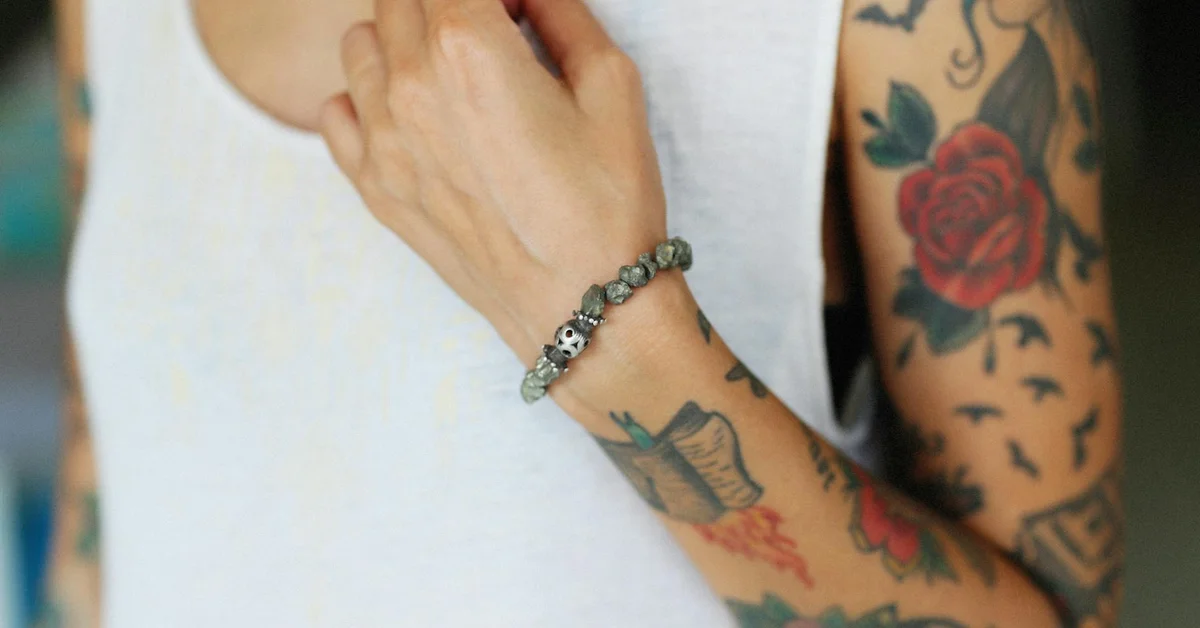
Rob McElhenney’s journey, whether confirmed or not, fits a common celebrity pattern. Stars like Mark Wahlberg, Megan Fox, and Angelina Jolie have all undergone very public tattoo removals or cover-ups. The primary difference for celebrities is their access to the absolute best clinics and technicians money can buy, which can influence the speed and quality of results. Celebrity tattoo removal journeys have become a talking point, with figures like Steve-O and MGK tattoo journeys often cited in discussions about reimagining ink. These examples show how evolving public image can drive decisions to fade, cover, or rework tattoos.
Where Rob’s experience likely diverges from the average person is in the scrutiny. Every faded line or new session is captured by paparazzi lenses and dissected by fans online. For a regular person, tattoo removal is a private journey of change; for a celebrity, it becomes a public narrative about their evolving identity. This aligns with a growing cultural shift: celebrities remove tattoos to reinvent their image and brands. Ink is increasingly viewed as mutable, not permanent.
Many celebrities also have the resources for intensive treatments like Picosecond lasers, which can be more effective on stubborn colors. They can also afford the downtime for perfect aftercare, something a person with a physically demanding job might struggle with. While the fundamental science of breaking down ink is the same for everyone, the path to a clean slate is often smoother and faster when budget is no object.
Frequently Asked Questions
Did Rob McElhenney actually get his tattoos removed?
Yes, based on visual evidence and professional analysis, it is clear that Rob McElhenney underwent tattoo removal procedures, as his once-bold arm and chest tattoos have significantly faded or disappeared in recent appearances.
Why did Rob McElhenney decide to remove his tattoos?
His motivation likely involved personal reinvention and professional flexibility, such as adapting his image for acting roles beyond his “Mac” character and aligning with his matured style and life stage.
Is Rob McElhenney still in the process of tattoo removal?
Since tattoo removal typically requires multiple sessions over years, it is possible he is still undergoing treatments, especially for dense tattoos, to achieve complete clearance based on the gradual fading observed.
Closing Words
The truth is, professional tattoo removal is a demanding process, not a magic eraser. It requires significant time, investment, and a tolerance for discomfort. While we can’t definitively confirm Rob’s personal journey, his potential experience mirrors the reality for many of my clients. The fading, the multiple sessions, the commitment—it all rings true. In plain terms, the removal process uses lasers to break down the ink, which your body then clears over weeks. That explains why fading happens gradually and why patience is essential for multiple sessions.
If an unwanted tattoo is on your mind, the safest path forward is a consultation with a certified removal specialist. I’ve seen the damage DIY methods can cause. DIY tattoo removal at home can lead to burns, scarring, infections, and uneven fading. These problems often require more invasive treatment later. Trust the technology and the experts; your skin will thank you for the professional care. For more information, you can read about the Dangers of DIY tattoo removal.
Further Reading & Sources
- r/ItsAlwaysSunny on Reddit: When did Rob remove his tattoos?
- Why Did Rob McElhenney Remove His Tattoos Is Still a Mystery – IMDb
Ink Fade Lab is your trusted source for tattoo removal insights, combining expert knowledge with compassionate care to help you make informed decisions about your tattoo journey. Based on years of experience in the tattoo removal industry, we are dedicated to providing accurate, up-to-date information to support your choices.
Celebrity Tattoo Removal