
Removing Cultural and Tribal Tattoos: Personal and Social Implications
Published on: October 9, 2026 | Last Updated: October 12, 2026
Written By: Ashita no Joe
Have you ever looked at a cultural or tribal tattoo on your skin and felt a disconnect, wondering if it’s time to let it go?
Drawing from my own experiences removing tattoos and guiding clients, this article offers a straightforward path to understanding your options. I will break down the emotional weight and identity shifts tied to these tattoos, explore how social perceptions and respect for traditions impact removal choices, and detail safe, professional removal techniques I rely on.
Understanding the Motives for Tattoo Removal
The decision to erase a cultural or tribal tattoo is rarely simple. This process often represents a profound personal transformation that goes far deeper than the skin. I have guided many clients through this journey, and their reasons are as unique as the markings themselves.
Identity Shifts and Personal Growth
We are not the same people we were a decade ago. A tattoo chosen in youth might not reflect the person you have become. Personal evolution is one of the most powerful drivers I see for tattoo removal. The symbol that once felt like a perfect fit can start to feel like a costume you didn’t choose.
- Changing Self-Perception: The person who got the tattoo and the person who wants it removed are often two different individuals. I’ve watched clients shed old identities, moving past phases or affiliations that no longer serve them.
- Heritage Re-evaluation: Some individuals get tribal tattoos based on a romanticized or incomplete understanding of their own ancestry. Later, a deeper, more authentic connection to their real heritage can make the tattoo feel like a misrepresentation. This act of removal becomes a way to honor their true lineage, not the imagined one.
Trauma and Emotional Healing
Tattoos can be anchors to painful chapters. I have removed tattoos that were constant, visible reminders of loss, abuse, or forced belonging to a group. The laser does more than break down ink; it helps sever a psychic link to a painful past. For some, the process is a critical part of reclaiming their body and their narrative.
- Painful Experiences: A tattoo obtained under duress or during a traumatic period can feel like a brand. Its removal is a declaration of freedom.
- Loss of Belonging: A tribal tattoo can represent a community you are no longer part of, either by choice or circumstance. Seeing it every day can be a source of profound grief. Removing it is a step toward building a new sense of self and belonging.
Common triggers for removal include:
- Experiencing social stigma or professional discrimination.
- Feeling guilt or shame about cultural appropriation.
- Major life changes like a career shift, divorce, or spiritual awakening.
- A desire to reclaim personal space on your body.
Questions to Ask Before Deciding on Removal
Do not rush this choice. Take your time and sit with these questions before booking your first session.
- What specific memory or feeling does this tattoo trigger for me now?
- If this tattoo were gone tomorrow, what emotion would I feel most strongly?
- Am I doing this for myself, or because of external pressure from others?
- Have I explored less permanent options, like cover-up designs?
- Am I emotionally and financially prepared for a multi-session process?
Emotional and Psychological Effects of Removal
The emotional journey of removal is a rollercoaster. You will likely feel a complex mix of relief, grief, and empowerment throughout the process. It is not a linear path. One week you might feel liberated; the next, you might mourn the loss of a piece of your history.
I’ve seen clients experience a “reverse stigma.” They feel judged for removing a tattoo that others perceive as culturally significant. You must be ready to defend your personal choice to people who do not understand your internal reasons. This external pressure can significantly impact your mental health during an already vulnerable time. The tattoo removal journey is an emotional one, and taking care of your mental health is part of the process. Seek support, give yourself time, and practice self-compassion as you move through it.
Steps for Coping with Post-Removal Feelings
- Acknowledge every emotion without judgment. Let yourself feel the grief and the relief.
- Talk to a therapist or a trusted friend who supports your decision unconditionally.
- Document the process. Taking photos can help you visualize your progress and reinforce your commitment.
- Practice self-care. The skin is healing, and so are you. Be gentle with yourself.
Satisfaction and Regret Cases
Outcomes vary. Most of my clients express overwhelming satisfaction. One woman had a large tribal armband from a former partner removed. She told me that watching the ink fade felt like she was finally exhaling after holding her breath for ten years. The physical lightness mirrored her emotional state.
However, regret does happen. I worked with a man who rushed to remove a family-related symbol after a falling out. After the tattoo was gone, he regretted the permanence of his decision once family ties were mended. The key factor is time; impulsive decisions based on temporary, high-emotion situations often lead to remorse. Your motivation must be rooted in a fundamental, lasting change within yourself, not a fleeting reaction to an event.
The emotional result hinges on your core reason for removal. Those who act from a place of personal empowerment and clear-eyed self-reflection almost always find peace. Those who act from a place of anger or fleeting shame may find the results more complicated.
Social Stigma and Cultural Sensitivity
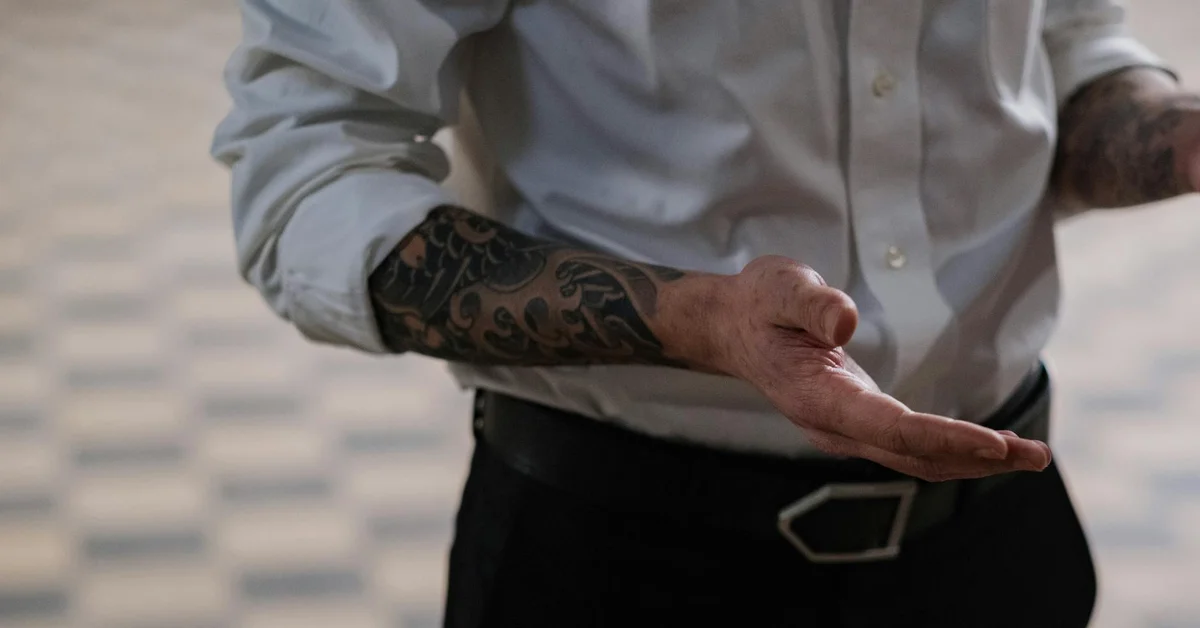
Community judgment is a powerful force that pushes many people toward tattoo removal. I’ve seen clients feel immense pressure from their own families or cultural groups to erase markings deemed disrespectful or out of place. The decision to remove is rarely just about aesthetics; it’s often a social survival tactic.
- Internal conflict arises when a person’s personal identity clashes with their community’s expectations.
- External judgment can manifest as social exclusion, verbal criticism, or even professional setbacks.
- Navigating this requires weighing personal happiness against communal harmony.
Cultural Appropriation Versus Appreciation
Wearing a symbol from a culture not your own is a complex act. The line between appropriation and appreciation is often defined by context, intent, and permission. A tattoo chosen for its visual appeal can be perceived as theft by the culture that holds it sacred.
- Appropriation involves taking without understanding, permission, or respect, often reinforcing power imbalances.
- Appreciation involves deep learning, reciprocity, and a desire to honor rather than own a tradition.
- Your original intent may not matter if the impact on others is harmful.
Navigating Social Backlash or Support
If you face criticism for a tattoo, you have pathways forward. Seeking support from understanding friends or a therapist can provide a crucial emotional anchor during this process. Do not face this alone.
- Listen openly to the concerns being raised without becoming defensive.
- Educate yourself thoroughly on the symbol’s history and meaning.
- Make a conscious, informed choice about whether to keep, cover, or remove the tattoo.
- If you choose removal, view it as a step in a longer journey of learning and respect.
Fashion vs Tradition Conflicts
Modern tattoo trends often pull ancient symbols into a commercial context. What is a fleeting fashion statement to one person can be a profound spiritual anchor to another. I’ve removed Maori facial tattoos from people who got them without knowing their significance, only to later understand the gravity of their error.
- Sacred patterns, family crests, and rites-of-passage markings lose their meaning when treated as decoration.
- This commodification can feel like a spiritual violation to indigenous communities.
Indigenous Rights and Repatriation Concerns
Many indigenous groups are actively fighting to reclaim their cultural heritage. Removing a tattoo can, in some cases, be seen as an act of repatriation—returning a sacred symbol to its people. It’s a physical acknowledgment of a boundary that was crossed. To connect this with practice, the tattoo removal process explained outlines common methods (like laser treatments) and typical healing timelines. Understanding these steps helps communities weigh options with reverence and care.
This isn’t about guilt. It’s about responsibility and the desire to align your body with your values.
Tattoo Removal Methods and Skin Impacts
Not all removal techniques are equal, especially for the dense, dark inks common in cultural tattoos. There’s a complete guide to removing black ink on dark skin that outlines safe, effective options. From my own experience removing a heavy tribal piece, I can tell you that the skin’s memory of the ink runs deep. These tattoos were meant to last, and your removal method must be chosen with that in mind.
Common Techniques and Their Suitability
- Q-Switched Lasers: This is the gold standard. It shatters ink particles for your body to remove. It works best on black ink, making it highly effective for many traditional tribal designs.
- Picosecond Lasers: A faster, more advanced laser that often requires fewer sessions. Excellent for stubborn pigments and minimizing skin trauma.
- Surgical Excision: The tattoo is literally cut out of the skin. This is a one-and-done solution for smaller tattoos but will always leave a linear scar.
- Dermabrasion & Salabrasion: These older methods sand or scrub the skin layers away. I strongly advise against them. The risk of severe scarring and inconsistent results is unacceptably high.
Medical Risks and Long-Term Skin Effects
Your skin will change through this process. Permanent hypopigmentation, where the skin loses its color, is a very real risk, especially on darker skin tones. The laser cannot always distinguish between tattoo pigment and your skin’s natural melanin.
- Scarring is a possibility with any method, particularly if aftercare is neglected.
- Infection risk exists if the treated area is not kept clean and protected.
- Textural changes can leave the skin feeling rough or looking uneven.
| Removal Method | Best For | Potential Complications |
|---|---|---|
| Q-Switched Laser | Black ink, traditional tribal designs | Hypopigmentation, blistering, slight scarring |
| Picosecond Laser | Stubborn, multi-colored inks | Hyperpigmentation, swelling, redness |
| Surgical Excision | Small, easily accessible tattoos | Definite linear scar, risk of infection |
Safety and Toxicity Concerns
A common myth is that laser removal releases dangerous toxins into your bloodstream. The amount of ink particles released during a session is minuscule and is safely processed by your body’s immune system, much like any other foreign particle. Your liver and kidneys are well-equipped to handle this.
To truly minimize risks, your choice of practitioner is everything.
- Only seek treatment from a board-certified dermatologist or a highly experienced medical laser technician.
- Ensure the clinic uses modern, well-maintained FDA-cleared equipment.
- Follow the pre- and post-care instructions to the letter. This is non-negotiable for safe healing.
Ethical and Legal Considerations
The ethics of tattoo removal can be as complex as the ethics of getting the tattoo in the first place. Informed consent for the original tattoo is a foundational ethical principle that is often overlooked in the excitement of the moment. Did you truly understand what you were putting on your body forever? These questions extend into the ethics of removal—autonomy, regret, and the desire to align one’s body with current values. Debates continue over access, safety, and how best to respect evolving moral perspectives in tattoo retention or removal.
Legal and Policy Aspects
While no laws prevent you from getting or removing most symbols, certain markings can have legal repercussions. Gang-related tattoos, for instance, can be used as evidence in criminal proceedings and may legally need to be removed as part of a plea deal or for witness protection. Beyond that, the legal landscape is mostly about the removal procedure itself-ensuring it’s performed by a licensed professional in a regulated facility.
Ethical Guidelines for Practitioners and Clients
As a removal expert, I see my role as a consultant, not just a technician.
- I have a duty to ensure my client is making a sound, considered decision, not one based on fleeting panic.
- Clients have a responsibility to do their homework on both the symbol they are removing and the professional they are hiring.
- The goal is a respectful outcome for both the individual and the culture involved.
Community Consent and Respect
If you are considering removing a culturally significant tattoo, the most respectful action you can take is to consult the source. Reaching out to cultural elders or community leaders is a powerful act of humility that can provide clarity and healing for everyone involved. It transforms a solitary decision into a dialog. This is part of a broader tattoo removal trend and cultural shift. Open dialogue helps communities reframe meaning and memory around body art.
Steps for Ethical Decision-Making
- Pause and Reflect: Why did you get the tattoo? Why do you want it removed now?
- Research Deeply: Go beyond a Wikipedia page. Find academic and primary sources about the symbol’s meaning.
- Seek Guidance: If possible, find a respectful way to contact a representative from the culture. Be prepared to listen, not argue.
- Integrate Your Learning: Let this new understanding guide your final choice about removal, covering, or leaving the tattoo as is.
Personal Stories and Community Perspectives
I’ve worked with a man named David, a member of the Lakota Sioux nation, who had a large tribal design covering his forearm. He got it in his twenties, before he truly understood its spiritual weight. He described the removal process as physically painful but spiritually necessary, a way to correct a mistake and show respect to his elders. The fading ink mirrored his own journey back to cultural understanding.
Another client, Maria, had a Filipino tribal tattoo she’d gotten during a period of disconnection from her heritage. For her, removal wasn’t about rejection but about starting over. She saw each laser session as erasing a superficial symbol to make space for a deeper, more authentic connection she was building through language and tradition.
Intergenerational and Ancestral Views
This decision often echoes through generations. An elder once told me that our skin is a gift from our ancestors. Marking it without true understanding can be seen as a disruption. For some, removing a tattoo is an act of reconciliation, a way to heal a rift with their lineage and honor those who came before them. Across cultures, tattoo removal threads through a long cultural history—from ancient rites to modern debates about identity. It speaks to how individuals negotiate memory, belonging, and healing across time.
I’ve witnessed clients choose alternative adornment as a form of respect. One woman replaced a removed tattoo’s location with a piece of traditional jewelry from her culture. This physical object, which she could remove and care for, became a more conscious and respectful tribute than the permanent ink ever was. It represented a living, evolving connection rather than a static claim.
Healing and Life After Tattoo Removal

The healing is twofold. Physically, the skin is raw and sensitive. I treat my own skin post-removal like a newborn’s. Gentle, fragrance-free moisturizers and religious sun protection with high-SPF clothing are non-negotiable for months. The area will feel vulnerable, a constant physical reminder of the change.
Emotionally, you are shedding a part of your visual identity. This can cause a temporary sense of dislocation. You must be patient with yourself as your brain catches up to the new reflection in the mirror; this is a normal part of the process.
Here are my essential tips for supporting your recovery:
- Create a simple skin care ritual. Consistency provides comfort.
- Talk about the change with a trusted friend or cultural mentor.
- Photograph the fading process. Watching the ink disappear can be cathartic.
- Allow yourself to grieve the old image while welcoming the new.
For ongoing support, seek out cultural centers related to your heritage. Many communities offer language classes, craft workshops, or elder councils that provide a powerful foundation for re-engagement beyond skin deep. These spaces offer connection without judgment.
Reclaiming Identity Post-Removal
Rebuilding self-esteem starts with small, intentional actions. Engage in activities that affirm your values. Volunteer for a cause your community supports, learn a traditional skill, or simply spend more time with family who knew you before the tattoo. These actions rebuild your sense of self from the inside out.
The social implications can be profoundly positive. Removing a culturally significant tattoo often mends strained relationships with family and community members who viewed the ink as disrespectful. It can open doors to conversations and acceptance that were previously closed. Your visible act of respect can become a bridge. In recent years, celebrities removing tattoos have underscored a broader cultural shift toward reinvention and evolving public expectations. This trend shows that removal is part of a larger conversation about identity and respect in a changing culture.
Frequently Asked Questions
What helps with tattoo removal?
Following a consistent aftercare routine, such as applying fragrance-free moisturizers and using high-SPF sun protection, can support the skin’s healing and improve removal outcomes. Additionally, choosing a qualified professional with modern laser equipment ensures safer and more effective treatment.
Is tattoo removal toxic?
No, tattoo removal is not toxic; the minimal ink particles released during laser sessions are safely processed by your body’s immune system without causing harm. This process is similar to how your body handles other foreign substances, and it does not lead to toxic buildup.
What are the risks of tattoo removal?
Risks include potential skin changes like hypopigmentation (loss of skin color), scarring, or textural irregularities, particularly if aftercare is neglected or procedures are performed by unqualified practitioners. These complications are more common in individuals with darker skin tones or those using outdated methods.
Closing Words
Your skin tells a story, and you are the sole author with the right to edit its chapters. Removing a tattoo with deep cultural or tribal roots is a profoundly personal decision, one that balances your identity with your history. When a memorial tattoo marks the memory of a loved one, removal can bring a mix of grief and relief. The emotional considerations—grief processing, the meaning of the symbol, and how you want to honor the memory going forward—are as important as the physical steps of removal.
Always seek a professional’s guidance to ensure the process is safe for your skin and respectful of the art’s origins. The ink may fade, but the experience and what it taught you becomes a permanent part of your journey.
Further Reading & Sources
Ink Fade Lab is your trusted source for tattoo removal insights, combining expert knowledge with compassionate care to help you make informed decisions about your tattoo journey. Based on years of experience in the tattoo removal industry, we are dedicated to providing accurate, up-to-date information to support your choices.
Consultation & Cost