Tattooing Over Removed Ink: Your Questions Answered
Published on: July 7, 2026 | Last Updated: July 7, 2026
Written By: Ashita no Joe
Have you spent time and money getting a tattoo removed, only to stare at the blank canvas of your skin and wonder what comes next? I’ve been there myself, both as a client and an artist, and I know the mix of hope and hesitation you feel. This guide cuts through the confusion and gives you the straight facts from my years in the studio.
We will walk through the entire process together. You will learn the critical healing timeline your skin needs before a new tattoo is even possible. I’ll explain how to assess if your skin is truly ready and share the design strategies that lead to a successful cover-up over previously treated tissue.
Understanding Scar Tissue from Tattoo Removal
Your skin is forever changed after a tattoo is removed, and grasping that change is your first step toward a successful cover-up. The laser removal process creates controlled micro-injuries that force your body to rebuild, often leaving behind scar tissue that behaves very differently from your original skin. I’ve felt this texture on my own arm and seen it on countless clients; it’s a reality you must work with, not against.
What is Scar Tissue and How Does It Form?
When a laser shatters tattoo ink, your body goes into emergency repair mode. Think of it like patching a road-the new pavement never looks or feels exactly like the old. Your body produces dense collagen fibers to close the wound, creating tissue that is tougher, less pliable, and often has a different surface texture. This new skin lacks the same elastic quality, which can make the tattoo artist’s needle drag and pull in unexpected ways.
Can Tattoo Ink Adhere to Scarred Skin?
This is the million-dollar question, and the answer is a cautious yes, but with significant caveats. Scar tissue is notoriously finicky about holding pigment. The ink can spread unpredictably or appear faded and blotchy because the scar’s density prevents even absorption. Matching colors perfectly over a scarred area is nearly impossible; the underlying tones and texture will always influence the final result. Raised or pitted scars present the biggest challenge, as the needle cannot make consistent contact with the skin.
- Normal Skin: Supple, uniform texture, consistent elasticity, predictable ink absorption.
- Scarred Skin: Firm or rigid, uneven surface, reduced elasticity, unpredictable ink hold.
Timing and Healing for Tattooing Over Removed Areas
Rushing this process is the most common and costly mistake I see. Your skin needs time to complete its full healing cycle, not just the surface-level recovery you can see. Patience is not just a virtue here; it is the single most critical factor for a successful new tattoo. I always advise my clients to wait longer than they think is necessary. If you’re tempted to remove a new tattoo soon after it’s done, hold off—premature removal can damage healing skin and distort the final look.
How Long to Wait After Tattoo Removal
The clock starts after your final removal session, not the first. For most laser removal cases, you are looking at a minimum of 3 to 6 months of waiting. I personally will not tattoo over a lasered area until at least six months have passed, and I have seen far better results when clients wait a full year. This allows for the deep, cellular restructuring to settle. You should expect about a year from your first session to the final result. That timeline helps you plan appointments and healing windows.
- Skin Type: Thicker skin may require more healing time.
- Number of Sessions: More sessions typically mean more trauma and a longer wait.
- Aftercare: How well you cared for the area post-removal directly impacts healing speed.
- Your Overall Health: Your age, diet, and immune system play a huge role.
Assessing Your Skin’s Readiness
Before you even book an appointment, you need to perform a simple at-home check. The skin should look and feel like the surrounding, untreated areas. Run your finger over the spot with your eyes closed; if you can still feel where the removal was, it is not ready for a new tattoo. Does the skin after tattoo removal really look like that? In most cases, once healed, the skin should blend with the surrounding area, though a subtle color or texture difference can remain. Any lingering sensation is a red flag.
- Color: The skin must have returned to its normal pigment. No pink, red, or discoloration.
- Texture: The area should feel smooth and supple, not raised, hard, or sunken.
- Sensation: The skin should not be overly sensitive, numb, or itchy to the touch.
- Flexibility: Pinch the skin gently. It should move and stretch like the skin next to it.
Aesthetic Considerations for Scar Cover-Up Tattoos
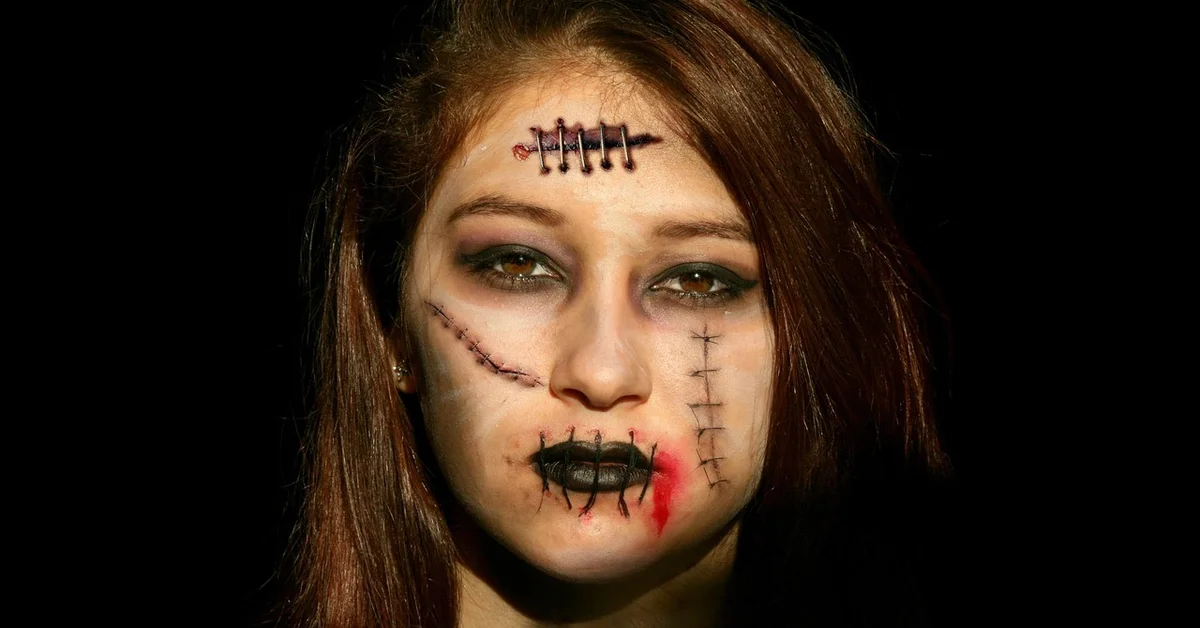
Covering a scar with a new tattoo is an art form that requires a different mindset than tattooing on virgin skin. You must accept that the final piece will have a unique texture and may not look perfectly uniform like a tattoo on undamaged skin. The goal is to transform the scar into a beautiful part of a larger design, not to pretend it isn’t there. With stretch marks, the choice often comes down to whether to tattoo over stretch marks or address the skin first. That decision—tattooing over stretch marks vs removing scarred skin—will influence the final look and how the piece ages.
Scar tissue behaves unpredictably with ink. It can reject color, cause blotchiness, or make lines spread. Realistic outcomes involve strategic design choices that work with the scar’s natural topography rather than fighting against it. I’ve seen incredible results where artists used scar lines as flower stems, mountain ridges, or lightning bolts.
Color Matching and Pigment Challenges
Scar tissue is fundamentally different from the surrounding skin, creating a major hurdle for color matching. The dense, fibrous nature of scars often causes them to absorb pigment differently, leading to patchy or faded-looking areas. You might notice that reds and yellows look muted over a pale scar, while darker pigments can sometimes appear more intense.
My strategy has always been to use highly saturated inks and to pack color with purpose. Opt for bold, opaque pigments and expect your artist to work the area multiple times to achieve an even saturation. Lighter colors often require a base layer of white ink first to help the true color pop over the scar’s altered skin tone.
Design Adaptations for Scarred Skin
Choosing the right design is the single most important factor for a successful scar cover-up. Intricate, fine-line designs are often a poor choice because they can become blurred and distorted by the scar’s uneven texture. You need artwork with enough visual weight and movement to disguise the underlying landscape.
Here are some design ideas that work exceptionally well over scars:
- Floral arrangements: Petals and leaves provide organic shapes that can easily flow around and over textured skin.
- Geometric patterns: Bold lines and sharp angles can create optical illusions that distract from the scar’s shape.
- Mandalas: Their symmetrical, detailed nature draws the eye away from any single focal point, including the scar.
- Animal scales or feathers: These textures naturally mimic the varied surface of scarred skin.
- Abstract watercolor splashes: The lack of defined borders makes it easy to blend the scar seamlessly into the artwork.
Risks and Precautions When Tattooing Over Scars
Tattooing over scarred skin from a removal procedure carries inherent risks that you must understand before committing. The skin in that area has already been traumatized, making it more vulnerable to complications during and after the tattoo process. Even the removal process itself can be risky. I always advise clients to treat this as a medical procedure as much as an artistic one.
Mitigation is your best defense. Follow these strategies to minimize potential problems:
- Wait a minimum of six months to a year after your last removal session to ensure the scar is fully matured and stable.
- Choose an artist who has a proven portfolio of successful scar cover-ups, not just a great general portfolio.
- Conduct a small patch test in a discreet area of the scar to see how your skin reacts to the ink.
- Disclose your full medical and tattoo removal history to your artist so they can adjust their technique.
- Invest in premium, professional-grade aftercare products and follow the instructions to the letter.
Health Risks: Infection and Healing Issues
Scar tissue has a compromised blood supply compared to healthy skin. This reduced circulation can dramatically slow the healing process, leaving the fresh tattoo vulnerable to infection for a longer period. The skin may also be thinner and more prone to tearing or blowouts during the tattooing itself.
Proper aftercare is non-negotiable. You must be vigilant about keeping the area clean and moisturized, but not oversaturated, to prevent scabbing and ink loss. I’ve seen clients neglect their aftercare on a scar cover-up and end up with a patchy tattoo that required extensive and painful touch-ups.
Sensation Changes: Pain and Numbness
Be prepared for a different pain experience. Many people report that tattooing directly over scar tissue is significantly more painful, often described as a deep, burning sensation compared to the sharp scratching of normal skin. Conversely, some areas might feel completely numb if the removal process damaged nerve endings. If you’re wondering how badly tattoo removal hurts, this honest guide outlines the range of experiences and the factors that influence pain. It also offers practical tips to prepare and cope.
This unpredictable sensation is something I’ve experienced firsthand. Managing this discomfort requires open communication with your artist, allowing for more frequent breaks and potentially shorter sessions. Using a topical numbing cream approved by your artist can help, but be aware it can sometimes affect how the skin takes the ink. The strange numbness can persist long after the tattoo has healed, a permanent reminder of the skin’s journey.
Preparing for Your Scar Camouflage Tattoo
Getting a new tattoo over a previously lasered area is a process that demands patience and precision. I’ve seen too many clients rush this stage and end up with a subpar result that requires even more laser work to fix. Your skin’s health is the absolute foundation for a successful cover-up. Laser tattoo removal for pigmentation can also help treat pigmentation issues from earlier sessions, smoothing out uneven skin tone. This creates a more uniform canvas for your new design.
Choosing an Experienced Tattoo Artist
Not every tattoo artist is equipped to handle scar tissue. You need a specialist. Scar tissue absorbs ink differently and can be more painful and unpredictable to work on than virgin skin. In my own studio, I turn away more scar cover-ups than I accept because I know my limits.
Here are the non-negotiable questions to ask during your consultation:
- Can I see a portfolio dedicated specifically to scar and cover-up tattoos?
- What is your experience working with skin that has undergone laser removal?
- What techniques or needle configurations do you use for scarred skin?
- Do you anticipate any challenges with my specific skin texture and elasticity?
A confident artist will have clear, detailed answers. If they hesitate or show you only fresh skin work, walk away.
Skin Care and Sun Exposure Precautions
Your skin needs to be in peak condition before the needle ever touches it. I treat my own skin like a canvas that needs priming for months beforehand.
- Sun Protection is Non-Negotiable: Do not tan the area. Ever. Fresh scar tissue hyper-pigments easily, and a sunburn will delay your appointment for months.
- Moisturize Religiously: Use a thick, fragrance-free cream daily to improve skin pliability and hydration.
- Wait for Full Healing: Your skin must be completely healed from the last laser session-no pinkness, no raised texture, no sensitivity. This often takes 3-6 months, sometimes longer.
- Consult a Dermatologist: If your scar is raised (hypertrophic) or pitted, get medical clearance first. Tattooing can aggravate problematic scarring.
Aftercare for Tattoos on Removed Skin Areas
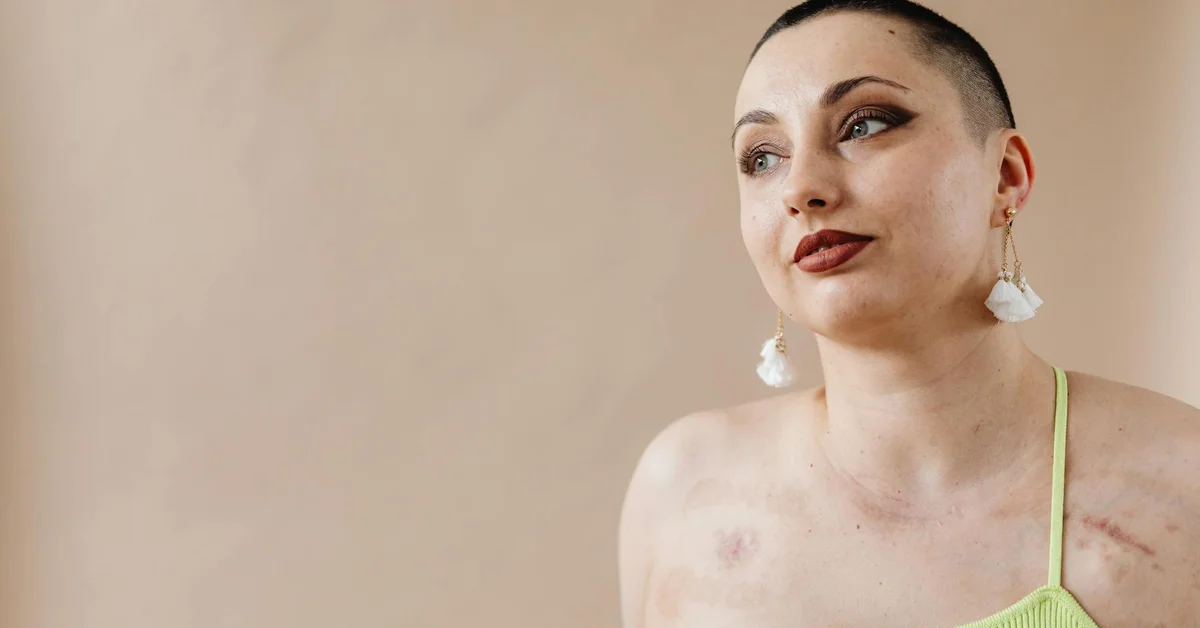
Healing a tattoo on scar tissue is a different beast. The aftercare protocol you used for your first tattoo likely won’t cut it here. The skin is more fragile, and color retention can be spotty.
Immediate Aftercare Steps
The first 48 hours are critical for setting the stage for a clean heal. I give my clients a strict, no-nonsense routine.
- Gently wash the tattoo with lukewarm water and unscented, antibacterial soap within a few hours of getting it. Pat dry with a clean paper towel-do not rub.
- Apply a paper-thin layer of the recommended ointment. More is not better; you will suffocate the skin.
- Wear loose, breathable clothing over the area to prevent irritation and allow air circulation.
- Repeat the wash and moisturize process 2-3 times a day. Watch for excessive redness, swelling, or hotness, which are signs of infection.
Do not submerge the tattoo in water or expose it to direct sun. Your new tattoo is an open wound sitting on compromised skin; treat it with extreme care. If you’re going through tattoo removal, follow a day-by-day healing guide to support recovery. A clear, structured plan helps minimize irritation and infection.
Long-Term Maintenance and Touch-Ups
Expect that your tattoo will not heal as evenly as one on normal skin. It is very common for scar tissue to reject some ink, leading to faded or patchy spots. This is not a failure; it’s a characteristic of the medium.
- Plan for a Touch-Up: Most artists will schedule a follow-up session 4-8 weeks after the initial healing to fill in any areas where the ink didn’t hold.
- Become a Sunscreen Evangelist: The single best thing you can do for the longevity of any tattoo, especially one on scar tissue, is to protect it from UV rays. Sun exposure will break down the ink rapidly.
- Keep Moisturizing: Even after it’s healed, keeping the skin supple will help the tattoo look its best.
- Monitor for Changes: Scar tissue can continue to change over years. Keep an eye on the tattoo and consult your artist if you notice significant spreading or distortion of the lines.
Frequently Asked Questions
How painful is it to tattoo over scar tissue?
Tattooing over scar tissue often causes more discomfort than on normal skin, as the area may have heightened sensitivity or numbness from nerve damage during removal, leading to a deep, burning sensation that requires open communication with your artist for pain management. Some clinics offer topical numbing creams to ease the procedure, and your artist can advise on whether a product is appropriate for scar tissue and how to apply it safely.
How does scar tissue affect the color of a new tattoo?
Scar tissue can absorb ink unevenly, resulting in patchy or faded colors, as the altered skin tone and density may mute certain pigments or cause blotchiness, so opting for bold, saturated designs helps achieve a more consistent appearance.
What are some good tattoo ideas for covering scars?
Effective tattoo ideas for scar cover-ups include organic designs like floral arrangements or abstract watercolor splashes, which use flowing shapes and textures to blend seamlessly with scarred skin, drawing attention away from uneven areas for a cohesive look.
Closing Words
You can absolutely get new ink over a removed tattoo, but the success of that fresh start rests entirely on your skin’s condition. The canvas must be smooth, supple, and completely healed from the removal process, which often requires more patience than you might think. Realistic tattoo removal before-and-after photos can help you set expectations. They show how the skin heals and what the finished look might be before you tattoo over it.
Do not rush this artistic rebirth; a consultation with a seasoned tattoo artist is your most critical step. Their trained eye will assess your skin’s texture and integrity, ensuring your new design has the vibrant, lasting foundation it deserves.
Further Reading & Sources
- Tattooing Over a Removed Tattoo – Genius Move or Ink Mistake? – Certified Tattoo Studios
- Can You Tattoo Over a Removed Tattoo?
Ink Fade Lab is your trusted source for tattoo removal insights, combining expert knowledge with compassionate care to help you make informed decisions about your tattoo journey. Based on years of experience in the tattoo removal industry, we are dedicated to providing accurate, up-to-date information to support your choices.
Fading for Cover-Ups