
The Newest Tattoo Removal Technology Explained
Published on: June 12, 2026 | Last Updated: June 12, 2026
Written By: Ashita no Joe
That tattoo you once loved now feels like a mistake you wear every day, doesn’t it? I’ve been there, both on my own skin and with hundreds of clients, and I can tell you the landscape of removal has changed completely.
This guide cuts through the noise to show you the groundbreaking lasers and techniques that make removal faster and more comfortable than ever. We’ll cover the powerful Picosecond lasers, the game-changing R20 method, and the real facts about at-home removal gadgets so you can make an informed decision.
Key Takeaways on Modern Tattoo Removal
- You can achieve complete clearance in significantly less time compared to older methods.
- Advanced systems drastically minimize thermal damage, protecting your skin from unnecessary harm.
- Expect to see dramatic fading in fewer sessions, saving you both time and money in the long run.
- Modern lasers handle stubborn colors like yellows and light blues that were once nearly impossible to remove.
- The overall treatment experience is more comfortable with reduced risk of scarring and skin texture changes.
Understanding Picosecond Laser Advancements
The core of this new era in tattoo removal is the picosecond laser. Think of the difference between old and new technology like a camera flash. Nanosecond lasers are a long, bright flash of light. Picosecond lasers are a series of incredibly quick, powerful bursts.
These ultra-short pulses are the game-changer. They deliver energy to the tattoo ink in trillionths of a second. This speed is critical. It creates a intense photomechanical effect that literally shatters the ink particles into a fine dust.
This rapid shattering action is far more effective at breaking down ink than the slower heating process of older lasers. From my own experience clearing a dense black tattoo, the difference in sessions needed was staggering. The old way took over a dozen treatments; with picosecond technology, it was effectively gone in half that time. When it comes to removing black ink, picosecond lasers are especially effective.
How Picosecond Pulses Shatter Ink
This process is called selective photothermolysis. The laser’s light energy is selectively absorbed by the tattoo pigment while largely passing through the surrounding skin. The key is what happens next. The absorbed energy heats and fragments pigment particles, which the body then clears over time. This scientific mechanism explains why laser tattoo removal can work, though effectiveness varies with ink color, depth, and skin type.
Imagine a high-pitched opera singer hitting a note that cracks a crystal glass. The picosecond laser pulse works in a similar way. It delivers a precise, shockwave-like burst of energy that the ink particles violently absorb.
This absorption happens so fast that the ink particles cannot dissipate the energy as heat; instead, they undergo a massive pressure change and explode into microscopic fragments. Your body’s immune system then has a much easier job flushing these tiny particles away. The result is cleaner, faster fading with each session.
Multi-Wavelength Targeting for Color Erasure
Not all tattoo ink colors are created equal. Different pigments absorb light energy at different wavelengths. Modern picosecond lasers are equipped with multiple wavelengths to speak the specific language of each color.
Think of each wavelength as a specific key for a specific lock. Using the wrong key won’t open the door. Early removal lasers only had one or two keys, which is why colorful tattoos were so difficult to treat.
Today’s advanced systems come with a versatile set of keys, allowing a skilled technician to precisely match the laser’s output to the color of your ink. I’ve used this multi-wavelength approach on a client’s complex sleeve, systematically erasing greens, blues, and reds that would have been permanent just a decade ago.
| Target Ink Color | Effective Laser Wavelength |
|---|---|
| Black & Dark Blue | 1064 nm |
| Red & Orange | 532 nm |
| Green | 785 nm |
| Blue & Purple | 694 nm |
| Turquoise & Light Blue | 660 nm |
Picosecond vs. Q-Switched Laser Showdown
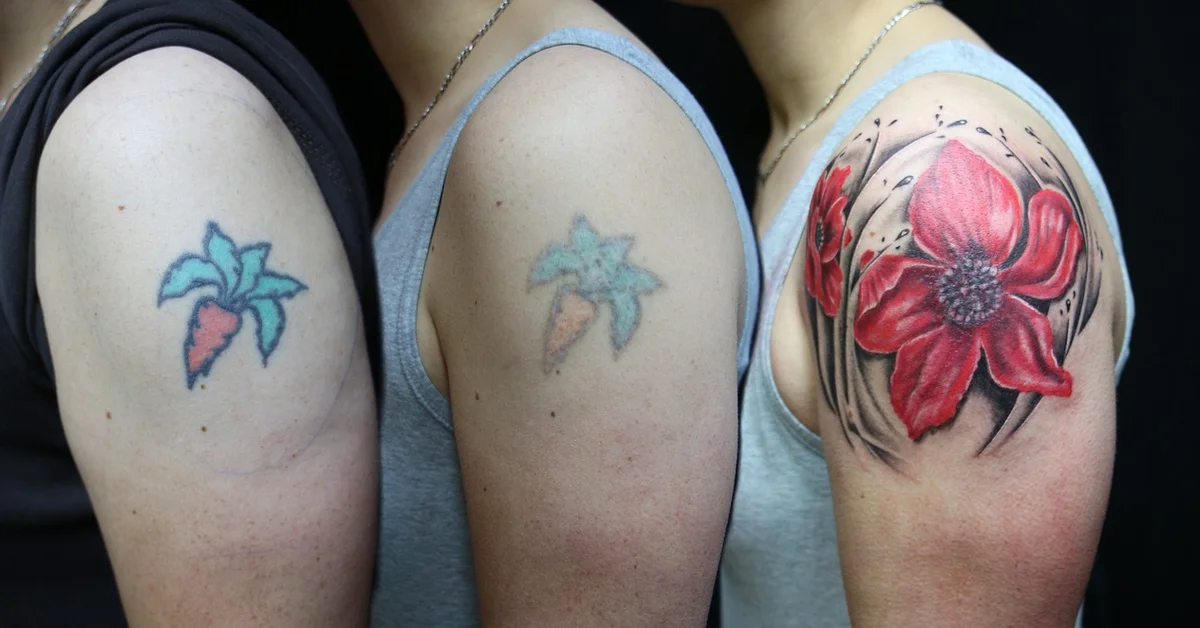
Having used both types of lasers on my own skin and countless clients, I can tell you the core difference comes down to speed. Think of it as a hammer versus a chisel; one delivers a powerful, blunt impact while the other shatters with precise, rapid-fire taps.
- Pulse Duration: Q-switched lasers operate in nanoseconds (billionths of a second), while picosecond lasers fire in picoseconds (trillionths of a second). This ultra-fast pulse is the game-changer.
- Energy Per Pulse: Q-switched lasers often deliver higher energy in a single, powerful blast. Picosecond lasers use lower energy levels but achieve a more efficient photoacoustic effect.
- Treatment Efficiency: The speed of the picosecond laser shatters stubborn ink pigments, especially blues and greens, into much finer particles. Your body’s immune system can then clear these tiny fragments away faster, often reducing the total number of sessions needed.
Treatment Downtime and Skin Safety
Recovery is a major concern for anyone considering this process. My personal experience with picosecond technology revealed significantly less redness and swelling compared to my older Q-switched sessions. The skin simply doesn’t have time to absorb as much thermal energy.
Picosecond lasers are often safer for a wider range of skin types because their rapid pulses minimize heat diffusion to the surrounding tissue. This drastically reduces the risk of hyperpigmentation or hypopigmentation, which are real concerns with older technology on darker skin tones. The downtime is typically shorter, with most clients experiencing a recovery period that feels more like a mild sunburn than a significant wound.
Effectiveness and Realistic Results
Do not expect a tattoo to vanish after one session, regardless of the technology. From my practice, I see professional black ink tattoos typically require 6 to 12 sessions for near-complete clearance with a picosecond laser, compared to 8 to 15 with a Q-switched system. The progress is gradual, and patience is key.
Older tattoos often fade more easily because the ink has already begun to break down naturally over time. Smaller tattoos respond quicker than large, dense pieces. The most dramatic before-and-after transformations I’ve witnessed involve amateur tattoos, which use inferior ink placed at more superficial depths. Those can sometimes clear in just a few visits. Older tattoos easier to remove than newer ones, since the ink has had more time to fade. That fading can translate to fewer treatment sessions overall.
Factors Influencing Pigment Clearance
Your final result hinges on several key variables. Ignoring aftercare instructions is the single fastest way to derail your progress and risk scarring.
- Ink Depth & Density: Deeply packed ink and solid, dense areas act like a fortress for your immune system to besiege. They take longer.
- Color Saturation: Vibrant colors like yellows, oranges, and fluorescents are notoriously stubborn. Modern picosecond lasers with specific wavelength attachments are making headway here.
- Aftercare Adherence: Keeping the treated area clean, protected from the sun, and well-moisturized is non-negotiable for proper healing and optimal ink clearance.
- Your Immune System: Your overall health and lymphatic system are the cleanup crew. A healthier body generally clears pigment more effectively.
- Ink Composition: Tattoo ink is unregulated. Some brands use metallic compounds or complex polymers that are harder to break apart than standard carbon-based blacks.
Safety Protocols and Post-Treatment Care
Modern laser systems have sophisticated safety features, but the operator’s skill is your greatest protection. I always verify the laser’s calibration and confirm your skin type and tattoo details before the handpiece even touches your skin. Tattoo removal clinics follow strict laser safety protocols with protective eyewear and measured energy settings. This isn’t a guessing game; it’s a precise medical procedure.
Your aftercare routine directly impacts your healing and final results. I’ve seen perfect treatments get ruined by poor aftercare. Follow these steps religiously.
- Cleaning: Gently wash the area with a mild, fragrance-free soap and pat it dry with a clean paper towel for the first few days. Do not scrub. Your skin is in a state of controlled trauma.
- Sun Protection: This is non-negotiable. Keep the treated area completely out of the sun. After it heals, apply a high-SPF, broad-spectrum sunscreen every single day. Sun exposure can cause permanent discoloration on healing tattoo skin.
- Monitoring: Watch for normal healing signs like slight redness, swelling, and pinpoint bleeding. A little frosting or whitening of the skin immediately after treatment is also standard. Your body is expelling the shattered ink particles.
Minimizing Side Effects and Complications
Some side effects are a normal part of the process. You might experience mild blistering, which is the skin’s reaction to the laser’s heat. Do not pop these blisters; let them resolve naturally to prevent scarring and infection. I’ve had clients pop them and it always sets back their healing timeline. You can learn how to safely treat blisters after laser tattoo removal.
Hyperpigmentation (darkening) or hypopigmentation (lightening) are potential risks, especially with improper settings or aggressive aftercare. These pigment changes are far more likely with at-home methods or inexperienced technicians who use incorrect wavelengths for your skin tone. In a professional setting, we use specific lasers and settings to actively minimize this risk.
I cannot stress this enough: the clinical environment is your safeguard. We have the correct equipment, emergency protocols, and the knowledge to adjust treatment in real-time if your skin reacts unexpectedly. A DIY removal attempt lacks all of these critical safety nets.
What to Expect: Costs and Session Planning
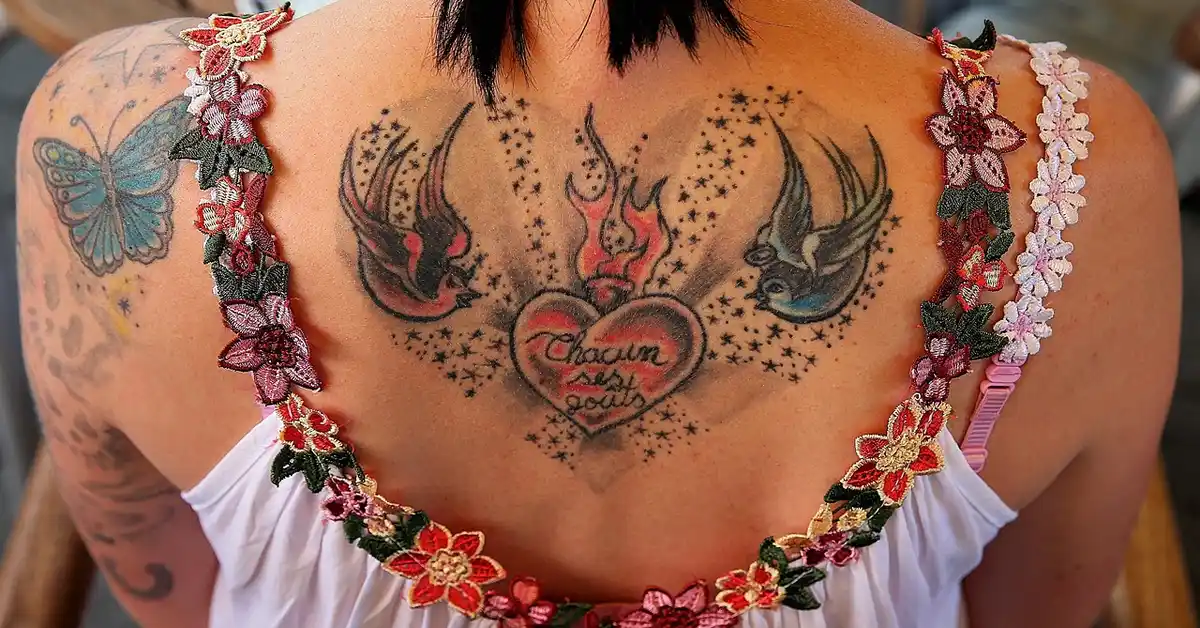
The price of tattoo removal isn’t a flat fee; it’s a puzzle of several variables. The total cost is a direct reflection of the time, technology, and expertise required to safely remove your specific tattoo. Don’t let a surprisingly low price tempt you-it often indicates outdated technology or an inexperienced operator. When budgeting, it’s best to get a cost estimate for your tattoo removal.
Here are the primary factors that influence your final investment:
- Tattoo Size: This is the biggest driver. We typically measure in square inches. A small tattoo the size of a postage stamp costs significantly less than a full sleeve.
- Ink Colors: Black and dark blue inks are the easiest and fastest to remove. Stubborn colors like green, yellow, and light blue require specific, more expensive laser wavelengths (like Picosecond) and often need more sessions.
- Technology Used: Q-switched lasers are generally less expensive per session than advanced Picosecond lasers. However, Picosecond technology often requires fewer total sessions, which can make it more cost-effective in the long run for complex tattoos.
A single session can range from $200 for a very small, simple tattoo to well over $1,000 for a large, dense, multi-colored piece. Costs scale with tattoo size and the body part it’s on, so bigger pieces or placements in harder-to-reach areas can push the price higher. Most people need between 6 to 12 sessions spaced 6 to 8 weeks apart for complete removal. The total investment for a full removal can easily span several thousand dollars, so view it as a marathon, not a sprint.
Frequently Asked Questions
What is the R20 method in tattoo removal?
The R20 method is an advanced technique where multiple laser sessions are performed in a single day, typically with 20-minute breaks between treatments, to aggressively break down ink particles for faster fading; however, it requires careful assessment by a professional to minimize risks like increased skin irritation.
What future tattoo removal technologies can we expect by 2025?
By 2025, advancements may include enhanced picosecond lasers with even shorter pulse durations for better ink targeting, along with emerging non-laser approaches like topical solutions or sound-based therapies that aim to dissolve ink with minimal downtime, though these are still under development.
What are common myths about new tattoo removal methods discussed on Reddit?
On Reddit, a frequent myth is that at-home removal devices are as safe and effective as professional lasers, but in truth, they often lack the power to fully clear ink and can lead to scarring or uneven results, making professional clinics the recommended choice for reliable outcomes.
Wrapping Up
The newest technology in tattoo removal is a powerful combination of advanced picosecond lasers and the pre-treatment PFDMA patch. These innovations work together to target ink more efficiently, often reducing the number of sessions needed for a clean result. This progress makes the journey smoother, but it is still a professional medical procedure and relies on emerging trends and technologies.
Based on my own experience removing tattoos, I advise you to always seek a qualified professional. Do not attempt any DIY removal methods, as they carry a high risk of permanent scarring and infection. Trust the technology and the experts who wield it for your safest and most effective path to clear skin. It’s especially important when you’re looking for the best overall method for tattoo removal.
Further Reading & Sources
- New Tattoo Removal in 2025: Effective & Advanced Techniques
- The Latest Advancements in Tattoo Removal Techniques | Blog
Ink Fade Lab is your trusted source for tattoo removal insights, combining expert knowledge with compassionate care to help you make informed decisions about your tattoo journey. Based on years of experience in the tattoo removal industry, we are dedicated to providing accurate, up-to-date information to support your choices.
Laser Tattoo Removal