Pico Lasers (PicoSure vs. Picoway): The Ultimate Guide
Published on: May 13, 2026 | Last Updated: May 13, 2026
Written By: Ashita no Joe
Are you stuck with a tattoo that no longer fits your life, wondering if Pico laser removal is your way out? I’ve been there-removing my own regrettable ink and helping clients do the same for years.
This guide gives you a straight-talking breakdown of PicoSure and Picoway lasers, so you can make a smart choice. We’ll compare how each laser shatters ink particles, examine which device handles stubborn colors and sensitive skin best, and share real-world insights on treatment speed and comfort.
What is a Pico Laser and How Does it Erase Ink?
Older nanosecond lasers delivered energy in billionths of a second, which was fast, but not fast enough. Picosecond lasers operate in trillionths of a second, a speed that fundamentally changes the game for breaking down tattoo pigment. This ultra-short pulse duration is the key to their superior performance.
The laser doesn’t “burn” the ink away. It uses a combination of photoacoustic and photothermal effects. The intense, rapid light energy is absorbed by the ink particles, causing them to heat up rapidly and vibrate violently. This process literally shatters the stubborn ink into a fine dust, a cloud of microscopic particles your body’s immune system can then easily recognize and carry away.
Think of it like this: hitting a large rock with a sledgehammer (nanosecond) will break it into smaller, but still sizable, chunks. Hitting that same rock with a precise, ultra-fast shockwave (picosecond) will pulverize it into sand. Your lymphatic system can flush away sand far more efficiently than it can manage chunks.
PicoSure vs. Picoway: The Core Technical Differences
While both are picosecond lasers, they achieve their results through different core technologies. This isn’t just a brand war; it’s a fundamental difference in engineering approach that impacts which tattoos they treat best. Beyond the hype, the tech matters—pulse duration, wavelength, and energy delivery drive real differences in outcomes. I’ll unpack the technology behind pico lasers beyond marketing claims to show how those specs translate in practice. Having used both machines in my studio, I’ve seen firsthand how these specs translate to results on skin.
| Specification | PicoSure | Picoway |
|---|---|---|
| Primary Wavelength | 755 nm (Alexandrite) | 1064 nm & 532 nm (Nd:YAG) |
| Pulse Duration | 550-750 picoseconds | Under 500 picoseconds |
| Spot Size | 2.5mm to 8mm | 2mm to 10mm |
The wavelength is the most critical differentiator. PicoSure’s 755nm wavelength is a master at targeting blue and green inks, which historically have been the most difficult to remove. Its unique PressureWave™ technology is exceptionally effective on these stubborn colors, often yielding results I couldn’t achieve with older technology.
Picoway, with its Nd:YAG laser foundation, offers a broader range of wavelengths. Its 1064nm is excellent for deep black ink, while the 532nm setting tackles reds and oranges. Picoway’s claim to fame is its incredibly short pulse duration, believed to create a stronger photoacoustic effect for more efficient ink fragmentation with less thermal damage to the surrounding skin.
In practice, this means PicoSure often has a distinct advantage on professional tattoos rich in turquoise, teal, and green. Picoway’s versatility makes it a powerful all-rounder, particularly effective on a wide spectrum of black, red, and amateur tattoos. The choice between them isn’t about which is “better,” but which is the right tool for your specific tattoo’s color palette.
Effectiveness for Different Tattoo Types and Colors
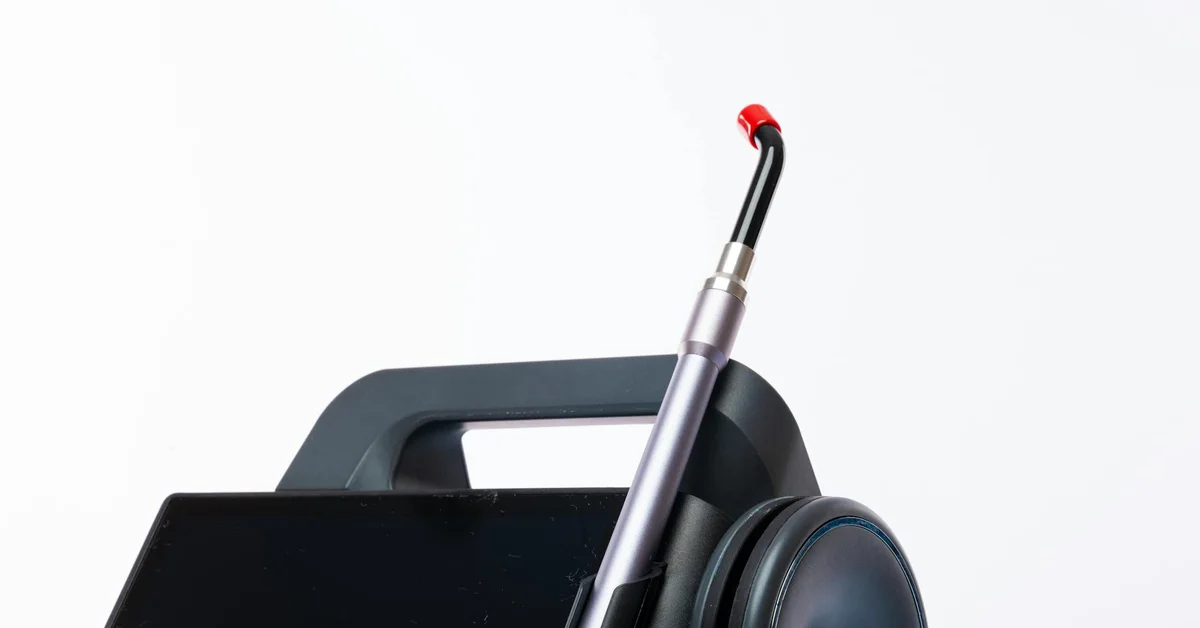
Not all tattoo ink is created equal, and neither are pico lasers. Choosing the right device for your specific ink colors is one of the most critical factors for a successful outcome. Q-switch vs pico laser technologies have different pulse durations and pigment interactions. Q-switched lasers typically deliver longer pulses, while pico lasers use ultra-short pulses that can shatter ink particles more efficiently. In my practice, I see a distinct performance split between the two systems.
Ink Color Breakdown
- Blacks and Dark Blues: Picoway is my go-to for these stubborn pigments. Its 1064nm wavelength is a powerhouse for shattering deep, dark ink particles efficiently.
- Greens and Blues: This is where PicoSure truly shines. Its unique 755nm wavelength targets these notoriously difficult colors far more effectively than other lasers I’ve used.
- Reds, Oranges, and Yellows: Picoway again takes the lead here. Its 532nm wavelength is specifically tuned to seek out and dismantle these warmer, lighter pigments.
- Purples and Violets: These colors often respond well to a combination approach, sometimes needing both the 755nm and 532nm wavelengths for complete clearance.
Amateur vs. Professional Tattoos
I’ve worked on thousands of tattoos, and the difference in removal is stark. Amateur tattoos, often applied with less skill and lower-quality ink, typically fade significantly faster than professional ones. The ink in amateur tattoos is usually deposited more superficially and inconsistently, making it an easier target for the laser’s energy during removal. Professional tattoos are a different beast; the ink is densely packed and placed deeper in the skin, demanding more sessions and patience regardless of the laser used.
Suitability for Skin Types and Secondary Benefits
Both PicoSure and Picoway are considered safe for a wide range of Fitzpatrick skin types (I-VI) when operated by a skilled professional. I am particularly careful with clients who have darker skin tones (IV-VI), as the risk of temporary hypopigmentation is higher. We use lower fluences and longer wavelengths to protect the melanin in their skin. A fantastic secondary benefit I’ve observed is the improvement of sun damage and pigmented lesions. The same mechanism that shatters tattoo ink can also break up clusters of unwanted melanin, leading to clearer, more even-toned skin.
The Treatment Experience: What to Expect
Knowing what happens during a session can ease a lot of anxiety. From my side of the laser, the process is a series of precise, rapid pulses, but from your side, it’s a unique sensory experience.
The Sensation
I always warn my clients: it feels like hot bacon grease splattering on your skin. The sensation is a sharp, snapping feeling, but the pico-second speed means each zap is over in a trillionth of a second. Most people find it very tolerable, especially compared to the slower, burning sensation of older nanosecond lasers. We use medical-grade cooling air during the entire process, which makes a world of difference.
Session Number and Timing
- Typical Sessions: Most tattoos require 6-12 sessions for significant fading or full removal. Stubborn colors or dense professional work can take more.
- Time Between Treatments: Your body needs time to clear the shattered ink. We always wait a minimum of 6-8 weeks between sessions, and sometimes up to 12 weeks for darker skin types. Rushing this process does not yield better results.
Immediate After-Effects and Downtime
The area will immediately become red and swollen, much like a mild sunburn. You will also see a frosty white appearance on the skin, which is a perfectly normal sign that the ink particles have been successfully fractured. This “frosting” typically subsides within an hour. Real downtime is minimal. You can go right back to your day, but the treated area will be sensitive. The redness and swelling usually calm down within 24-48 hours.
Safety, Side Effects, and Post-Treatment Care
Pico-second technology is incredibly safe in expert hands, but it’s still a medical procedure. Proper aftercare is not a suggestion; it’s the single biggest factor that determines your final result and skin health.
Common, Temporary Side Effects
- Redness and swelling (like a sunburn)
- Mild pinpoint bleeding or bruising
- Tenderness to the touch
- Itching as the skin heals
These effects are expected and typically resolve within a few days.
Rare but Serious Risks
While uncommon, you need to be aware of the possibilities. The most significant risks are textural changes like scarring, or color changes in the skin such as hypopigmentation (lightening) or hyperpigmentation (darkening). These are more likely to occur with inexperienced operators, incorrect settings for your skin type, or failure to follow aftercare instructions, especially sun exposure. I have personally corrected cases of hypopigmentation caused by other clinics, and it’s a long, difficult process to reverse.
Post-Treatment Care Checklist
- Apply a cold compress intermittently for the first 24 hours to reduce swelling.
- Gently cleanse the area twice daily with a mild, fragrance-free soap and pat it completely dry.
- Apply a thin layer of ointment like Aquaphor or a prescribed antibiotic cream for the first 3-5 days.
- Let any blisters breathe and heal naturally; do not pop them.
- Keep the area completely out of the sun. Once healed, apply a high-SPF, broad-spectrum sunscreen every single day.
- Avoid strenuous exercise, pools, and hot tubs for at least 48 hours to prevent irritation and infection.
Your skin is in a vulnerable state after treatment, and protecting it from the sun is non-negotiable for preventing permanent discoloration — especially when it’s exposed post tattoo removal.
Analyzing Cost and Overall Value
You cannot simply compare two price tags and call it a day. The cost per session for PicoSure and Picoway is influenced by several concrete factors. The size, density, and color composition of your tattoo are the primary drivers of the price. In practice, the tattoo size and body part it sits on can significantly affect the total removal cost.
- Laser Technology and Consumables: Picoway often uses a slightly less expensive laser medium, which can translate to lower overhead for the clinic, potentially lowering your session cost. PicoSure’s Alexandrite laser has specific costs associated with its maintenance.
- Tattoo Characteristics: A small, simple black tattoo will cost less per session than a large, multi-colored sleeve. Certain pigments, like vibrant blues and greens, often require the specific wavelength of a PicoSure, which can affect the pricing structure.
- Geographic Location and Clinic Prestige: A clinic in a major city with a renowned specialist will charge more than a general medspa in a suburban strip mall.
This brings us to the core question of value. Is a cheaper treatment that demands more sessions truly a better deal? From my professional view, usually not. Value is not about the lowest price per session; it is about the lowest total cost and time investment for complete clearance. A cheaper laser that is a poor match for your ink might take 12 sessions, while a slightly more expensive, perfectly matched laser could achieve better results in 8. You save money, pain, and years of your life.
Do not overlook the human element. Clinic overhead and practitioner skill are enormous, often hidden, factors in the price you pay. A highly skilled technician who can properly assess your skin and adjust laser settings for maximum efficacy and safety is worth their weight in gold. Their expertise, built on treating thousands of tattoos, prevents complications like hypopigmentation or scarring, which are far more costly and difficult to fix than the original tattoo. In tattoo removal clinics, laser safety protocols protect clients and staff. Compliance with these protocols is non-negotiable for safe, effective treatment.
Making Your Choice: A Practical Checklist

Before you book a consultation, evaluate your own situation with this checklist. It will make you an informed participant in the process.
Evaluate Your Tattoo and Skin
- Ink Colors: List every color present. Pay special attention to blues, greens, and purples.
- Tattoo Age: Is it fresh (less than 3 months) or fully settled (years old)?
- Skin Tone: Be honest about your Fitzpatrick skin type. Are you fair and prone to burning, or do you have a darker, melanin-rich complexion?
- Tattoo Location: Is it on fleshy, vascular tissue like the thigh, or on a boney, sensitive area like the ankle or ribs?
- Your Goal: Do you seek complete removal or just enough fading for a successful cover-up?
Questions for Your Clinic Consultation
Walk into your consultation ready. A good technician will welcome these questions.
- Which specific laser system do you use for my type of tattoo and skin tone?
- Can you show me before-and-after photos of tattoos similar to mine that you have treated here?
- How many sessions do you realistically estimate for my desired result?
- What is your protocol for managing potential side effects like blistering or skin texture changes?
- What is your personal experience and training with this specific laser technology?
Final Direct Advice
Based on my years of experience using both systems, here is my straightforward guidance.
Lean towards PicoSure if: Your tattoo is dominated by stubborn blues and greens. I have seen it shatter these specific pigments with an efficiency that still impresses me. It is also a fantastic workhorse for darker skin tones when used by an expert, as its pressure-wave technology can be less harsh on melanin.
Picoway is likely your better fit if: You have a black or dark ink tattoo and want the fastest possible clearance. Its sheer speed and power for these pigments are remarkable. It is also an excellent all-arounder for a wide range of colors on light to medium skin tones.
Ultimately, the best laser is the one your trusted, experienced technician recommends for your unique situation. The machine is just a tool; the artist wielding it is what makes the difference.
Frequently Asked Questions
What is the primary advantage of PicoSure over Picoway?
PicoSure’s main advantage is its specialized 755nm wavelength and PressureWave technology, which are highly effective at targeting and breaking down stubborn blue and green tattoo inks that often resist treatment with other lasers. As researchers investigate future tattoo removal emerging technologies, the insights from this approach are guiding the development of next-generation devices and techniques that could expand ink coverage and improve safety and speed.
What is the key strength of Picoway compared to PicoSure?
Picoway stands out due to its ultra-short pulse duration and versatile Nd:YAG laser system, which allows it to efficiently treat a broad spectrum of ink colors, particularly deep blacks and vibrant reds, while minimizing thermal damage to surrounding skin.
What do online discussions, like those on Reddit, commonly highlight about PicoSure vs. Picoway?
On platforms such as Reddit, users often emphasize that PicoSure is favored for its superior performance on blues and greens, while Picoway is praised for its versatility and effectiveness on multi-colored tattoos, though many stress that technician expertise matters more than the laser brand itself. In discussions about the best laser tattoo removal, pico-second devices are commonly weighed against traditional Q-switched lasers. Ultimately, results depend on pigment, skin type, and operator skill.
Closing Words
When it comes to clearing your skin, professional pico laser removal is the definitive path forward. Trusting a skilled technician with advanced technology is the only way to achieve clean, safe results without compromising your skin’s health. The harsh reality is that DIY methods simply cannot compete with the precision and power of these medical-grade devices. Additionally, laser tattoo removal can address pigmentation issues such as uneven skin tone or lingering pigment around the treated area. This precision makes it a versatile option for clearer skin overall.
While Picoway often has a slight edge for a broader range of ink colors, PicoSure remains a powerhouse for stubborn blues and greens. The best machine for you ultimately depends on your unique tattoo; a proper consultation will pinpoint the right tool for the job. For those evaluating the best professional tattoo removal laser machines, ask which device and wavelength will be used on your tattoo. The right choice can make a big difference in results and comfort. Your journey to clear skin is a marathon, not a sprint, so choose your provider as carefully as you chose your artist.
Further Reading & Sources
- PicoSure vs. PicoWay: A Guide to Advanced Laser Treatments | Aesthetics & Medical Lasers of Colorado
- PicoSure vs. PicoWay: What’s the Difference?
Ink Fade Lab is your trusted source for tattoo removal insights, combining expert knowledge with compassionate care to help you make informed decisions about your tattoo journey. Based on years of experience in the tattoo removal industry, we are dedicated to providing accurate, up-to-date information to support your choices.
Professional Laser Machines