
The Psychology of Tattoo Regret
Published on: April 21, 2026 | Last Updated: April 21, 2026
Written By: Ashita no Joe
Have you ever looked at a tattoo and felt a pang of disappointment or even shame? That feeling is more common than you might think, and it’s rarely just about the ink itself.
I’ve guided countless clients through this exact experience. This guide will walk you through the complex emotional journey behind tattoo remorse. We’ll explore the psychological stages of regret, the hidden factors that influence your decision to keep or remove a tattoo, and how to move forward with confidence.
The Core Psychological Drivers of Tattoo Regret
Your brain fights hard to protect the choices you make. This mental tug-of-war is a primary source of tattoo remorse. I’ve seen it in hundreds of clients sitting in my chair, trying to justify a decision their heart no longer agrees with.
Cognitive Dissonance
This is the mental discomfort you feel when your actions clash with your beliefs. You paid for a permanent tattoo, but now you hate it. Your mind struggles to reconcile the permanence of the tattoo with your current desire for it to be gone. To ease the pain, you might tell yourself it’s “not that bad” or “has a story,” even when you desperately want it removed. This can be part of it’s not me anymore—a personal growth moment that includes tattoo removal. Removing the tattoo can symbolize aligning your outer image with your evolving inner beliefs.
Commitment Bias
Once you invest time, money, and emotional capital into something, you’re more likely to stick with it, even when it’s a mistake. Commitment bias is that stubborn voice insisting you should “own your choices” despite the clear evidence that a tattoo was a poor decision. I’ve personally battled this, delaying the removal of a poorly executed piece because I’d already “committed” to the bad art.
Common Psychological Triggers for Regret
- Rushed decision-making without sufficient contemplation
- Choosing a design for its aesthetic appeal alone, with no personal anchor
- Experiencing a significant life event that changes your perspective
- Placing a tattoo in a highly visible location, leading to constant self-judgment
- Receiving negative feedback or social stigma about your ink
Common Factors That Fuel Tattoo Regret
Regret rarely comes from a single source. It’s usually a perfect storm of internal and external pressures. After years in this business, I can often predict which tattoos will eventually bother someone based on the circumstances under which they were gotten.
Checklist of Top Tattoo Regret Factors
- Getting tattooed while intoxicated or under the influence
- Choosing a name of a romantic partner
- Selecting a design purely because it was trendy
- Poor placement that interferes with professional life
- Low-quality execution by an unskilled artist
- Making the decision to appease someone else
- Ignoring nagging doubts during the design process
Social Influences and Peer Pressure
We are social creatures, and the desire to belong is powerful. I’ve removed countless tattoos that were born from groupthink rather than genuine self-expression. Removing cultural or tribal tattoos can affect how you’re perceived within your community and may raise questions about belonging, heritage, and personal autonomy.
Many clients confess they got matching tattoos during a “girls’ weekend” or a “guys’ trip” without any real personal connection to the symbol. The tattoo served as a social souvenir that lost its meaning once the friendship faded or the trip became a distant memory.
Examples of Social-Driven Regrets
- Matching tattoos with a group of friends who are no longer in your life
- Trend-based designs like tribal armbands or infinity symbols that feel dated
- Tattoos inspired by a celebrity or influencer you no longer admire
- Pressure from a partner to get their name or a couples-themed design
- Getting tattooed simply because everyone else in your social circle was doing it
Changes in Personal Identity and Meaning
The person you were when you got the tattoo is not the person you are today. I’ve watched clients evolve, and their skin art sometimes fails to keep pace with their personal growth. For job stoppers navigating career goals, visible tattoos can seem like a barrier. Yet with clear objectives, many reframe tattoos as part of their professional story.
One client came to me with an elaborate dragon covering his entire forearm. He got it during a phase where he identified with rebellion and chaos. Fifteen years later, he had become a meditation teacher and said the aggressive imagery constantly contradicted his peaceful demeanor. The tattoo wasn’t bad art-it was just a relic from a former self.
Another common story involves career shifts. A vibrant sleeve might fit a bartender’s identity perfectly but become a source of anxiety when that person transitions into corporate leadership. Your skin is a living canvas that tells your life story, and sometimes chapters need to be edited or rewritten entirely.
The Mental Journey from Regret to Removal

Moving from the initial sting of tattoo regret to booking a removal appointment is a psychological marathon. This journey demands you manage powerful emotions while making a series of rational, calculated choices. Based on my own experience and guiding hundreds of clients, I’ve mapped the common decision-making steps. It is also essential to manage your mental health during this emotional journey.
- Acknowledge the Feeling: The first step is the hardest. You must admit to yourself, without judgment, that the tattoo no longer fits your identity or brings you joy.
- Identify the Trigger: Pinpoint what specifically causes the regret. Is it the design, the placement, a faded color, or a memory it represents? Naming it reduces its emotional power.
- Research Realistically: Investigate the removal process with a clear head. Understand the time, financial cost, and physical discomfort involved. Hope is vital, but it must be grounded in reality.
- Consult a Professional: Schedule a consultation with a certified removal technician. This makes the process tangible and shifts it from an abstract worry to a concrete plan.
- Weigh the Alternatives: Seriously consider all paths-full removal, a cover-up, or a modification. Your choice must align with your personal goals and lifestyle.
- Commit to a Path: Make a final, deliberate decision and schedule your first session. This act of commitment is a powerful step toward reclaiming control over your skin.
Recognizing Early Signs of Regret
Regret often starts as a quiet whisper before it becomes a shout. Learning to spot the early psychological cues can save you years of silent distress. I’ve felt many of these myself and see them constantly in my studio.
- You feel a pang of self-consciousness and adjust your clothing to hide the tattoo in certain social situations.
- The tattoo becomes a focal point of negative self-talk. You criticize it, and by extension, a part of yourself.
- You experience a ‘phantom itch’ or heightened awareness of the skin where the tattoo sits, a sensory memory of the initial process now linked to unease.
- Looking in the mirror, your eye is drawn directly to the tattoo with a sense of disappointment, rather than seeing your whole self.
- You avoid photographs or strategically position your body to keep the tattoo out of the frame, editing your life to avoid a visual intrusion.
- A feeling of permanence panic sets in. The idea that this is “forever” can create a low-grade, persistent anxiety.
Evaluating Tattoo Removal Options
Once you confront the regret, you face a critical crossroads. Your autonomy is paramount here; the right choice is the one that gives you the most peace. I always lay out the three main paths for my clients, as I did for my own unwanted tattoos.
| Option | Process | Considerations |
|---|---|---|
| Professional Laser Removal | Uses targeted light to break down ink particles, which your body then naturally flushes out over multiple sessions. | This is the gold standard for complete removal. It requires patience, a significant financial investment, and a high pain tolerance. The result is clear skin. |
| Cover-up Tattoo | A new, larger, and darker tattoo is strategically designed to mask the original artwork. | A faster solution that transforms the space. It limits future design options and requires an exceptionally skilled artist. You are trading one tattoo for another. |
| Tattoo Modification | An artist reworks the existing tattoo, altering its design, adding elements, or re-shading to improve its appearance. | A creative middle ground. It can salvage a tattoo you have a partial connection to. Success is entirely dependent on the original tattoo’s state and the artist’s vision. |
Do not entertain dangerous DIY methods like salabrasion, acid, or at-home lasers. These kitchen-table experiments consistently lead to severe scarring, infections, and a far more complex problem for a professional to fix later. Your skin deserves expert care, not a reckless gamble.
How Personal Narratives Shape Regret and Removal
In my studio, I’ve seen that the story a person tells themselves about their tattoo is the single biggest factor in their decision to remove it. The narrative around the ink shifts from a symbol of a moment to a reminder of a mistake, and that mental shift is powerful. People don’t just see faded pigment; they see a chapter of their life they wish to edit or close entirely. This is where the role of fading in tattoo removal fits into the conversation. It reframes the ink’s meaning as you step into a new chapter, rather than erasing a memory.
Clients who successfully navigate removal often develop new coping strategies. They stop hiding the tattoo and start openly discussing their removal journey. This reframing transforms the process from a shameful secret into an active step toward reclaiming their skin. The laser becomes a tool not for erasure, but for authorship over their own body’s story.
Case Study: Regret After Impulsive Decisions
A young client came to me with a large, poorly executed tattoo on his forearm. He got it on a whim during a wild weekend, chasing a feeling of rebellion. The fantasy was freedom and spontaneity. The reality was a permanent, blurry mark that didn’t match his professional aspirations.
He described the moment of regret as visceral. The thrill of the tattoo gun faded, replaced by the sinking realization that this wasn’t a temporary accessory. The “gap” between the impulsive fantasy and his daily reality became a source of constant anxiety. He felt judged before he even spoke.
The lesson he learned was about permanence. His removal process became a deliberate, thoughtful counterpoint to his original impulsive act. Each laser session was a scheduled, conscious choice, teaching him that rewriting your story requires patience and purpose, not just a passing feeling.
Case Study: Identity Evolution Leading to Removal
I worked with a woman in her forties who had a delicate ankle tattoo from her early twenties. It was a symbol of a specific person she used to be-carefree, perhaps a bit naive. Two decades, a career, and a family later, that symbol no longer fit.
She didn’t hate the tattoo. She simply outgrew it. The image felt like it belonged to a stranger, a ghost in her personal history. Her self-perception had evolved so dramatically that the tattoo became a dissonant note in her identity. It was a lovely drawing, but it was no longer *her*.
Her decision to remove it was quiet and decisive. This wasn’t about erasing a mistake, but about making space for the person she had become. The process was her way of aligning her outer skin with her inner self-a gentle, necessary update to her life’s visual narrative.
Strategies to Minimize Future Tattoo Regret
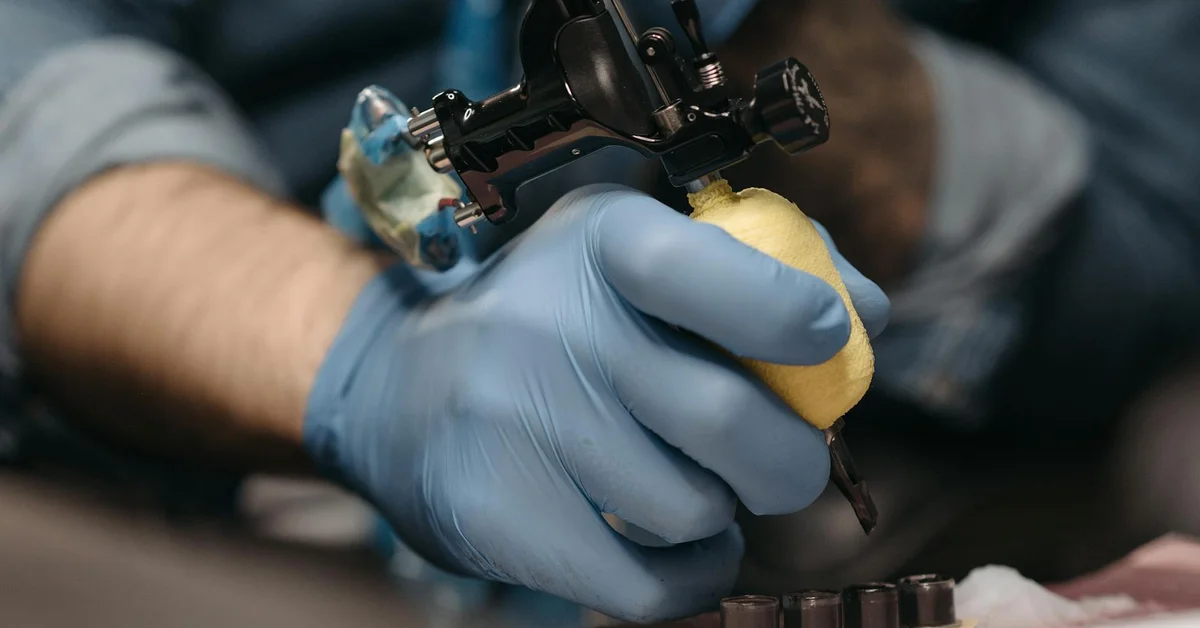
I’ve seen too many people in my chair for removal who simply didn’t think it through. A tattoo is a conversation with your future self, and you need to make sure you’re both on the same page. The goal is to make a decision you can live with, literally, for decades. Sometimes the question isn’t whether to remove, but whether a cover-up is the right move. In the end, it’s about choosing which path—removal or cover-up—that’s right for you.
Assessing Long-Term Satisfaction
Before any needle touches your skin, you must conduct a personal interview with yourself. This isn’t about fleeting trends; it’s about your core identity. Your skin is a canvas, not a bulletin board for every passing thought. Ask yourself these critical questions.
- Have I sat with this design idea for at least six months, or is this an impulsive reaction to a recent event?
- Does this image or text hold deep, personal meaning that will likely remain significant throughout my life’s different chapters?
- How will this tattoo look and feel when I’m 50, 70, or 90 years old? Does it align with the person I am becoming?
- Am I comfortable with the visibility of this placement in all my potential future professional and social environments?
- If my personal style or body changes drastically, will this tattoo still feel like a part of me?
I personally have a rule for myself and my clients: the 24-hour rule. Once you’ve settled on a final design and placement, wait one full day before committing. This final pause has saved me from at least two tattoos I would have deeply regretted.
Your Tattoo Risk Assessment Checklist
Print this. Use it. Be brutally honest with your answers. This checklist is your first and most powerful line of defense against future regret.
- Design & Meaning:
- The design is unique to me, not a direct copy from the internet.
- The symbolism is personally resonant, not generic.
- I would be proud to explain its meaning to a stranger in ten years.
- Artist & Execution:
- I have thoroughly researched my artist and their style matches my vision.
- I have seen their healed work, not just fresh photos.
- I trust their professional judgment on sizing and placement.
- Placement & Permanence:
- I have considered how this placement will look with my typical clothing.
- I am financially and emotionally prepared for the cost and commitment of removal if necessary.
- I accept that this is permanent and removal is a difficult, expensive process.
Building Resilience Against Social Pressure
This is a silent epidemic in the tattoo world. I’ve lasered off countless “friend tattoos,” matching designs, and pieces people got just to feel part of a group. Getting a tattoo to please someone else is a guaranteed recipe for regret. Your body is your sovereign territory.
Peer pressure doesn’t always look like someone begging you to get inked. It can be subtle. It’s the feeling that everyone in your social circle has one, so you should too. It’s the desire to commemorate a relationship in a way that feels unbreakable. True friendships don’t require matching skin to validate their strength.
Here is how you hold your ground and protect your future self.
- Practice Your “No”: Have a simple, non-negotiable phrase ready. “It’s not for me,” or “I’ll know when I find the right design,” works perfectly. You do not owe anyone a lengthy explanation.
- Separate the Event from the Tattoo: Want to celebrate a birthday or a trip? Do it. Get a tattoo to celebrate? Only if the design is for *you*, independent of the event. A tattoo should not be a souvenir.
- Beware the “Free” Tattoo: An offer for a free tattoo from an aspiring artist is often the most expensive mistake you can make. You are paying with your skin, potentially for a lifetime.
- Listen to Your Gut: If you feel a knot in your stomach or a voice of doubt when discussing the design, stop. A good artist will respect your hesitation and would rather reschedule than give you a tattoo you’re unsure about.
I refused to tattoo a client’s boyfriend’s name on her wrist, despite her insistence. She was angry with me then. She thanked me profusely two years later when they broke up. Sometimes, the most professional thing I can do is say no.
Frequently Asked Questions
What is the psychological definition of tattoo regret?
Tattoo regret is psychologically defined as the emotional distress or dissatisfaction that arises when a tattoo no longer aligns with an individual’s self-identity, values, or life circumstances, often triggering feelings of shame or disappointment due to its perceived permanence.
What does psychological research reveal about tattoo regret?
Psychological research indicates that tattoo regret is frequently linked to impulsive decision-making, social influences, and identity shifts, with studies showing that regret can stem from cognitive dissonance and a lack of personal meaning in the design, rather than the tattoo’s quality alone.
How do online communities like Reddit discuss tattoo regret?
On platforms like Reddit, users often share personal stories of tattoo regret, seeking support and advice on removal options, with common themes including the emotional toll of unwanted ink and the relief found in taking steps toward removal or cover-ups.
Closing Words
Regretting a tattoo is a deeply human experience, not a personal failure. Your feelings are valid, and the desire for a clean slate is a powerful form of self-care. Memorial tattoos carry extra emotional weight. Removing them is a careful, healing choice that honors memory while you move forward. I’ve sat with countless clients, and myself, through this process, and the common thread is a need for control over one’s own skin and story.
Give yourself permission to change your mind. The path to removal is a journey of patience, but it is a journey with a clear and attainable destination. Research your options, consult a professional you trust, and leave the kitchen-table concoctions and online gimmicks where they belong—far away from your skin.
Further Reading & Sources
- Why Most People Don’t Regret Their Tattoos | Psychology Today
- The Statistics Surrounding Tattoo Regret and How to Avoid It | Advanced Dermatology
Ink Fade Lab is your trusted source for tattoo removal insights, combining expert knowledge with compassionate care to help you make informed decisions about your tattoo journey. Based on years of experience in the tattoo removal industry, we are dedicated to providing accurate, up-to-date information to support your choices.
Consultation & Cost