Why Are So Many Celebrities Removing Their Tattoos?
Published on: April 10, 2026 | Last Updated: April 10, 2026
Written By: Ashita no Joe
Have you ever looked at a tattoo you once loved and felt a sudden pang of regret? You’re not alone-some of the world’s biggest stars are feeling the same way and taking action. I’ve seen this shift firsthand in my own studio, and this guide will break down exactly what’s driving this cultural moment.
We’ll explore the powerful reasons behind this trend, from career rebrands to personal evolution. You’ll learn about the changing perception of body art in the public eye and the advanced removal technologies making it possible.
The Rise of Celebrity Tattoo Removal
We are witnessing a quiet exodus from permanent ink, led by the very people who once made tattoos a global trend. What was once a symbol of rebellion is now being shed in favor of a cleaner, more curated public persona. I’ve watched this shift firsthand in my studio, where the requests have evolved from “make it bigger” to “make it disappear.” The cultural conversation is no longer just about getting tattooed; it’s about the freedom to be untattooed.
Key Reasons Driving Celebrities to Remove Tattoos
The decision to erase permanent art is never simple. For public figures, it’s a calculated move influenced by powerful personal and professional forces.
Career and Branding Imperatives
A celebrity’s body is part of their brand portfolio. Visible tattoos can directly limit an actor’s casting potential or a model’s appeal to high-fashion labels. I’ve worked with clients whose arm tattoos prevented them from landing corporate spokesperson roles. The entertainment and fashion industries, while more accepting, still maintain strict aesthetic codes for certain jobs.
- Role Restrictions: Film and television directors often need a “blank canvas.” A prominent tattoo can typecast an actor or break the audience’s immersion in a period piece.
- Brand Alignment: A luxury brand signing a multi-million dollar deal may require a brand ambassador to have a neutral appearance, free from potentially conflicting personal statements.
- Public Image Control: Social media amplifies every detail. A tattoo from a past relationship or a youthful indiscretion can become a permanent, distracting footnote in every news story.
From my own experience, a small hand tattoo I got young became a recurring topic in professional meetings that had nothing to do with my art. Removing it was a strategic choice to let my work, not my ink, speak first.
Personal Growth and Changing Narratives
Tattoos are snapshots of who we were. Celebrities are simply people who evolve in the public eye. The tattoo you got at 22 for a band you no longer listen to can feel like a relic on your skin at 40. The desire for removal is often a sign of profound personal growth, not regret. Even public figures like Pete Davidson opt for tattoo removal as a part of their personal evolution.
- Outgrown Symbolism: A name of an ex-partner, a symbol from a closed chapter of life, or a style that no longer resonates can become a daily reminder of a past self.
- The Aesthetic Shift: Personal taste matures. The large, bold “tribal” arm band that was trendy decades ago can clash with a more refined and minimalist personal style later in life.
- A Clean Slate: For some, removal is a form of therapy. It’s a physical act of shedding past trauma, mistakes, or a public identity they no longer wish to maintain.
I removed a quote from my own forearm that once felt profound but later seemed naive. Laser removal offered a tangible way to align my outer skin with my inner self. This process is deeply personal, and I always caution clients against DIY methods-improper techniques can lead to permanent scarring, making a visual problem a textural one. Professional laser removal, while a commitment, is the only safe path to truly turning the page.
Notable Celebrity Tattoo Removal Stories
High-Profile Examples and Their Motivations
I’ve seen countless clients walk through my door with a magazine photo, pointing to a celebrity and saying, “If they can do it, so can I.” Celebrity tattoo removal stories often act as powerful catalysts for people considering the process themselves. Their motivations are surprisingly relatable, despite the fame. Even celebrities like Steve-O and MGK have spoken about their own tattoo journeys. Their stories show that removal can be a meaningful step in personal growth.
Angelina Jolie’s removal of her “Billy Bob” tattoo is perhaps the most famous example. It was a large script on her arm, a very visible declaration of a past relationship. She had it lasered off and later covered with geographical coordinates representing her children’s birthplaces. This shift from a tattoo symbolizing a romantic partner to one honoring her children perfectly illustrates a personal evolution. The old skin had to go to make way for the new.
Megan Fox has been open about removing several of her tattoos. She described one, a poem on her ribcage, as something she “hated.” In my own practice, I find this is a common feeling. A tattoo that once felt profound can, over time, feel like a mistake you have to look at every day. The desire to simply erase a piece of your past that no longer fits is a powerful and valid reason for removal.
Johnny Depp has famously been lightening his many tattoos, reportedly to make them easier to cover with makeup for film roles. This is a purely professional motivation. Your skin is your canvas, but it’s also your resume; sometimes career demands require a cleaner slate. I’ve worked with actors and models myself who need a visible tattoo gone for a specific part or campaign.
- Personal Growth: Tattoos from a previous chapter of life lose their meaning.
- Professional Image: Maintaining a certain brand or meeting role requirements.
- Relationship Changes: Removing names or symbols of former partners.
- Regret & Aesthetics: Simply disliking the design or quality of the tattoo.
How Tattoo Removal Works: Methods Used by Celebrities
Laser Removal: The Gold Standard
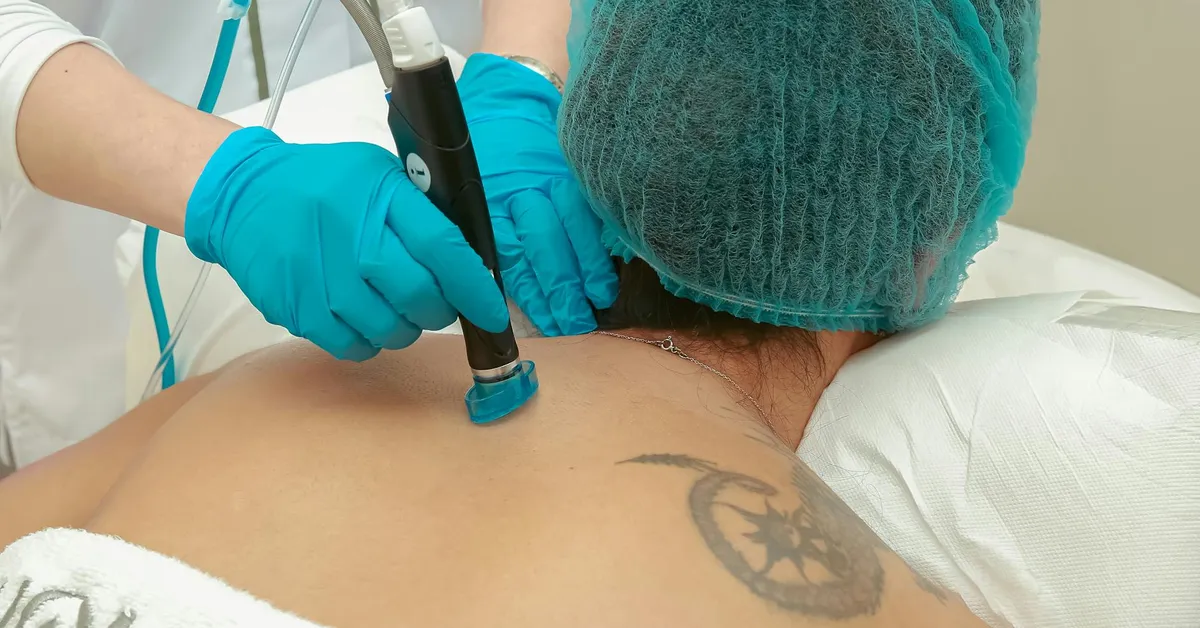
When a celebrity wants a tattoo gone, they almost always turn to professional laser removal. I’ve used this technology on myself and hundreds of clients. Laser removal is the most effective and precise method for breaking down tattoo ink trapped in your skin. The process is scientific, not magical.
The laser emits a specific wavelength of light that passes harmlessly through your skin. This light is absorbed by the tattoo pigment, causing the ink particles to shatter into tiny fragments. Your body’s immune system then recognizes these tiny ink particles as foreign invaders and slowly flushes them out over time. This is why multiple sessions are necessary—you’re essentially helping your body do its cleanup work in manageable stages. In some cases, the pigment can temporarily oxidize, causing the tattoo to appear darker before fading. This post-treatment darkening is a normal part of the process and usually resolves as the ink fragments are cleared.
The type of laser matters immensely. Most high-end clinics, the kind celebrities frequent, use Q-switched lasers. These lasers produce an incredibly intense beam in a billionth of a second. This ultra-fast pulse shatters the ink without generating excessive heat that could damage the surrounding skin. It feels like a hot rubber band snapping against your skin, and the sensation is over in a flash.
- Consultation: A trained technician assesses your tattoo’s age, colors, and your skin type.
- Protection: Both you and the technician wear protective eyewear.
- Treatment: The laser handpiece is placed against your skin and activated.
- Aftercare: The area is iced and dressed. Strict sun avoidance is critical.
Alternative Removal Options
While laser is the star of the show, there are other methods, though I rarely recommend them. Celebrities with access to the best care stick with lasers for a reason. Alternative methods often come with a significantly higher risk of scarring and inconsistent results.
Surgical excision involves a doctor literally cutting the tattoo out of your skin. This is only feasible for very small tattoos, and you will be left with a scar. It’s a one-and-done procedure, but you’re trading ink for a permanent line. I’ve only seen this used for tiny, problematic tattoos that didn’t respond to laser. For a deeper look, our Surgical Excision Tattoo Removal Guide walks you through candidacy, graft options, and recovery.
Some clinics offer saline-based removal, sometimes called “laser-less removal.” A solution is tattooed into the skin to help draw out the ink. This method requires many more sessions than laser and is generally less effective on deep or saturated tattoos. It can be an option for those with allergies to laser or on very specific ink types, but it’s not the go-to. Other inkless alternative tattoo removal methods exist, though they come with their own trade-offs. For example, dermabrasion or surgical excision physically remove ink but can cause scarring and uneven results.
Let me be perfectly clear about DIY methods. I have seen the disastrous results of at-home removal creams and internet hacks. These products do not work and frequently cause severe chemical burns, permanent scarring, and skin infections. The acid in some of these creams literally burns your skin off. It is not a shortcut; it is a fast track to a much bigger, more expensive problem. Trust me, a professional laser session is far safer and more effective than any bottle you can buy online.
| Method | Best For | Key Consideration |
|---|---|---|
| Q-Switched Laser | Most tattoos, all skin types | Gold standard; requires multiple sessions. |
| Surgical Excision | Very small tattoos | Leaves a linear scar; single procedure. |
| Saline Removal | Light tattoos, sensitive skin | Slower process; less predictable. |
The Impact on Skin Health and Aesthetics
I’ve seen it firsthand on my own skin and my clients’. The process of erasing ink fundamentally changes your skin’s landscape. Laser removal breaks down pigment, but your body’s healing response dictates the final texture. In many cases, pigment irregularities like uneven skin tone or post-inflammatory hyperpigmentation can improve as the ink fades. Laser tattoo removal can help address these pigmentation issues while clearing the design.
Many people envision their skin returning to a pristine, blank canvas. The reality is more complex. After multiple sessions, the treated area can feel different.
- Texture Changes: The skin might have a slightly raised or indented feel, similar to very faint orange peel.
- Hypopigmentation: This is a common result where the skin loses melanin, leaving light or white patches where the tattoo used to be.
- Hyperpigmentation: The opposite can also occur, with the skin darkening in response to the laser’s energy.
- Scarring: This risk is highest with amateur tattoos, certain ink colors, or unskilled technicians using incorrect laser settings.
On one of my own removals, a dense black tribal piece, I have a slight textural shadow. It’s not a scar, but the skin’s architecture was permanently altered by the ink’s initial deposition and the subsequent removal. Your skin has a memory, and a heavy tattoo leaves a profound impression. So, does skin really look like after tattoo removal? The short answer is: it can look close to normal, but some texture or faint color changes may linger.
The Aesthetic Trade-Off
People often weigh a faded, ghost-like remnant of a tattoo against the original, bold design. A faint shadow can be far less visually intrusive than a dark, obvious image. For cover-ups, a lightened tattoo provides a much cleaner slate for a new artist. Complete eradication is not always the goal; significant fading is often a resounding success.
What This Trend Means for Everyone Else

Celebrity actions create a powerful ripple effect. Their public decisions normalize and destigmatize processes the rest of us might feel self-conscious about.
Seeing a famous person openly discuss their removal journey does two crucial things for the general public.
- It Reduces Shame: It sends a clear message that it’s okay to change your mind about body art. You are not stuck with a past decision.
- It Spurs Industry Innovation: High-profile demand pushes technology forward. Better, faster, more comfortable lasers are developed to meet a growing market.
I’ve watched this happen in real-time in my studio. Clients now come in quoting a celebrity’s experience, using it as a reference point for their own journey. This cultural shift has turned tattoo removal from a secretive procedure into a standard part of body art maintenance. A celebrity tattoo removal guide often explains who is behind the trend and why it resonates with people. It helps clients understand who to trust and why they’re pursuing removal.
A Word of Caution for Your Own Journey
Do not let a trend rush your personal decision. The choice to remove a tattoo is deeply individual.
- Consult a Professional First: Never attempt DIY removal methods. They are overwhelmingly dangerous and cause severe, permanent scarring.
- Manage Your Expectations: Your skin is unique. Your results will not be identical to anyone else’s, celebrity or not.
- Understand the Commitment: Removal is a marathon, not a sprint. It requires more time, patience, and often more money than getting the original tattoo.
The most important takeaway is that you now have a viable, socially accepted option if a tattoo no longer serves you. This freedom, championed by those in the spotlight, is the true cultural shift benefiting everyone.
Frequently Asked Questions
Why are celebrities increasingly opting for tattoo removal?
Many celebrities choose tattoo removal to adapt their public image to evolving career demands and personal growth, ensuring their body art doesn’t hinder roles or reflect outdated aspects of their identity.
Have any celebrities successfully removed all their tattoos?
While it’s rare for a celebrity to remove every single tattoo due to the time and effort involved, some have significantly lightened or erased most visible ink to achieve a cleaner look for rebranding or personal reasons.
What are the primary reasons a celebrity might remove his tattoos?
A male celebrity often removes tattoos to enhance his professional opportunities, such as securing diverse acting roles, or to symbolize personal evolution by erasing ink that no longer aligns with his current values or style.
Closing Words
Celebrity tattoo removal isn’t just a fleeting trend; it’s a visible sign of a broader cultural shift. Across communities, the rise of removal stories signals a cultural shift in how people curate their bodies over time. Our personal stories evolve, and sometimes the ink that once felt like a perfect chapter no longer fits the narrative. The high-profile nature of these removals simply makes this very human process more public and accepted. As more people document and discuss removals, permanence gives way to renewal as a shared narrative.
If you’re considering a similar path, let this be your permission slip. Modern laser removal offers a scientifically advanced solution, but it demands professional expertise for safe, effective results. From my own studio, I’ve seen the relief and renewed confidence that follows-a fresh start is always within reach.
Further Reading & Sources
- 11 Celebs Who Removed Or Covered A Bunch Of Tattoos (And Why)
- 19 Celebrities Who Have Had Their Tattoos Removed | Glamour
Ink Fade Lab is your trusted source for tattoo removal insights, combining expert knowledge with compassionate care to help you make informed decisions about your tattoo journey. Based on years of experience in the tattoo removal industry, we are dedicated to providing accurate, up-to-date information to support your choices.
Celebrity Tattoo Removal