
Why Do People Regret Their Tattoos?
Published on: May 25, 2026 | Last Updated: May 25, 2026
Written By: Ashita no Joe
Does your tattoo no longer feel like ‘you’? That sinking feeling of tattoo regret is more common than you might think, and I’ve seen it countless times in my studio-both on clients and from my own personal experience. This guide will walk you through the most frequent reasons people wish they’d made a different choice, giving you the clarity to understand your own feelings.
We will cover the top five catalysts for tattoo remorse, from impulsive decisions to fading artwork. You’ll learn about regretting a name, the impact of poor tattoo quality, how life changes alter your perspective, and the simple issue of a tattoo not aging well.
Rash Decisions and Impulsive Tattoo Choices
I’ve seen more regret stem from a single night than from years of careful planning. The permanence of ink clashes violently with the temporary nature of an impulse. You wake up, the buzz wears off, and you’re left with a permanent reminder of a fleeting feeling.
These are the tattoos people are most desperate to erase.
- The “Drunken Masterpiece”: Alcohol lowers your pain threshold and your common sense. That “hilarious” inside joke tattoo becomes a daily source of cringe when you’re sober.
- Peer Pressure Ink: Getting tattooed because your friends are doing it rarely ends well. Your body is not a group project. I’ve removed matching tattoos where only one person from the friend group showed up.
- The Rebound Tattoo: Marking your body after a breakup to “reclaim” yourself often backfires. It becomes a scar of that relationship, not a symbol of moving on.
- Chasing a Trend: That delicate finger tattoo or watercolor splash is all over social media today. In five years, it will look as dated as the “tramp stamp” of the early 2000s. Trends fade. Tattoos do not.
Your skin deserves more consideration than a last-minute grocery run. Giving an idea a two-week “cooling off” period can save you thousands in removal costs and months of laser sessions.
Poor Design and Technical Execution Flaws
Sometimes the idea is solid, but the result is a disaster. A great concept can be utterly ruined by a bad design or an unskilled artist. This type of regret is particularly bitter because you did the planning, but the execution failed you.
Common Design Mistakes That Fuel Regret
Design flaws are often obvious the moment you see the stencil, but you trust the artist and go through with it anyway.
- Poor Placement: A tattoo that wraps awkwardly over a muscle, sits crooked on a bone, or gets stretched by clothing. A design that looks great on flat paper can distort terribly on the curved canvas of your body.
- Unreadable Script: Overly fancy fonts, text that is too small, or words placed in a curved area become an illegible blob in just a few years.
- Overly Complex Designs: Packing too much detail into a small space is a recipe for a muddy, confused mess as the ink settles and spreads under the skin over time.
- The “Pinterest Special”: Bringing a generic, overdone image to an artist without any personalization. It lacks meaning and feels like wearing someone else’s skin.
A good tattoo artist will tell you when a design won’t work and help you adapt it. A bad one will just take your money and give you exactly what you asked for, even if they know it’s a mistake. Ethics also enter the conversation around tattoo removal—autonomy, consent, and changing beliefs matter. Debates explore the moral implications of altering a permanent mark.
Technical Problems: Fading, Scarring, and Skin Reactions
This is where a lack of artist skill or hygiene becomes permanently etched into your skin. These are not simple aesthetic issues; they are physical damage.
- Blowouts: The artist went too deep, causing the ink to spread under the skin in a blurry, bruise-like halo around the lines. This is one of the most common technical failures I see.
- Scarring and Raised Skin: Caused by the tattoo machine dragging too hard or going too deep. The tattoo becomes raised and textured, sometimes years after it was done. This can make laser removal more complex.
- Patchy Fading and “Holidays”: Inconsistent ink saturation leaves the tattoo looking unfinished, with light spots and uneven color. It looks sickly, not aged.
- Allergic Reactions to Ink: Red, itchy, and raised skin, often from certain red or yellow pigments. Your body is literally rejecting the tattoo over time.
- Infection: Poor aftercare or unsterile equipment can lead to an infection that damages the skin and ruins the tattoo’s appearance, leaving behind significant scarring.
I have personal experience with a blown-out line on one of my own early tattoos. I felt that familiar sinking feeling watching the blur spread in the days after it was done. It’s a constant, visible reminder to always vet your artist’s technical skill, not just their Instagram portfolio.
Problematic Placement and Visibility Concerns
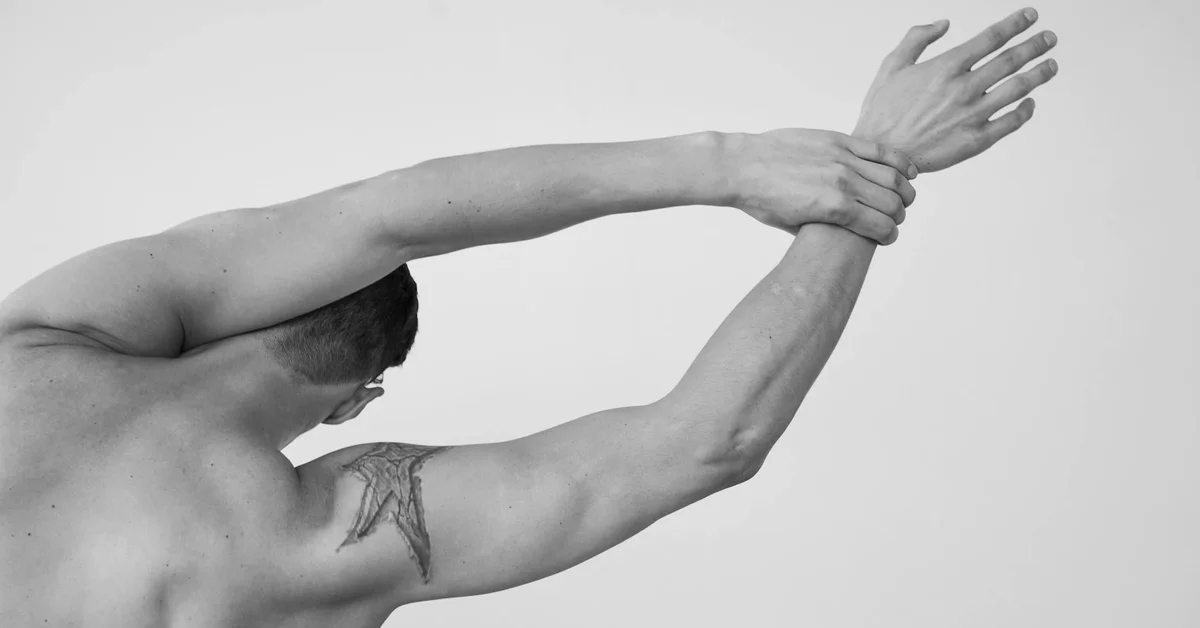
One of the most common consultations in my studio involves a perfectly good tattoo in a perfectly terrible location. You might love the design but hate the daily reality of its placement. A large piece on the forearm or a delicate script on the neck can feel like a permanent billboard you never intended to wear. If removal is on your mind, set realistic expectations—full erasure isn’t guaranteed and results vary. We discuss timelines, costs, and outcomes upfront.
Career and Social Consequences of Visible Tattoos
I’ve seen too many talented people struggle with this. Visible ink can directly impact your professional trajectory and how you’re perceived in social settings. The workplace is not always as progressive as we hope. Job seekers navigating career goals often weigh how visible tattoos fit into their professional branding. They balance self-expression with employer expectations to plan their path.
- Job Interviews: A hand, neck, or face tattoo can create an unconscious bias in an interviewer, shifting focus from your skills to your appearance.
- Client-Facing Roles: Companies in conservative industries like finance, law, or education may have strict policies, limiting your advancement.
- Social Judgement: Constant staring or unsolicited comments from strangers becomes a daily mental tax, making you feel self-conscious.
- Forced Cover-Up: Wearing long sleeves or high-collared shirts year-round to conform is physically uncomfortable and emotionally draining.
I removed a small tattoo from my own hand for this exact reason. That small symbol was closing more doors than it was opening. The freedom after removal was palpable. For anyone weighing the same path, a tiny tattoo removal guide can offer practical steps and expectations for small tats. It helped me understand what comes next and how to approach the process.
Life Changes and Evolving Personal Tastes
We are not the same people we were at 18, or even 25. The tattoo that once felt like a perfect representation of your identity can become a relic of a past self. This is a natural part of growing and changing. If a tattoo no longer fits your evolving self, it’s not me anymore—a mark of personal growth. Sometimes that means choosing tattoo removal and letting go.
Ex-Partner Reminders and Relationship Regrets
This is a powerful and emotional driver for removal. A name or symbol linked to a former partner can feel like a brand, a constant reminder of a chapter you’ve worked hard to close. I’ve guided many clients through this process.
- The tattoo becomes a psychological anchor, preventing you from moving forward.
- It can create tension or awkwardness in new relationships.
- Every time you see it, you’re pulled back into old memories, both good and bad.
Removal in these cases is less about erasing art and more about reclaiming your own skin as yours alone. The goal is to sever that visual connection and gain emotional closure. When memorial tattoos are involved, emotions are often tightly linked to memory and loss. Deciding to remove it involves weighing how it may affect ongoing remembrance and emotional healing.
Outgrowing Trends and Personal Style Shifts
Remember the tribal armband or the infinity symbol everyone had? Trendy tattoos have a short shelf life and can quickly date your entire appearance. Your personal aesthetic evolves.
- What was once cool and edgy can later feel cliché and unoriginal.
- As you mature, your preference might shift toward fine-line work, classic styles, or no tattoos at all.
- A sleeve of video game characters from your youth might not align with the professional image you want to project now.
Your skin is your canvas, and sometimes you need to clear the old artwork to make space for the person you’ve become.
Quality and Long-Term Maintenance Burdens

Not all tattoos age like fine wine. A poorly executed tattoo is a lifetime sentence of dissatisfaction and explanation. I’ve had clients show me tattoos that were blurry, misspelled, or just plain badly drawn from day one. Some of them even pursue faded ink tattoo removal to wipe the slate clean or prepare a better design later.
- Blowouts and Fading: An inexperienced artist can cause ink to spread under the skin, creating a blurry, bruised appearance over time.
- Poor Design Execution: Uneven lines, shaky lettering, and distorted images become more noticeable as the tattoo settles.
- Color Issues: Certain ink colors, like white or pastels, can turn yellow or fade unevenly, creating a sickly hue.
- The “Cover-Up” Trap: A bad tattoo often leads to a larger, darker cover-up, which can limit future options and be more difficult to remove.
Living with a low-quality tattoo means constantly managing other people’s reactions to it. You get tired of telling the story of the “bad tattoo artist” you went to one time. Removal stops that cycle. It’s a fresh start. Taking this step can be part of an emotional journey toward better mental health and self-acceptance. Many people report relief and renewed confidence as they move forward.
Frequently Asked Questions
Why is Reddit a popular place for people to discuss tattoo regret?
Reddit provides anonymous, community-driven forums where individuals can openly share their tattoo regret stories and seek advice without fear of judgment. Users often find comfort in connecting with others who have similar experiences, offering practical insights and emotional support that can help them navigate their feelings and explore options like removal.
What are some deeper psychological reasons behind tattoo regret?
Tattoo regret often goes beyond the design itself, stemming from a disconnect between the ink and one’s core identity or life philosophy. As individuals evolve, a tattoo that once symbolized a belief or phase can feel like a permanent mark of a past self, leading to internal conflict and a desire for alignment with who they are now.
Why shouldn’t you simply ignore feelings of tattoo regret?
Ignoring tattoo regret can exacerbate negative emotions, leading to increased self-consciousness and impacting mental well-being over time. Addressing these feelings proactively, such as through tattoo removal, allows you to take control and move forward without the constant reminder, fostering a healthier relationship with your body and self-expression.
Wrapping Up
Ultimately, tattoo regret is a far more common experience than you might think. Your personal style, career, or relationships evolve, and the ink that once felt perfect can become a source of frustration. Recognizing this is the first step toward a solution that works for you. From a psychology perspective, understanding the decision process behind getting ink explains how regret can unfold as priorities change. Being mindful of these cognitive and emotional shifts can guide future choices more thoughtfully.
Professional laser removal is the only method I trust to safely and effectively reverse a tattoo. From my own experience in the chair, I can tell you that while it requires patience, the freedom you gain is worth the process. In many cases, laser removal can achieve near-complete results. Some tattoos can be 100 percent removed with the right laser and multiple sessions, though outcomes vary by ink and skin type. Skip the risky DIY methods and consult a certified removal specialist to explore your options with confidence.
Further Reading & Sources
- The Statistics Surrounding Tattoo Regret and How to Avoid It | Advanced Dermatology
- Tattoo Regret: Lowering Your Chances, Coping with Regret, and More
Ink Fade Lab is your trusted source for tattoo removal insights, combining expert knowledge with compassionate care to help you make informed decisions about your tattoo journey. Based on years of experience in the tattoo removal industry, we are dedicated to providing accurate, up-to-date information to support your choices.
Risks & Side Effects