
How Much Does a Professional Tattoo Removal Machine Cost?
Published on: April 2, 2026 | Last Updated: April 2, 2026
Written By: Ashita no Joe
Struggling with an old tattoo and worried about the price of making it disappear? As a tattoo artist who has personally removed my own ink and helped many clients do the same, I know how overwhelming cost questions can be. This guide delivers straightforward pricing insights so you can plan your next step with confidence.
I will walk you through the key elements that determine your investment. You will learn about different machine types, typical price ranges, and the real factors that impact the final number based on my hands-on experience.
Key Takeaways
New professional tattoo removal machines typically range from $20,000 to over $150,000, while used systems can be found for $8,000 to $60,000.
The final price tag hinges on several critical factors.
- The type of laser technology, with picosecond systems commanding a premium over Q-switched models.
- The wavelength capabilities, as multi-wavelength machines cost significantly more than single-wavelength units.
- Included features like advanced cooling systems, larger spot sizes, and integrated skin monitoring.
- Brand reputation and the manufacturer’s support network.
Your initial purchase is just the entry fee; you must budget for the true cost of ownership. This includes service contracts, replacement parts, costly consumables like handpiece tips, and laser safety officer training.
Breaking Down Tattoo Removal Machine Price Ranges
From my own experience buying and operating these systems, the market divides into clear tiers. Q-switched ND:YAG lasers are the workhorse of the industry and represent the most common entry point. Beyond that, pico laser technologies offer even shorter pulse durations for certain targets, which can translate to different treatment profiles. The choice between q-switch and pico often comes down to the specific application, skin type, and downtime tolerance.
- New Q-switched systems generally start around $20,000 and can reach $60,000 for feature-rich models.
- Used Q-switched machines are widely available from $8,000 to $30,000, but require a thorough technical inspection.
Picosecond lasers represent the newer, faster technology.
- New picosecond machines have a much higher barrier to entry, typically ranging from $80,000 to well over $150,000.
- The used market for pico is thinner, with prices often sitting between $40,000 and $80,000.
I always advise clinics to compare the cost per treatment, not just the machine’s sticker price. For context, this is the kind of detail you’ll find in our laser tattoo removal cost guide. A more expensive pico laser might pay for itself faster due to requiring fewer sessions per tattoo.
| Machine Type | Low-End Price | Mid-Range Price | High-End Price |
|---|---|---|---|
| Used Q-Switched | $8,000 – $15,000 | $16,000 – $25,000 | $26,000 – $40,000 |
| New Q-Switched | $20,000 – $35,000 | $36,000 – $50,000 | $51,000 – $70,000 |
| Used Picosecond | $40,000 – $55,000 | $56,000 – $70,000 | $71,000 – $90,000 |
| New Picosecond | $80,000 – $110,000 | $111,000 – $150,000 | $150,000+ |
Key Factors That Influence Your Equipment Investment
New vs. Used Tattoo Removal Machine Costs
Your first major decision is choosing between a new or pre-owned machine. I’ve worked with both in my studio, and each path has distinct advantages and risks.
Buying new gives you immediate peace of mind with a full manufacturer’s warranty and the latest technology right out of the box. You know the machine’s entire history because you are its first owner. The primary drawback is the significantly higher upfront cost.
Used machines can slash your initial investment by 30% to 50%. The catch is that you inherit every bump and scrape from the previous owner. These devices depreciate quickly, much like a new car driven off the lot. You are trading cost savings for potential hidden issues.
If you decide to go the used route, never buy without a thorough inspection. I learned this the hard way early in my career.
- Request a live demonstration on a grape or piece of pigskin to verify all functions work.
- Check the laser’s internal log for the total number of shots fired; this is its odometer.
- Inspect the handpiece and internal optics for any signs of clouding, cracks, or burn marks.
- Ask for all original documentation, manuals, and service records.
- Ensure the software is up to date and not locked to a previous owner’s account.
Laser Technology: Q-Switched vs. Picosecond
The core laser technology is the single biggest driver of price. You are choosing between the industry-standard workhorse and the newer, faster contender.
Q-switched lasers have been the gold standard for decades, using billionth-of-a-second pulses to shatter ink particles. They are highly effective, especially on amateur and standard professional tattoos. A quality new Q-switched system typically ranges from $25,000 to $60,000. They are a proven, reliable investment. When evaluating the best professional tattoo removal laser machines, practitioners weigh pulse duration, spot size, energy delivery, and maintenance requirements. A system that balances performance with reliable service can offer the best long-term value.
Picosecond lasers deliver pulses in trillionths of a second, theoretically breaking down ink into smaller fragments for easier removal. They often excel with stubborn colors and newer, dense inks. This advanced speed comes at a premium, with new machines often costing between $80,000 and $150,000. In the debate over the best laser tattoo removal, many compare pico (picosecond) systems to traditional Q-switched lasers. Pico tech can break ink into finer particles for faster clearance, while Q-switched lasers often offer solid results at a lower upfront cost. You are paying for cutting-edge performance.
Additional Costs: Warranty, Training, and Certification
The machine’s sticker price is just the beginning. You must budget for the essential extras that make it operational and legal to use.
An extended warranty is non-negotiable for a complex piece of medical equipment; it is your financial safety net. These can add thousands to your initial cost but save you from a $10,000 repair bill later. Most manufacturers require you to complete their specific operator training. This ensures you use the machine correctly and safely, protecting both you and your clients.
Many states and municipalities mandate specific certifications for laser operators. These courses cost money and time but are legally required to open your doors for business. Factor these into your total startup budget from day one. To meet those requirements, consider enrolling in a get-certified laser tattoo removal training school that offers state-approved credentials and hands-on practice. A reputable program can help you stay compliant and gain the practical skills needed to operate safely from day one.
Total Cost of Ownership: Beyond the Purchase Price
Ongoing Operating and Maintenance Expenses
Owning a laser is a long-term financial commitment. The purchase is a one-time event, but the costs of keeping it running are perpetual.
Annual service contracts are critical and typically run between $2,000 and $5,000 to keep your laser calibrated and functioning optimally. These systems often require specialized electrical circuits and dedicated cooling, like a chiller unit, which increases your utility bills. Replacement parts, such as flashlamps and optical components, have a finite lifespan and must be replaced periodically, even with perfect care.
You should budget at least 10% of the machine’s original purchase price annually for maintenance and unexpected repairs. This is not an area to cut corners.
Consumables and Accessories
These are the small, recurring items that quietly eat into your profit margins if you don’t account for them.
- Laser goggles: Specific to your laser’s wavelength. You need multiple pairs for yourself and clients. (~$100-$300 per pair)
- Protective tips/calibration tools: Disposable or sterilizable tips for the handpiece. (~$5-$15 each)
- Cooling gels and antiseptics: Used during every single treatment. (~$20-$50 per bottle)
- Medical-grade disposables: Gauze, gloves, drapes. The cost adds up quickly.
These recurring costs directly impact your pricing strategy and how many treatments you need to perform each month just to break even. Track them meticulously.
Financing and Leasing Options for Your Machine
Very few practitioners can afford to pay the full six-figure sum for a new laser upfront. Financing and leasing exist to bridge that gap.
Leasing a machine can dramatically lower your barrier to entry, allowing you to start your business with minimal capital. You make manageable monthly payments, and some leases include service contracts, simplifying your budgeting. The downside is that you build no equity and will pay more over the long run compared to an outright purchase.
Many equipment vendors offer direct financing plans. This is often more accessible than a traditional bank loan. They want to sell you the machine, so they have a vested interest in making it happen.
To evaluate a financing plan, follow these steps.
- Compare the total cost of the lease versus the total cost of a loan, including all interest and fees.
- Check for hidden costs like early termination fees or mandatory maintenance packages.
- Confirm what happens at the end of the lease term-can you buy the machine for a fair price?
- Ensure the monthly payment fits comfortably within your projected cash flow.
Calculating Your Return on Investment
Viewing a removal machine as an expense is a mistake. You need to see it as a tool that actively generates income for your practice. I’ve watched countless artists transform their business by making this mental shift.
- Relate the machine’s price directly to your service fees. A single removal session can range from $150 to $500, depending on the tattoo’s size and location.
- For a machine costing $6,000, you could recoup your investment after just 20 to 40 sessions. That’s a surprisingly fast payback period in our industry.
- Your profitability hinges directly on two factors: the machine’s speed and the price per session. A faster, more efficient machine lets you book more clients per day, dramatically boosting your earnings potential.
I ran the numbers before buying my first professional laser. Seeing that I could pay it off within six months of steady bookings made the decision an easy one. I started diving into pico laser options to understand long-term value. This ultimate PicoSure vs Picoway guide compares both platforms to help you decide which is right for your practice.
Smart Purchasing: Where and How to Buy
Choosing a Reputable Vendor
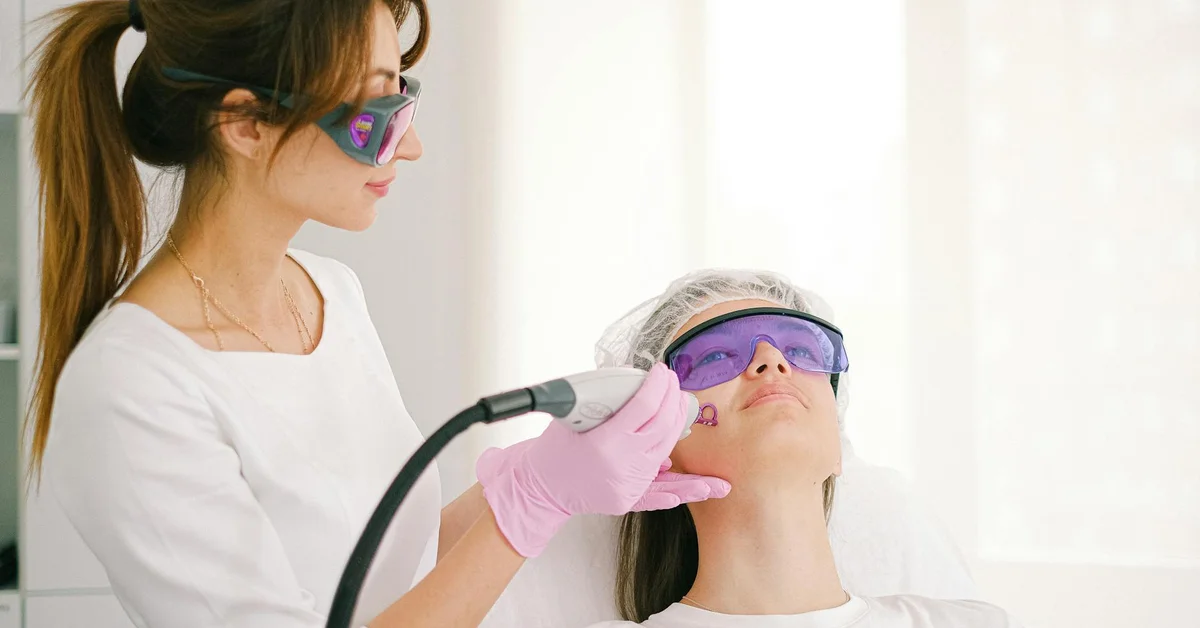
This is where many people get tripped up. A cheap price from an unknown seller often leads to a very expensive paperweight.
- Look for vendors with a long-standing, positive reputation in the aesthetics and medical equipment field. A company’s longevity is often a direct reflection of its product reliability and customer service quality.
- Scrutinize the warranty terms. A comprehensive warranty that covers parts and labor for multiple years is non-negotiable. It’s your safety net.
- Post-purchase support is critical. You must confirm they offer technical assistance and have accessible customer service. I learned this the hard way with a machine that had zero support after the sale.
Steps for a Safe and Informed Purchase
- Dig deep into the technical specifications. Compare wavelengths, pulse durations, and spot sizes. Read user reviews from other studio owners, not just the testimonials on the vendor’s site.
- Verify the training and certification needed to operate the machine safely and legally. Some advanced systems require specific certifications that factor into your total cost and timeline.
- Always insist on inspecting the equipment in person or requesting a live demo. You need to feel the machine’s build quality and see its interface firsthand before committing any money.
- Review all financing and warranty documents with a fine-tooth comb. Understand what is and isn’t covered, and for how long. Don’t get swayed by a low monthly payment that hides poor warranty terms.
Frequently Asked Questions
How much does a single tattoo removal session cost?
The cost per session varies widely based on factors like tattoo size, ink colors, and clinic location, but typically ranges from $150 to $500 for small to medium tattoos. This price reflects the technology used and the practitioner’s expertise, with picosecond lasers often commanding higher fees due to their efficiency. The tattoo size and body part can influence how many sessions you’ll need and the overall cost, so larger tattoos or areas that are harder to treat may raise both per-session prices and total removal costs.
What is the typical price range for full tattoo removal?
Complete tattoo removal can cost anywhere from $500 to over $5,000, depending on the tattoo’s complexity, size, and the number of sessions required. Factors like skin type and ink depth also influence the total, so it’s best to get a personalized tattoo removal cost estimate from a certified professional. To get a tattoo removal cost estimate tailored to your tattoo, schedule a consultation with a licensed professional. They can provide a clear breakdown of the expected number of sessions and pricing in a written quote.
How do tattoo removal prices vary by location?
Prices can differ significantly based on geographic area; for example, urban centers in the UK or India may have higher rates due to demand and operating costs, while rural areas might be more affordable. Always research local clinics and read reviews to compare service quality and pricing in your area.
Final Thoughts
Ultimately, a professional tattoo removal machine is a significant investment in your craft and your clients’ trust. The price you pay directly reflects the quality, safety, and effectiveness of the technology you’re bringing into your practice. Do not let budget alone dictate a decision that impacts real skin and real results. A quick tattoo removal cost-benefit analysis helps weigh upfront costs against long-term gains. It clarifies value beyond price alone.
From my own experience removing tattoos, the best machine is the one you can operate with confidence and precision. Your skill, combined with a reliable machine, is what truly delivers the clean, successful removals clients pay for. Choose wisely, train thoroughly, and build a service you can stand behind. If you’re shopping for gear, a buyers guide for professional tattoo removal machines can help you compare power, pulse duration, and service options. Look for reputable brands, solid warranties, and safety certifications to ensure consistent results.
Further Reading & Sources
- Tattoo Removal Laser Machines | Best Tattoo Removal Lasers for Sale Online
- Buy Online Best Tattoo Removal Laser Machines & Equipment
Ink Fade Lab is your trusted source for tattoo removal insights, combining expert knowledge with compassionate care to help you make informed decisions about your tattoo journey. Based on years of experience in the tattoo removal industry, we are dedicated to providing accurate, up-to-date information to support your choices.
Professional Laser Machines