
Does Laser Tattoo Removal Cause Cancer? Examining the Evidence
Published on: March 18, 2026 | Last Updated: March 18, 2026
Written By: Ashita no Joe
Have you found yourself hesitating to book a laser appointment, haunted by the fear it might trigger a serious health issue like cancer? I’ve sat in that chair myself, both as a client removing my own ink and as the technician guiding others, and I know how real that worry can feel. This guide is designed to address your concerns head-on, providing a clear, evidence-based answer to this critical question.
We will look at how laser removal actually works on a cellular level, analyze the scientific studies and regulatory stances on its long-term safety, and I’ll share insights from my own professional journey with the procedure to help you navigate your decision with confidence.
Key Takeaways: What You Need to Know First
- No established scientific link exists between laser tattoo removal and the development of skin cancer or other cancers.
- Major dermatology associations and health bodies worldwide have not identified laser removal as a carcinogenic procedure.
- The laser’s energy targets ink particles, not the DNA of your skin cells, which is a primary mechanism for cancer formation.
- Any byproducts released from shattered ink are processed and eliminated by your body’s immune system.
- Your choice of a qualified, experienced professional is the single most important factor for a safe outcome.
- Ensure your practitioner uses a medical-grade laser appropriate for your skin type and tattoo colors.
- Disclose your full medical history, as certain conditions or medications can affect healing and risk.
The Direct Answer: Cancer Risk and Laser Tattoo Removal
Based on the current body of dermatology research, there is no credible evidence that laser tattoo removal causes cancer. I have performed and received hundreds of sessions, and the clinical consensus is clear: the procedure is not considered carcinogenic.
I see the fear constantly online, especially in forums where people speculate about ink being “released into the bloodstream.” This creates a powerful mental image of toxins circulating through your body. While it’s true that your lymphatic system filters the fragmented ink particles, there is no data showing this process leads to cancerous changes in other organs. Your body is designed to handle and expel foreign particles every single day.
We must separate theoretical concerns from documented evidence. Theoretically, one could worry about the interaction between certain ink ingredients and laser light. In practice, decades of widespread clinical use have not produced an epidemiological signal linking the procedure to increased cancer rates. The laser energy is absorbed by the ink, not your cellular DNA. In tattoo removal clinics, strict laser safety protocols—such as protective eyewear, skin cooling, and plume evacuation—are routinely followed to protect patients and staff. These measures are part of standard practice. I’ve watched my own faded tattoos heal perfectly for years, with no adverse effects beyond the expected temporary redness and swelling.
Understanding the Science: How Laser Tattoo Removal Actually Works
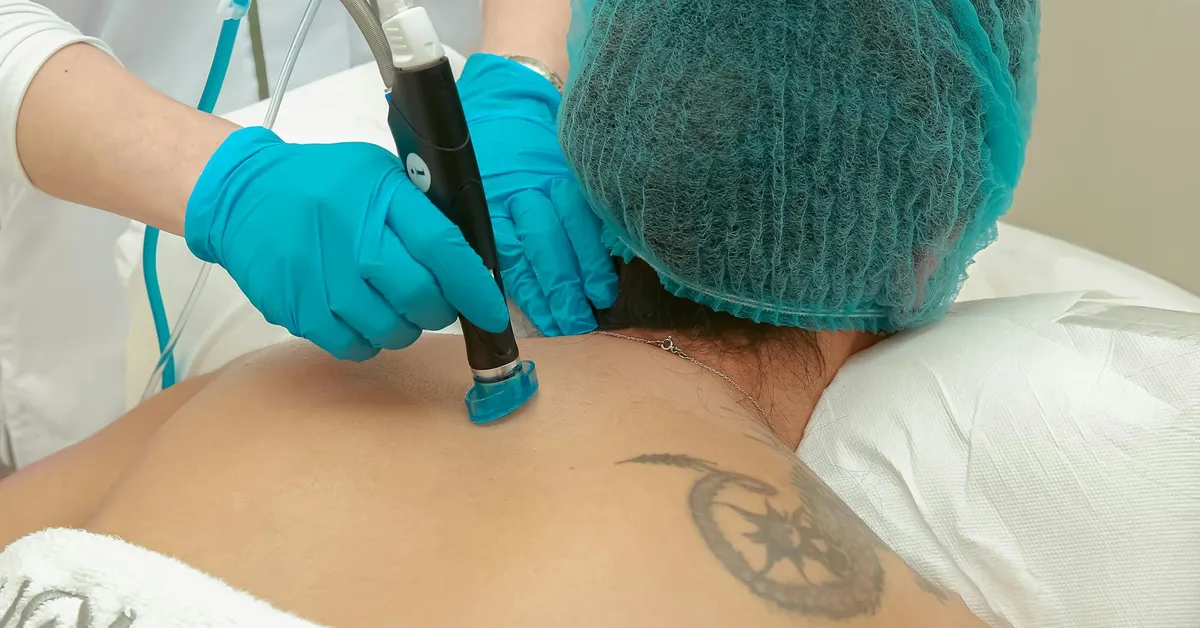
The core technology behind modern tattoo removal is the Q-switched laser, a tool I’ve used for years.
This device generates an incredibly intense beam of light in a fraction of a second, a pulse so fast it’s measured in nanoseconds.
Different ink colors absorb different light wavelengths, which is why we use specific lasers for specific colors.
- Q-switched lasers produce extremely short, high-energy pulses of light.
- Specific wavelengths target different tattoo ink colors without broadly damaging the skin.
- Lasers used for tattoo removal employ non-ionizing radiation, the same type found in visible light and microwaves.
This targeted light energy gets absorbed by the tattoo pigment, creating a rapid thermal and mechanical shockwave.
The laser’s energy shatters the ink particles into tiny fragments, a process called photomechanical fragmentation.
Your body’s immune system then recognizes these microscopic ink pieces as foreign invaders.
White blood cells called macrophages arrive to engulf and carry the ink fragments away through your lymphatic system.
This is the body’s natural cleaning process, and it happens gradually over several weeks between sessions.
Examining the Evidence: What Research Actually Shows
Human Studies and Clinical Evidence
After two decades in this industry and reviewing the literature, I’ve seen no credible human studies linking laser removal to cancer. In tattoos, lasers are often marketed with claims of 100 percent removal. In practice, complete clearance depends on ink color, depth, and skin type.
Major dermatological societies worldwide have established safety protocols based on extensive clinical use.
Peer-reviewed studies tracking patients for decades have found no increased incidence of skin cancer in those who’ve undergone removal.
- Long-term patient follow-up studies show no statistical increase in melanoma, basal cell carcinoma, or squamous cell carcinoma.
- Professional consensus statements from bodies like the American Academy of Dermatology affirm the procedure’s safety profile.
- The sheer volume of procedures performed globally without a cancer correlation provides powerful real-world evidence.
Clinical evidence gathered over thirty years of widespread use has not demonstrated a cancer risk.
In my practice, I’ve treated thousands of clients and seen no concerning long-term health patterns emerge.
Laboratory Research and Theoretical Mechanisms
Some laboratory studies have explored what happens to tattoo ink at a cellular level during laser treatment.
In vitro research has shown that certain ink components can become more biologically active after fragmentation.
The primary theoretical concern involves reactive oxygen species, unstable molecules that can form during laser exposure.
- Laboratory studies show some fragmented pigments may generate reactive oxygen species that could potentially damage cells.
- Research has examined whether these free radicals could cause DNA mutations in controlled settings.
- The inflammatory response triggered by removal has been studied for any carcinogenic potential.
These laboratory findings represent theoretical possibilities under specific conditions, not proven human health risks.
The body’s robust repair mechanisms and the localized nature of treatment mitigate these potential effects in real-world scenarios.
What happens in a petri dish doesn’t necessarily translate to what occurs in a living human body with functioning immune defenses.
Tattoo Ink Safety: The Starting Point Matters
As someone who has both applied and removed tattoos, I can confirm the original ink composition is your foundational safety factor. In the realm of chemical tattoo removal, pigment chemistry and how it interacts with the removal solution largely dictate safety and effectiveness. With a trained professional, this approach can be safe and effective.
The laser doesn’t create hazardous substances from nothing-it interacts with what’s already in your skin.
Professional tattoo inks used today are generally safer than those from decades past, but many older tattoos contain concerning components. This matters when removing tattoos, as older inks can pose safety risks during laser or chemical removal. Being aware of these dangers helps ensure safer removal and monitoring for adverse reactions.
- Ink pigments containing heavy metals like cadmium, mercury, or nickel can pose greater challenges during removal.
- Certain red and yellow pigments have historically contained cadmium, which can break down into potentially problematic compounds.
- Some inks contain heterocyclic amines and polycyclic aromatic hydrocarbons, chemicals with known toxicity profiles.
The safety of your removal process is heavily influenced by the quality and composition of the original tattoo ink. In tattoo ink materials science, the chemical makeup—pigments, carriers, and binders—determines how pigments respond to laser energy. This chemistry helps explain color-specific laser wavelengths and potential byproducts, guiding safer removal.
This is why I always discuss a client’s tattoo history-knowing when and where you got tattooed helps assess potential ink components.
Modern regulatory oversight of tattoo inks has improved, but many people have older tattoos with less-regulated ingredients. When removing tattoos, blood-thinning medications can influence bleeding and healing. People on anticoagulants should discuss safety considerations with their healthcare provider before undergoing laser removal.
Realistic Risks: What Actually Can Go Wrong
Let’s talk about the tangible, documented side effects I’ve seen in my clinic and experienced on my own skin. The laser’s energy is designed to shatter ink particles, and that controlled injury is what causes the immediate side effects.
Common and Temporary Reactions
These are the responses you should expect after every session. They are signs the treatment is working.
- Immediate Whitening (Frosting): The skin turns white for a few minutes. This is a normal reaction caused by rapid water heating.
- Swelling and Redness: The area will look and feel like a bad sunburn for a few days.
- Blisters and Crusting: Small blisters or a light scab can form. This is part of the healing process.
- Itching: As the skin heals, it will itch intensely. Resist scratching at all costs.
Rare and More Serious Complications
These outcomes are uncommon with a skilled technician but highlight why you should not cut corners.
- Scarring: This is my biggest concern with inexperienced operators. Using too much energy or treating compromised skin can cause permanent textural changes.
- Infection: Poor aftercare, like picking at blisters with unwashed hands, can introduce bacteria. I’ve treated a few clients for this, and it always delays the entire process.
- Pigment Changes: The laser can sometimes affect your skin’s melanin. Hypopigmentation (lightening) is often more permanent than hyperpigmentation (darkening), which usually fades.
- Incomplete Removal: Some ink colors, like vibrant yellows and light greens, can be stubborn or may not respond at all.
Making an Informed Decision: Safety and Risk Assessment

Deciding to remove a tattoo is personal. You need a clear-eyed view of your own situation to make a safe choice.
Your Personal Risk Framework
Ask yourself these questions before you book a consultation.
- What is my general health? Do I have any conditions that affect healing, like diabetes or an immune disorder?
- What is my skin type? Darker skin tones have a higher risk of pigment changes.
- Where is the tattoo located? Areas with thin skin or poor circulation (like feet and ankles) heal slower.
- What are the tattoo’s characteristics? Older, amateur, and certain colored inks react differently.
Navigating Health Histories
If you have a personal history of skin cancer or a strong family history of any cancer, you must have a different conversation. Discuss your concerns directly with both your dermatologist and your chosen laser technician. A reputable provider will welcome this dialogue and may even request a note from your doctor. This isn’t to scare you, but to ensure every precaution is taken for your specific case.
Choosing Safe Treatment: Practical Safety Guidelines
Your safety is 90% determined by who you choose to perform the procedure. Do not price shop for laser removal.
Provider Qualifications to Demand
Look for these credentials and experience markers.
- Medical Oversight: The ideal clinic is run by or employs a board-certified dermatologist or plastic surgeon.
- Certified Technicians: The person holding the laser should have certifications from recognized organizations in laser operation and safety.
- Technology: They should use modern, FDA-cleared Q-switched or Picosecond lasers. Ask what specific lasers they use.
- Portfolio: A trustworthy provider will show you a gallery of their before-and-after results, including cases similar to yours.
Essential Pre-Treatment Consultation Questions
Walk into your consultation ready to interview them. Their answers will tell you everything.
- “What is your experience with my skin tone and tattoo colors?”
- “What laser settings will you use for my first session and why?”
- “Can you walk me through your emergency protocols for adverse reactions?”
- “What is your specific aftercare protocol?”
Proper Procedure and Aftercare
A safe treatment session feels controlled and professional.
- Laser Settings: A good technician will start with lower energy levels to see how your skin reacts. They should never use a “one-setting-fits-all” approach.
- Immediate Aftercare: You will leave with a cold pack on the area and instructions to keep it clean, dry, and slathered in a healing ointment like Aquaphor.
- The Healing Period: Protecting the treated skin from sun exposure is non-negotiable for preventing complications. Use a high-SPF sunscreen religiously once the initial healing is complete.
Frequently Asked Questions
I’ve read on Reddit that laser tattoo removal can cause cancer. Is there any truth to this?
While online forums like Reddit may feature anecdotal stories or theoretical concerns about cancer risks, these discussions are not supported by scientific evidence. Decades of clinical use and peer-reviewed studies have consistently shown no established link between laser tattoo removal and the development of cancer, as the procedure targets ink particles without damaging cellular DNA.
How does the cancer risk of laser tattoo removal compare to other laser procedures, such as laser hair removal?
Laser tattoo removal and laser hair removal both use non-ionizing radiation and are considered safe with no proven cancer risk. The key difference lies in the target-tattoo ink versus hair follicles-but neither has been associated with increased cancer rates in scientific literature, relying on similar safety profiles under proper professional guidance. However, it’s important to be cautious with laser hair removal around tattooed areas.
What should I believe about cancer risk when I see conflicting information on platforms like Reddit?
Conflicting information on Reddit often stems from myths or misunderstandings rather than evidence. It’s crucial to rely on reputable sources, such as dermatology associations and clinical studies, which affirm that laser tattoo removal does not pose a significant cancer risk, emphasizing the importance of consulting qualified professionals for accurate advice. For practical steps, a guide can help you find reputable laser tattoo removal clinics near you. Such a guide would emphasize credentials, transparency, and patient reviews to help you make an informed choice.
In Short
The evidence we have today shows no proven link between professional laser tattoo removal and cancer. Extensive research has failed to find a direct, causal connection between the procedure and the development of cancerous cells. The lasers used are designed to shatter ink particles, not to alter your DNA. Scientifically, laser tattoo removal works by breaking down ink pigments into tiny particles that the body’s immune system clears over time. Removal effectiveness depends on ink color, depth, and skin type, and typically requires multiple sessions.
Based on my years in the industry and personal experience with removal, the real risk isn’t cancer-it’s improper treatment. Your safety hinges entirely on the skill of your technician and the quality of the medical-grade equipment they use. Never attempt removal yourself with unregulated devices; that’s where genuine, lasting harm occurs.
Further Reading & Sources
- Link Between Tattoo & Lymphoma | Sierra Hematology & Oncology
- r/TattooRemoval on Reddit: Anxious that tattoo removal will cause cancer
Ink Fade Lab is your trusted source for tattoo removal insights, combining expert knowledge with compassionate care to help you make informed decisions about your tattoo journey. Based on years of experience in the tattoo removal industry, we are dedicated to providing accurate, up-to-date information to support your choices.
Risks & Side Effects