
How Does Laser Tattoo Removal Work? The Science of Erasing Ink
Published on: March 13, 2026 | Last Updated: March 13, 2026
Written By: Ashita no Joe
That tattoo seemed like a great idea at the time, but now you’re staring at it with a sense of regret. You’re not alone; I’ve been there myself, both as someone with tattoos and as a professional who removes them. This guide will demystify the entire process, transforming a complex scientific procedure into something you can easily grasp and feel confident about.
We will break down the laser’s mechanism in plain language, covering the precise science of how light shatters ink particles, what you can realistically expect from each session, and the critical safety protocols that protect your skin throughout the journey.
The Core Principle: Selective Photothermolysis
At its heart, laser tattoo removal is a brilliant application of physics, not magic. The entire process hinges on a concept called selective photothermolysis. It’s a complex word for a simple, targeted idea: using a specific wavelength of light (photo) to generate intense heat (thermo) to break apart (lysis) a specific target. Think of it like using a precise tuning fork that only shatters one color of glass in a stained-glass window, leaving the rest untouched.
The laser emits an intense, focused beam of light that passes harmlessly through the top layers of your skin. This light energy is deliberately tuned to a wavelength that your tattoo pigment absorbs extremely well. When the pigment particles absorb this massive burst of energy, they rapidly heat up to thousands of degrees in a fraction of a second. This creates a microscopic shockwave that shatters the ink into tiny fragments.
Your body’s immune system then recognizes these tiny ink fragments as foreign invaders. Over the following weeks, your white blood cells-specifically macrophages-engulf these shattered particles and slowly transport them away to your lymphatic system. Your body does the actual work of removing the ink; the laser just breaks it into manageable pieces. This is why treatments are spaced 6-8 weeks apart-it gives your body the necessary time to clear the debris.
Inside the Laser: How Different Wavelengths Attack Ink
Not all tattoo inks are created equal, and neither are the lasers that remove them. Different ink colors absorb light energy differently. A wavelength that vaporizes black ink might be completely ignored by a bright yellow pigment. This is why modern removal requires a laser system capable of switching between multiple wavelengths to effectively target your tattoo’s unique color palette, especially when dealing with red inks that can be particularly stubborn. In my own practice, I’ve seen clients come in with multi-colored tattoos that require me to switch lasers mid-session to address each hue properly.
Laser Types and Their Targets
The effectiveness of your removal is directly tied to matching the correct laser wavelength to your ink color. Here are the workhorses of the industry and what they are designed to eliminate.
- Q-Switched Nd:YAG Laser (1064 nm): This is the most common and versatile laser. Its 1064 nanometer wavelength is the gold standard for attacking dark inks. It is supremely effective on black, dark blue, and dark brown pigments. This is the wavelength I use most frequently, as black is the most common tattoo color.
- Q-Switched Nd:YAG Laser (532 nm): The same laser can use a frequency-doubled crystal to produce a 532 nm wavelength. This green light is aggressively absorbed by red, orange, and some yellow and purple inks. It’s like switching weapons to hunt a different target.
- Q-Switched Alexandrite Laser (755 nm): This laser emits a red light that is exceptionally good at targeting green ink, which is notoriously difficult to remove. It is also very effective on blue and purple pigments. I often turn to the Alexandrite when a tattoo has a lot of forest green or teal.
- Q-Switched Ruby Laser (694 nm): The original tattoo removal laser. Its deep red light is excellent for treating dark blue, green, and black inks, but it has a higher risk of causing skin lightening (hypopigmentation) on darker skin tones, so its use is now more specialized.
Attempting to remove a tattoo with the wrong laser is like trying to open a lock with the wrong key—you’ll just damage the door. This precise color targeting is the primary reason you should never attempt DIY removal; you cannot replicate this level of specificity at home, and you will almost certainly cause significant skin damage. In professional hands, laser tattoo removal can also help treat pigmentation issues by carefully targeting pigment in the skin to even out tone.
The Two-Step Removal Process Inside Your Body
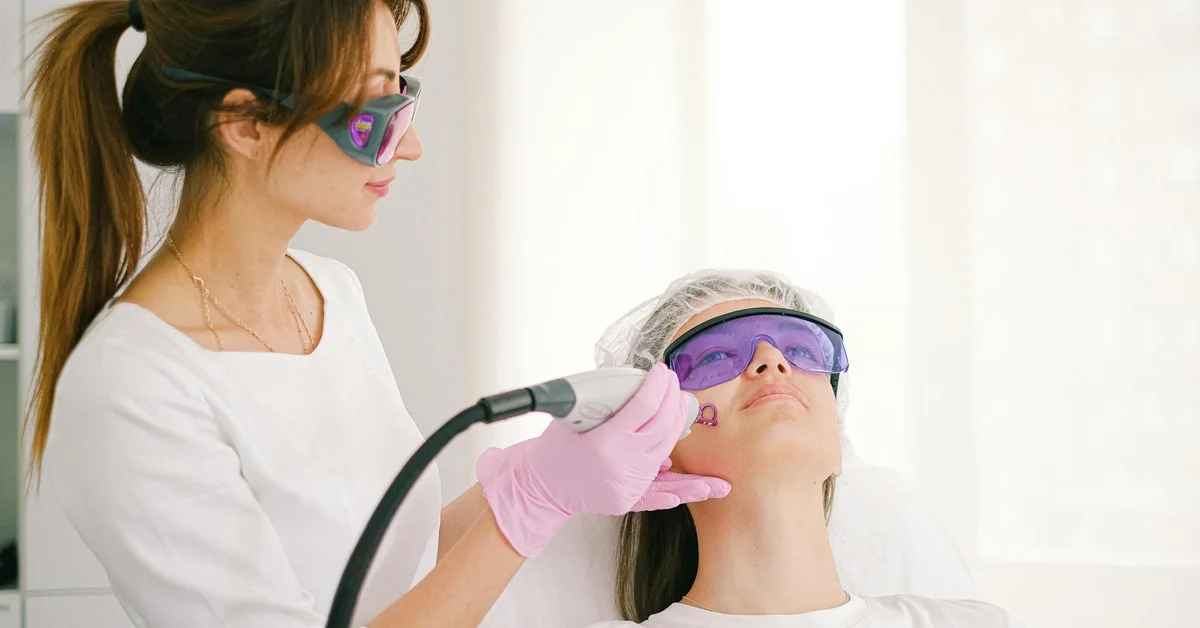
People often think the laser simply “erases” the tattoo. That’s not how it works. The laser starts a biological chain reaction, and your body finishes the job. I’ve seen this process firsthand on my own skin and hundreds of clients. Some readers wonder about cancer risk. Current research hasn’t established a clear link between laser tattoo removal and cancer, though long-term studies are ongoing.
Step 1: Laser Energy Fragments the Ink
A laser emits a highly focused beam of light at a specific wavelength. This light pulse travels at an incredible speed, measured in nanoseconds. The light energy passes harmlessly through your skin’s top layers and gets absorbed by the tattoo pigment particles. Think of the ink particles as tiny, dark stones.
The rapid absorption of this intense energy creates a thermal and mechanical shockwave. The pigment particles heat up and shatter into millions of microscopic fragments. It’s like hitting a marble with a sledgehammer. The larger pieces break down into tiny, manageable specks.
Step 2: Your Immune System Clears the Debris
This is where your body takes over. Your immune system now recognizes these shattered ink particles as foreign invaders. It sends specialized cells, called macrophages, to the treated area. Your white blood cells essentially engulf the tiny ink fragments and carry them away through your lymphatic system.
Your lymphatic system acts as your body’s internal waste disposal route. The ink fragments are filtered out and processed, much like your body handles other waste products. This natural cleansing process is what gradually fades the tattoo over the weeks following each session.
Why Ink Color Drives Your Removal Results
Not all tattoo ink is created equal, and neither is its reaction to laser light. The fundamental principle at play is selective photothermolysis. This means the laser targets specific colors without damaging the surrounding skin.
Different ink colors absorb light from different wavelengths. A skilled technician uses a specific laser setting for each color in your tattoo.
- Black and Dark Blue Ink: These are the easiest to remove. They absorb the full spectrum of laser light incredibly well, making them highly responsive to treatment.
- Green Ink: Green can be stubborn. It requires a specific laser wavelength to break it down effectively.
- Red and Orange Ink: These colors respond best to a different set of wavelengths than those used for black ink.
- Yellow, Purple, and Fluorescent Inks: These are often the most challenging. They reflect more light than they absorb, making the fragmentation process less efficient.
The key to success is matching the correct laser wavelength to the specific pigment color you want to eliminate. A multi-colored tattoo often requires a technician to switch lasers or settings during a single session.
The Realistic Fading Timeline and Session Count
Managing expectations is critical in tattoo removal. This is not an overnight process. Your body needs time to heal and clear the fragmented ink between sessions. In the tattoo removal process explained, we’ll walk through how lasers break down ink and why multiple sessions are usually needed.
Most people require a series of sessions spaced 6 to 8 weeks apart. Rushing this timeline does not yield better results. Your lymphatic system needs that full recovery window to effectively process and remove the ink debris. Scheduling sessions too close together can lead to skin damage and diminished results.
The total number of sessions depends on several key factors:
- Ink Density and Colors: A dense, professional black tattoo will take more sessions than a light, amateur one. Multi-colored tattoos add complexity.
- Tattoo Age and Location: Older tattoos sometimes fade more easily. Tattoos on areas with good blood circulation (like the torso) may clear faster than those on extremities (like fingers and feet).
- Your Overall Health and Immune Function: Your body’s ability to process waste directly impacts your progress.
- Smoking Status: Smoking constricts blood vessels and can significantly slow down the immune response, prolonging your removal journey.
A realistic expectation is 8 to 12 sessions for significant fading or complete removal of a standard professional tattoo. You will see progressive lightening after each appointment, with the most dramatic changes often occurring after the third or fourth session as your body’s removal system is fully activated. For more detailed information on the removal process, check out our session-by-session guide.
Navigating Safety, Risks, and the Healing Response
Laser tattoo removal is a medical procedure, not a spa treatment. You must only have this done by a certified professional in a clinical setting. I’ve seen the disastrous results of DIY attempts and unqualified practitioners, and it’s not a risk worth taking. In clinics, laser safety protocols protect patients and staff, including eye protection and plume management. These measures help ensure safe, effective laser tattoo removal.
Understanding the Risks
While generally safe in expert hands, the process carries potential side effects. Knowing them beforehand prepares you for a proper healing journey.
- Skin Texture Changes: The laser can slightly alter the skin’s surface, sometimes causing slight roughness or indentation.
- Hyperpigmentation or Hypopigmentation: Your skin may temporarily darken (hyperpigmentation) or lighten (hypopigmentation) in the treated area. This is more common with darker skin tones.
- Scarring: This is a rare outcome with modern lasers and proper technique, but it remains a possibility, especially with at-home methods.
- Infection: Any break in the skin can lead to infection if not cared for correctly.
- Incomplete Removal: Some stubborn ink colors, like vibrant yellows and light greens, may not fully disappear.
Your body’s unique biology and your aftercare diligence directly influence the final outcome. I’ve had clients with perfect aftercare routines heal flawlessly, while others who skipped steps faced prolonged redness.
The Body’s Healing Process
After the laser shatters the ink, your immune system takes over. This is where the real magic happens.
- Initial Inflammation: The area becomes red and slightly swollen as your body identifies the fragmented ink particles as foreign invaders.
- White Blood Cell Mobilization: Specialized cells called macrophages arrive to engulf the tiny ink fragments.
- Lymphatic Transport: These ink-filled macrophages slowly travel through your lymphatic system to be filtered out and excreted by your body.
This gradual cleansing is why fading occurs over several weeks, not instantly after a session. Your body is literally carrying the ink away piece by piece.
What to Expect During and After a Treatment
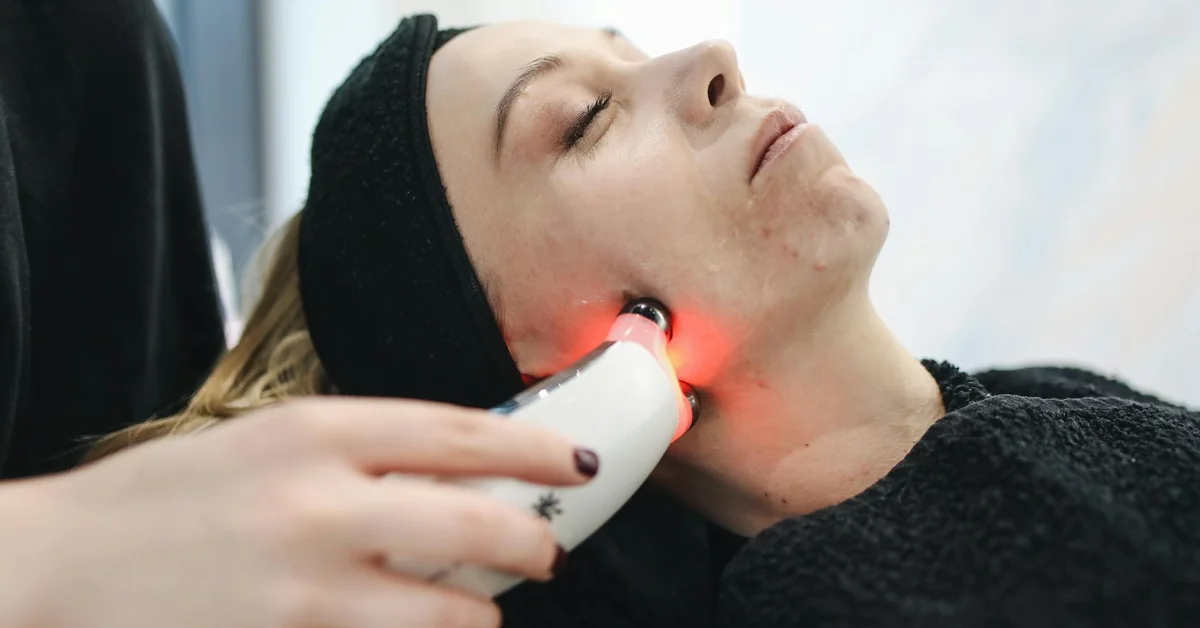
Knowing what will happen eases anxiety. From my own experience both giving and receiving treatments, the process is very manageable.
During the Laser Session
A typical session is surprisingly quick.
- Protective Eyewear: You and the practitioner will wear specialized goggles to protect your eyes from the laser light.
- Test Spot: A reputable technician will often fire the laser on a small, inconspicuous area first to gauge your skin’s reaction.
- The Sensation: Most people describe the feeling as similar to a hot rubber band snapping against the skin. Modern machines often have built-in cooling systems to minimize discomfort.
- Immediate Reaction: You will see immediate whitening of the skin (frosting) with some pinpoint bleeding. This is normal and subsides within minutes.
The entire process for a small to medium tattoo often takes less than ten minutes. The laser itself pulses in milliseconds.
The Crucial Healing Timeline
Proper aftercare is non-negotiable for optimal results and safety.
First 48 Hours
- Keep the area clean, dry, and covered with a sterile bandage.
- You may experience redness, swelling, and tenderness akin to a mild sunburn.
- Gently apply a recommended ointment to keep the area moisturized.
Treat the area like a fresh, open wound because that is essentially what it is.
Days 3 to 14
- A scab or blister will likely form. Do not pick, scratch, or peel it. Let it fall off naturally.
- Continue gentle cleansing and apply a fragrance-free moisturizer.
- You will notice the first signs of fading as the skin begins to settle.
Weeks 2 to 8
- The surface of your skin should be fully healed, though it may feel sensitive.
- The tattoo will continue to fade from within as your body removes more ink.
- You must protect the area from sun exposure with a high-SPF sunscreen; UV rays can darken the ink and complicate future sessions.
Your body needs this full 6-8 week break between sessions to effectively clear the ink and for the skin to recover fully.
Frequently Asked Questions
What is the definition of laser tattoo removal?
Laser tattoo removal is a medical procedure that uses concentrated beams of light at specific wavelengths to target and break down tattoo ink particles embedded in the skin, enabling the body’s immune system to gradually clear away the fragmented ink over time. Fractional laser tattoo removal, which uses a grid of microbeams to target ink while preserving surrounding skin, offers effective pigment removal with shorter downtime.
How effective is laser tattoo removal?
Effectiveness varies based on factors like ink colors, tattoo density, and individual skin response, but it typically achieves significant fading over multiple sessions, with black and dark blue inks responding best while lighter colors like yellow may be more stubborn to remove completely. When it comes to hardest tattoo colors to remove, blacks and dark blues are generally the easiest, while whites and some yellows can be among the hardest.
What is the experience of undergoing laser tattoo removal?
The experience involves brief sessions where the laser sensation is often described as similar to a rubber band snapping against the skin, followed by temporary side effects like redness or blistering, but modern techniques and aftercare make it manageable for most individuals.
Closing Thoughts
Laser tattoo removal boils down to a brilliant application of physics and biology. The laser shatters the ink with rapid pulses of light, and your body’s immune system then naturally flushes those fragmented particles away. People often wonder what it actually feels like. Most describe a brief snapping or hot sting with each pulse, though sensations vary by area and individual. This process requires multiple sessions because your body can only clear a certain amount of debris at a time.
While the science is fascinating, the practical takeaway is to always seek a qualified professional. Modern laser technology has made removing unwanted tattoos more effective and accessible than ever before, but the skill of the technician remains paramount for your safety and results. No laser can guarantee 100% removal, so professional expertise is key. Your skin deserves that expert care.
Further Reading & Sources
Ink Fade Lab is your trusted source for tattoo removal insights, combining expert knowledge with compassionate care to help you make informed decisions about your tattoo journey. Based on years of experience in the tattoo removal industry, we are dedicated to providing accurate, up-to-date information to support your choices.
Laser Tattoo Removal