
Lip Tattoo Removal: The Complete Guide
Published on: March 11, 2026 | Last Updated: March 11, 2026
Written By: Ashita no Joe
Is that lip tattoo you once loved now a source of regret, feeling more like a permanent mistake than a beautiful accent? I’ve been there myself, and I’ve guided countless clients through the process of saying goodbye to unwanted ink on this delicate area. This guide cuts through the confusion to give you a clear, actionable path forward, from the first consultation to your final, ink-free smile.
We will cover the unique challenges of removing lip tattoos, compare the effectiveness of laser treatments versus other methods, break down the realistic costs and timeline you can expect, and give you my professional aftercare advice for optimal healing. You’ll know exactly what to ask a specialist and how to prepare for the journey ahead.
What Lip Tattoo Removal Actually Involves
The Science of Breaking Down Lip Pigment
Laser removal works by firing highly concentrated light pulses directly into your skin. This light energy passes harmlessly through your skin cells and gets absorbed by the tattoo ink particles, causing them to vibrate and shatter into tiny fragments. I’ve watched this process through a high-speed camera, and it’s like a microscopic explosion contained within your skin.
Your body’s immune system then recognizes these shattered ink particles as foreign invaders. Over the following weeks, your lymphatic system works to flush these microscopic ink pieces out of your body naturally. This is why treatments are spaced 6-8 weeks apart-it gives your body the necessary time to do its cleanup work before we target the remaining ink.
Is Your Lip Tattoo a Candidate for Removal?
Most lip tattoos can be removed, but some factors make the process smoother. The easiest lip tattoos to remove are typically older, done with black or dark brown ink, and applied by an amateur artist. Amateur inks often contain more metallic compounds and are less stable, making them absorb laser energy more effectively. In general, older tattoos are easier to remove than newer ones because the ink has had more time to fade and disperse within the skin.
You are likely a good candidate if your tattoo meets these criteria:
- Your tattoo is fully healed, with no active infections or cold sores.
- You have realistic expectations about the number of sessions needed.
- You do not have a history of keloid scarring.
- The ink is not located directly on the red part of the lip if it is a bright, stubborn color like red or yellow.
The most challenging tattoos are those with bright pinks, oranges, and yellows, especially on the vermilion border. From my own experience removing a client’s pink lip blush, these pigments can require specialized laser wavelengths and significantly more sessions. In the broader context of hardest tattoo colors to remove, these hues tend to be among the toughest. Blacks and dark blues, by contrast, often respond more quickly.
Your Lip Tattoo Removal Options
Laser Tattoo Removal: The Gold Standard
For permanent, effective results, laser technology is the undisputed leader. Modern Q-switched lasers, like the Picosecond models, deliver ultra-short pulses of energy that are exceptionally effective at fragmenting ink with minimal heat damage to the surrounding tissue. This is critical on the delicate lip area. In comparing Q-switch versus pico laser technologies, pulse duration is the defining difference. Pico (picosecond) lasers use even shorter pulses, enabling rapid fragmentation with potentially even less thermal diffusion.
The process in a session is straightforward but precise:
- The area is cleaned and a topical numbing cream is applied.
- You and the technician will wear protective eyewear.
- The laser handpiece is placed against your skin and triggered.
- You will feel a sensation often described as a rubber band snapping against your lip.
- The session itself typically lasts only a few minutes.
I always tell my clients that the brief discomfort of a laser pulse is infinitely preferable to the prolonged, unreliable pain of alternative methods. The precision and control a laser offers for such a visible area are unmatched.
Non-Laser Methods: Saline and More
Non-laser methods exist, but I approach them with extreme caution for the lips. Saline removal involves using a tattoo machine to implant a salt-based solution into the skin, which aims to draw the ink out through osmosis and scabbing. While it can work, the process is highly dependent on the artist’s technique and can be unpredictable. For readers seeking clarity, a saline tattoo removal guide outlines the method, the typical process, and safety considerations. It helps you understand what to expect from consultation through aftercare.
My professional opinion on these alternatives is firm. I have seen the aftermath of poorly executed saline removals, and the risks are substantial:
- Significant and painful scabbing that can last for weeks.
- A much higher potential for scarring and textural changes.
- Incomplete pigment removal, often leaving a faded but still visible shadow.
- Risk of infection from an open wound on the lip.
DIY methods, including internet-famous acid-based creams or pastes, are an absolute hard no from me. The lip skin is too thin and vascular to risk chemical burns or irreversible damage. The few hundred dollars you might save are not worth permanently compromising the appearance and health of your lips.
The Step-by-Step Removal and Healing Process
Your Initial Dermatologist Consultation
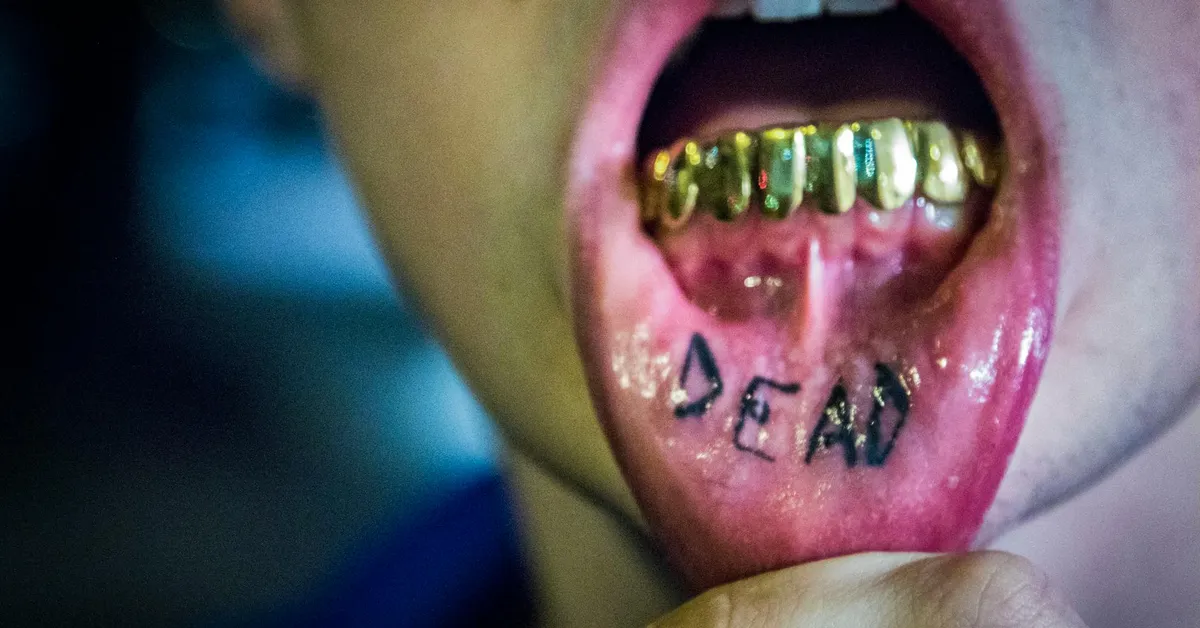
Your first appointment is not about zapping ink. It is a planning session. I always tell my clients this is the most critical step for a good outcome. The practitioner will assess your skin type, the tattoo’s age, and the pigments used. They need to know your medical history and any history of cold sores. This consultation determines your entire treatment plan and helps prevent complications down the line. Be prepared to discuss your desired end result and ask every question you have.
What Happens During a Removal Session
The actual process is surprisingly quick. You will be given protective eyewear. A cooling device or a numbing cream is often applied to your lips to manage discomfort. The technician then uses a laser handpiece, placing it against your skin. You will see a bright flash of light and might hear a snapping sound. Each pulse of the laser shatters the ink particles into tiny fragments that your body can then eliminate. A single session for a lip tattoo typically lasts only a few minutes. The sensation is often described as a hot pinch or the snap of a rubber band.
Critical Post-Treatment Care for Your Lips
How you care for your lips after a session directly impacts your healing and final results. I have seen perfect treatments ruined by poor aftercare. Your lips will be swollen and sensitive, much like a bad sunburn.
- Apply a recommended ointment like petroleum jelly frequently to keep the area moist.
- Use a cold compress for the first 24 hours to reduce swelling.
- Gently clean the area with mild soap and water, patting it dry.
- Drink plenty of water through a straw to avoid irritating the area.
Under no circumstances should you pick, scratch, or peel the flaking skin, as this can lead to scarring. Avoid spicy foods, kissing, and wearing lipstick until fully healed.
Managing Pain, Cost, and Healing Time
What Does Lip Tattoo Removal Feel Like?
Let’s be honest, the lips are a sensitive area. The sensation is sharp and quick, but manageable. From my own experience, it feels like a series of hot, sharp pinpricks. The good news is that each laser pulse is over in a fraction of a second, and the entire session is very short. Most modern clinics use integrated cooling systems that blow cold air onto the skin, which numbs the sensation significantly. Topical numbing creams also work well if applied correctly and given enough time to set in.
Breaking Down the Cost of Removal
Lip tattoo removal is not cheap, and you should be wary of prices that seem too good to be true. The cost is influenced by the clinic’s location, the technology used, and the practitioner’s expertise.
- Small, simple lip liner: $150 – $300 per session
- Full lip color tattoo: $300 – $600 per session
Remember that most lip tattoos require between 4 to 8 sessions for complete clearance, so the total investment can be substantial. To plan your budget, request a formal tattoo removal cost estimate that outlines per-session fees, projected total cost, and any ancillary charges. Comparing several estimates can help you avoid surprises and choose a safe, effective plan. Some clinics offer package deals for multiple sessions. Always choose quality and safety over a lower price.
The Realistic Healing Timeline
Healing is not instant. Your body needs time to do its work. Immediately after treatment, expect swelling and redness. To help manage swelling after a tattoo removal session, apply a cool compress for short intervals and keep the area clean. Follow your clinician’s aftercare instructions. Within a few days, the area may darken and form a slight crust.
- Days 1-3: Significant swelling and tenderness. The tattoo often looks darker.
- Days 4-10: Swelling subsides. The skin begins to flake and peel, lightening the appearance of the ink.
- Weeks 2-6: The skin appears fully healed, but your body is still clearing ink fragments.
- Week 8+: This is the point where you see the true result and can schedule your next session.
The complete fading process is a marathon, not a sprint, with results revealing themselves gradually over several months.
Understanding the Risks and Setting Expectations
Potential Side Effects and How to Avoid Them
Any laser procedure carries potential risks, especially on delicate lip tissue. Common temporary side effects include blistering, swelling, and redness. More significant risks involve textural changes, hypopigmentation (lightening of the skin), or hyperpigmentation (darkening of the skin). Choosing an experienced professional who uses the correct laser settings for your skin tone is the single best way to minimize these risks. Following your aftercare instructions to the letter also prevents infection and promotes even healing. I have a small patch of hypopigmentation on my own lip from an early, less-experienced treatment-a permanent reminder of why expertise matters.
Why At-Home Removal Kits Are a Bad Idea
I cannot state this strongly enough: do not use at-home removal kits on your lips. These products typically use acidic creams or harsh abrasives that are designed for tougher skin, not the delicate mucous membrane of your lips. Using these kits can cause severe chemical burns, irreversible scarring, and permanent damage to your lip’s pigment and texture. I have treated clients who came to me after failed DIY attempts, and the damage was always worse than the original tattoo. The laser targets only the ink; these creams burn everything. The risk is never worth the perceived reward.
Frequently Asked Questions
What are the key guidelines for lip tattoo removal?
Following essential guidelines ensures a safer and more effective removal process; always start with a consultation from a certified dermatologist or specialist to assess your tattoo and skin type, adhere strictly to pre- and post-treatment care instructions to minimize risks like infection or scarring, and avoid any DIY methods that could cause irreversible damage to the delicate lip area.
Where can I find a reliable PDF guide for lip tattoo removal?
Reputable sources for a PDF guide include professional dermatology associations or certified laser removal clinics, which often provide downloadable resources detailing the process, aftercare, and what to expect; be cautious of unverified online PDFs that may offer misleading or unsafe advice not tailored to your specific needs. The aftercare guide for laser sessions typically outlines what to expect in the first days after treatment, including common temporary effects. They also provide clear steps for post-treatment care and when to contact your clinician.
Is Reddit a good source for lip tattoo removal guidance?
While Reddit can offer personal anecdotes and community support from individuals who have undergone the process, it should not replace professional medical advice, as information may be unverified or outdated; always cross-reference any tips with a qualified specialist to ensure safety and accuracy for your unique situation.
Closing Words
Lip tattoo removal is a distinct process demanding specialized knowledge and equipment. The delicate nature of your lip skin means you cannot afford to cut corners or gamble with unproven methods. In our tattoo removal body part guide, we cover lip-specific considerations, tools, and aftercare. These insights help you understand how lips differ from other areas when planning removal. Your safest and most effective path is always a consultation with a qualified removal specialist who can assess your unique situation.
From my own experience in the studio, seeing the clean, final results on clients makes the careful process worthwhile. With realistic expectations and a commitment to professional treatment, you can successfully clear the canvas and move forward with confidence.
Further Reading & Sources
Ink Fade Lab is your trusted source for tattoo removal insights, combining expert knowledge with compassionate care to help you make informed decisions about your tattoo journey. Based on years of experience in the tattoo removal industry, we are dedicated to providing accurate, up-to-date information to support your choices.
Laser Tattoo Removal