Non-Laser Tattoo Removal: Your Guide to Chemical & Extraction Methods
Published on: January 12, 2026 | Last Updated: January 12, 2026
Written By: Ashita no Joe
Are you searching for a way to erase a tattoo without the zap and expense of laser treatments?
I have removed tattoos from my own skin and helped countless clients with alternatives like Rejuvi and Li-FT. This guide breaks down how these methods work, compares their pros and cons, and outlines the real-world process from start to finish.
Understanding Non-Laser Tattoo Removal
What Is Chemical Tattoo Removal?
Chemical tattoo removal is a process that uses specially formulated acidic or alkaline pastes to draw tattoo ink out of the skin. Instead of using light energy to shatter pigment, these methods work by creating a chemical reaction that binds to the ink and lifts it to the surface. I’ve personally used these techniques on clients seeking an alternative to laser, especially for certain stubborn colors.
Core Principles of Pigment Extraction
The fundamental goal is pigment extraction, not fragmentation. The process relies on a few key actions:
- Chemical agents penetrate the dermis and bind directly to the tattoo pigment particles.
- This binding action forms a soluble compound that the body can no longer ignore.
- The resulting compound is then actively pushed upward and out of the skin through the body’s natural inflammatory and healing responses.
The core idea is to make the ink “foreign” again so your body’s immune system helps eject it.
Historical Context and Modern Adaptations
People have been trying to remove tattoos with acids and abrasives for centuries, often with disastrous results like severe scarring. Modern systems like Rejuvi and Li-FT are refined, controlled adaptations of these old concepts, using specific pH levels and compound formulas. They are a world apart from the dangerous DIY salt scrubs or acidic solutions you might find in old texts. I would never attempt those outdated, unregulated methods on myself or a client, especially when there are well-documented risks associated with DIY acid peels for tattoo removal.
How Chemical and Extraction Methods Work
Mechanism of Action for Topical Pastes
These pastes are not simple creams; they are active chemical suspensions. When applied to tattooed skin, they initiate a controlled chemical burn. The paste works by altering the chemical structure of the ink, breaking the bond that holds it permanently within the skin’s cells. This creates a pathway for the pigment to escape. This is part of the tattoo removal process explained. The following sections break down how each step contributes to removing ink.
Step-by-Step Process of Pigment Lifting
- A trained professional applies the specific removal paste directly over the tattoo.
- The area is covered with a protective dressing to contain the reaction.
- Over the next 24-48 hours, a scab begins to form, encapsulating the now-mobilized ink.
- This scab, which contains a high concentration of the tattoo pigment, naturally detaches over one to three weeks.
- As the scab falls away, it physically pulls the ink out with it.
You will literally see the ink embedded in the scab as it heals and lifts away from your skin.
Role of Solvents in Dermal Depigmentation
The active ingredients in these pastes act as powerful solvents. Their job is to dissolve the bonds between the ink particles and the surrounding tissue. These solvents are designed to target the pigment specifically, sparing as much of the surrounding healthy skin as possible, though some irritation is inevitable. The precision of these modern solvents is what separates them from the crude acid washes of the past.
Pigment Fragmentation and Elimination
While the primary removal happens through the physical lifting of the scab, a secondary process occurs. Not all ink is removed in the first scab; some fragmented particles are small enough for your body’s lymphatic system to flush away naturally. This is why multiple sessions are almost always necessary-each session targets a deeper layer of ink that the previous one could not reach. The healing skin often looks pink and fresh, revealing significantly lightened tattoo pigment underneath. See what to expect from each tattoo removal session.
Popular Non-Laser Techniques: Rejuvi and Li-FT
Rejuvi Method Overview
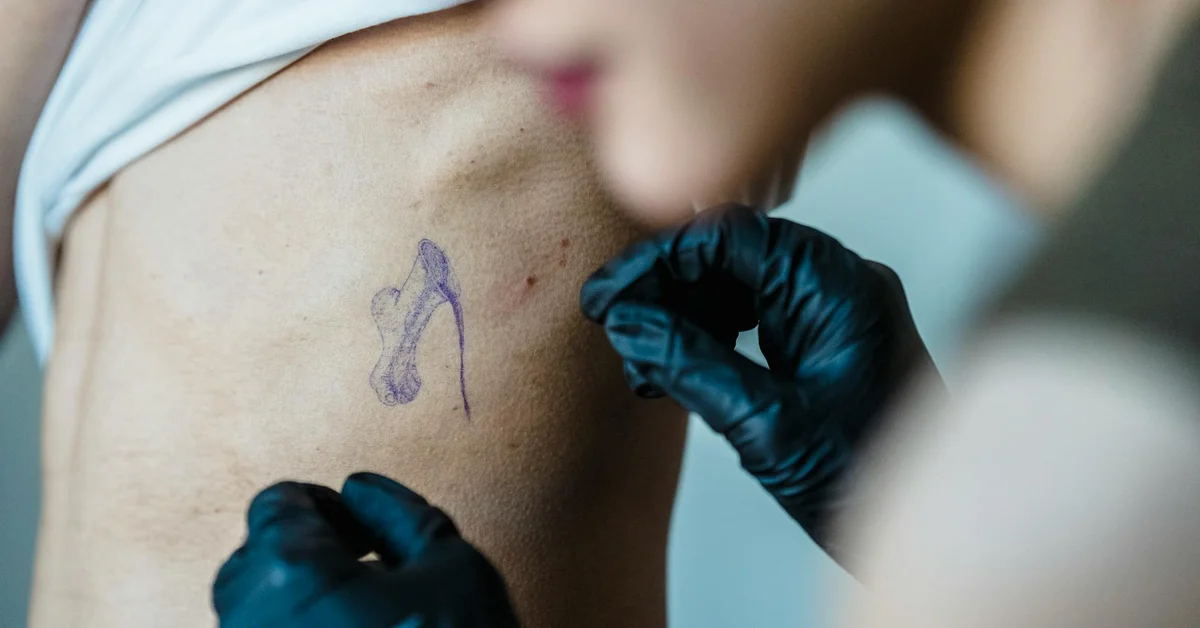
Rejuvi is a chemical paste applied directly into the tattoo. It works by binding with the tattoo ink and pushing it up and out of the skin as the paste dries and forms a scab. I’ve used this method on stubborn areas, and the process feels very different from a laser’s zap.
Application and Expected Outcomes
The technician applies the paste over the tattoo and covers it. Over several days, a thick, dark scab forms. Your final result depends entirely on how well you care for that scab and let it fall off naturally. Picking it guarantees scarring and a patchy result. Proper care is especially crucial during the healing process after saline tattoo removal.
- The paste is applied and left to dry for several days under a bandage.
- A single session can lighten a tattoo significantly, but complete removal often requires multiple passes.
- Expect the area to look raw and pink once the scab detaches.
Li-FT Method Overview
Li-FT is another chemical removal solution, but its action is more internal. Instead of forming a surface scab, Li-FT works by breaking down the ink particles so your body’s lymphatic system can flush them away. I find clients experience less of a pronounced, crusty scab compared to Rejuvi.
Key Differences in Treatment Protocols
While both are chemical methods, their application and aftercare are distinct.
- Rejuvi typically requires you to keep the paste dry and untouched for up to a week, letting the scab form and fall off on its own.
- Li-FT often involves a wet healing process, where you gently clean the area and apply a specific ointment to keep it moist.
- The Li-FT protocol is generally more involved in the days immediately following the procedure.
Safety and Risk Assessment
Common Adverse Reactions
Chemical methods are not gentle. You must prepare for significant inflammation, swelling, and tenderness in the treated area. It looks and feels like a severe burn because that’s essentially what it is-a controlled chemical injury.
Inflammation Management Strategies
Managing the inflammatory response is your top priority for comfort and healing.
- Use cool compresses (do not apply ice directly) for 15-minute intervals to reduce swelling.
- Keep the area elevated above your heart whenever possible, especially for tattoos on limbs.
- An over-the-counter anti-inflammatory like ibuprofen can help, but always check with your artist or doctor first.
Scarring Risk and Prevention
Scarring is the most significant long-term risk. Scarring occurs almost exclusively from poor aftercare, primarily from picking the scab or introducing an infection. Your skin is rebuilding itself, and interrupting that process forces it to lay down scar tissue.
Contraindications and Who Should Avoid It
These methods are not for everyone. I strongly advise against chemical removal if you have a history of keloids, poor wound healing, or compromised immune function. The skin trauma is simply too great. If you’re considering chemical peels for tattoo removal, a comprehensive chemical peel tattoo removal guide can help you understand what to expect and how to assess risks and aftercare. It can also compare different peel strengths and recovery timelines to help you decide if it’s right for you.
Impact of Ink Composition on Results
Your tattoo’s ink plays a huge role. Heavy metals and certain pigments, common in older or bright-colored tattoos, can react unpredictably with the chemicals. I’ve seen inks turn darker or discolor the skin permanently. A patch test is non-negotiable.
The Treatment Experience and Healing Process
Before and After: Realistic Expectations
Do not expect a clean, blank canvas after one session. A realistic goal is significant fading, with the understanding that you will likely need follow-up treatments for complete clearance. Some faint ghosting of the tattoo often remains.
Typical Healing Timeline and Stages
The healing journey is long and requires patience.
- Days 1-7: Intense inflammation, scab formation, and tenderness.
- Weeks 2-4: Scab detaches, revealing new, pink, sensitive skin underneath.
- Months 1-3: The skin color normalizes, and the true level of fading becomes apparent.
Post-Procedure Care Instructions
Your aftercare discipline directly dictates your final result. Neglecting aftercare instructions is the fastest way to waste your money and end up with a scar.
Essential Steps for Optimal Recovery
- Do not pick or scratch the scab. Let it detach on its own, even if it itches.
- Gently clean the area with a mild, fragrance-free soap and pat it dry.
- Apply only the specific ointment recommended by your technician.
- Keep the healing tattoo completely out of the sun. Once healed, use a high-SPF sunscreen daily.
Selecting a Practitioner and Method
Choosing who performs your procedure is the single most critical decision you will make. Your skin’s health and the final visual outcome depend entirely on the technician’s skill and knowledge. I’ve seen fantastic results and absolute disasters, and the difference always comes down to the practitioner.
Practitioner Qualifications to Look For
Do not be shy about asking for credentials. A qualified professional will be proud to share their background. You are not being difficult; you are being smart.
- Specific Method Certification: They must hold a current, verifiable certificate of training for the exact system they are using (e.g., Rejuvi, Li-FT). General aesthetics licenses are not enough.
- Substantial Hands-On Experience: Ask how many procedures they have performed. Look for someone with hundreds, not dozens.
- A Strong Portfolio of Their Own Work: Request to see before-and-after photos of their actual clients, not just stock images from the product manufacturer.
- Deep Knowledge of Skin Anatomy: They should be able to explain how the method works on different skin layers and why certain pigments react differently.
- A Clean, Professional Studio Environment: The workspace should be clinical, organized, and adhere to strict health department standards for bloodborne pathogens.
Red Flags in Non-Laser Tattoo Removal Services
Trust your instincts. If something feels off, it probably is. Walk away from any of these warning signs.
- They cannot provide a clear certificate for the specific method.
- They pressure you into booking immediately with a “today-only” discount.
- They are vague about the healing process or downplay potential risks like scarring.
- Their portfolio looks inconsistent, recycled, or features low-quality images.
- The price seems too good to be true compared to other reputable providers.
- They are unwilling to do a thorough consultation and patch test first.
I once consulted with a client who went to a cheap, uncertified technician; the resulting scar was more permanent and noticeable than the original tattoo. That mistake cost them far more in corrective treatments than a proper procedure would have. When the topic is tattooing over stretch marks or scarred skin, this becomes even more critical. Some clients choose to tattoo over stretch marks, others remove the scarred skin first; the right approach depends on the skin’s condition and the guidance of an experienced professional.
Evaluating Cost and Session Requirements
Non-laser methods are not always the budget option people assume. The pricing structure is completely different from laser removal.
- Initial Consultation Fee: Many reputable places charge for this, as it involves professional time and a patch test.
- Cost Per Session: This is typically priced by the size of the tattoo, similar to laser.
- Number of Sessions Required: Most tattoos need 1-3 sessions, but complex, multi-colored, or deep tattoos may need more.
- Aftercare Kit Cost: Factor in the price of the specialized ointments and dressings you will need.
Factors Influencing Total Investment
The final price tag is a sum of many parts. Understand what you are paying for.
- Tattoo Size and Complexity: A small, simple black tattoo costs less than a large, dense, or multi-colored piece.
- Geographic Location: Studios in major metropolitan areas often have higher overhead and charge more.
- Practitioner’s Expertise: The most experienced and sought-after technicians command higher prices for their skill.
- Number of Sessions: While fewer than laser, each session has a cost. The total can add up.
- Your Skin’s Reaction: Unpredictable healing or minor complications can necessitate additional follow-up appointments.
The cheapest option is rarely the most cost-effective in the long run when your skin is the canvas. Pay for quality the first time.
Accessibility and Regional Considerations

Finding a provider for these niche methods can feel like a treasure hunt. They are not available on every street corner like laser clinics.
Availability in Major Cities
Your search will be infinitely easier if you live in or near a large urban center.
- High Concentration: Cities like New York, Los Angeles, Miami, and London have the highest density of trained practitioners.
- Specialized Studios: Look for studios that explicitly advertise “alternative tattoo removal” or the specific brand names.
- Networking is Key: I found my Rejuvi trainer through a connection in a private tattoo artist forum. Ask artists you trust if they know anyone.
Be prepared to travel if you live in a rural area; the cost and inconvenience of travel are a real part of the process for many people. I have clients who fly in for their sessions because it’s their only viable option.
Notes on Training and Certification Programs
The industry for these methods is still evolving, and training standards are not universally regulated. This puts the burden of research on you.
- Manufacturer-Led Training: The most reliable certifications often come directly from the company that produces the product (e.g., Rejuvi).
- Apprenticeship Models: Some of the best technicians learned through a hands-on apprenticeship under an established expert.
- Ask About Curriculum: A good training program should heavily focus on skin biology, contraindications, sanitation, and hands-on practice.
- Beware of Online-Only Certifications: A weekend course or purely online certification is a major red flag for such a hands-on, skill-based procedure.
The lack of a centralized governing body means you must be your own advocate. Verify their training source and do not accept a simple “I’m certified” as proof of competence.
Frequently Asked Questions
What is non-laser tattoo removal?
Non-laser tattoo removal involves using chemical pastes like Rejuvi or Li-FT to bind with ink particles and draw them out through the skin’s surface during healing, offering an alternative to laser treatments by relying on extraction rather than light-based fragmentation. These inkless alternative tattoo removal methods aim to remove pigment without lasers, using chemical or physical extraction to lift ink from the skin.
What is non laser tattoo removal cost?
The cost varies based on tattoo size, location, and practitioner expertise, typically ranging from $200 to $800 per session, with additional fees for consultations and aftercare kits, making it essential to get a personalized quote for an accurate estimate. For a detailed breakdown, check out our laser tattoo removal cost guide. It explains how tattoo size, color, location, and the number of sessions influence overall pricing.
What is non laser tattoo removal training?
Training for non-laser methods usually involves manufacturer-certified courses or apprenticeships that cover skin biology, safety protocols, and hands-on practice to ensure practitioners can perform procedures safely and effectively, reducing risks like scarring or poor outcomes.
Closing Words
Non-laser methods offer a distinct path for tattoo removal, one that requires a skilled and experienced hand to navigate safely. These chemical and extraction techniques can be effective for the right tattoos on the right skin, but they are not a casual alternative. Your skin’s health is the ultimate priority. In the realm of noninvasive tattoo removal techniques, the emphasis is on careful, controlled approaches that minimize risk while targeting ink. These methods still require expert assessment to determine suitability for your skin and ink.
Always choose a certified professional who specializes in these specific methods, as your results and safety depend entirely on their expertise. From my own experience, proper aftercare is just as critical as the procedure itself for achieving a clean result and minimizing scarring. Make an informed choice, not a rushed one.
Further Reading & Sources
- Tatt2Away® – Non-Laser Tattoo Removal and Revision
- Non-Laser Tattoo Removal Options and Methods | Removery
Ink Fade Lab is your trusted source for tattoo removal insights, combining expert knowledge with compassionate care to help you make informed decisions about your tattoo journey. Based on years of experience in the tattoo removal industry, we are dedicated to providing accurate, up-to-date information to support your choices.
Non-Laser Methods