
Long-Term Skin Health: Minimizing the Risk of Permanent Pigmentation Changes
Published on: January 12, 2026 | Last Updated: January 12, 2026
Written By: Ashita no Joe
Have you ever noticed a stubborn dark spot or uneven skin tone that seems to linger no matter what you do? As someone who has both applied and removed tattoos, I’ve seen firsthand how skin can react over time, and I understand the worry that comes with potential permanent changes. This guide will equip you with straightforward, expert-backed strategies to safeguard your skin and prevent lasting pigmentation issues.
We will explore daily habits that protect your skin, identify common triggers for pigmentation shifts, and review safe, effective responses if changes occur. Drawing from my own experiences and client cases, you’ll get reliable advice to maintain your skin’s natural balance and vitality.
Understanding Pigmentation Changes in Tattoo Removal
Think of your skin as a reactive canvas, not a passive surface. When a laser hits a tattoo, it’s not just shattering ink; it’s sending a powerful shockwave through your dermis. Your body’s natural healing response to this controlled injury is the primary driver behind all pigmentation shifts. I’ve watched this process unfold on my own skin and on hundreds of clients.
There are two main types of discoloration you might encounter:
- Hypopigmentation: This is a lightening of the skin, where the treated area loses melanin. It looks like a pale, milky patch. This often occurs when the laser energy is inadvertently absorbed by your skin’s melanin instead of just the tattoo ink.
- Hyperpigmentation: This is a darkening of the skin, where the area produces too much melanin in response to the inflammation. It appears as a brown or dark shadow where the tattoo used to be.
Your skin’s immediate reaction doesn’t always predict the final outcome. Temporary hyperpigmentation is incredibly common after a session and usually fades over several weeks as the inflammation subsides. Hyperpigmentation after tattoo removal can linger longer than expected for some skin tones. The real goal of any removal protocol is to guide this inflammatory process without triggering a permanent change in your skin’s pigment-producing cells. I always tell my clients that patience during this healing phase is non-negotiable.
Causes of Permanent Skin Discoloration Post-Removal
Permanent discoloration doesn’t happen by accident. It’s the result of specific, and often preventable, factors. Based on my experience, these are the primary culprits.
Your Natural Skin Tone and Type
This is the single most important factor. The Fitzpatrick Scale classifies skin types from I (very fair) to VI (very dark). Individuals with higher Fitzpatrick skin types (IV-VI) have more active melanocytes, making them inherently more prone to both hyperpigmentation and hypopigmentation. The laser has a harder time distinguishing between the ink and your skin’s natural pigment.
| Skin Type (Fitzpatrick) | Risk of Hyperpigmentation | Risk of Hypopigmentation |
|---|---|---|
| I-III (Fair to Light) | Lower | Moderate |
| IV-VI (Olive to Dark) | Significantly Higher | Significantly Higher |
Laser Technology and Technician Skill
Not all lasers are created equal, and an inexperienced hand can do lasting damage.
- Wrong Wavelength: Using a laser not suited for your skin tone or ink color increases the risk of pigmentation issues exponentially.
- Excessive Fluence: Cranking up the power too high might seem like it will remove the tattoo faster, but it’s a surefire way to overwhelm your skin’s healing capacity and scar your melanocytes.
- Poor Spot Size or Frequency: An unskilled technician can overlap pulses or use a setting that causes thermal damage beyond the ink particles.
I’ve corrected too many botched jobs from clinics that prioritized speed over skin health. The right technician will always choose conservative settings and longer treatment times to protect your skin’s future.
Inadequate Aftercare and Sun Exposure
Your responsibility begins the moment you leave the clinic. The treated skin is incredibly vulnerable.
- Sun Exposure: UV radiation is public enemy number one for healing skin. It directly stimulates melanocyte activity. Exposing a fresh treatment area to the sun is practically begging for permanent hyperpigmentation. I am militant about using high-SPF, zinc-based sunblocks.
- Picking or Scratching: Disturbing the healing blisters or scabs re-injures the skin and deepens the inflammatory response, leading to pigment changes and even scarring.
- Harsh Products: Using irritating chemicals, loofahs, or abrasive cleansers on the area can trigger post-inflammatory hyperpigmentation.
The Original Tattoo’s Characteristics
The tattoo itself plays a role. Certain inks, especially older ones containing heavy metals like titanium dioxide (common in white and light-colored inks), can undergo a chemical change called paradoxical darkening. The laser can cause these inks to oxidize, turning a light color into a permanent gray or brown shadow that is often impossible to remove. From a tattoo ink materials science perspective, pigment chemistry and particle makeup influence how laser energy interacts with inks. Understanding these factors helps explain color changes and informs safer, more effective removal. I always test a small patch on tattoos with suspect colors first.
Pre-Removal Pigmentation Risk Reduction Plan

Your actions before the laser even touches your skin set the stage for your final result. A proactive approach to skin health is your single best defense against unwanted color shifts. I’ve seen clients who invested in this preparation phase heal with virtually no trace of their tattoo, while others who rushed in faced a much longer road to recovery. Equally important are the laser safety protocols in tattoo clinics. Proper eye protection, calibrated equipment, and cooling measures help minimize risks and ensure consistent results.
Choosing the Right Tattoo Removal Provider
Not all clinics are created equal. Your provider’s skill is the most critical variable in this entire equation.
- Seek a certified professional with extensive experience, specifically in treating your skin tone. Different skin types react differently to laser energy.
- Ask to see a portfolio of their work, specifically looking for before-and-after photos of clients with similar skin tones and tattoo colors.
- Ensure they use modern, Q-switched or Picosecond lasers. Older technology lacks the precision needed to minimize skin damage.
- A good provider will conduct a thorough patch test on a small, discreet area of your tattoo. This allows them to gauge your skin’s unique reaction and adjust settings accordingly.
Your provider should feel like a partner in your journey, not just a technician. If they dismiss your concerns about pigmentation, find someone else.
Skin Barrier Strengthening Before Treatment
Think of your skin as a canvas. A strong, healthy canvas is more resilient and recovers better. I start my own clients on a simple regimen at least one month before their first session.
- Hydrate intensely from the inside out. Drink plenty of water and use a high-quality, fragrance-free moisturizer daily.
- Incorporate key nutrients. A diet rich in Vitamin C, Vitamin E, and Zinc supports collagen production and skin repair.
- Begin using a topical Vitamin C serum in the morning. Its antioxidant properties help fortify the skin against the inflammatory stress of laser treatment.
- Avoid any harsh treatments like chemical peels, microdermabrasion, or tanning beds on the tattooed area for at least four weeks prior.
A robust skin barrier is less likely to respond to trauma with excessive pigment production. This foundational work pays dividends later.
Essential Skincare During the Removal Process
The immediate days and weeks following each laser session are a critical window. Your skin is in a vulnerable, healing state and needs meticulous care to prevent complications. An aftercare guide for laser sessions explains what to expect and how to care for treated skin. Following those guidelines supports healing and reduces the risk of complications.
Daily Sun Protection Strategy
This is non-negotiable. I tell my clients that skipping sunscreen is like throwing gasoline on a fire when it comes to pigmentation risks. During the tattoo removal process, sunscreen is essential to prevent UV-triggered pigment changes. It also helps ensure the fading stays predictable as treatments progress.
- Use a broad-spectrum sunscreen with an SPF of 50 or higher on the treatment area every single day, even if you are indoors.
- Reapply every two hours if you are outside or near a window. UV exposure can permanently darken pigment fragments left in the skin.
- Wear protective clothing. A simple, tight-weave fabric over the area is more effective than sunscreen alone.
Sun protection is the cheapest and most effective insurance policy for your skin’s long-term appearance. I’ve seen hyperpigmentation from a single sunburn set back a removal timeline by six months. For those pursuing laser tattoo removal, following a sun exposure protection guide before and after sessions helps protect healing skin and keep fading even.
Anti-Inflammatory and Antioxidant Support
Your body is working hard to process the shattered ink particles. You can support this internal cleanup crew.
- Continue your oral supplements. Vitamin C and Zinc are crucial for the healing phase.
- Consider adding an oral Turmeric or Omega-3 supplement to help manage the body’s inflammatory response systemically.
- Topically, use only the gentle, fragrance-free moisturizer and healing ointments recommended by your provider. Do not introduce new, active ingredients.
- Keep the area clean and avoid picking at any blisters or scabs. Let the skin shed naturally.
Managing inflammation is the key to a smooth, uncomplicated healing process with minimal side effects. A calm healing phase means a lower risk of pigment changes.
Post-Removal Long-Term Skin Health Maintenance
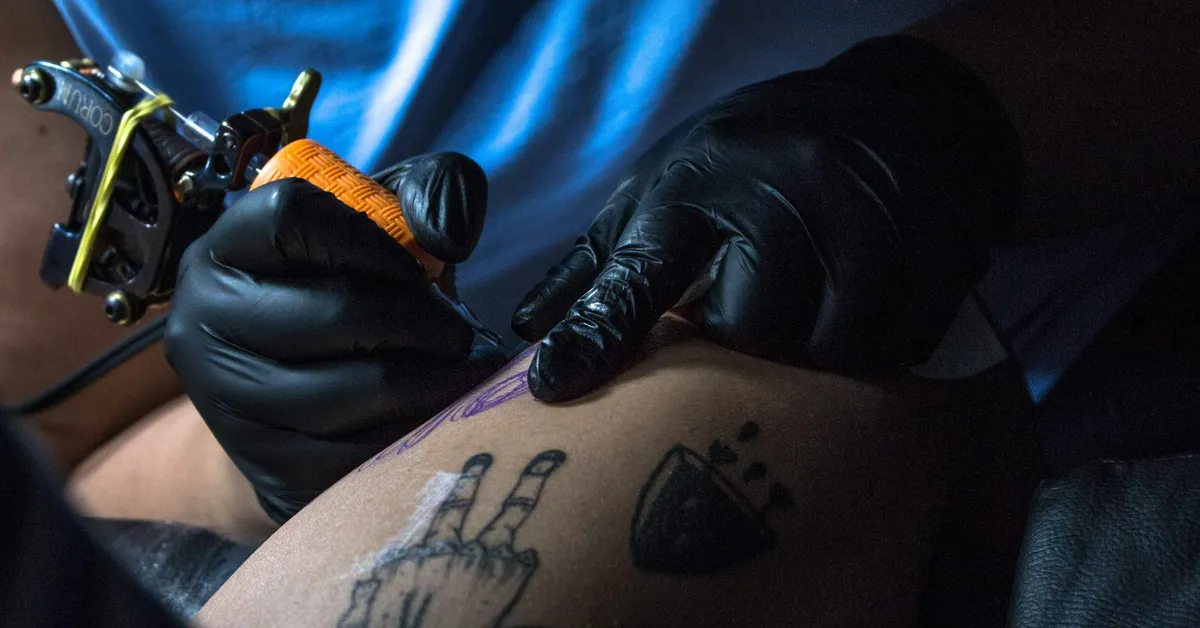
Even after the last session and the final flake of skin has fallen away, your job isn’t over. The skin in that area will remain sensitive for months and needs continued support. During tattoo removal healing, sensitive skin benefits from gentle cleansing, fragrance-free moisturizers, and sun protection. Avoid irritants and harsh products to support ongoing recovery.
Managing Hyperpigmentation if It Occurs
Sometimes, despite your best efforts, the skin darkens. Don’t panic. Post-inflammatory hyperpigmentation (PIH) is often treatable. However, removal near the eyelid carries dangers, including irritation, scarring, and even eye injury. If you’re considering eyelid tattoo removal, consult a licensed specialist to minimize risks.
- First, maintain relentless sun protection. This prevents the darkened area from becoming more pronounced.
- Once the skin is fully healed (no redness or sensitivity), you can introduce a topical treatment containing ingredients like Tranexamic Acid, Niacinamide, or Azelaic Acid.
- Licorice Root extract and Kojic Acid are also gentle, effective options for brightening the skin.
- I advise against strong at-home chemical peels or micro-needling on the area. Aggressive DIY methods can worsen pigmentation and cause scarring.
Patience is essential. It can take 3 to 6 months of consistent care for PIH to fade significantly.
When to Seek Dermatology Guidance
You are your own best advocate. Know the signs that indicate it’s time to call in a specialist.
- If hyperpigmentation does not show any signs of improvement after 3 months of diligent at-home care.
- If you notice any textural changes, like indentations (hypopigmentation) or raised scarring.
- If the area becomes persistently itchy, painful, or develops a rash long after the healing period.
- A board-certified dermatologist has access to stronger prescription topicals and in-office procedures like specific lasers that can target pigment without affecting the surrounding skin.
Professional guidance can provide a targeted solution when general care isn’t enough. I’ve worked with dermatologists to resolve stubborn cases that initially seemed permanent.
Frequently Asked Questions
What is the pigmentation risk reduction act I should take?
The most critical proactive act you can take is choosing a highly skilled, certified provider who uses modern lasers appropriate for your skin tone and conducts a thorough patch test. This single decision, based on experience and proper technology, is your primary defense against triggering the inflammatory responses that lead to permanent discoloration.
What does a pigmentation risk reduction program involve?
A comprehensive program is a phased approach that begins with strengthening your skin barrier a month before treatment, continues with meticulous daily sun protection and anti-inflammatory support during the process, and extends into long-term maintenance with targeted brighteners if needed. This end-to-end strategy manages your skin’s health before, during, and after laser sessions.
Is there a specific pigmentation risk reduction formula?
The most effective formula combines professional expertise with dedicated at-home care: (Professional Skill + Correct Laser) + (Rigorous Sun Protection + Anti-Inflammatory Support). There is no single topical product that guarantees safety; it is this consistent, multi-faceted approach that systematically minimizes the risk of permanent pigmentation changes.
Closing Words
Your skin’s long-term health is the final, and most important, chapter of your tattoo removal story. Relying on professional expertise and diligent aftercare is your strongest defense against unwanted pigment changes, especially when caring for your skin after tattoo removal is complete. I’ve seen too many cases where impatience led to permanent reminders, and I want you to avoid that.
Treat your skin with the same respect you’d give a precious canvas, because that is exactly what it is. Give it the time and professional care it needs to heal fully. As you consider tattoo removal, supporting your skin’s microbiome and skin flora can aid healing. Mindful, microbiome-friendly aftercare helps protect the skin during recovery. A clear, healthy complexion is the ultimate goal, and with a smart, patient approach, it is absolutely within your reach.
Further Reading & Sources
- Skin Discoloration: Causes, Conditions & Treatments
- Is Skin Pigmentation Permanent or Can It Fade Over Time?
Ink Fade Lab is your trusted source for tattoo removal insights, combining expert knowledge with compassionate care to help you make informed decisions about your tattoo journey. Based on years of experience in the tattoo removal industry, we are dedicated to providing accurate, up-to-date information to support your choices.
Long-Term Skin Health